
Mar . 10, 2026 02:05 Back to list
Comprehensive Guide to Hydroxy Methyl Propyl Cellulose and Its Diverse Applications
Hydroxy Methyl Propyl Cellulose: A Comprehensive Guide
Hydroxy Methyl Propyl Cellulose (HPMC) is a versatile cellulose ether widely utilized across diverse industries, including construction, pharmaceuticals, food, and cosmetics. Its unique properties, such as thickening, water retention, binding, and film-forming capabilities, make it an invaluable ingredient in numerous applications. This article will provide an in-depth exploration of HPMC, covering its properties, applications, benefits, and sourcing information. Understanding HPMC's functionalities is crucial for optimizing product performance and ensuring desired results. Learn how CNJZ Chemical's HPMC can meet your specific needs.
Understanding Hydroxy Methyl Propyl Cellulose
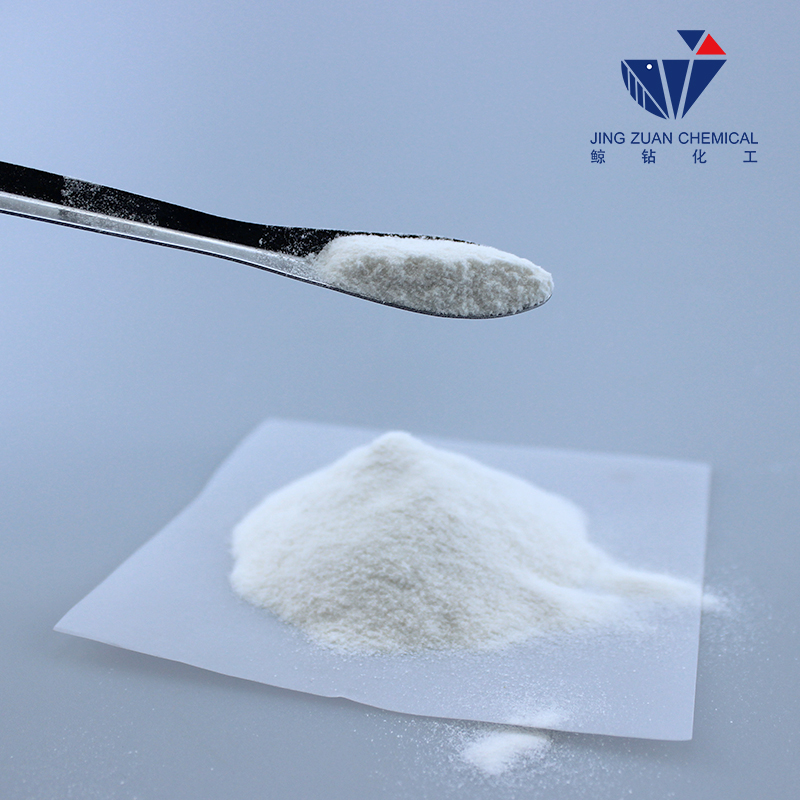
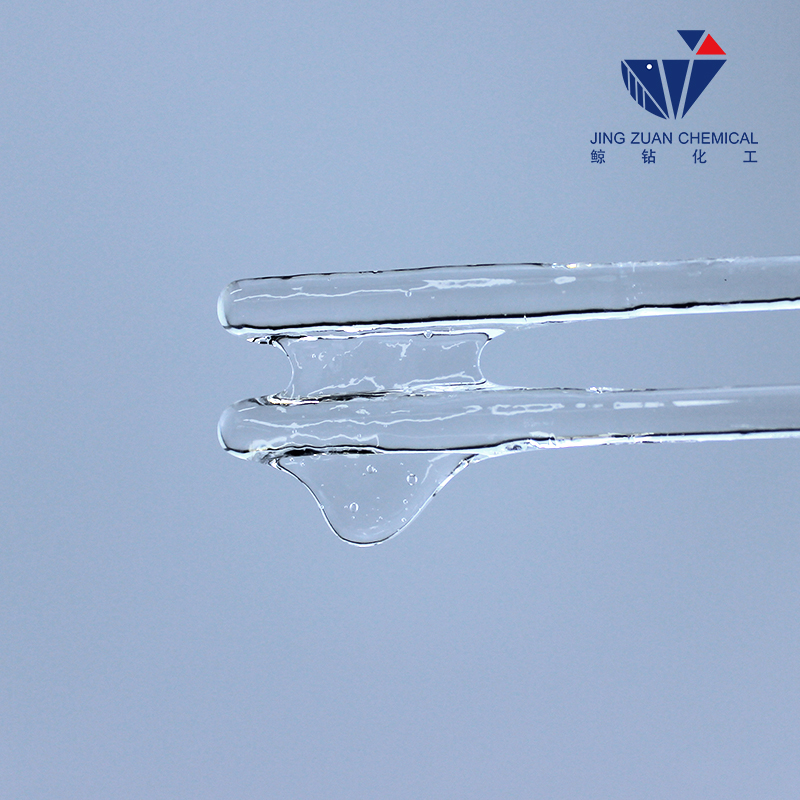
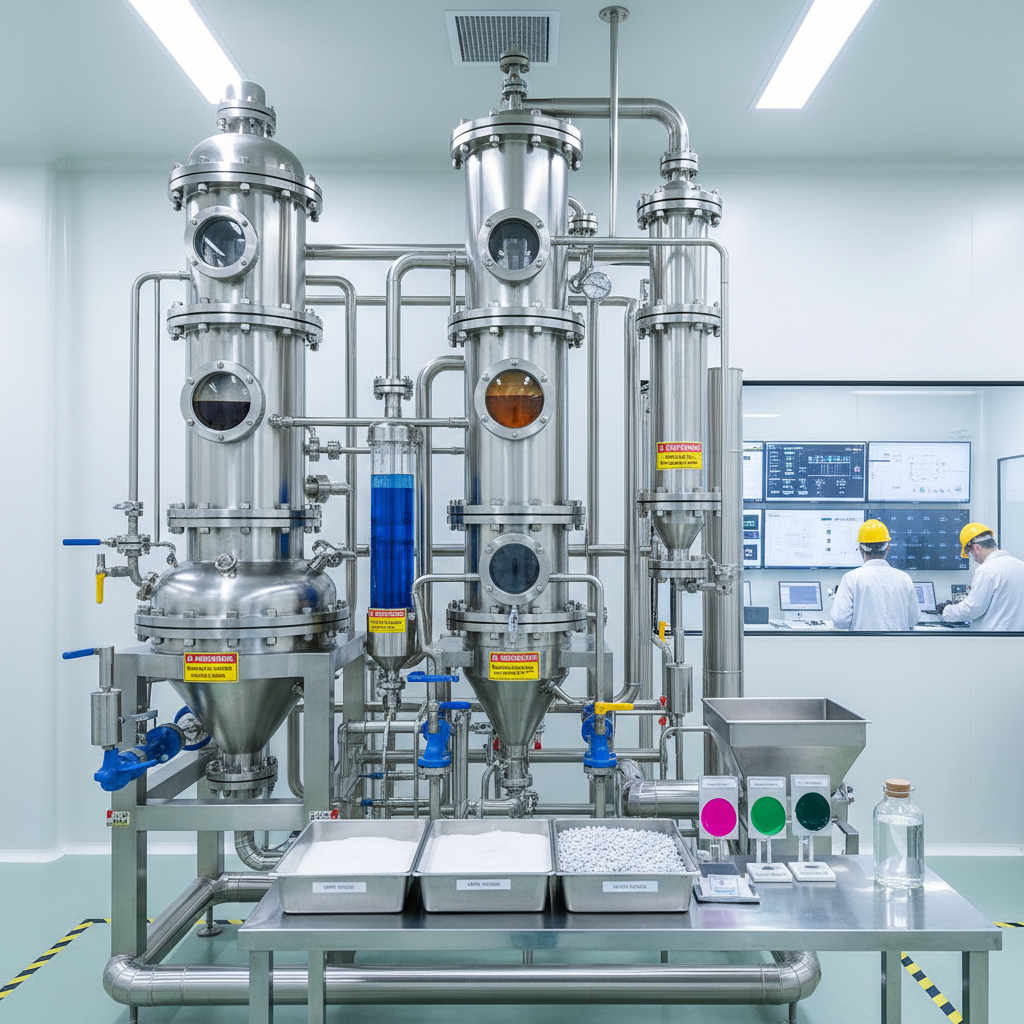
HPMC is derived from cellulose, a naturally occurring polymer found in plant cell walls. Through chemical modification, cellulose is transformed into HPMC, imparting desirable properties for various industrial applications. The degree of substitution (DS) of hydroxy methyl and hydroxy propyl groups influences the final characteristics of the HPMC, allowing for tailored performance. Key properties include excellent thickening efficiency, thermal gelation (forming a gel when heated), surface activity, and compatibility with a wide range of materials. Its non-ionic nature contributes to its stability across varying pH levels.
Key Highlights: HPMC offers excellent thickening efficiency, thermal gelation, surface activity, and pH stability, making it a versatile ingredient for various applications.
Applications of Hydroxy Methyl Propyl Cellulose
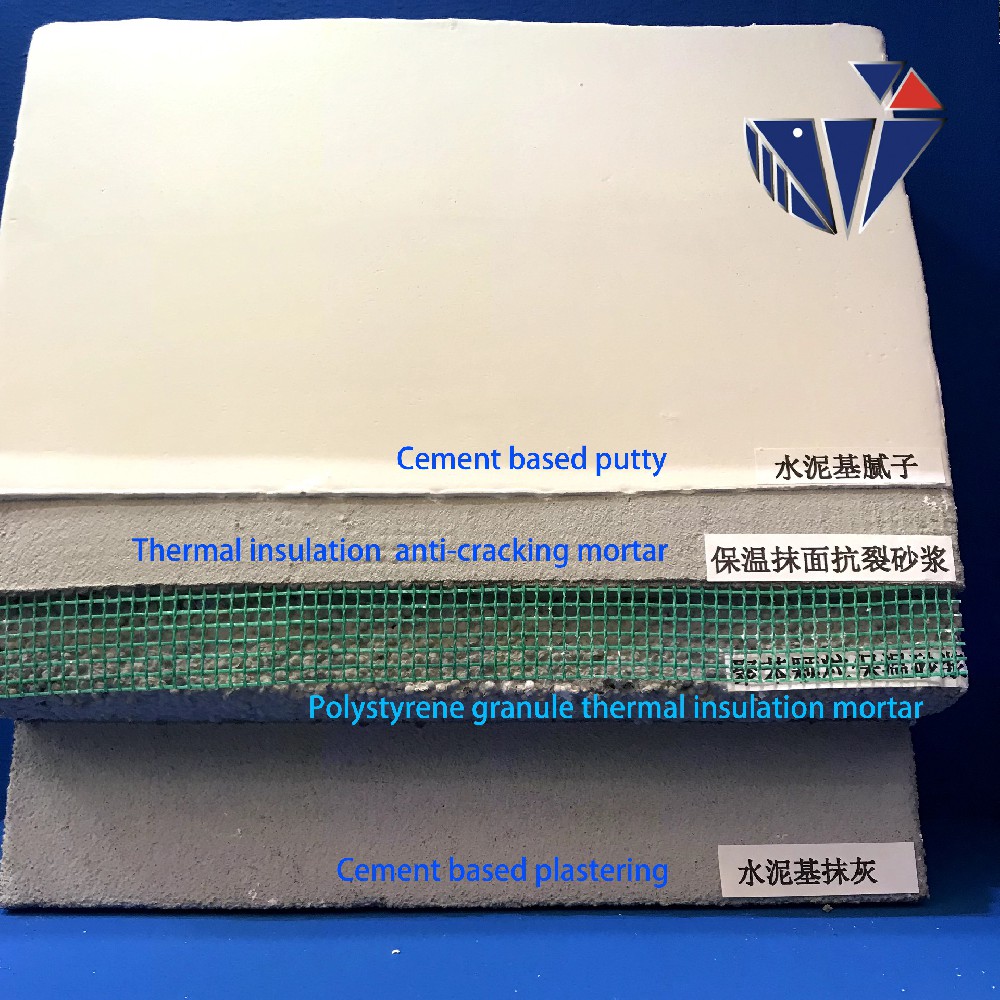
The versatility of HPMC leads to its widespread use in numerous industries. In construction, it serves as a key component in cement-based mortars, tile adhesives, and self-leveling compounds, improving workability, adhesion, and water retention. The pharmaceutical industry utilizes HPMC as a binder, film-coating agent, and controlled-release matrix in tablets and capsules. In the food industry, it functions as a thickener, stabilizer, and emulsifier in sauces, dressings, and baked goods. Cosmetic formulations benefit from HPMC’s thickening and film-forming properties in creams, lotions, and shampoos. CNJZ Chemical provides HPMC tailored for each of these industries.
HPMC Applications at a Glance:
• Construction: Mortars, adhesives, self-leveling compounds
• Pharmaceuticals: Tablets, capsules, coatings
• Food: Sauces, dressings, baked goods
• Cosmetics: Creams, lotions, shampoos
Hydroxy Methyl Propyl Cellulose Grades and Specifications
HPMC is available in various grades, differing in viscosity, particle size, and degree of substitution. These variations cater to specific application requirements. Viscosity is a crucial parameter, determining the thickening ability of the HPMC. Particle size influences the dissolution rate and clarity of solutions. CNJZ Chemical offers a comprehensive range of HPMC grades to meet diverse needs. The following table showcases a representative sample of our HPMC specifications:
Benefits of Using HPMC from CNJZ Chemical
Choosing CNJZ Chemical as your HPMC supplier offers numerous benefits. We provide consistently high-quality products adhering to stringent quality control standards. Our extensive product range caters to diverse application needs, ensuring optimal performance. We offer competitive pricing and flexible packaging options. Furthermore, our dedicated technical support team is available to assist with formulation challenges and provide expert guidance. We are committed to sustainable practices and responsible sourcing.
HPMC: Safety and Handling Considerations
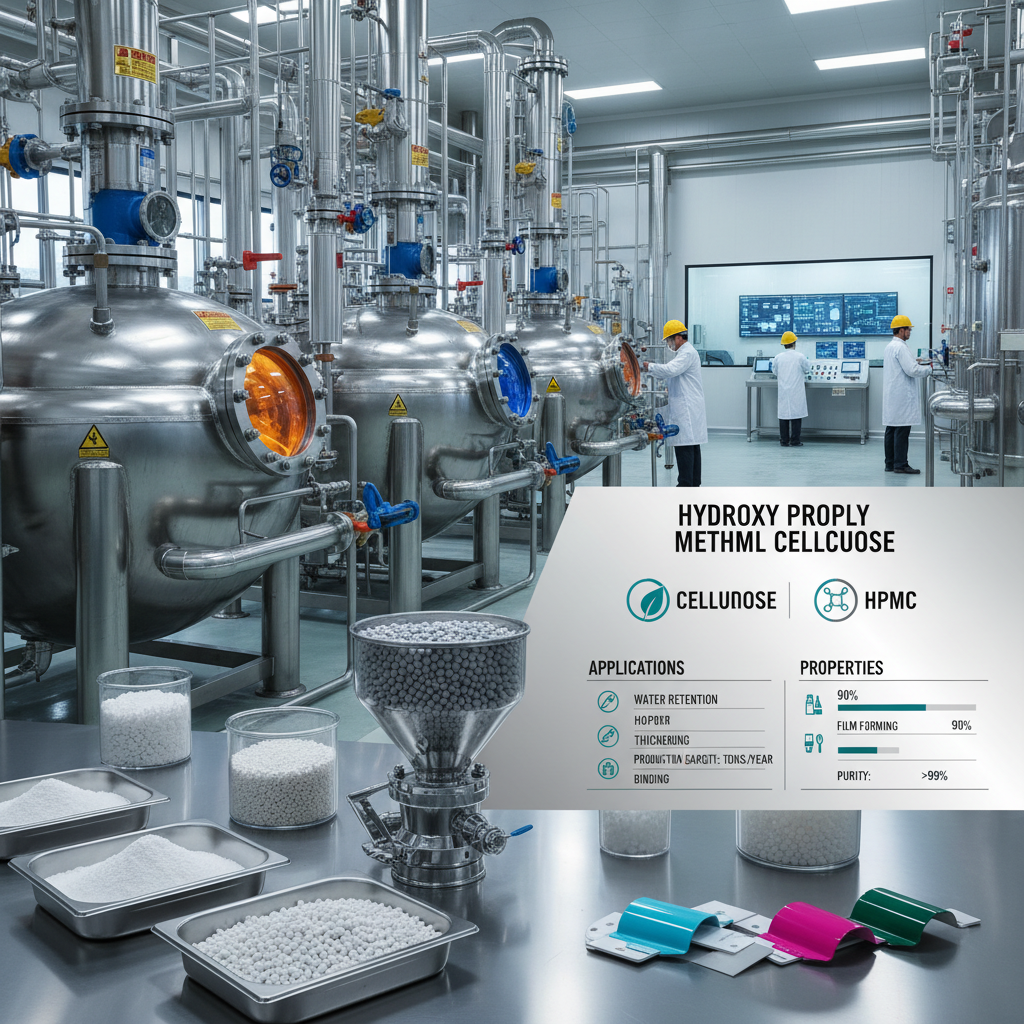
HPMC is generally considered safe for use in its intended applications. However, it's essential to follow proper handling procedures. Avoid inhaling the powder, as it may cause respiratory irritation. Wear appropriate personal protective equipment (PPE), such as gloves and safety glasses, when handling the material. Store HPMC in a cool, dry place away from direct sunlight and heat. Refer to the Safety Data Sheet (SDS) for detailed safety information. Proper ventilation is recommended during handling and processing.
Conclusion: Optimizing Performance with Hydroxy Methyl Propyl Cellulose
Hydroxy Methyl Propyl Cellulose is a remarkably versatile polymer offering a wide array of benefits across diverse industries. From enhancing the workability of construction materials to controlling the release of pharmaceuticals, its unique properties make it an invaluable ingredient. Choosing a reliable supplier like CNJZ Chemical ensures consistent quality, technical expertise, and competitive pricing. Unlock the full potential of your formulations with HPMC.
Frequently Asked Questions (FAQs)
What factors influence the viscosity of HPMC solutions?
The viscosity of HPMC solutions is influenced by several factors, including the grade of HPMC (molecular weight and DS), concentration, temperature, pH, and the presence of salts. Higher molecular weight HPMC grades generally provide higher viscosity. Increasing the HPMC concentration increases viscosity. Viscosity typically decreases with increasing temperature. The addition of salts can affect viscosity, sometimes causing a decrease (salting-out effect) or an increase (salting-in effect), depending on the type and concentration of the salt. Controlling these factors is crucial for achieving the desired viscosity in your application.
Is HPMC compatible with other polymers?
HPMC generally exhibits good compatibility with a wide range of other polymers, including polyvinyl acetate (PVA), polyvinyl alcohol (PVOH), acrylic polymers, and various resins. However, compatibility should be tested on a case-by-case basis, as interactions can occur. In some cases, HPMC can improve the film-forming properties, adhesion, or stability of other polymers. Formulating a small-scale trial batch is recommended to assess compatibility and optimize the blend.
How does HPMC contribute to water retention in construction materials?
HPMC's exceptional water retention capabilities are crucial in construction applications. It forms a network of water-holding structures within the cement-based matrix, reducing water loss due to evaporation. This prolonged water availability enhances cement hydration, leading to improved strength development, adhesion, and workability. It also minimizes cracking caused by premature drying. This is particularly beneficial in hot and dry climates or when applying materials to porous substrates.
Where can I find detailed specifications and technical data sheets for CNJZ Chemical's HPMC products?
Detailed specifications and technical data sheets for all of CNJZ Chemical's HPMC products are readily available on our website: https://www.cnjzchemical.com. You can find product-specific information, including viscosity ranges, DS values, particle size distributions, and application guidelines. Our technical support team is also available to assist you with any specific requirements or questions you may have.
-
Understanding Hydroxypropyl Methyl Cellulose MSDS Safety and Compliance
NewsApr.16,2026
-
Understanding the Hydroxypropyl Methyl Cellulose HS Code for Global Trade
NewsApr.09,2026
-
Comprehensive Guide to Hydroxypropyl Methyl Cellulose CAS Number and Applications
NewsApr.07,2026
-
Comprehensive Guide to Hydroxypropyl Methyl Cellulose cas no and its Diverse Applications
NewsApr.04,2026
-
Comprehensive Guide to Hydroxypropyl Methyl Cellulose Manufacturers and Applications
NewsMar.31,2026
-
Understanding Hydroxypropyl Methyl Cellulose Properties And Diverse Applications
NewsMar.28,2026