
High-Performance Construction Chemical Solutions with rdp polymer in Ecuador

Advanced chemical additives engineered to withstand the diverse climatic challenges of the Ecuadorian landscape, ensuring structural durability and superior adhesion.

High-Performance Construction Chemical Solutions with rdp polymer in Ecuador

Providing the Ecuadorian construction industry with specialized chemical agents including hydroxyalkyl cellulose and high-grade polymers to optimize mortar performance in tropical and Andean environments.

Chemical Additive Landscape in Ecuador

Analyzing the demand for specialized bonding agents in South America's diverse geography.

Ecuador presents a unique challenge for construction chemicals due to its extreme geographical diversity, ranging from the humid coastal regions to the high-altitude Andean peaks. This volatility requires a high-performance mortar bonding agent that can maintain stability despite rapid temperature shifts and high humidity levels.

Currently, the local market is shifting from traditional cement-sand mixes toward modified mortars. The integration of vae powder has become essential for enhancing flexibility and crack resistance in urban infrastructure projects in Quito and Guayaquil, where seismic activity is a constant concern.

Despite the growth, many local manufacturers still struggle with consistency. The demand for specialized latex bonding agent is rising as the industry seeks to improve the bond strength between old and new concrete layers in historic restoration and modern high-rise expansions.


Evolution of Special Chemical Manufacturing in Ecuador

From basic additives to advanced polymer-modified systems.

Market Development History

Between 2000 and 2010, the Ecuadorian market relied heavily on basic additives. Early formulations were simple, often lacking the water retention properties provided by modern hydroxyalkyl cellulose, leading to frequent shrinkage cracks in hot coastal climates.

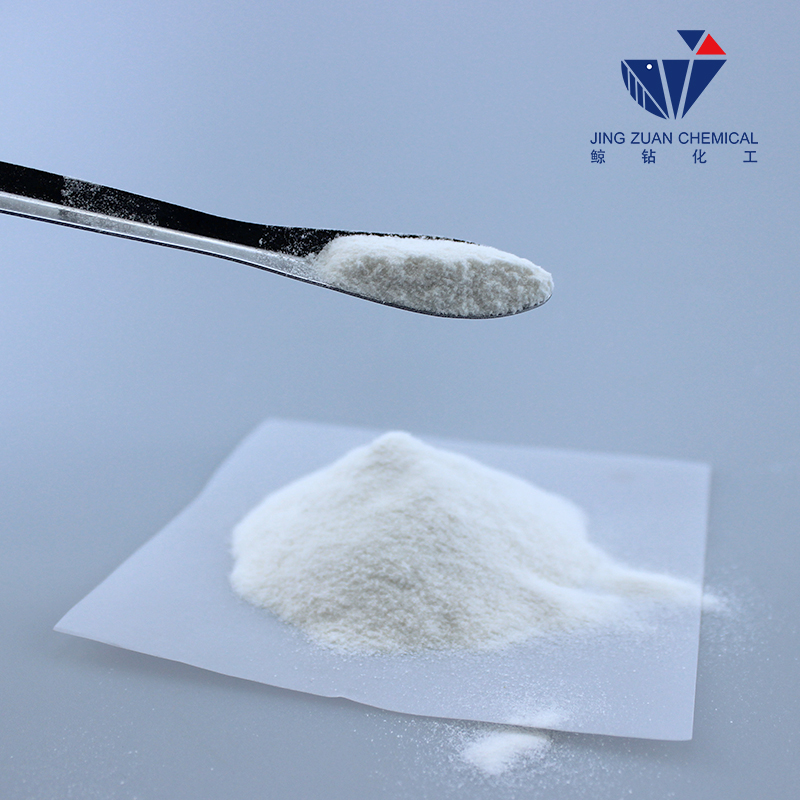
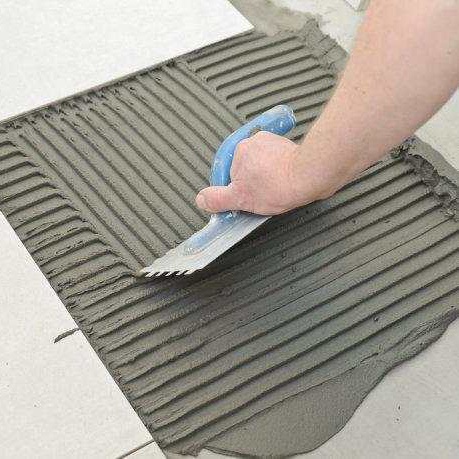
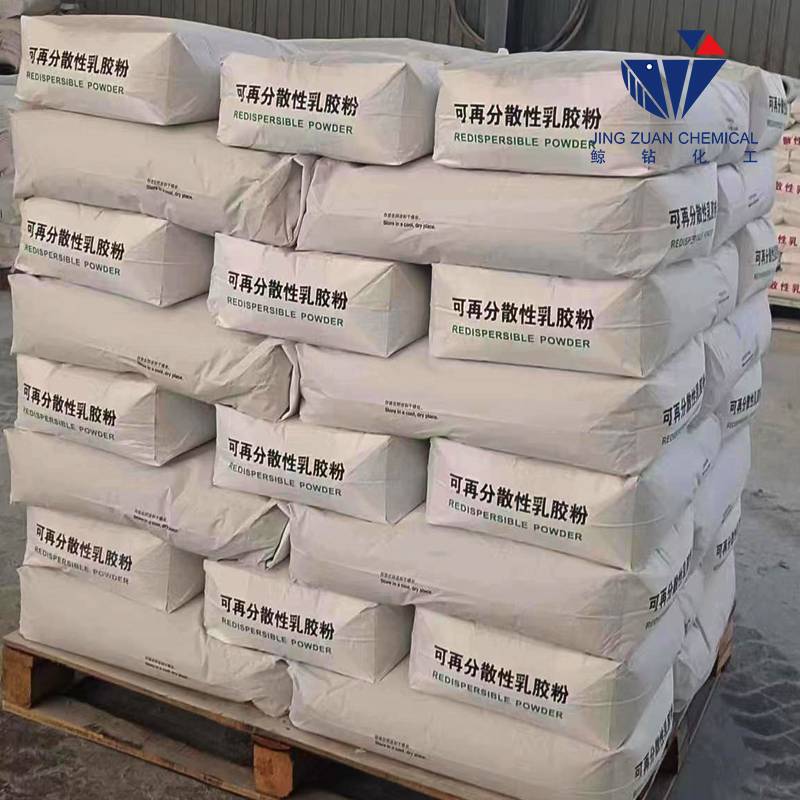
From 2011 to 2020, a technological pivot occurred. The introduction of Redispersible Polymer Powders (RPP) revolutionized the industry. Contractors began adopting rdp polymer to create tile adhesives and wall putties that could withstand the humid equatorial atmosphere.

Since 2021, the trend has moved toward "Green Chemistry." There is now a rigorous focus on low-VOC emissions and sustainable sourcing, integrating sophisticated vae powder to meet international building certifications and environmental standards.

Future Development Trends

Nano-Modification Integration

We predict the integration of nano-silica with existing polymers to create ultra-dense mortar structures that are completely impermeable to moisture.

Smart Rheology Control

The next 3-5 years will see a surge in "smart" cellulose ethers that adjust viscosity based on the ambient temperature of the construction site.

Eco-Friendly Hybrid Polymers

Shift toward bio-based latex bonding agent alternatives to reduce the carbon footprint of large-scale Ecuadorian infrastructure.

Industry Trends & Future Outlook

Strategic directions for specialized chemical products in the Ecuadorian market.

Climate-Adaptive Formulas
Developing additives that maintain workability in both the humid coast and the arid highlands of Ecuador.
Seismic-Resistant Bonding
Increasing the elasticity of mortars through specialized polymers to enhance structural integrity during tremors.
VOC Reduction Standards
Transitioning toward zero-emission chemical agents to comply with evolving Ecuadorian health regulations.
Rapid-Set Efficiency
Optimizing accelerators within the polymer matrix to reduce curing time for fast-track urban infrastructure.

Industry Outlook

Based on Google search trends for "construction additives" and "polymer mortars" in South America, there is a clear shift toward pre-mixed, high-performance bags. Ecuador's market is expected to grow as government-led infrastructure projects prioritize longevity and lower maintenance costs.

The future lies in the synergy between vae powder and bio-polymers, creating a new generation of "green mortars" that don't compromise on the aggressive bonding strength required for Andean terrains.

Localized Application Scenarios in Ecuador

Practical implementations of specialized chemicals across Ecuadorian construction sites.

01. Guayaquil Coastal Tile Installation

Using rdp polymer in tile adhesives to prevent debonding caused by extreme humidity and salt-air corrosion in coastal urban areas.

02. Quito High-Altitude Concrete Repair

Applying latex bonding agent for structural repairs in the Andes, where lower atmospheric pressure affects concrete curing rates.

03. Amazonian Rainforest Foundation Waterproofing

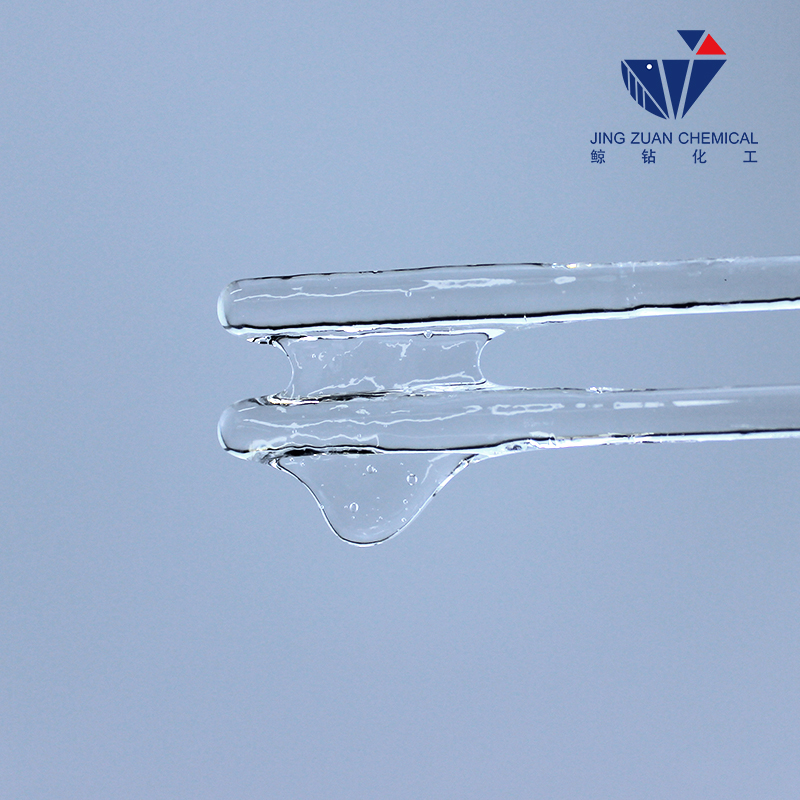
Incorporating hydroxyalkyl cellulose to maximize water retention in mortar, preventing premature drying in high-temperature jungle environments.

04. seismic Retrofitting in Urban Centers

Using vae powder modified mortars to provide the necessary flexibility and tensile strength for earthquake-resistant building reinforcements.

05. Industrial Flooring in Port Facilities

Implementing a high-strength mortar bonding agent to ensure seamless adhesion of industrial epoxy coatings on heavy-load warehouse floors.

Brand Story

Global Development Journey of Hebei Jingzuan Chemical Technology Co., Ltd.

Foundation and Vision

Established with a mission to solve the instability of construction mortars, we began by perfecting the synthesis of cellulose ethers for the domestic market.

Technological Breakthrough

We pioneered a proprietary method for producing high-purity RDP, significantly improving the adhesive strength of modified mortars globally.

Global Expansion

Expanding into South America, we tailored our formulas to match the specific climatic needs of regions like Ecuador and Brazil.

Quality Certification

Achieving international ISO and environmental certifications, ensuring that every batch of VAE powder meets global safety standards.

Future Sustainability

Leading the transition toward bio-based polymers to ensure a greener future for the global construction chemical industry.

Complete Product Portfolio for Ecuador

A comprehensive range of chemical additives designed for the diverse Ecuadorian environment.

Local FAQ for Ecuadorian Construction Chemicals

Addressing the most common technical queries from the local market.

How does hydroxyalkyl cellulose improve mortar in humid Guayaquil?

It acts as a water-retention agent, preventing the mortar from drying too quickly in heat, which reduces shrinkage and ensures a stronger chemical bond with the substrate.

What is the advantage of using rdp polymer for seismic areas?

RDP polymer increases the flexibility and impact resistance of the mortar, allowing it to absorb minor structural movements without cracking during seismic events.

Can vae powder be used for external wall insulation in Quito?

Yes, VAE powder improves adhesion and weather resistance, making it ideal for external thermal insulation systems (ETICS) in high-altitude cities.

Which mortar bonding agent is best for old concrete restoration?

A high-performance polymer-modified mortar bonding agent is recommended to ensure the chemical bridge between the old weathered concrete and new material is unbreakable.

How does a latex bonding agent differ from powder polymers?

Latex bonding agents are liquid emulsions that provide immediate flexibility and waterproofing, whereas powders are dry-mixed for convenience and long-term stability.

What is the recommended dosage of cellulose ethers for Andean mortars?

Dosage typically ranges from 0.1% to 0.5% by weight of cement, depending on the specific sand quality and desired open time in the Andean climate.

Get Technical Support for Your Project

Our engineers are ready to provide customized chemical formulations for your construction needs in Ecuador.

Contact Us Now

If you are interested in our products, you can choose to leave your information here, and we will be in touch with you shortly.