
High-Performance rdp polymer Solutions for Bolivia's Construction Sector

Advanced chemical additives engineered to enhance structural durability and adhesive strength across Bolivia's diverse climatic zones.

High-Performance rdp polymer Solutions for Bolivia's Construction Sector

Integrating cutting-edge polymer science with local building requirements to provide superior bonding, flexibility, and water resistance for Bolivian infrastructure.

Chemical Additives Landscape in Bolivia

Analyzing the intersection of geography and specialized chemical requirements in the Andean region.

Bolivia's construction industry faces unique challenges due to its extreme altitudinal variations, from the high Altiplano to the tropical lowlands. The use of a high-quality mortar bonding agent is critical here, as materials must withstand drastic temperature swings and high UV exposure without cracking.

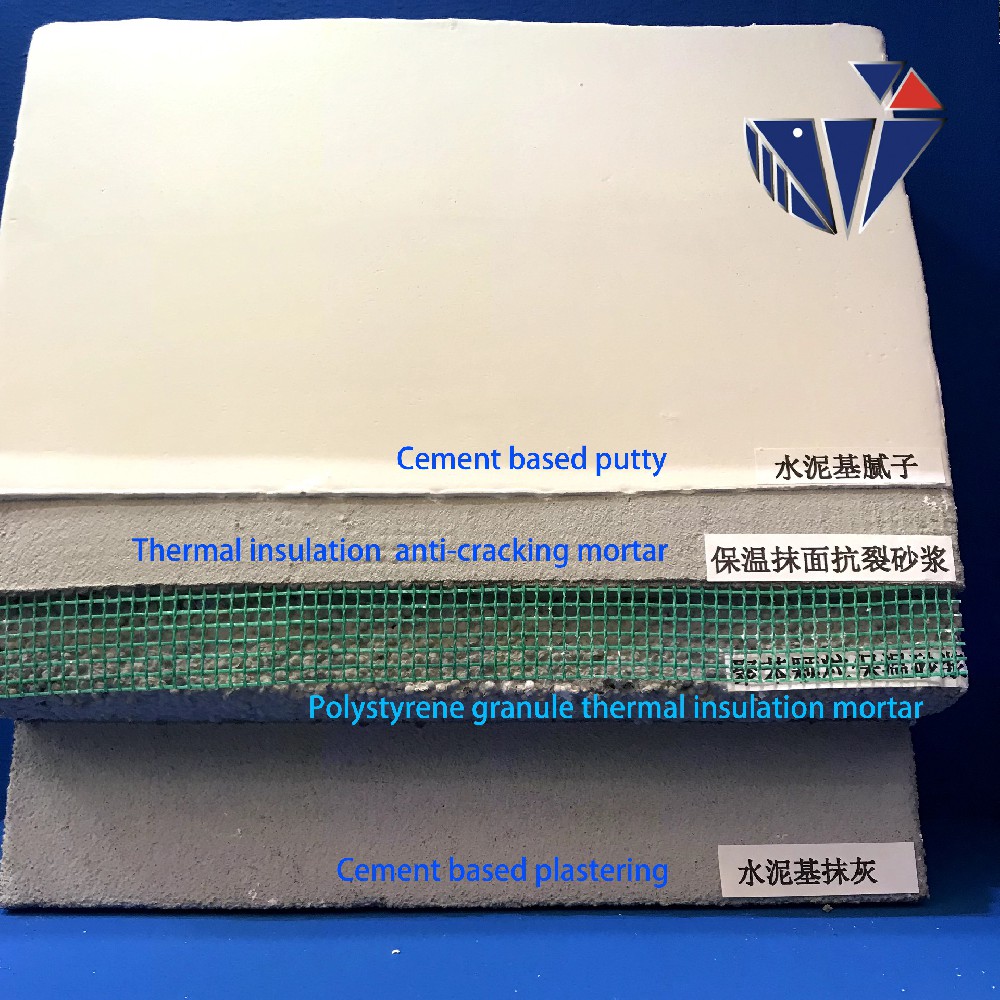
Currently, the market is transitioning from traditional lime-based mortars to modified polymer systems. The integration of vae powder has become essential for improving the flexibility and adhesion of external thermal insulation systems (ETICS) in cities like La Paz and Santa Cruz.

Furthermore, the demand for specialized water-retention agents like hydroxyalkyl cellulose is rising. This is driven by the need to prevent rapid dehydration of cementitious mixes in the arid highland regions, ensuring proper curing and long-term structural integrity.

Evolution of Specialized Chemicals in Bolivian Infrastructure

Tracing the technical trajectory from basic adhesives to smart polymer systems.

Market Development History

Prior to 2010, the Bolivian market relied heavily on basic cement and sand mixtures with minimal additives. The primary focus was on compressive strength, often ignoring the tensile flexibility required for seismic-prone Andean zones.

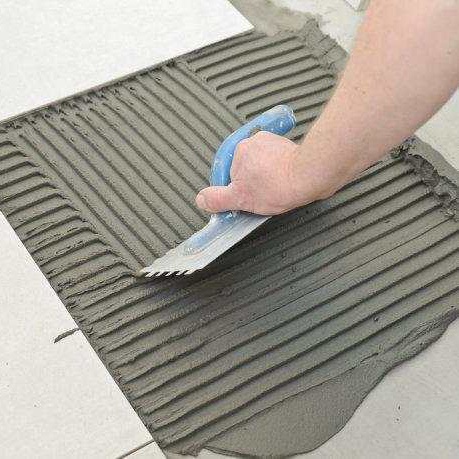
Between 2010 and 2020, there was a significant shift toward the adoption of redispersible powders. The introduction of latex bonding agent technology allowed contractors to create more durable tile adhesives and self-leveling compounds suitable for urban expansion.

From 2020 to the present, the industry has entered the "Precision Era," where synergistic blends of cellulose ethers and synthetic polymers are tailored specifically for the mineralogy of Bolivian sands and local cement types.

Future Development Trends

Eco-Friendly Polymer Synthesis

Expect a shift toward bio-based polymers that reduce the carbon footprint of construction while maintaining the high performance of traditional rdp polymer systems.

Climate-Adaptive Formulations

Development of "smart" additives that adjust their hydration rate based on ambient humidity, specifically targeting the stark contrast between the Amazonian basin and the Andes.

Nanoscale Modification

Integration of nano-silica and modified cellulose to create ultra-high-density mortar layers that prevent water ingress in high-rainfall tropical regions.

Industry Trends and Future Outlook

Predicting the trajectory of specialized chemical manufacturing for the South American market.

Sustainable Materiality
Growth in demand for VOC-free polymers and biodegradable cellulose agents to meet global green building standards.
Rapid Urbanization
Increased reliance on prefabricated components requiring high-strength chemical bonding for speed of assembly.
High-Altitude Engineering
Specialized additives that prevent early drying and freezing in Andean mountain construction.
Digital Formulation
Using AI-driven data to optimize polymer ratios based on real-time local weather sensors.

Industry Outlook

Google search trends in the region indicate a rising interest in "sustainable building materials" and "energy-efficient construction," suggesting that the future of specialized chemicals will be tied to thermal insulation and carbon reduction.

We anticipate a CAGR of 5.8% in the demand for polymer-modified mortars in Bolivia over the next 3-5 years, as the government pushes for modernized infrastructure in secondary cities.

Localized Application Scenarios in Bolivia

Practical implementation of specialized chemicals in diverse Bolivian environments.

1. High-Altitude Residential Plastering (La Paz)

Using hydroxyalkyl cellulose to ensure slow evaporation of water in the thin, dry air of the highlands, preventing shrinkage cracks in exterior walls.

2. Industrial Flooring in Santa Cruz

Application of rdp polymer in self-leveling compounds to provide the high abrasion resistance and flexibility needed for heavy industrial warehouses in the tropics.

3. Seismic-Resistant Mortars (Altiplano)

Integrating a high-performance mortar bonding agent to enhance the ductility of masonry, allowing buildings to absorb seismic energy without catastrophic failure.

4. External Thermal Insulation Systems (ETICS)

Utilizing vae powder to create lightweight, adhesive-rich base coats that bond securely to various substrates across changing temperatures.

5. Waterproofing Infrastructure (Amazon Basin)

Deploying latex bonding agent in concrete repairs and waterproofing layers to combat the extreme humidity and rainfall of the lowlands.

Brand Story

Global Development Journey of Hebei Jingzuan Chemical Technology Co., Ltd.

Foundational Excellence

Established with a mission to solve the most critical bonding failures in the construction industry through rigorous R&D in polymer chemistry.

Technological Breakthrough

Developed proprietary synthesis methods for high-purity cellulose ethers, significantly improving the open-time of mortars globally.

Global Expansion

Expanded operations to South America, tailoring chemical formulations to meet the specific mineralogical and climatic needs of the Andean region.

Quality Standardization

Achieved international certifications, ensuring that every batch of polymer powder meets strict E-E-A-T industry standards for reliability.

Future Vision

Committed to leading the transition toward green chemistry, reducing the environmental impact of the global built environment.

Complete Chemical Portfolio for the Bolivian Market

A comprehensive range of specialized additives designed for maximum performance in diverse climates.

Common Questions for Construction Chemicals in Bolivia

Expert answers to technical challenges faced by local engineers and contractors.

How does hydroxyalkyl cellulose improve mortar performance in the Altiplano?

It acts as a water-retention agent, preventing the rapid drying caused by low humidity and high altitude, which ensures the cement hydrates fully and avoids shrinkage cracks.

What is the advantage of using rdp polymer over traditional adhesives?

RDP polymers provide superior flexibility, improved adhesion to non-porous substrates, and significantly higher tensile strength, which is vital for seismic stability.

Can vae powder be used for external insulation in tropical climates?

Yes, VAE powder is ideal for tropical areas like Santa Cruz as it provides excellent water resistance and flexibility, preventing the insulation layer from peeling due to thermal expansion.

How do I choose the right mortar bonding agent for high-traffic flooring?

Look for agents with high polymer content that enhance the compressive and flexural strength of the mortar, ensuring the floor does not crack under heavy loads.

Is latex bonding agent compatible with all types of Bolivian cement?

Generally yes, but we recommend a compatibility test. Our latex agents are formulated to work with standard Portland cements commonly used throughout Bolivia.

What is the shelf life of redispersible polymer powders in humid regions?

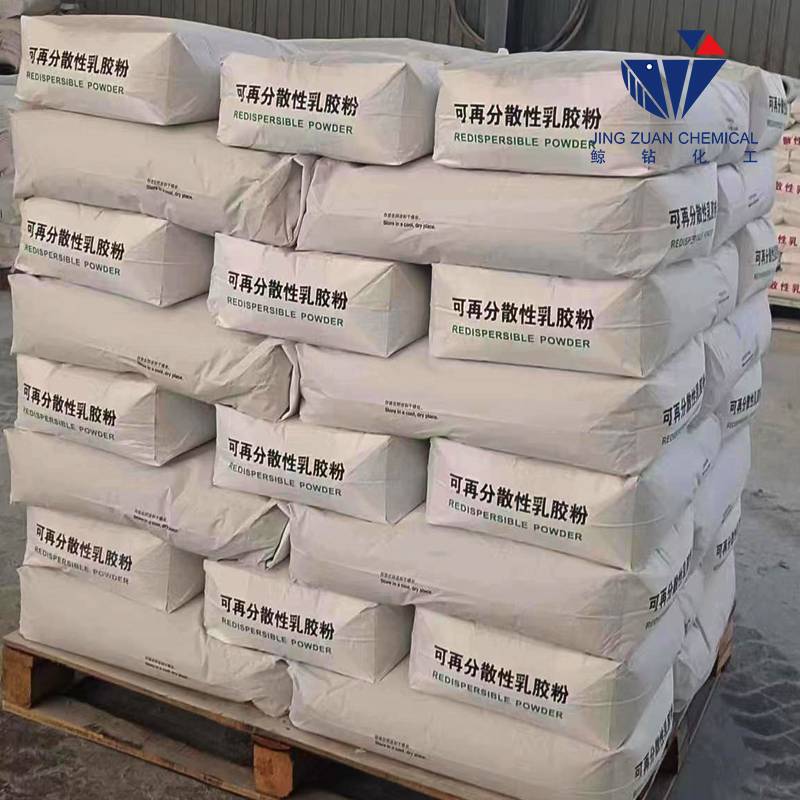
When stored in original moisture-proof packaging in a cool, dry place, our powders typically maintain full efficacy for 12-24 months.

Request Your Technical Consultation

Our engineers are ready to optimize your chemical formulations for the specific environmental challenges of Bolivia.

Contact Us Now

If you are interested in our products, you can choose to leave your information here, and we will be in touch with you shortly.