
High-Performance rdp polymer Solutions for Venezuela's Construction Industry

Engineered specialty chemicals designed to withstand the tropical humidity and seismic challenges of the Venezuelan architectural landscape.

High-Performance rdp polymer Solutions for Venezuela's Construction Industry

Providing cutting-edge chemical additives including hydroxyalkyl cellulose and advanced polymers to enhance the structural integrity of mortar and adhesives across Venezuela.

Chemical Construction Landscape in Venezuela

Analyzing the impact of tropical climates and economic shifts on specialty chemical demand.

Venezuela's construction sector faces unique challenges due to its extreme tropical humidity and high temperature fluctuations. The demand for a high-quality mortar bonding agent has surged as local contractors seek to reduce cracking and peeling in facades exposed to heavy equatorial rainfall.

Economic volatility has led to a shift toward cost-effective yet durable materials. The integration of vae powder has become essential for local manufacturers to produce flexible, lightweight renders that can withstand the regional seismic activity prevalent in the Andean and coastal zones.

Currently, the market is transitioning from basic cementitious mixes to engineered specialty mortars. The adoption of latex bonding agent is increasing specifically in urban restoration projects in Caracas and Valencia, where adhesion to old concrete substrates is critical.

Evolution of Specialty Chemical Additives in Venezuela

From traditional lime-based mortars to advanced polymer-modified systems.

Market Development History

In the early 2000s, the Venezuelan market relied heavily on traditional Portland cement and lime. Bonding was largely mechanical, leading to frequent debonding in high-humidity environments.

Between 2010 and 2018, there was a significant shift toward the introduction of synthetic thickeners. The use of hydroxyalkyl cellulose began to replace starch-based additives, providing superior water retention and open-time for masonry work.

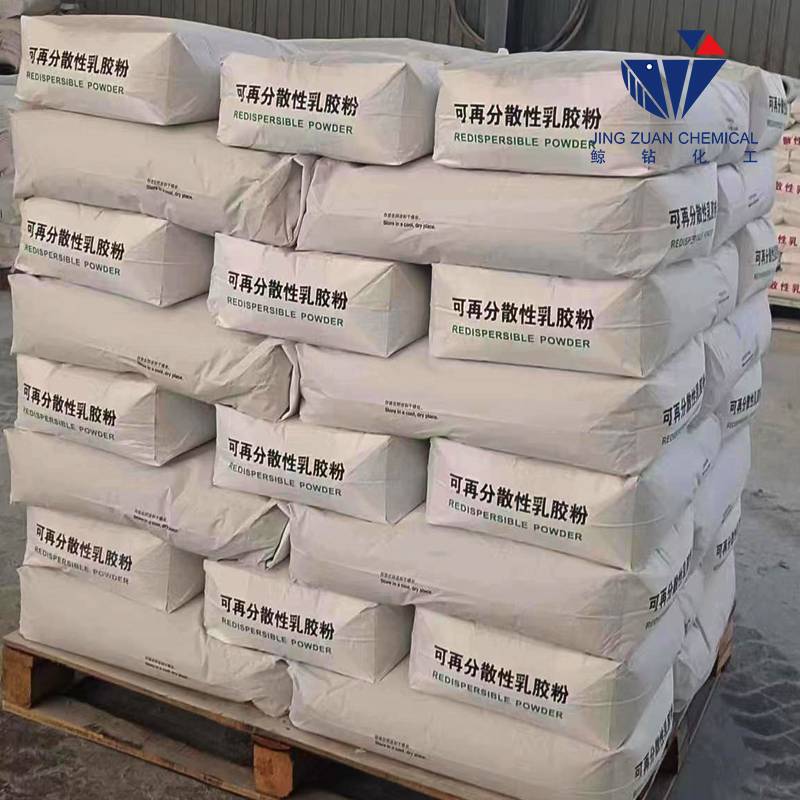
From 2019 to the present, the focus has shifted to "Polymer Modification." The widespread adoption of redispersible powders has allowed for the creation of high-flexibility mortars that accommodate the thermal expansion common in South American climates.

Future Development Trends

Eco-Friendly Binding Systems

A move toward low-VOC and bio-based polymers to meet emerging international green building standards in Venezuelan luxury developments.

Hyper-Adhesive Formulations

Increased reliance on synergistic blends of RDP and specialized cellulose to ensure zero-sag application on vertical surfaces.

Climate-Adaptive Chemistry

Development of chemicals specifically calibrated for the saline air of the Caribbean coast to prevent efflorescence and corrosion.

Industry Trends and Future Outlook

Projecting the trajectory of specialty chemical applications in the Venezuelan market.

Polymer Integration
Transitioning toward higher concentrations of RDP to ensure structural flexibility in seismic zones.
Water Retention Tech
Optimizing cellulose ether grades to prevent rapid dehydration in scorching tropical heat.
Rapid-Set Systems
Demand for faster curing times in urban infrastructure repair to minimize traffic disruption.
Hybrid Binder Tech
Blending VAE and RDP polymers to achieve optimal cost-to-performance ratios for mass housing.

Industry Outlook

Based on regional search trends, there is a growing interest in "self-leveling" and "waterproof" additives in Venezuela. This indicates a shift toward specialized interior finishing and heavy-duty industrial flooring.

We predict that the next 3-5 years will see a 20% increase in the adoption of high-grade vae powder as the government initiates urban renewal projects aimed at improving residential durability.

Localized Application Scenarios in Venezuela

Real-world implementation of specialty chemicals in South American environments.

1. Coastal Facade Rendering in La Guaira

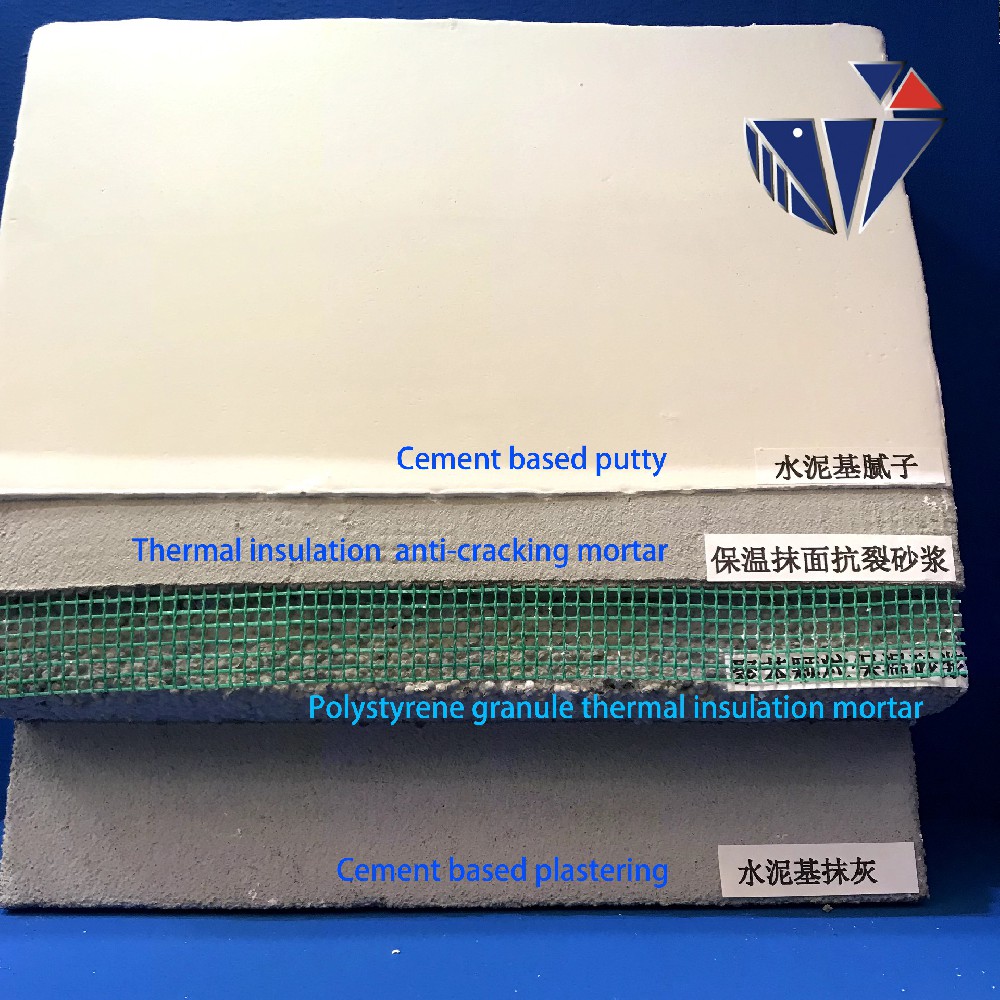
Using a combination of RDP and cellulose to create salt-resistant exterior renders that prevent peeling caused by the humid, salty Caribbean breeze.

2. High-Rise Apartment Tiling in Caracas

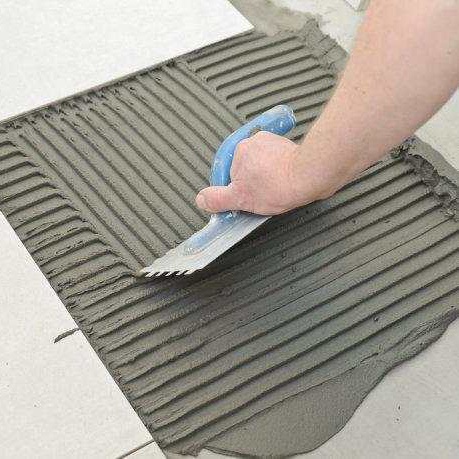
Applying advanced mortar bonding agent to ensure heavy porcelain tiles adhere permanently to concrete slabs despite building vibrations.

3. Industrial Floor Coating in Valencia

Implementing latex bonding agent in automotive plant floors to provide a seamless, high-impact resistant surface.

4. Residential Wall Plastering in Maracaibo

Integrating hydroxyalkyl cellulose to slow down water evaporation in the extreme heat of Zulia state, preventing shrinkage cracks.

5. Infrastructure Bridge Repair in the Andes

Utilizing high-flexibility polymer modifiers to repair bridge joints that undergo significant thermal expansion and contraction.

Brand Story

Global Development Process of Hebei Jingzuan Chemical Technology Co., Ltd.

Foundation of Excellence

Established with a mission to solve the inherent instability of dry-mix mortars through precision chemical engineering.

R&D Breakthroughs

Developed proprietary synthesis methods for high-purity cellulose ethers, significantly improving water retention for tropical climates.

Global Expansion

Expanded logistics and technical support to South America, focusing on the specific geological needs of Venezuela.

Quality Certification

Achieved international ISO standards, ensuring every batch of RDP and VAE meets stringent global construction codes.

Sustainable Future

Investing in biodegradable chemical additives to lead the industry toward a greener, more sustainable construction future.

Comprehensive Chemical Portfolio for Venezuela

A curated selection of additives designed for South American construction standards.

Frequently Asked Questions in Venezuela

Technical guidance for local contractors and chemical distributors.

How does hydroxyalkyl cellulose improve mortar in hot climates like Maracaibo?

It acts as a water-retention agent, preventing the mortar from drying too quickly under intense heat, which ensures complete hydration of the cement and eliminates shrinkage cracks.

What is the difference between vae powder and rdp polymer for wall adhesives?

While both improve flexibility, VAE powder is often more cost-effective for general purpose renders, whereas RDP polymer provides superior bond strength and water resistance for high-stress areas.

Can a mortar bonding agent prevent debonding in seismic zones?

Yes, by introducing elasticity into the cement matrix, a high-quality bonding agent allows the material to absorb micro-movements without fracturing the adhesive bond.

How should I store latex bonding agent in humid Venezuelan warehouses?

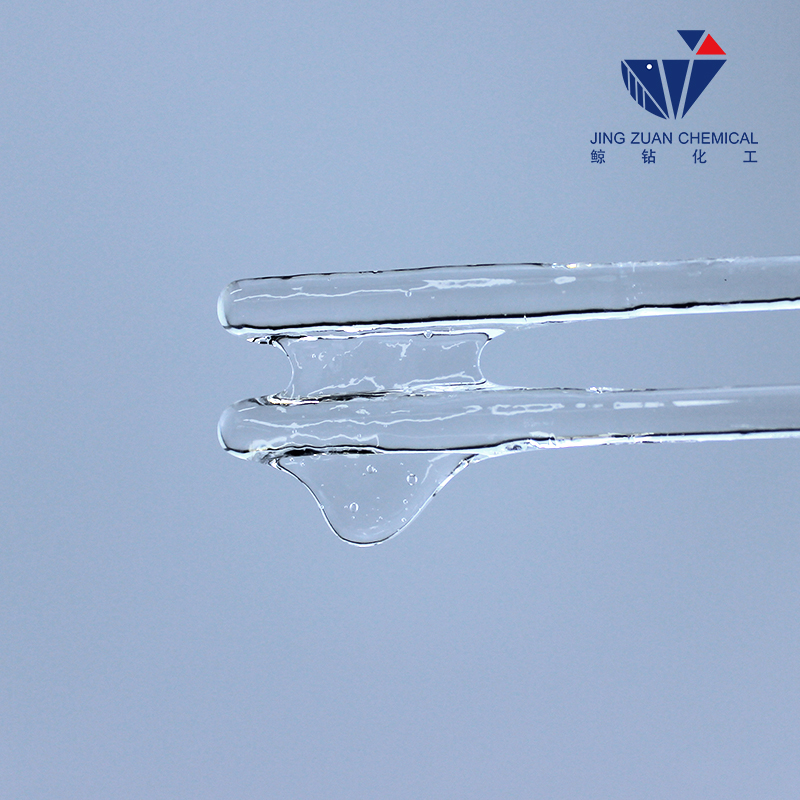
It should be stored in cool, dry environments away from direct sunlight to prevent premature coagulation and maintain the stability of the polymer emulsion.

Which additive is best for repairing old concrete in Caracas?

A blend of RDP polymer and a specialized latex bonding agent is recommended to ensure a strong chemical bond between the new repair mortar and the aged concrete substrate.

Does adding cellulose ether affect the setting time of the cement?

It primarily affects the open time and workability. By controlling water release, it provides a longer window for application without significantly delaying the final structural cure.

Get Expert Chemical Consultation

Ready to optimize your construction formulas? Our technical team is available to support your business in Venezuela.

Contact Us Now

If you are interested in our products, you can choose to leave your information here, and we will be in touch with you shortly.