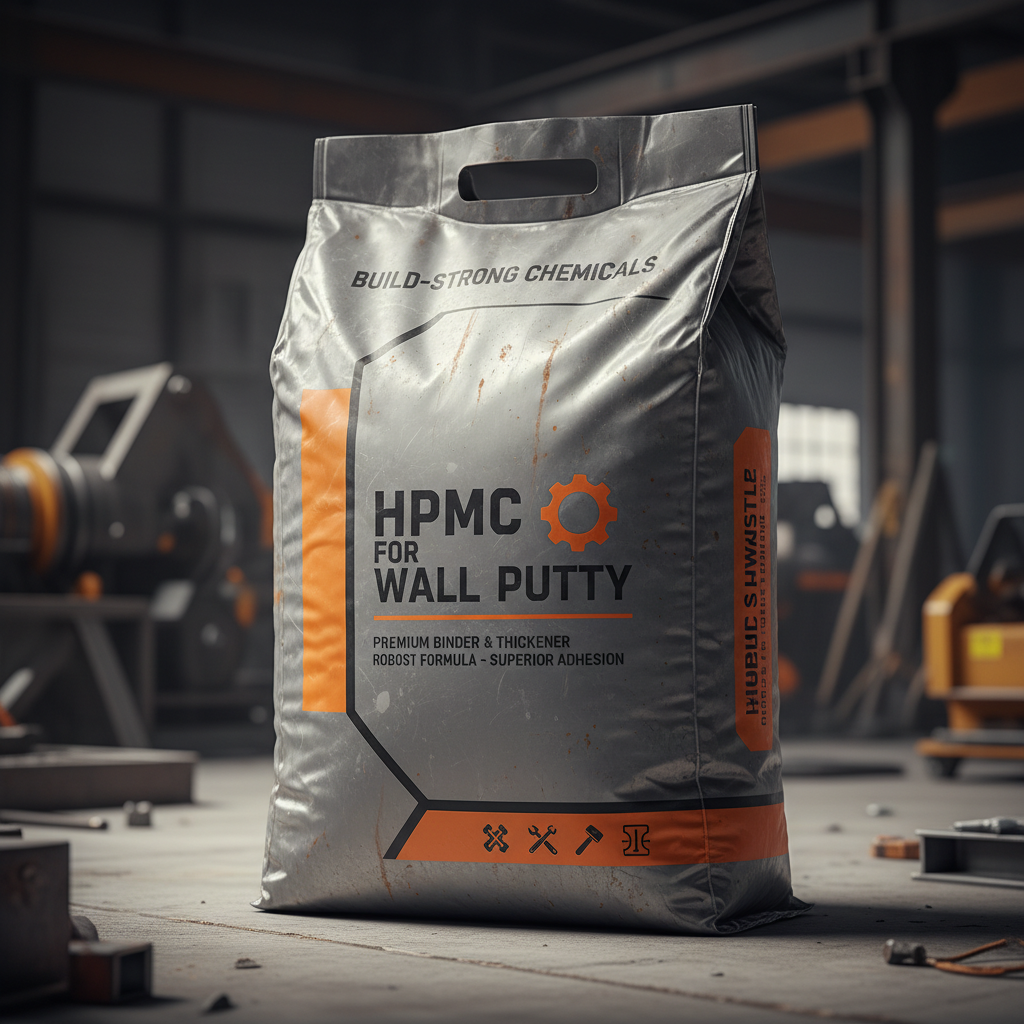

Methyl Hydroxyethyl Cellulose (HEC) serves as a critical thickening and stabilizing agent in a vast array of construction materials. For professionals in the building sector, identifying reliable methyl hydroxyethyl cellulose manufacturers is essential to ensure the structural integrity and longevity of mortars and adhesives. This article explores the technical benchmarks for HEC production and how to evaluate suppliers based on industrial standards.
In the context of External Insulation and Finish Systems (EIFS), the role of cellulose ethers is paramount. They manage water retention and improve the workability of base plastering and surface leveling layers. When sourcing these chemical additives, procurement officers must look beyond price and focus on the stability of the molecular structure, which directly impacts the anti-cracking ability and bonding strength of the final construction layer.
Readers will learn the specific criteria for auditing a production facility, the importance of German-engineered production lines in ensuring batch consistency, and the technical parameters that define a high-grade HEC product. By understanding these factors, businesses can mitigate procurement risks and optimize the performance of their construction chemical formulations.
Industrial Role of HEC in Modern Construction
Hydroxyethyl cellulose is a non-ionic cellulose ether derived from refined cotton. Its primary function in the construction industry is to act as a water-retaining agent. In cementitious mixtures, HEC prevents the rapid evaporation of water, which is critical for the proper hydration of cement. Without sufficient water retention, mortar tends to shrink and crack, leading to structural failures in the exterior cladding. The chemical structure of methyl hydroxyethyl cellulose manufacturers focuses on achieving a balance of hydroxyethyl and methyl groups to ensure solubility and stability across various pH levels. In EIFS projects, HEC is often paired with VAE (Vinyl Acetate Ethylene) to enhance the flexibility and adhesion of the mortar. This synergy ensures that the insulation layers remain securely bonded to the substrate even under thermal expansion and contraction. Furthermore, the use of high-purity cellulose ethers reduces the amount of additive required to reach the desired viscosity, thereby optimizing the overall cost of the mortar formulation without sacrificing performance.
Selecting the Right HEC Production Partner
Choosing a supplier for specialty chemicals requires a deep dive into their manufacturing capabilities and quality control systems. A professional partner does not merely sell a product but provides a chemical solution tailored to a specific application. To ensure long-term stability in your supply chain, consider the following seven critical evaluation dimensions.
Evaluating Manufacturing Capacity
Annual capacity is a primary indicator of a supplier's ability to handle large-scale projects without compromising lead times. A manufacturer with a combined capacity for HPMC, HEC, and HEMC—such as those operating 60,000-ton lines—can offer better price stability and consistent volume. Scaling capacity through investment in modern technology ensures that the facility can meet sudden market demands without sacrificing quality.
| Capacity Metric | Industrial Impact | Buyer Check | Risk of Low Capacity |
|---|---|---|---|
| Annual Tonnage | Price Stability | Verify Total Output | Supply Shortages |
| Production Lines | Product Range | Number of Reaction Kettles | Limited Versatility |
| Storage Volume | Buffer Stock | Warehouse Square Footage | Delivery Delays |
| Raw Material Flow | Consistency | Cotton Intake Volume | Batch Variation |
| Automation Level | Human Error Reduction | Central Control Room | Quality Fluctuation |
| Export Volume | Market Validation | Global Shipping History | Lack of Standards |
Technical Purity and Viscosity Control
Viscosity is the most critical parameter for HEC. A high-quality producer utilizes advanced laboratory equipment to test liquid transmittance, purity, and water retention for every batch. Ensuring that the viscosity remains stable across different lots prevents the "batch-to-batch" variation that often plagues lower-tier producers, which can cause unpredictable thickening in the final mortar mix.
Raw Material Sourcing and Stability
The quality of the refined cotton used as the base material determines the purity of the final cellulose ether. Leading producers implement strict raw material checks, consuming tens of thousands of tons of refined cotton annually. A transparent process, including dedicated cotton storage and crushing stages, ensures that no impurities enter the reaction kettles, maintaining a high standard of transparency and purity.
Compliance and Quality Certifications
ISO 9001 and CE certifications are not just badges but evidence of a structured quality management system. Professional manufacturers should welcome third-party testing to verify their specifications. This external validation is crucial for B2B buyers who must comply with strict regional building codes and environmental safety standards in their respective markets.
Customization for EIFS Applications
Not all HEC is created equal; different viscosity grades are required for base coats versus surface putties. A capable supplier provides specific formulas that improve the anti-cracking ability and bonding strength of EIFS layers. The ability to provide free samples for different batches allows buyers to verify quality stability before committing to bulk orders.
Lead Time and Supply Chain Logistics
Location and infrastructure play a significant role in delivery efficiency. Facilities located near major ports (e.g., within 300km of Tianjin) can significantly reduce transit times. Furthermore, having a full set of water treatment and gas recycling systems ensures that production is not interrupted by environmental inspections, guaranteeing a stable lead time.
Post-Purchase Technical Support
The transition from a raw chemical to a finished construction product requires expertise. A top-tier supplier employs application engineers who can provide chemical solutions and guidance on how to integrate HEC with other additives like RDP. This technical partnership helps buyers maximize the competitive edge of their final products in the construction market.
FAQ
What is the main difference between HPMC and HEC in construction?
While both are cellulose ethers, HEC (Hydroxyethyl Cellulose) is non-ionic, making it more compatible with a wider range of surfactants and stable in various ionic environments. HPMC (Hydroxypropyl Methyl Cellulose) is often used for its superior thermal gelation properties. In EIFS, HEC is frequently selected when high stability and specific water-retention profiles are required for the adhesive layers.
How does HEC improve the performance of EIFS mortar?
HEC improves mortar performance by enhancing water retention, which prevents the mortar from drying too quickly and cracking. It also increases the viscosity of the mixture, improving the "sag resistance" of the plaster on vertical walls and increasing the bonding strength between the insulation board and the substrate.
What should I check when auditing a chemical manufacturer's lab?
You should verify if the lab can test for purity, viscosity, liquid transmittance rate, and water retention. It is also important to check if the manufacturer keeps retained samples for each batch before delivery, as this allows for retrospective analysis if any quality issues arise during the application phase.
Can HEC be used in all types of wall putty?
Yes, HEC is widely used in both interior and exterior wall putties. It provides the necessary slip for easier application and prevents the putty from cracking during the drying process. However, the specific grade and viscosity must be chosen based on the putty's intended thickness and the environmental conditions of the project.
Why is German technology often mentioned in cellulose ether production?
German engineering in this field typically refers to high-precision reaction kettles and automated control systems. This technology allows for tighter control over the etherification process, resulting in a more uniform molecular weight distribution and higher batch-to-batch consistency, which is vital for industrial-scale construction projects.
What are the risks of choosing a low-cost, uncertified supplier?
The primary risks include unstable viscosity and low purity, which can lead to mortar failure, poor adhesion, and premature cracking in the building facade. Furthermore, suppliers without proper water treatment systems are at a higher risk of production shutdowns due to environmental inspections, potentially disrupting your entire project timeline.
References and further reading
- ASTM International Standards for Cellulose Ethers in Construction Mortars.
- Technical Data Sheets on Hydroxyethyl Cellulose Solubility and Viscosity.
- ISO 9001:2015 Quality Management Systems Requirements.
Related Articles