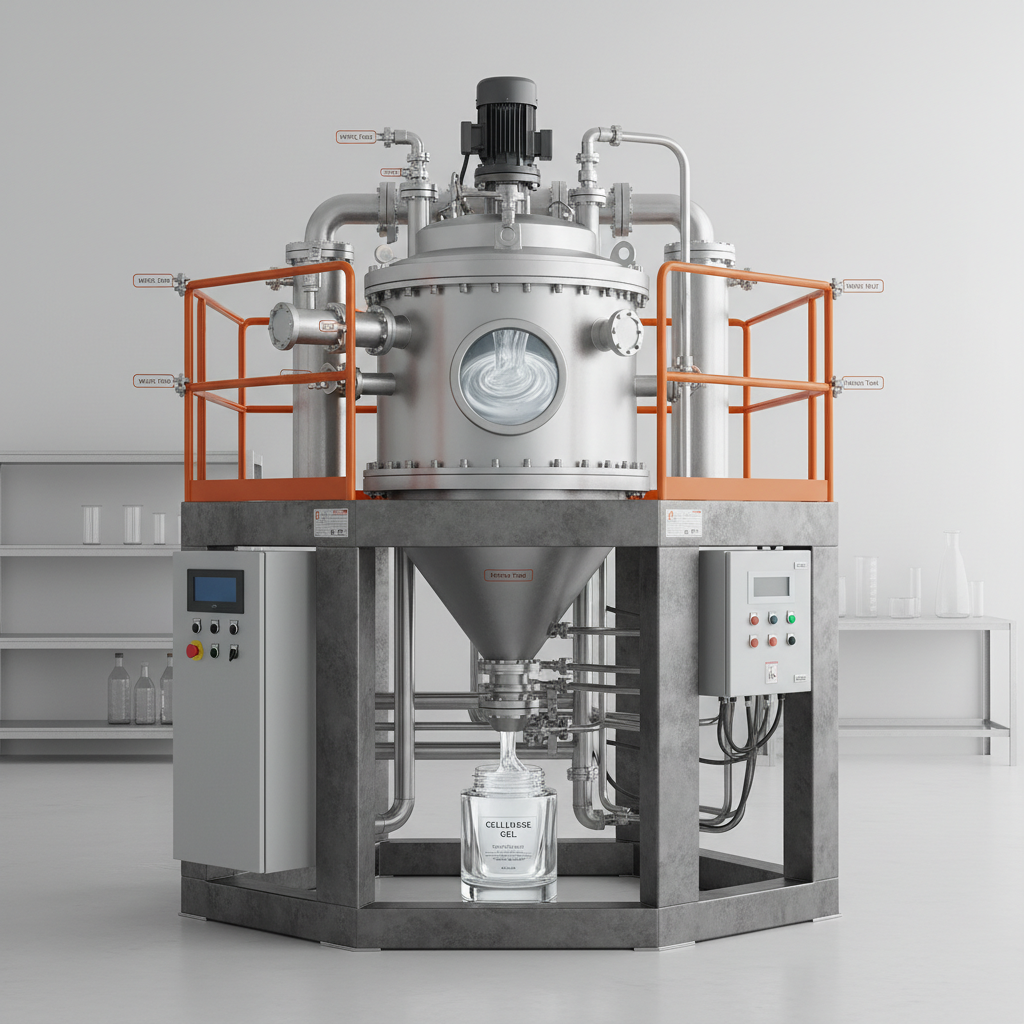
Understanding the various hpmc types is essential for professionals in the construction, pharmaceutical, and personal care industries. Hydroxypropyl Methylcellulose (HPMC) serves as a versatile polymer that provides critical rheological control, water retention, and stability to a wide array of formulations, making it a cornerstone of modern material science.
Across the globe, the demand for specialized cellulose ethers has surged as industries shift toward sustainable and high-performance additives. By selecting the correct grade among the different , manufacturers can significantly enhance the workability of mortars, the controlled release of drugs, and the texture of cosmetic creams, ensuring that the final product meets stringent international quality standards.
Whether you are optimizing a dry-mix mortar for high-temperature climates or developing a sophisticated pharmaceutical coating, the nuance between various can be the difference between product failure and market success. This guide provides a comprehensive deep dive into these variations to help you make data-driven procurement and formulation decisions.
Global Industry Context of HPMC Types
On a global scale, the classification of hpmc types is driven by the rigorous demands of the ISO and ASTM standards. In the construction sector, particularly in rapidly urbanizing regions of Asia and Africa, the use of specialized HPMC grades is critical for preventing shrinkage cracks in cementitious materials. Market data suggests that the integration of high-viscosity HPMC types has increased efficiency in tile adhesives by nearly 20%, reducing waste and labor costs.
However, a recurring challenge in the global supply chain is the inconsistency between generic grades and application-specific needs. Many manufacturers struggle with "batch-to-batch" variability, which can lead to catastrophic failures in structural adhesives or pharmaceutical instability. This underscores the necessity of understanding the specific chemical modifications that distinguish one grade from another to ensure reliability in diverse environmental conditions.
Technical Definition and Chemical Nature
At its core, hpmc types refer to the various grades of Hydroxypropyl Methylcellulose, a non-ionic cellulose ether derived from natural polymer cellulose. Through a process of etherification, the hydroxyl groups of the cellulose chain are replaced by methoxyl and hydroxypropyl groups. The specific ratio and distribution of these substitutions define the solubility, viscosity, and thermal gelation properties of the resulting product.
The technical significance of these variations lies in their ability to interact with water. Depending on the substitution degree, some HPMC types are designed for cold-water solubility, while others exhibit a unique thermal gelation property—meaning they form a gel when heated. This characteristic is indispensable in the pharmaceutical industry for creating controlled-release drug delivery systems that react to body temperature.
In the context of modern industrial needs, HPMC is more than just a thickener; it is a functional additive. Its ability to act as a binder, stabilizer, and lubricant allows it to bridge the gap between raw chemical components and high-performance end products, ensuring that materials remain stable under extreme pressure or varying humidity.
Core Components Affecting Performance
The performance of different hpmc types is primarily dictated by Viscosity Grade. Viscosity determines the "thickness" of the solution and directly impacts the open time of mortars or the pourability of liquid detergents. Low-viscosity types are often used in coatings, while high-viscosity types are essential for heavy-duty construction adhesives.
Another critical component is the Degree of Substitution (DS). The balance between methoxyl and hydroxypropyl groups influences the chemical stability and solubility of the . A higher substitution typically results in better stability against enzymatic degradation, which is a vital requirement for food-grade or pharmaceutical-grade applications where longevity is key.
Finally, Purity and Particle Size play a major role in dissolution speed. In industrial settings, "instant" HPMC types with optimized particle distributions are preferred to avoid the formation of lumps (fish-eyes) during mixing. This ensures a homogeneous mixture, which is essential for maintaining the structural integrity of the final chemical product.
Global Applications and Use Cases
The versatility of hpmc types allows them to be deployed in diverse real-world contexts. In the construction industry, HPMC is widely used in EIFS (Exterior Insulation and Finish Systems) across Europe and North America to enhance water retention, preventing the premature drying of cement and reducing the risk of cracking. In remote industrial zones, where water quality varies, high-tolerance HPMC grades ensure that mortars remain workable despite high mineral content in local water sources.
Beyond construction, the pharmaceutical sector utilizes specific HPMC types as capsule shells and tablet binders. These are designed to be biocompatible and biodegradable, facilitating the precise release of active ingredients within the human digestive tract. Similarly, in the cosmetics industry, HPMC provides the smooth, non-sticky texture found in high-end lotions and eye drops, ensuring a premium user experience.
Comparative Performance of HPMC Types by Application
Long-Term Value and Economic Advantages
Investing in the correct hpmc types offers significant tangible benefits in terms of cost efficiency and sustainability. By optimizing water retention, HPMC reduces the need for frequent re-wetting of surfaces, which speeds up construction timelines and lowers labor costs. Furthermore, its ability to improve the strength of the final bond means fewer material replacements over the lifecycle of a building, contributing to a lower overall carbon footprint.
From an emotional and psychological perspective, the reliability of these chemical additives builds trust between contractors and clients. Knowing that a structure is built with high-grade polymers provides a sense of safety and durability. In the pharmaceutical realm, the precision of HPMC-based delivery systems ensures patient dignity through fewer side effects and more consistent medication dosing, illustrating that the value of chemical innovation extends far beyond the balance sheet.
Future Trends in Cellulose Innovation
The evolution of hpmc types is currently moving toward "green chemistry" and bio-based synthesis. Researchers are exploring ways to derive cellulose from agricultural waste rather than traditional wood pulp, aligning the production of HPMC with circular economy principles. This shift not only reduces the environmental impact of chemical manufacturing but also lowers the volatility of raw material costs.
Digital transformation is also playing a role through the use of AI-driven formulation. By using machine learning, chemists can now predict how different will behave in complex mixtures before ever entering the lab. This acceleration of the R&D cycle allows for the creation of "smart" polymers that can react to environmental triggers, such as humidity-responsive coatings that seal cracks automatically.
Automation in production is further ensuring that the precision of substitution levels is maintained with micron-level accuracy. As we move toward Industry 4.0, the ability to customize HPMC grades for niche applications—such as 3D concrete printing—will open new frontiers in architecture and additive manufacturing.
Challenges and Expert Solutions
Despite their advantages, some hpmc types face challenges regarding compatibility with other additives. For instance, the interaction between certain anionic surfactants and non-ionic HPMC can lead to phase separation in liquid formulations. To overcome this, experts recommend the use of synergistic blends or the introduction of stabilization agents that bridge the chemical gap between conflicting components.
Another common limitation is the "clumping" effect during high-speed mixing. This is often a result of the polymer hydrating too quickly on the surface of the powder. The industry solution has been the development of "pre-dispersed" HPMC or modified particle morphologies that allow water to penetrate the core of the granule more uniformly, ensuring a smooth, lump-free solution every time.
Lastly, the challenge of environmental regulation—specifically regarding the chemicals used during etherification—requires a shift toward cleaner solvents. Leading manufacturers are now implementing closed-loop recovery systems to recapture solvents, ensuring that the production of high-performance does not come at the cost of ecological health.
Comparison Analysis of HPMC Types Across Industrial Dimensions
|
Grade Category
|
Viscosity Range (mPa.s)
|
Primary Function
|
Application Suitability
|
| Construction-Low |
5,000 - 20,000 |
Water Retention |
Wall Putty / Plasters |
| Construction-High |
100,000 - 200,000 |
Sag Resistance |
Tile Adhesive / Grout |
| Pharma-Pure |
10,000 - 50,000 |
Controlled Release |
Capsules / Tablets |
| Cosmetic-Smooth |
2,000 - 15,000 |
Texture Modification |
Lotions / Gels |
| Food-Grade |
15,000 - 60,000 |
Emulsification |
Dairy / Bakery |
| Specialty-Industrial |
40,000 - 120,000 |
Rheology Control |
Paints / Detergents |
FAQS
For tile adhesives, you should prioritize high-viscosity (typically 100,000-200,000 mPa.s). This ensures superior sag resistance, meaning the tiles stay in place on vertical surfaces without sliding. Additionally, look for grades with high water-retention capabilities to prevent the adhesive from drying too quickly, which ensures a stronger bond between the substrate and the tile.
While technically possible due to their similar chemical structure, it is not economically viable. Pharmaceutical-grade undergo rigorous purification and testing to meet FDA or EMA standards, making them significantly more expensive than construction grades. For building materials, industrial construction grades provide the same functional benefits at a fraction of the cost.
Lumping, or "fish-eyes," occurs when the outer layer of HPMC powder hydrates instantly, creating a waterproof barrier that prevents water from reaching the dry core of the granule. To solve this, you can use specific designed for faster dispersion, or employ a high-shear mixer. Alternatively, pre-mixing the HPMC with other dry powders before adding water can help distribute the particles more evenly.
One of the most unique properties of certain is thermal gelation. Unlike many polymers, HPMC can form a gel as the temperature increases. This is critical in pharmaceutical applications for temperature-sensitive drug release. In construction, temperature affects the hydration rate; therefore, in hot climates, you may need HPMC grades with enhanced water retention to keep the mixture workable for longer.
Yes, HPMC is derived from cellulose, which is the most abundant natural polymer on Earth. It is biodegradable and non-toxic. Modern manufacturers are further improving the sustainability of various by utilizing waste cellulose from the forestry industry and reducing the use of volatile organic compounds (VOCs) during the production process, making it a preferred choice for "green building" certifications.
While both are cellulose ethers, HPMC (Hydroxypropyl Methylcellulose) contains both methoxyl and hydroxypropyl groups, giving it unique thermal gelation properties and better compatibility with a wider range of surfactants. HEC (Hydroxyethyl Cellulose) is generally used more as a thickener in paints and coatings due to its excellent stability and clarity in aqueous solutions, but it lacks the specific gelation characteristics of .
Conclusion
Navigating the complexities of hpmc types is a critical step in ensuring product quality across the construction, pharmaceutical, and cosmetic sectors. From the selection of the correct viscosity grade to understanding the impact of the degree of substitution, every technical detail contributes to the stability, durability, and efficiency of the final application. By leveraging the right grade of HPMC, manufacturers can achieve a perfect balance between workability and performance, reducing waste and increasing long-term value.
As the industry moves toward greener chemistry and AI-driven formulations, the importance of choosing specialized, high-purity HPMC grades will only grow. We recommend that formulators conduct rigorous pilot tests to match specific to their environmental conditions and application needs. For high-quality, reliable cellulose ether solutions tailored to your industry, visit our website: www.cnjzchemical.com.