Maintaining structural integrity in Exterior Insulation and Finish Systems (EIFS) depends heavily on the chemical synergy between the mortar and its additives. A critical failure point in many projects is the loss of water retention during the curing process, which leads to premature drying and devastating shrinkage cracks.
To combat these challenges, the industry has shifted toward high-performance cellulose ethers. Specifically, the integration of china hpmc-hydroxypropyl methyl cellulose has become a standard for improving the workability and bonding strength of everything from base plastering to final outer wall putties.
By understanding the technical interaction between HPMC and other redispersible polymer powders, construction engineers can significantly extend the lifespan of building envelopes. This analysis explores the functional mechanics of these additives and how to evaluate quality for large-scale procurement.


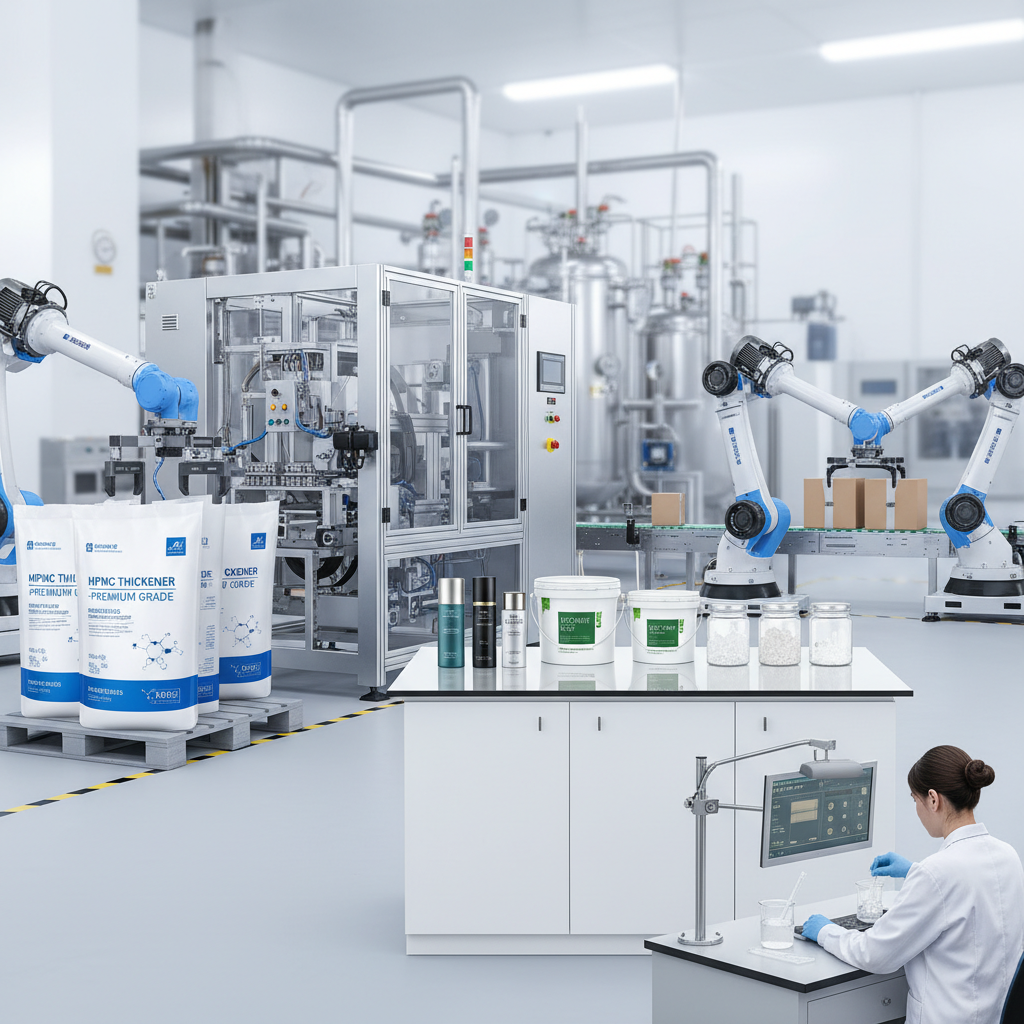
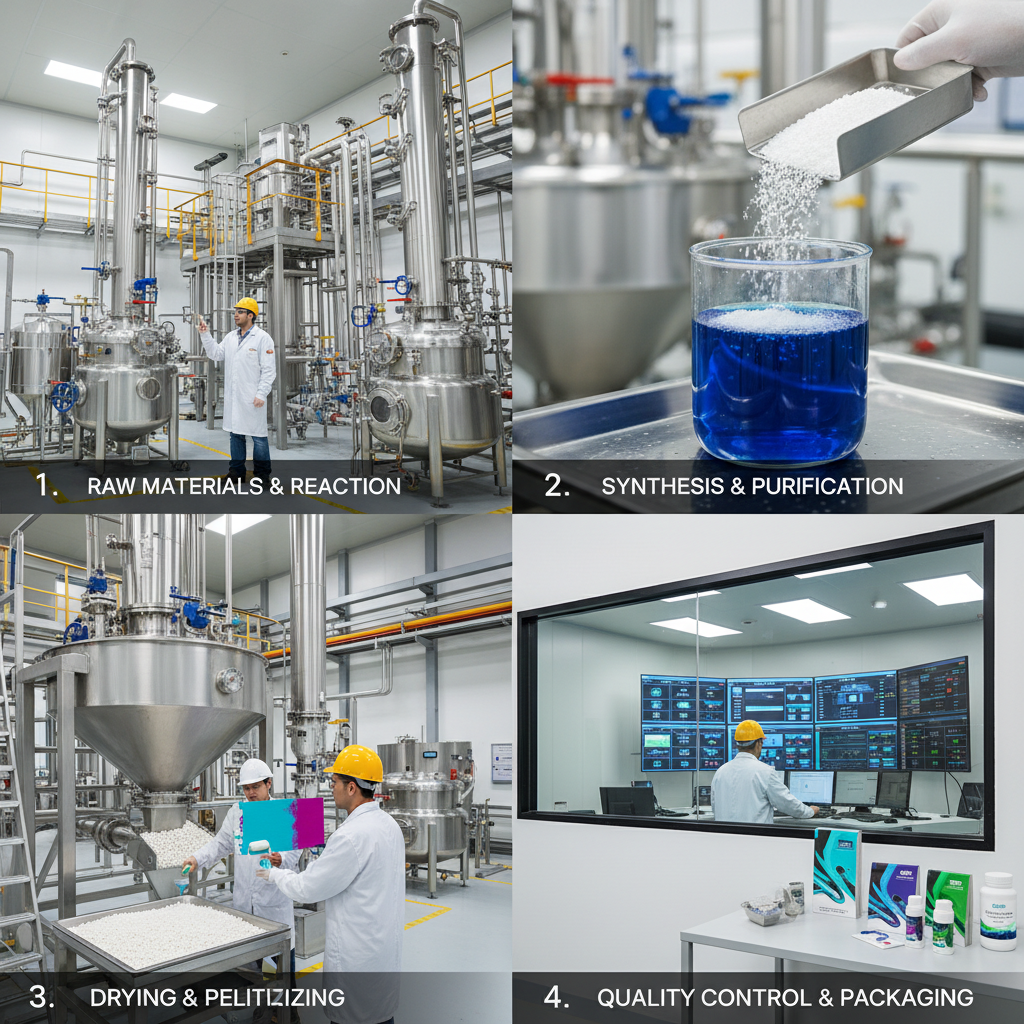
Hydroxypropyl Methyl Cellulose (HPMC) is a non-ionic cellulose ether derived from natural refined cotton through a series of chemical processes involving alkali treatment and etherification. In the context of specialized chemical manufacturing, the purity of the raw cotton and the precision of the reaction temperature determine the final viscosity and stability of the product.
For EIFS applications, the chemical structure of china hpmc-hydroxypropyl methyl cellulose allows it to act as a powerful thickening agent. It forms a protective film around cement particles, which regulates the release of water and ensures that the hydration process occurs uniformly across the mortar layer.
Water retention is perhaps the most critical technical metric for any mortar additive. When mortar is applied to a porous substrate, such as insulation boards, the substrate rapidly absorbs water. Without an effective retention agent, the mortar dries too quickly, leading to a lack of cohesion and an increase in susceptibility to cracking.
HPMC works by increasing the viscosity of the aqueous phase and creating a gel-like structure that traps water molecules. This mechanism ensures that sufficient moisture remains available for the cement to hydrate fully, which directly impacts the final compressive and tensile strength of the wall system.
Beyond water retention, these additives extend the "open time"—the window during which the mortar remains tacky and can be adjusted or bonded to the next layer. This is essential for maintaining seamless joints in large-scale EIFS projects where environmental conditions like wind and heat can accelerate evaporation.
While HPMC manages water and viscosity, it is rarely used in isolation for EIFS. To achieve the necessary flexibility and bonding strength, it is typically paired with Vinyl Acetate Ethylene (VAE) or Redispersible Polymer Powders (RDP). The combination creates a dual-action reinforcement system.
The synergy between HPMC and RDP is a balance of rheology and adhesion: HPMC prevents the mortar from sagging and drying too fast, while RDP provides the elastic bridge that prevents cracking during thermal expansion and contraction.
In professional formulations, the ratio of these two components is adjusted based on the specific layer of the EIFS. For example, the base plastering requires higher bonding strength provided by RDP, whereas the surface leveling layers may prioritize the smoothness and water retention provided by a specific grade of cellulose ether.
The application of china hpmc-hydroxypropyl methyl cellulose varies across the different strata of a construction project. In the base plastering, it prevents the "burning" of the mortar; in the insulation layer, it ensures the adhesive remains active long enough for a secure bond; and in the outer putty, it provides the necessary slip for a high-quality finish.
When evaluating the relative impact of these additives on different performance indices, we see a clear trend: water retention and anti-cracking properties are most significantly improved by the optimized blend of HPMC and polymer powders.
For bulk buyers, the primary concern is not just the initial specification but the batch-to-batch stability. In the manufacturing of cellulose ethers, slight variations in the refined cotton source or reaction time can lead to inconsistent viscosity, which disrupts the mortar formula on the construction site.
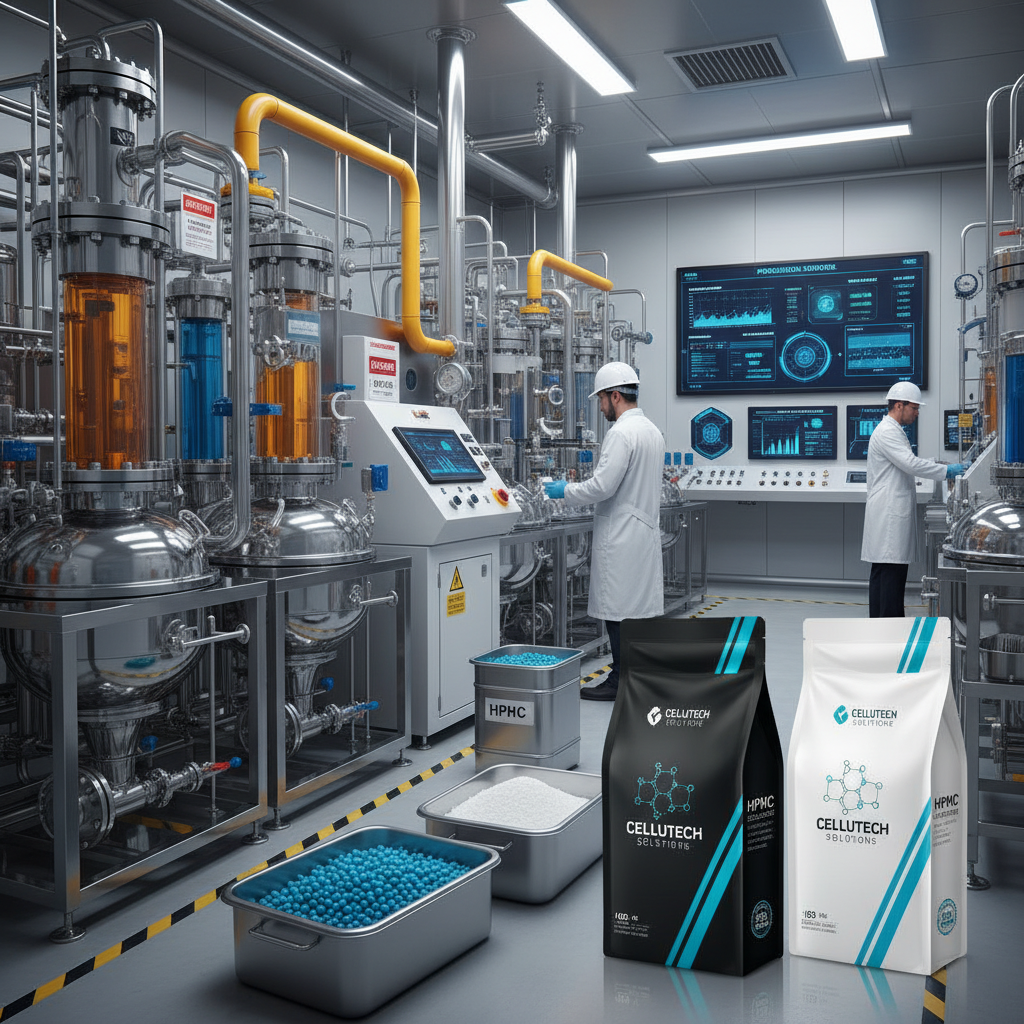
Professional suppliers, such as Jingzuan Chemical, mitigate this by implementing strict quality control systems and utilizing advanced German technology in their production lines. Ensuring that the purity and liquid transmittance rate are consistent across different batches is the only way to guarantee that a project's performance remains stable from the first floor to the roof.
The industry is currently moving toward "intelligent" additives that can react to environmental humidity and temperature. The goal is to create mortars that automatically adjust their open time based on the weather, reducing the need for manual formula adjustments on-site.
Sustainability is also driving the demand for high-purity HPMC that reduces waste. By improving the efficiency of water retention, contractors can reduce the amount of raw cement required while achieving the same structural strength, thereby lowering the overall carbon footprint of the EIFS project.
Furthermore, there is an increasing focus on the synergy between HPMC, HEMC, and HEC. By blending different types of cellulose ethers, manufacturers can fine-tune the rheological properties of the mortar to meet the stricter energy-efficiency standards of modern green buildings.
Selecting the right grade of china hpmc-hydroxypropyl methyl cellulose requires a deep understanding of the target application. A high-viscosity grade may be perfect for a thick base plaster but could cause too much drag in a thin-layer outer wall putty.
Decision-makers should evaluate additives based on three primary dimensions: the environmental conditions of the project (climate), the type of substrate (porosity), and the desired finish (smoothness).
The following table provides a relative suitability framework for choosing cellulose ether properties based on the specific EIFS layer requirements.
| EIFS Layer | Primary Requirement | Recommended Viscosity | Key Performance Factor |
|---|---|---|---|
| Base Plastering | High Bond Strength | Medium-High | Water Retention |
| Insulation Layer | Adhesion Stability | Medium | Open Time Extension |
| Surface Leveling | Smooth Finish | Low-Medium | Rheology Control |
| Outer Wall Putty | Crack Resistance | Low | Fine Particle Suspension |
| Corner Beads | Sag Resistance | High | Thixotropy |
| Repair Mortars | Rapid Cohesion | Variable | Purity & Stability |
HPMC prevents cracking by regulating the rate of water evaporation during the curing process. By trapping water within the mortar matrix, it ensures that the chemical hydration of cement occurs slowly and uniformly. This prevents "drying shrinkage," where the outer surface dries and contracts faster than the interior, which is the primary cause of hairline cracks in exterior walls.
While both are cellulose ethers, HPMC (Hydroxypropyl Methyl Cellulose) and HEMC (Hydroxyethyl Methyl Cellulose) differ in their chemical substitution. HPMC typically provides superior water retention and is more widely used in general construction. HEMC is often selected for specific applications requiring different solubility profiles or specialized heat resistance, though both serve as critical thickeners in EIFS.
Stability is best verified by requesting samples from different production batches. Compare the viscosity, purity, and liquid transmittance rate of each sample. A reliable supplier will provide consistent data across batches and possess ISO 9001 or CE certifications, indicating a controlled manufacturing process that prevents deviation in chemical properties.
No, they serve different functions. HPMC is a water-retention and thickening agent, whereas RDP (Redispersible Polymer Powder) provides flexibility, tensile strength, and adhesion. Replacing RDP with HPMC would result in a mortar that retains water but lacks the structural elasticity needed to withstand thermal expansion, leading to delamination and cracking.
High temperatures accelerate water loss, which can override the water-retention capabilities of low-grade HPMC. In hot climates, a higher grade of HPMC or an increased dosage is often required to maintain the open time. Conversely, very low temperatures can affect the solubility and thickening speed, requiring specific formulations to ensure the mortar remains workable.
Yes, overdosing HPMC can lead to excessive viscosity, making the mortar difficult to spread and apply (poor workability). It can also potentially slow down the curing time too much, delaying project timelines. The optimal dosage must be balanced against the RDP content and the specific requirements of the EIFS layer being applied.
The success of an EIFS project is not determined solely by the quality of the insulation boards, but by the chemical precision of the mortars that hold them in place. The strategic use of china hpmc-hydroxypropyl methyl cellulose provides the essential water management and rheological control needed to prevent structural failures like shrinkage cracks and poor adhesion.
As building standards evolve toward greater energy efficiency and longevity, the role of specialized chemical additives will only grow. By prioritizing batch stability and technical synergy between cellulose ethers and polymers, contractors can ensure a durable, high-performance building envelope that stands the test of time.