
Nov . 17, 2025 09:55 Back to list
Cellulose Ether: High Purity, Fast-Dissolving, Stable Flow
Cellulose Ether is a key solution in the chemical industry, specifically within fine chemicals and the cellulose ether value chain. This article explores how HEBEI JINGZUAN CHEMICAL TECHNOLOGY CO., LTD. supports professionals with durable, high-performance products, and explains why this product is an ideal choice for businesses in these sectors.
Table of Contents
- Cellulose Ether Overview
- Benefits & Use Cases of Cellulose Ether in cellulose ether
- Cost, Maintenance & User Experience
- Sustainability & Market Trends in chemical industry
- Conclusion on Cellulose Ether from HEBEI JINGZUAN CHEMICAL TECHNOLOGY CO., LTD.
Cellulose Ether Overview
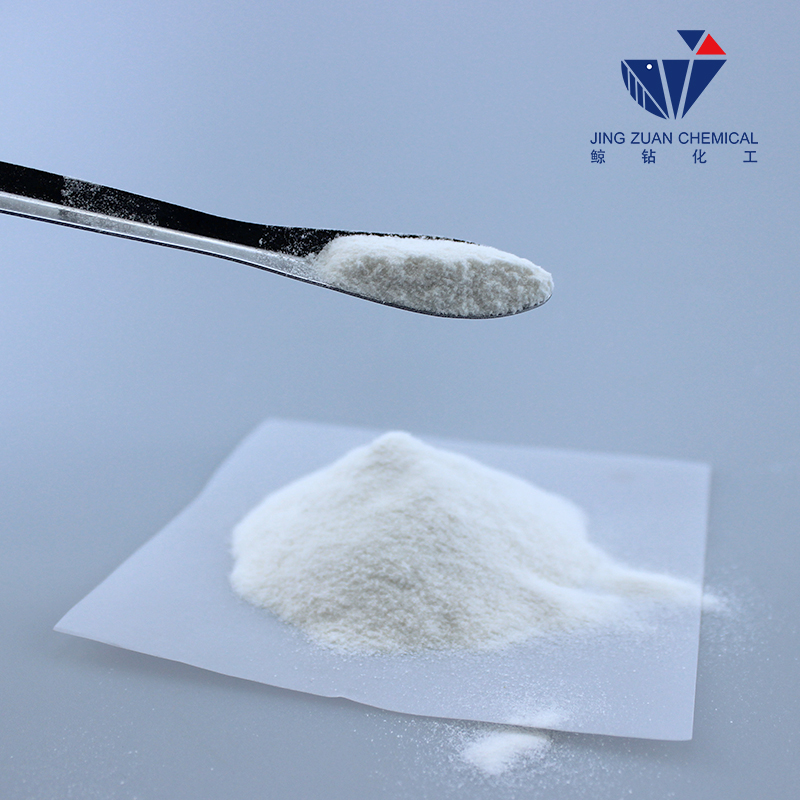
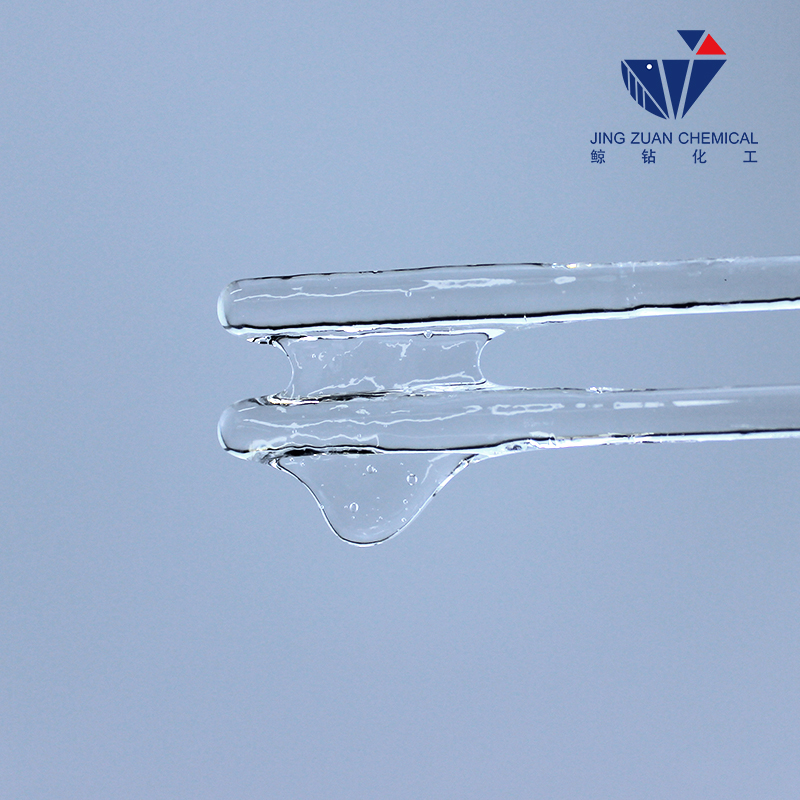
Cellulose ethers are water-soluble polymers derived from natural cellulose and engineered to deliver precise thickening, water retention, film formation, and rheology control. Within fine chemicals and the wider chemical industry, they play essential roles in drymix mortars, waterborne coatings, personal care formulations, ceramics, and oilfield fluids. Common families include HPMC (hydroxypropyl methyl cellulose, often called hypromellose) and HEC cellulose (hydroxyethyl cellulose), each optimized for different performance windows and media. As a versatile liquid thickener and stabilizer, cellulose ether helps formulators tune viscosity, flow, open time, and sag resistance across diverse systems.
- Technically, grades vary by substitution type/level, particle size, surface treatment, and viscosity (commonly ranging from low to very high cP/mPa·s at specified concentrations), enabling exact fit-to-function in end applications.
- In mortar adhesives and skim coats, HPMC enhances water retention and workability; in paints, HEC cellulose delivers consistent KU and ICI targets with excellent color acceptance and spatter resistance.
- HEBEI JINGZUAN CHEMICAL TECHNOLOGY CO., LTD. supplies dependable, tightly controlled cellulose ether solutions—backed by rigorous quality management, application guidance, and responsive global logistics.
Benefits & Use Cases of Cellulose Ether in cellulose ether
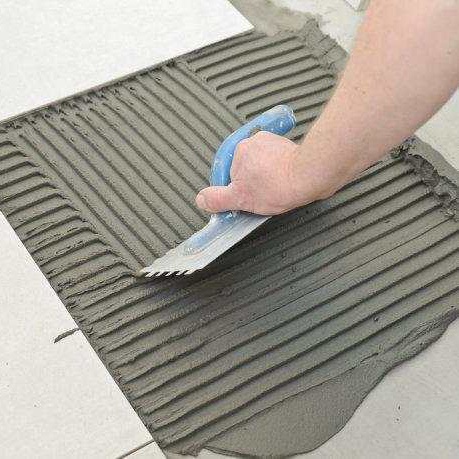
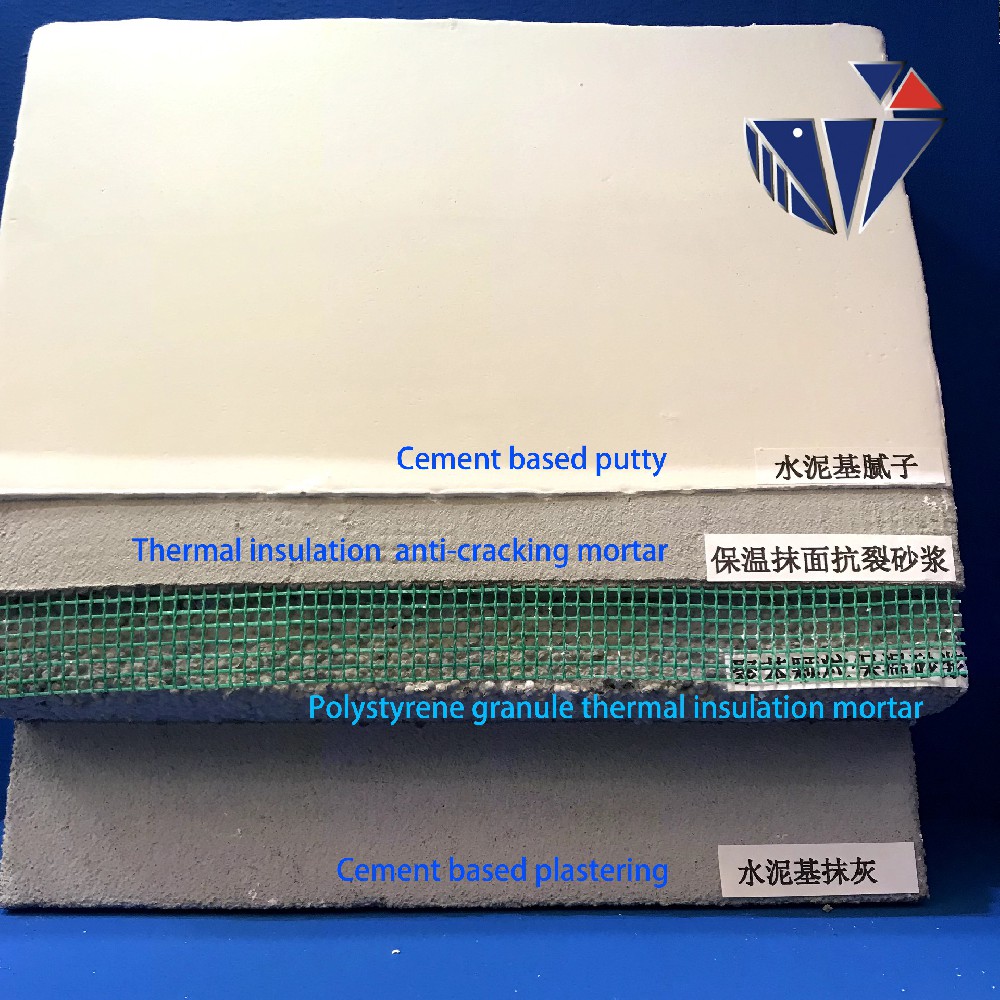
In construction chemicals, HPMC-based cellulose ether is central to tile adhesives, EIFS/ETICS, self-leveling underlayments, and gypsum plasters—delivering adjustable open time, anti-sag, water retention, and smooth trowelability. In waterborne coatings, HEC cellulose functions as a robust liquid thickener that stabilizes pigments, enables target rheology profiles, and supports low-VOC formulations. Personal care formulators leverage cellulose ether for clarity, sensory enhancement, and salt tolerance, while oilfield service companies rely on it for fluid loss control and stable viscosity in brines.
- Competitive advantages include rapid wetting/dispersion options, consistent lot-to-lot viscosity, precise particle size distribution, and tailored dissolution rates that reduce fish eyes and speed up batching.
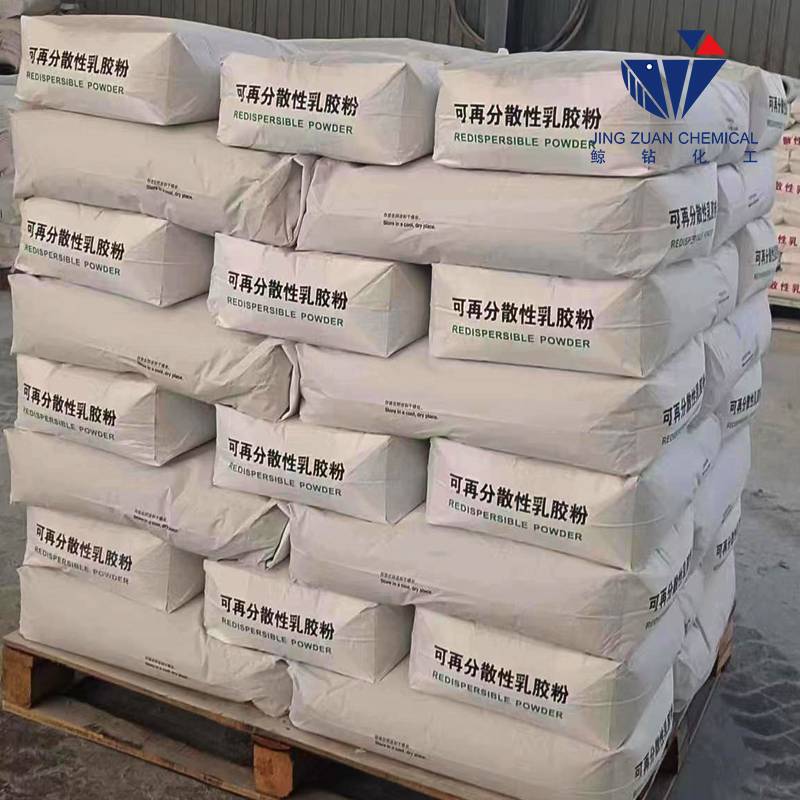
- Compatibility with co-additives (cement, redispersible powders, starch ethers, associative thickeners) enables streamlined formulation and predictable performance across climates.
- HEBEI JINGZUAN CHEMICAL TECHNOLOGY CO., LTD. brings application know-how, from selecting the right HPMC grade for drymix systems to specifying HEC cellulose for paints where flow/leveling and high-shear build are critical.
Cost, Maintenance & User Experience
Total cost of ownership with cellulose ether is driven by dosage efficiency, batch cycle time, and final product quality. Well-selected grades can reduce additive counts, shorten dispersing time, and lower rework and scrap rates—improving ROI in both continuous and batch operations. Durable performance, broad pH stability, and reliable viscosity retention contribute to fewer production adjustments and less downtime. Packaging options and controlled moisture help minimize caking and dust, while surface-treated variants ease handling and dispersion.
- Customers in fine chemicals and building materials consistently highlight smoother processing, better trowel feel, and stable viscosity targets, leading to improved line throughput and consistent field performance.
- HEBEI JINGZUAN CHEMICAL TECHNOLOGY CO., LTD. supports cost optimization with grade selection, sample-based trials, and technical service that aligns cellulose ether properties to your exact production conditions and regional climate demands.
Sustainability & Market Trends in chemical industry
Derived from renewable cellulose, cellulose ether supports the industry’s transition to safer, more sustainable formulations. Its role in waterborne coatings, low-VOC systems, and high-performance drymix mortars aligns with global regulations and green building standards. Market momentum favors bio-based inputs and additives that enable longer service life, reduced material waste, and lower embodied carbon through efficient dosing and reliable field performance.
- As environmental requirements tighten, documentation readiness (SDS, COA, and support for regional compliance frameworks) and traceability become critical for B2B buyers and auditors.
- HEBEI JINGZUAN CHEMICAL TECHNOLOGY CO., LTD. advances eco-conscious manufacturing and application support—helping customers design formulations that reduce solvent use, maintain performance in water-based systems, and meet evolving sustainability goals without sacrificing productivity.
Conclusion on Cellulose Ether from HEBEI JINGZUAN CHEMICAL TECHNOLOGY CO., LTD.
From construction chemicals to coatings and personal care, cellulose ether is a versatile backbone additive that delivers dependable thickening, water retention, and rheology control. With proven HPMC and HEC cellulose know-how, HEBEI JINGZUAN CHEMICAL TECHNOLOGY CO., LTD. provides consistent quality, technical support, and supply assurance that B2B decision makers can trust. For product details and grades, visit the HPMC page below or contact our team to discuss your exact requirements.
- Contact us: email: oscar@cnjzchemical.com
- Visit our website: https://www.cnjzchemical.com | Product page: HPMC Cellulose Ether
-
Understanding Hydroxypropyl Methyl Cellulose MSDS Safety and Compliance
NewsApr.16,2026
-
Understanding the Hydroxypropyl Methyl Cellulose HS Code for Global Trade
NewsApr.09,2026
-
Comprehensive Guide to Hydroxypropyl Methyl Cellulose CAS Number and Applications
NewsApr.07,2026
-
Comprehensive Guide to Hydroxypropyl Methyl Cellulose cas no and its Diverse Applications
NewsApr.04,2026
-
Comprehensive Guide to Hydroxypropyl Methyl Cellulose Manufacturers and Applications
NewsMar.31,2026
-
Understanding Hydroxypropyl Methyl Cellulose Properties And Diverse Applications
NewsMar.28,2026