
Sep . 09, 2025 21:20 Back to list
Cellosize HEC: Premium Hydroxyethylcellulose For Sale
Introduction to Hydroxyethyl Cellulose (HEC)
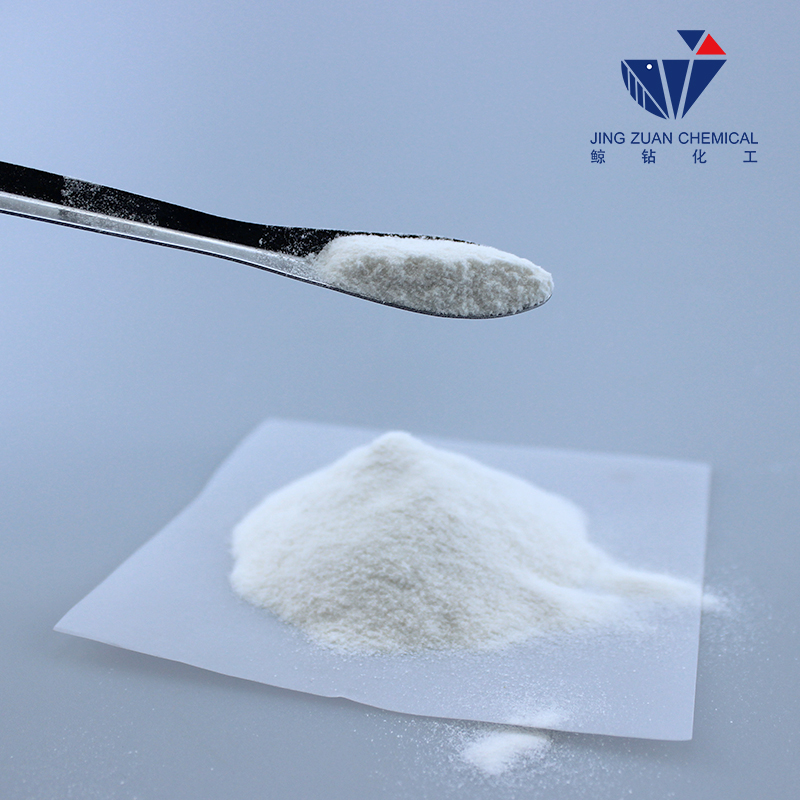
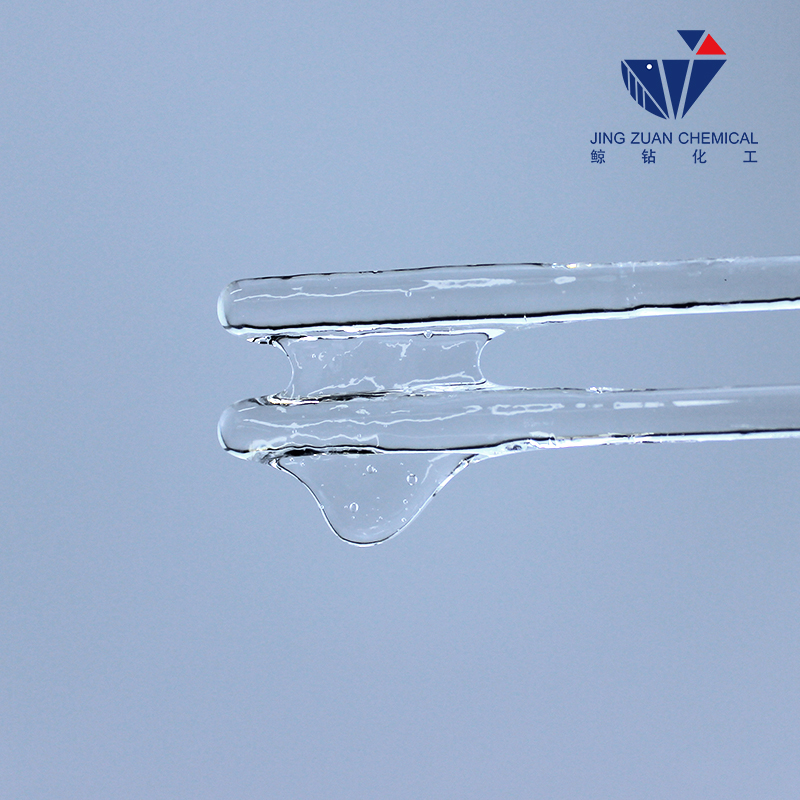
Hydroxyethyl Cellulose (HEC) is a non-ionic water-soluble polymer derived from cellulose, a natural polysaccharide. Widely recognized for its exceptional thickening, rheology modification, water retention, and film-forming properties, HEC plays a crucial role across a myriad of industrial applications. Among the various grades available, cellosize hec stands out as a high-performance variant, engineered to deliver superior functional benefits in demanding formulations.
This article delves into the technical intricacies, application versatility, and strategic advantages of HEC, particularly focusing on the attributes that define high-quality products like cellosize hec. We will explore its manufacturing process, key technical specifications, diverse application scenarios, and the economic benefits it offers to B2B decision-makers and technical engineers seeking reliable and efficient polymer solutions. Understanding the specific characteristics and optimal deployment of hydroxyethyl cellulose is paramount for achieving desired product performance and cost-efficiency.
Industry Trends in Hydroxyethyl Cellulose
The global market for hydroxyethyl cellulose is experiencing robust growth, driven by increasing demand from key sectors such as construction, paints & coatings, personal care, pharmaceuticals, and oil & gas. According to a market analysis by Grand View Research, the global HEC market size was valued at USD 1.2 billion in 2022 and is projected to expand at a compound annual growth rate (CAGR) of 6.5% from 2023 to 2030. This growth is primarily attributed to rising construction activities, especially in emerging economies, and the expanding personal care and pharmaceutical industries.
Key trends shaping the HEC landscape include a heightened focus on eco-friendly and sustainable products, driving innovation in bio-based and biodegradable cellulose derivatives. Manufacturers are also developing specialized HEC grades to meet specific performance requirements, such as enhanced enzyme resistance for improved shelf life in water-based formulations, or optimized rheology for advanced drilling fluids. The availability of high-quality hydroxyethylcellulose for sale from reputable suppliers is critical in meeting these evolving industrial demands. The demand for consistent and reliable thickening agents like cellosize hec continues to push innovation in production efficiency and product purity.
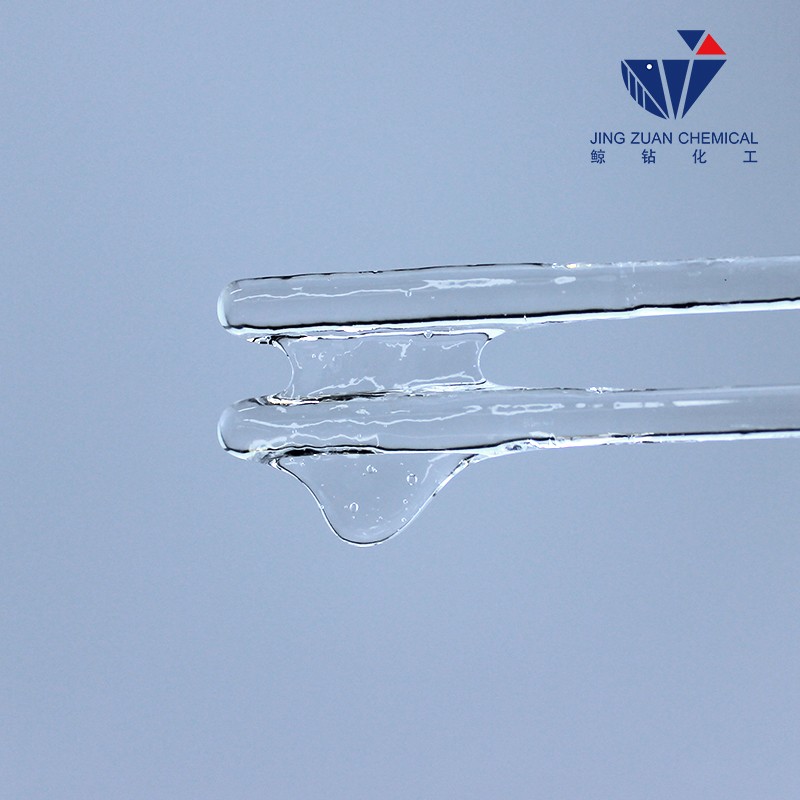
Understanding cellosize hec: Technical Specifications
Hydroxyethyl cellulose is characterized by its degree of substitution (DS) and molar substitution (MS), which significantly influence its solubility, viscosity, and other functional properties. The DS refers to the average number of hydroxyl groups per anhydroglucose unit that have been substituted, while MS indicates the average number of moles of ethylene oxide that have reacted per anhydroglucose unit. Higher MS values generally correlate with improved solubility and thickening efficiency.
High-grade products like cellosize hec are meticulously engineered to provide specific performance profiles, making them suitable for diverse industrial applications. Key parameters include viscosity, pH stability, moisture content, and particle size distribution. These specifications are crucial for product formulation and final application performance.
Typical Product Specification for cellosize hec
| Property | Unit | Typical Value Range |
|---|---|---|
| Viscosity (2% aqueous solution, 25°C, Brookfield) | mPa·s | 100 - 100,000 |
| Molar Substitution (MS) | - | 1.5 - 2.5 |
| pH (2% aqueous solution) | - | 6.0 - 8.5 |
| Moisture Content | % | ≤ 6.0 |
| Ash Content | % | ≤ 3.0 |
| Particle Size (through 80 mesh) | % | ≥ 98 |
Note: Specific values may vary based on product grade and manufacturer specifications for hydroxyethyl cellulose.
The Manufacturing Process of cellosize hec
The production of high-quality hydroxyethyl cellulose, including specific grades such as cellosize hec, involves a series of meticulously controlled chemical and physical transformations starting from natural cellulose. This process ensures the desired degree of substitution, molecular weight, and purity, all critical for performance.
Process Flow Overview:
- 1. Raw Material Preparation: High-purity wood pulp or cotton linter cellulose is selected. This raw cellulose is first treated to achieve an optimal particle size and moisture content, ensuring uniform reaction in subsequent steps.
- 2. Alkalization: The cellulose is steeped in an alkaline solution, typically sodium hydroxide, to swell the cellulose fibers and convert them into alkali cellulose. This step activates the hydroxyl groups on the cellulose backbone, making them more reactive for etherification.
- 3. Etherification: The alkali cellulose is then reacted with ethylene oxide (EO) in a carefully controlled environment, often a jacketed reactor. The hydroxyl groups on the cellulose react with EO to form hydroxyethyl groups, leading to the formation of hydroxyethyl cellulose. The reaction conditions, including temperature, pressure, and duration, are precisely managed to achieve the desired Molar Substitution (MS) and molecular weight.
- 4. Neutralization and Washing: After etherification, the reaction mixture is neutralized, typically with acid, to stop further reaction and adjust the pH. The crude HEC is then subjected to extensive washing with solvents (e.g., ethanol, methanol) or hot water to remove unreacted reagents, byproducts (like glycols), and inorganic salts, ensuring high purity.
- 5. Drying: The purified HEC is dewatered and then dried, often using fluidized bed dryers or rotary dryers, until the desired moisture content is reached. This step is critical for product stability and shelf life.
- 6. Grinding and Sieving: The dried HEC is then ground to a fine powder and sieved to achieve specific particle size distributions, which are important for dissolution rate and rheological performance in various applications. Different grades of cellosize hec may have distinct particle size requirements.
- 7. Quality Control and Packaging: Throughout the entire process, rigorous quality control checks are performed, adhering to international standards such as ISO 9001. Testing includes viscosity, moisture content, pH, ash content, and particle size. The finished hydroxyethyl cellulose product is then packaged in moisture-proof bags for shipment.
Target industries benefiting from such precise manufacturing include paints & coatings, construction, personal care, and oil & gas, where consistent product quality ensures optimal performance, such as improved rheology, enhanced water retention, and long-term stability.
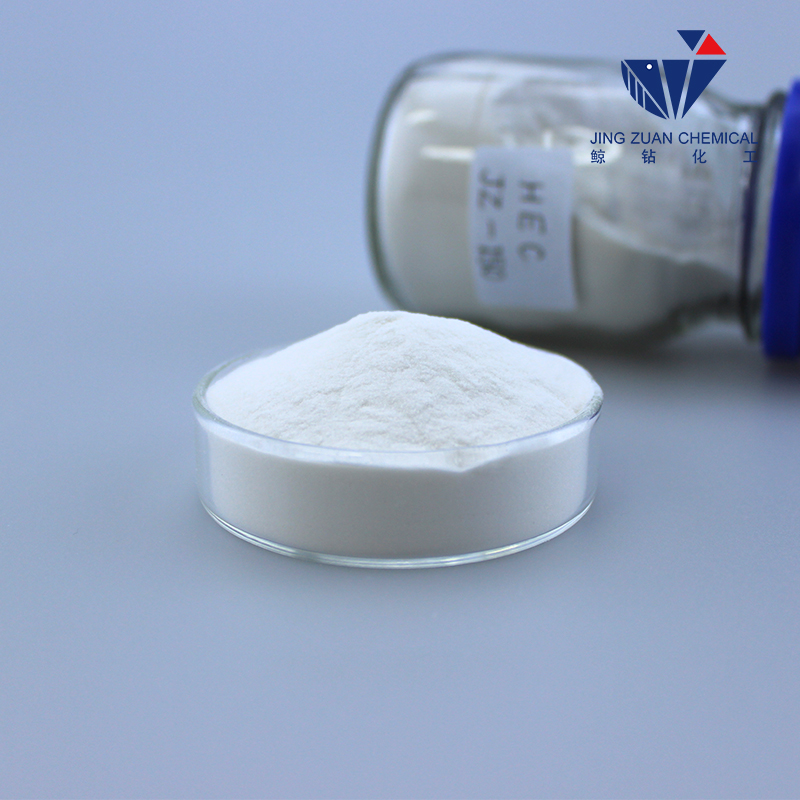
Application Scenarios and Target Industries
The versatility of hydroxyethyl cellulose, particularly high-performance grades like cellosize hec, makes it an indispensable additive across numerous industrial applications. Its ability to effectively thicken, bind, stabilize, and retain water is leveraged in diverse formulations.
- Paints & Coatings: HEC serves as an excellent thickener, rheology modifier, and protective colloid in water-based latex paints. It improves brushability, leveling, sag resistance, and color uniformity. Its non-ionic nature ensures compatibility with a wide range of pigments and binders.
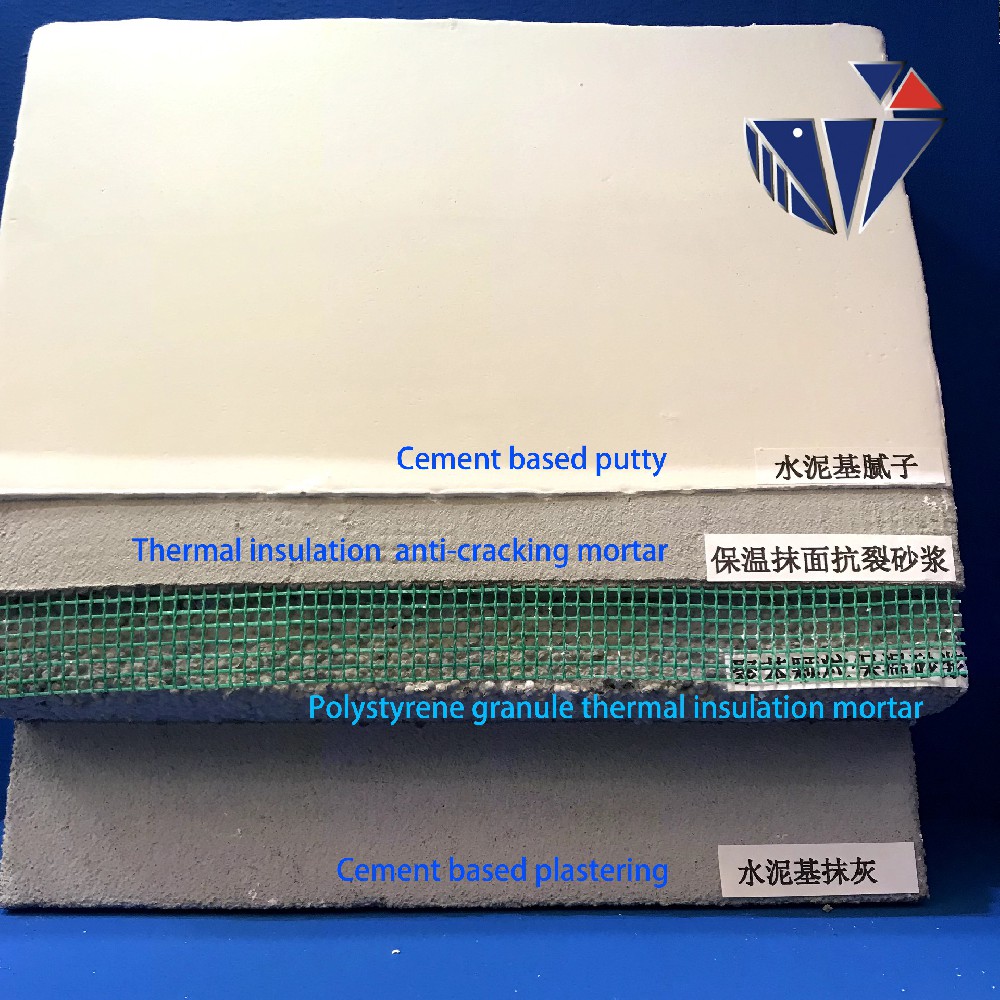
- Construction Materials: In products like tile adhesives, cement mortars, gypsum plasters, and self-leveling compounds, HEC enhances water retention, workability, open time, and anti-sag properties. This leads to stronger adhesion and smoother finishes, significantly improving construction efficiency.
- Personal Care Products: From shampoos and conditioners to lotions, creams, and toothpastes, hydroxyethyl cellulose acts as a thickener, stabilizer, and film-former. It imparts a desirable texture and improves the sensory feel of products, ensuring consistent performance.
- Pharmaceuticals: In oral liquid formulations, ophthalmic solutions, and topical gels, HEC functions as a viscosity modifier, binder, and controlled-release agent. Its non-toxic and biocompatible nature makes it suitable for pharmaceutical applications, often meeting stringent USP/EP standards.
- Oil & Gas Industry: HEC is widely used in drilling fluids, fracturing fluids, and completion fluids. It acts as a rheology modifier and fluid loss control agent, helping to maintain borehole stability, suspend drill cuttings, and ensure efficient drilling operations, especially in complex geological formations.
- Textile Industry: In textile sizing and printing pastes, HEC functions as a thickener and binder, ensuring uniform application of dyes and pigments, improving print definition, and enhancing fabric feel.
The ability of cellosize hec to provide tailored rheology and stability across such diverse applications underscores its value as a fundamental ingredient in modern industrial formulations.
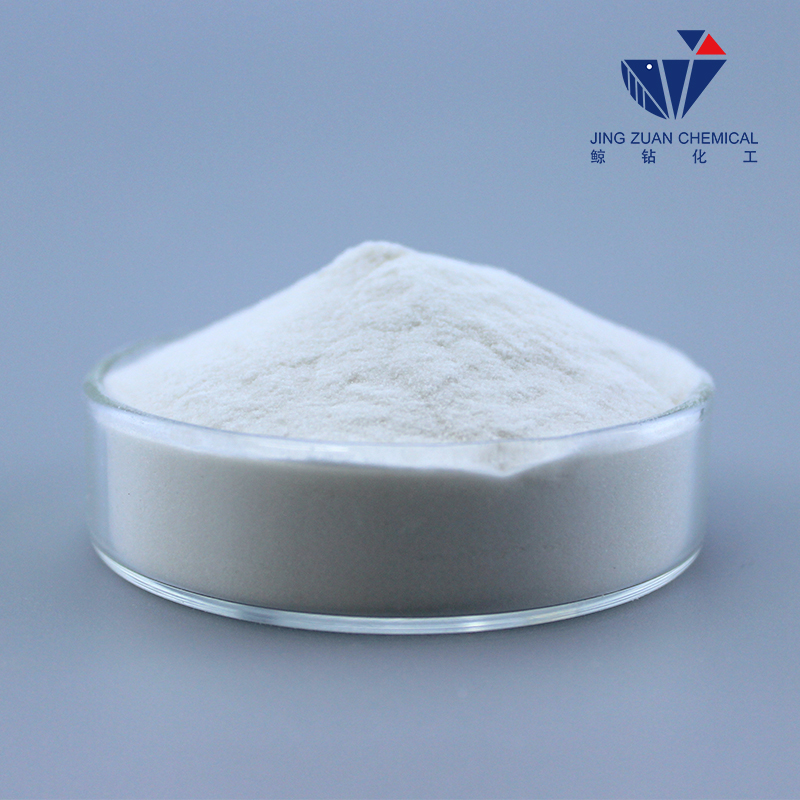
Technical Advantages of cellosize hec
Choosing the right thickening agent is critical for product performance and stability. Cellosize hec offers several distinct technical advantages that differentiate it from other cellulose ethers and alternative thickeners, making it a preferred choice for many high-performance applications.
- Superior Thickening Efficiency: HEC provides excellent viscosity build-up at relatively low concentrations, offering cost-effectiveness in formulations. Its non-ionic nature means its thickening performance is less affected by pH variations and ionic strength compared to ionic polymers.
- Exceptional Pseudoplasticity: Hydroxyethyl cellulose exhibits shear-thinning (pseudoplastic) behavior, which is highly desirable in many applications. This means viscosity decreases under shear stress (e.g., during pumping, spraying, or brushing) and recovers quickly once the stress is removed, allowing for easy application and excellent sag resistance.
- Broad pH Stability: HEC maintains stable viscosity and performance across a wide pH range (typically 2-12), offering greater formulation flexibility compared to many other thickeners that are sensitive to acidic or alkaline conditions.
- High Water Retention Capacity: Particularly valuable in construction materials and paints, HEC significantly improves water retention, which ensures proper hydration of cementitious materials and prolongs open time for coatings.
- Enhanced Enzyme Resistance: Certain modified grades of cellosize hec offer improved resistance to enzymatic degradation, extending the shelf life and stability of water-based formulations, especially important in high-humidity or warm environments.
- Compatibility: Its non-ionic character ensures broad compatibility with various salts, surfactants, and other polymers, making it easy to incorporate into complex formulations without adverse interactions.
- Film-Forming Properties: HEC forms clear, flexible, and strong films, which is beneficial in applications like personal care products and coatings for improved adhesion and barrier properties.
Comparison: HEC vs. Other Cellulose Ethers
To illustrate the unique position of hydroxyethyl cellulose, let's compare its key attributes with other common cellulose ethers:
| Property | HEC (Hydroxyethyl Cellulose) | HPMC (Hydroxypropyl Methylcellulose) | CMC (Carboxymethyl Cellulose) |
|---|---|---|---|
| Ionic Nature | Non-ionic | Non-ionic | Anionic |
| pH Stability Range | Broad (2-12) | Medium (3-11) | Narrow (5-10) |
| Salt Tolerance | High | Medium to High | Low (precipitates with multivalent ions) |
| Film Clarity | Excellent (clear) | Good (clear to slightly hazy) | Good (clear to slightly hazy) |
| Water Retention | Very Good | Excellent | Good |
| Thermal Gelling | No | Yes | No |
Note: This comparison provides general characteristics. Specific grades of each polymer may exhibit variations.
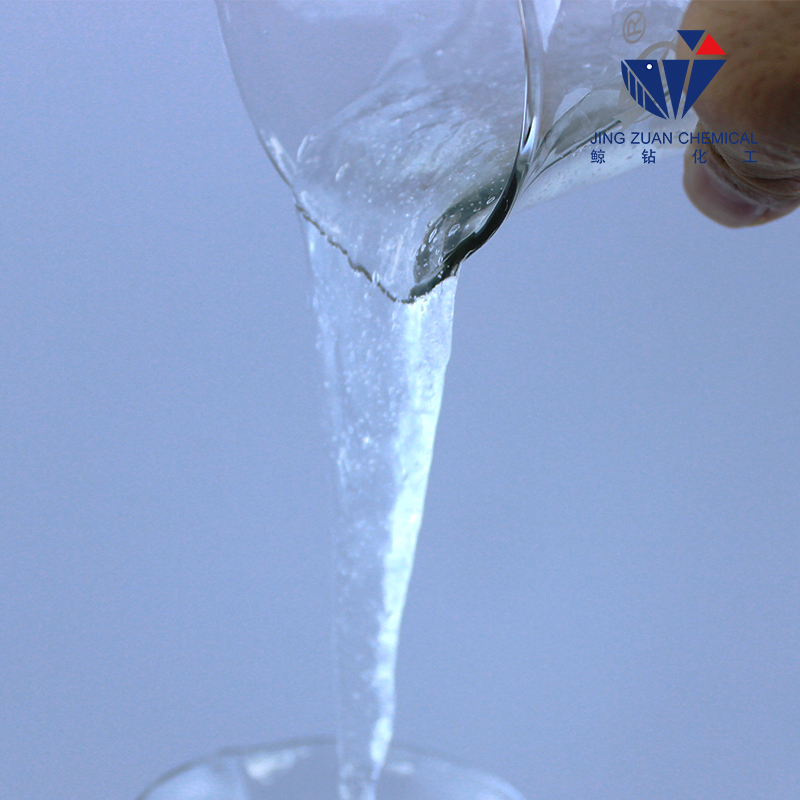
Vendor Comparison and Customized Solutions for hydroxyethyl cellulose
Selecting the right supplier for hydroxyethyl cellulose for sale is paramount for ensuring consistent product quality, optimal performance, and supply chain reliability. While many vendors offer HEC, not all can provide the technical expertise, customization capabilities, and consistent quality embodied by products like cellosize hec.
Key Criteria for Vendor Selection:
- Quality & Consistency: Certifications (ISO 9001, REACH, Kosher, Halal), rigorous QC processes, and batch-to-batch consistency are vital. Reputable suppliers provide Certificates of Analysis (CoA) with each shipment.
- Technical Support: Access to expert technical teams for formulation guidance, troubleshooting, and application development is invaluable.
- Customization Capabilities: The ability to tailor HEC grades to specific requirements – such as unique viscosity ranges, dissolution rates, or particle sizes – can offer a significant competitive advantage. For example, JZ Chemical specializes in providing customized solutions that precisely match client specifications.
- Supply Chain Reliability: A robust global supply chain, efficient logistics, and contingency plans are crucial for uninterrupted operations, particularly for bulk purchases of hydroxyethyl cellulose.
- Industry Experience & Reputation: Long-standing presence in the market and positive customer feedback are indicators of a trusted partner.
A key differentiator for top-tier suppliers like JZ Chemical is their capacity to provide bespoke HEC solutions. This includes developing grades with specific molecular weights for targeted rheology, modifying surface treatments for controlled dissolution, or ensuring purity levels for sensitive applications such as pharmaceuticals. Such customization ensures that clients receive a product optimally suited for their specific manufacturing processes and end-product performance goals.
Application Case Studies for cellosize hec
Real-world applications highlight the tangible benefits and problem-solving capabilities of high-performance hydroxyethyl cellulose. Here are a few examples:
Case Study 1: Enhancing Performance in High-Quality Latex Paint
A leading paint manufacturer faced challenges with brush drag, roller spatter, and insufficient sag resistance in their premium interior latex paint line. After consulting with JZ Chemical's technical team, they incorporated a medium-viscosity, enzyme-resistant grade of cellosize hec into their formulation. The results were significant: the paint exhibited excellent flow and leveling properties, reduced brush drag by 25%, virtually eliminated roller spatter, and improved sag resistance by 30%. This led to higher customer satisfaction and a stronger market position for their premium product.
Case Study 2: Optimized Fluid Loss Control in Oil Drilling
An oil and gas exploration company operating in challenging geological formations struggled with significant fluid loss in their drilling muds, leading to increased costs and operational inefficiencies. They adopted a specially formulated, high-purity hydroxyethyl cellulose designed for high-temperature and high-salinity environments. The addition of this HEC derivative dramatically reduced fluid loss by 40%, stabilized the rheology of the drilling fluid under extreme conditions, and improved the suspension of drill cuttings. This directly translated into reduced non-productive time, lower material consumption, and enhanced drilling safety and efficiency.
Case Study 3: Improving Texture and Stability in Personal Care Gels
A prominent cosmetic brand aimed to develop a new line of clear, stable, and luxurious-feeling facial gels. Traditional thickeners often resulted in hazy products or inconsistent viscosity over time. By utilizing a specific low-viscosity, highly purified grade of hydroxyethyl cellulose, they achieved crystal-clear gels with a smooth, non-tacky feel. The HEC provided excellent shear-thinning properties, allowing for easy dispensing, and maintained product stability across various temperatures, enhancing the product's premium appeal and consumer acceptance.
Ensuring Trustworthiness: FAQs, Lead Time, Warranty, & Support
Establishing trust is fundamental in B2B relationships. JZ Chemical is committed to transparency and exceptional service for all products, including high-quality hydroxyethyl cellulose solutions.
Frequently Asked Questions (FAQs)
- Q1: What are the primary differences between various grades of HEC?
A1: Grades typically differ in molecular weight (which affects viscosity), molar substitution (affecting solubility and compatibility), and particle size. Each grade is optimized for specific application requirements. - Q2: How does JZ Chemical ensure the quality of its hydroxyethyl cellulose?
A2: We adhere to strict ISO 9001 certified quality management systems. Every batch undergoes comprehensive testing for critical parameters such as viscosity, purity, moisture content, and particle size, with Certificates of Analysis provided. - Q3: Can cellosize hec be used in food or pharmaceutical applications?
A3: Yes, specific highly purified and compliant grades of HEC are manufactured to meet stringent pharmacopoeial standards (e.g., USP, EP) and food-grade requirements, ensuring safety and efficacy for these sensitive applications. - Q4: What are the typical storage conditions for HEC?
A4: HEC should be stored in a cool, dry place, away from direct sunlight and moisture, in its original sealed packaging. Proper storage ensures product stability and extends its shelf life.
Lead Time & Fulfillment
JZ Chemical maintains robust inventory levels and efficient logistics. Standard orders for hydroxyethylcellulose for sale typically have a lead time of 7-14 business days, depending on destination and order volume. For customized solutions or large-volume contracts, lead times will be mutually agreed upon to ensure timely delivery and consistent supply.
Warranty Commitments
We warrant that our hydroxyethyl cellulose products conform to the specifications outlined in the Certificate of Analysis (CoA) provided with each shipment for a period of 12-24 months from the date of manufacture, under recommended storage conditions. Any deviations from these specifications will be addressed promptly and professionally, adhering to our customer satisfaction policy.
Customer Support & Technical Assistance
Our dedicated team of technical experts and customer service representatives is available to provide comprehensive support. This includes assistance with product selection, formulation optimization, troubleshooting, and in-depth technical data on cellosize hec. We are committed to fostering long-term partnerships through responsive and reliable support. Contact us via our website or dedicated support channels for immediate assistance.
Conclusion
Hydroxyethyl cellulose, particularly high-performance grades like cellosize hec, stands as a cornerstone additive across a multitude of industries. Its unparalleled rheological properties, water retention capabilities, and broad compatibility make it an invaluable component for enhancing product performance, stability, and workability. By understanding its detailed manufacturing process, technical specifications, and diverse application benefits, B2B stakeholders can confidently integrate these advanced cellulose ethers into their formulations. Partnering with a reputable supplier like JZ Chemical ensures access to consistent quality, expert technical support, and tailored solutions, optimizing both product innovation and operational efficiency.
References
- Grand View Research. (2023). Hydroxyethyl Cellulose Market Size, Share & Trends Analysis Report.
- Klemm, D., et al. (2005). Cellulose and Cellulose Derivatives: From Polymer Chemistry to Biotechnology. Wiley-VCH.
- Hebeish, A. (2007). Cellulose and Its Derivatives in Textile Applications. Journal of Polymer Materials.
- U.S. Pharmacopeial Convention. (2020). United States Pharmacopeia and National Formulary (USP-NF).
- European Directorate for the Quality of Medicines & HealthCare (EDQM). (2020). European Pharmacopoeia (Ph. Eur.).
-
Understanding Hydroxypropyl Methyl Cellulose MSDS Safety and Compliance
NewsApr.16,2026
-
Understanding the Hydroxypropyl Methyl Cellulose HS Code for Global Trade
NewsApr.09,2026
-
Comprehensive Guide to Hydroxypropyl Methyl Cellulose CAS Number and Applications
NewsApr.07,2026
-
Comprehensive Guide to Hydroxypropyl Methyl Cellulose cas no and its Diverse Applications
NewsApr.04,2026
-
Comprehensive Guide to Hydroxypropyl Methyl Cellulose Manufacturers and Applications
NewsMar.31,2026
-
Understanding Hydroxypropyl Methyl Cellulose Properties And Diverse Applications
NewsMar.28,2026