
Oct . 18, 2025 13:15 Back to list
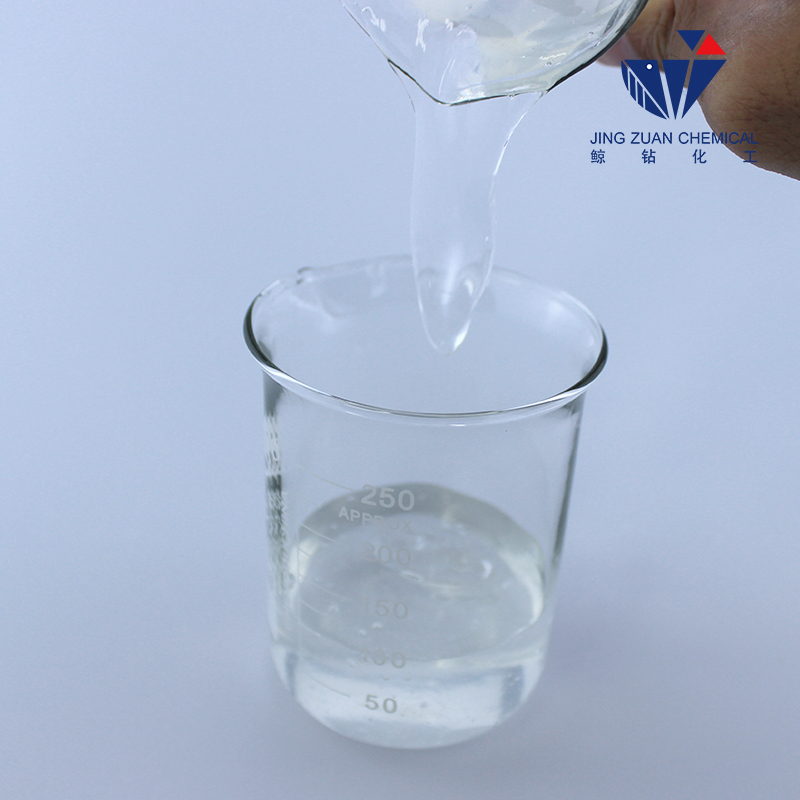
Cellulose Ether | High-Purity HEC Liquid Thickener
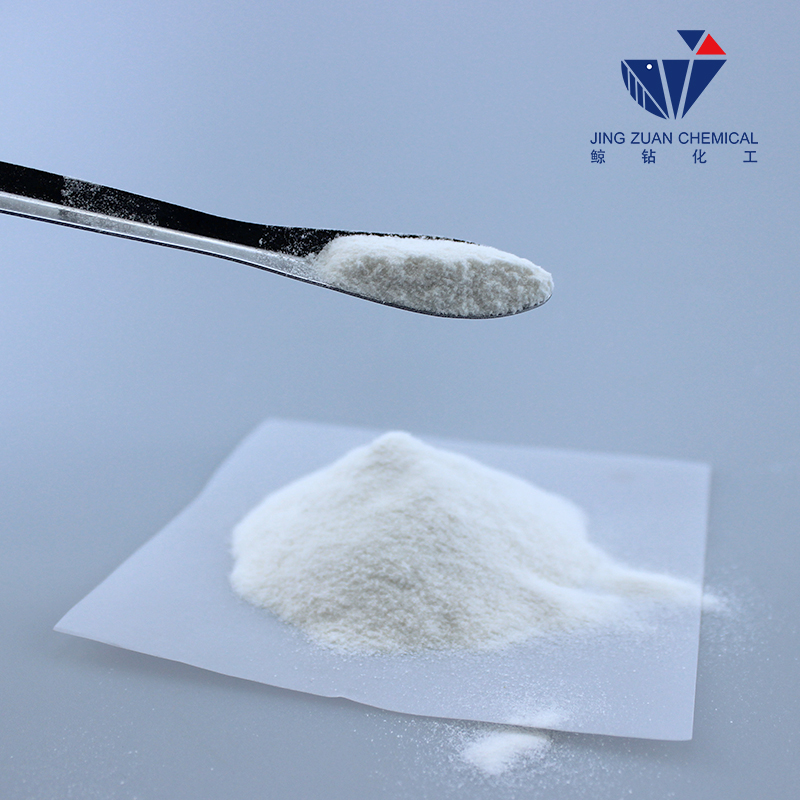
If you formulate tile adhesives, skim coats or water-based paints, you’ve dealt with cellulose ether whether you realized it or not. Specifically, HPMC (Hydroxypropyl Methyl Cellulose) is the quiet workhorse that controls water retention, workability, and consistency. I’ve seen specs sheets fight with jobsite reality—this is where good HPMC earns its keep.
What’s moving the market
Three trends keep coming up in my calls with manufacturers: low-VOC formulations, faster jobsite turnaround, and regional sand/cement variability. High-efficiency cellulose ether with tailored viscosity windows is in demand, especially for EN 12004-2 tile adhesives and lightweight plasters. Pharmaceutical and food grades (E464) are also growing—clean-label excipients, tight particle-size control, and consistency across batches are becoming non-negotiable.
HPMC (Hydroxypropyl Methyl Cellulose) – quick specs
| Chemical Name | Hydroxypropyl Methyl Cellulose (HPMC) |
| Molecular Formula | C36H70O19 |
| Viscosity (mPa·s) | ≈ 400–200,000 (2% solution, Brookfield; real-world use may vary) |
| Moisture | ≤ 5% |
| Residue (Ash) | ≤ 5% |
| Gel Temperature | 62–70 °C |
| Origin | NO.1 BUILDING, TECHNOLOGY CERTER, HIGH-TECH ZONE, SHIJIAZHUANG, HEBEI, CHINA |
| Packaging / Shelf Life | 25 kg bags; shelf life ≈ 24 months dry, sealed |
How it’s made and qualified (short version)
Materials: refined cellulose → alkalization → etherification (methyl, hydroxypropyl groups) → washing → drying → milling → classification. Typical QC includes viscosity profiling (Brookfield), loss on drying, ash, and solution clarity. For construction mixes, labs often use ASTM C1437 flow tests, EN 1015 workability, and EN 12004-2 adhesive performance. In coatings, tack-free and scrub resistance (e.g., ISO 11998) come up. Service life? The powder stays good for ~2 years; performance in cured mortars lasts as long as the cement matrix—decades, assuming design is sound.
Where it shines
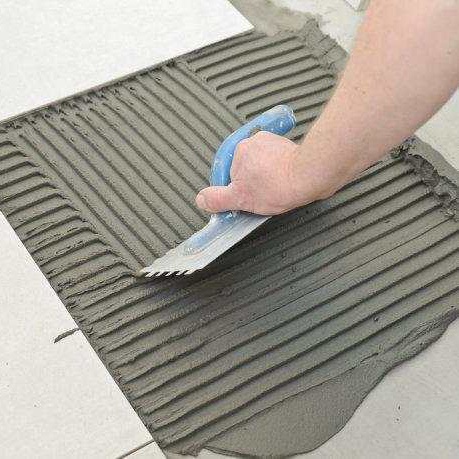
- Tile adhesives and grouts: improved water retention, open time, and anti-slip.
- Skim coats/self-leveling: smoother trowel feel, controlled viscosity.
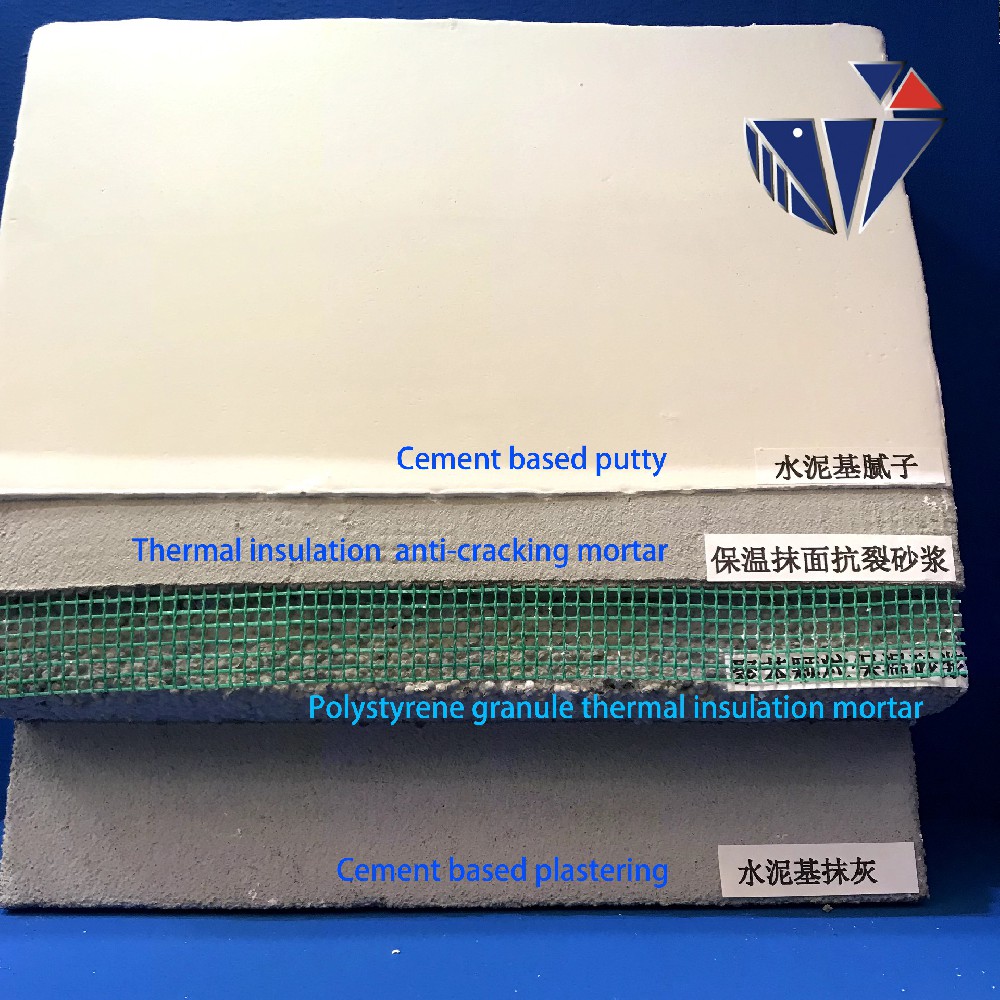
- EIFS/ETICS basecoats: sag resistance and fiber suspension.
- Paints: rheology build, spatter resistance (with associative thickeners).
- Pharma/food (E464): binder, film former; certifications matter.
Many customers say a small tweak in cellulose ether viscosity (say 45k → 60k mPa·s) can turn a “meh” mortar into a joy to trowel. I’ve seen it. The trick is matching sand gradation, cement type, and ambient conditions.
Sample test data (internal lab, n=3; reference formulation)
- Water retention (EN 1015-8): 96–98%.
- Open time extension (EN 12004-2): +10–20 min vs. control.
- Sag (EN 12004-2): ≤ 0.5 mm.
- Mix flow (ASTM C1437): 110–125% depending on dosage (≈0.2–0.4%).
Your mileage may vary—aggregates and polymer content can swing results.
Vendor snapshot (for buyers doing quick due diligence)
| Vendor | Viscosity Range | Certifications | Lead Time | Notes |
|---|---|---|---|---|
| CNJZ Chemical (China) | ≈ 400–200,000 mPa·s | ISO 9001/14001; food/pharma on request | 2–4 weeks | Strong construction focus; custom milling |
| Competitor A (Asia) | ≈ 5,000–100,000 | ISO 9001; REACH prereg. | 3–6 weeks | Good price ladder; limited pharma grades |
| Competitor B (EU) | ≈ 4,000–200,000 | ISO 9001; GMP options | 2–3 weeks (EU) | Premium technical support |
| Trading House | Varies | Depends on source | Stock-based | Check batch consistency carefully |
Data indicative, compiled from public materials and buyer feedback; verify before purchase.
Customization checklist
- Viscosity grade and substitution (DS/MS) tuning.
- Particle size (screened vs. milled), instant vs. delayed hydration.
- Additive blends (e.g., starch ether, RDP) premixes for convenience.
- Compliance pack: COA, TDS, MSDS, Halal/Kosher, USP/Ph.Eur. where applicable.
Mini case: tile adhesive in hot, dry climate
A contractor in a Gulf market complained about fast skinning. We bumped the cellulose ether grade from ~45k to ~60k mPa·s and used a delayed-hydration cut. Result: EN 12004-2 open time improved by ~15 minutes; slip remained within spec. The crew—initially skeptical—called it “less sticky to the trowel, more sticky to tiles.” Simple, but it worked.
Standards and references
-
Understanding Hydroxypropyl Methyl Cellulose MSDS Safety and Compliance
NewsApr.16,2026
-
Understanding the Hydroxypropyl Methyl Cellulose HS Code for Global Trade
NewsApr.09,2026
-
Comprehensive Guide to Hydroxypropyl Methyl Cellulose CAS Number and Applications
NewsApr.07,2026
-
Comprehensive Guide to Hydroxypropyl Methyl Cellulose cas no and its Diverse Applications
NewsApr.04,2026
-
Comprehensive Guide to Hydroxypropyl Methyl Cellulose Manufacturers and Applications
NewsMar.31,2026
-
Understanding Hydroxypropyl Methyl Cellulose Properties And Diverse Applications
NewsMar.28,2026