
Dec . 10, 2025 06:40 Back to list
Cement Bonding Additive - Enhance Concrete Adhesion & Durability
Understanding Cement Bonding Additive: An Industry Insider’s Take
Having spent more than a decade working with industrial materials, especially in cement and concrete applications, I can tell you that a cement bonding additive isn’t just a fancy chemical slapped onto a mix. It’s a subtle but mighty hero that can make or break the integrity of a project.
Oddly enough, back when I first encountered these additives, I was skeptical. “How much difference can a bit of add-on do?” I thought. But after seeing how they improve adhesion, reduce shrinkage, and enhance durability, it’s clear: it’s all about chemistry—and a little bit of magic.
What Exactly Is a Cement Bonding Additive?
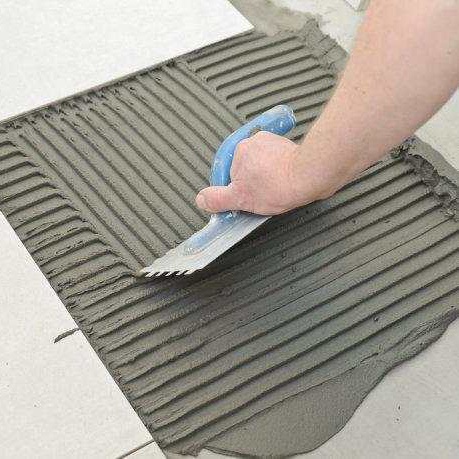
At its core, a cement bonding additive is a specially formulated polymer or copolymer designed to improve the bond between old and new concrete layers or between cement and other substrates. Why does that matter? Well, when you pour fresh concrete over an existing surface (say, a repair job on a floor or wall), the new layer needs to stick tightly. Otherwise, delamination and cracking can occur. And nobody wants that—especially in high-stress industrial settings.
Many engineers and contractors swear by these additives to reduce water-to-cement ratio without sacrificing workability. This means stronger, longer-lasting structures.
Key Specs & Typical Properties
| Property | Typical Value | Notes |
|---|---|---|
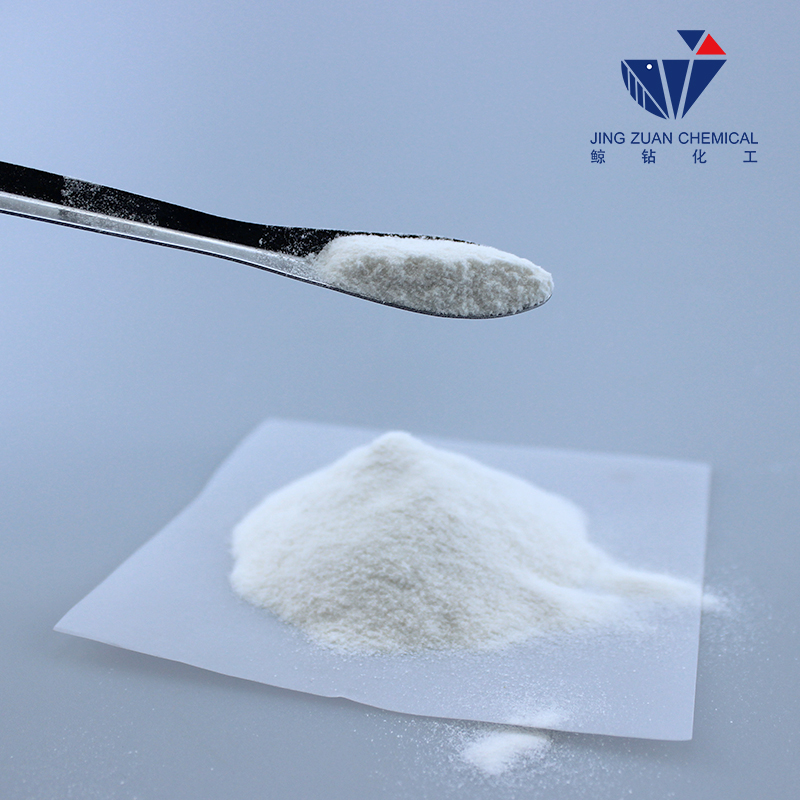
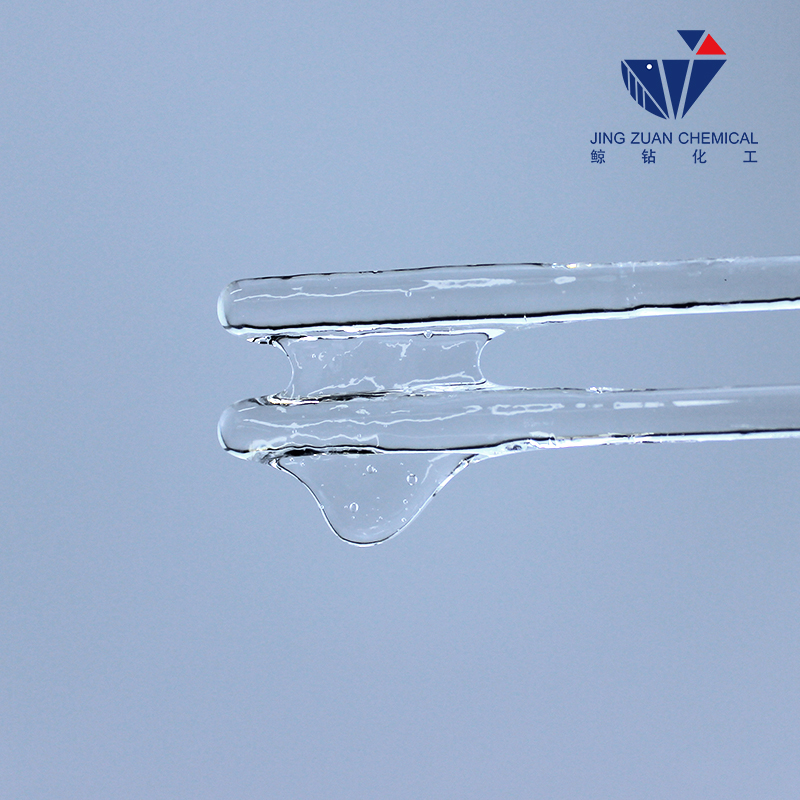
| Appearance | Milky white liquid | Easy to mix in |
| Solids Content | 35% ± 2% | Affects bonding strength |
| pH | 7.5 – 9.0 | Neutral to mildly alkaline |
| Density | 1.05 g/cm³ | Standard for polymer additives |
| Shelf Life | 12 months (cool, dry storage) | Keep from freezing |
Comparing Top Vendors in Cement Bonding Additives
| Vendor | Bond Strength (MPa) | Application Ease | Price Range | Notable Feature |
|---|---|---|---|---|
| CNJZ Chemical | 2.7 - 3.2 | Smooth mixing, good compatibility | Moderate | Custom formulations available |
| Vendor B | 2.2 - 2.8 | Requires longer mixing time | Low | Budget-friendly |
| Vendor C | 3.0 - 3.5 | High viscosity, careful handling | High | Enhanced durability |
Real-World Use & Insights
In real terms, I remember a situation on an aging factory floor where the existing concrete had weathered badly. A direct overlay without any bond enhancement would have been a disaster — delamination was inevitable. We opted for a mixing protocol incorporating a cement bonding additive from CNJZ Chemical, which, frankly, performed beyond expectations. The new layer adhered almost like it was one piece with the old. Plus, the workability allowed for quick application during a tight maintenance window—a real lifesaver.
Of course, not every bonding additive is the same, and it’s essential to evaluate your specific project needs: temperature, substrate condition, curing time. Manufacturers like CNJZ Chemical provide technical support that I’ve found reliable for fine-tuning dosages and blending methods. It’s those small details that save the day down the line.
Why Choose a Cement Bonding Additive?
The advantages are worth a second thought. Reduced cracking, improved adhesion, better resistance to freeze-thaw cycles, and even improved chemical resistance — these help extend the lifespan of concrete installations, saving money over years. The upfront investment in a quality cement bonding additive can pay dividends for industrial facilities where downtime is costly and safety is paramount.
Plus, you often get versatility. Use it for patch repair, overlays, or bonding layers in precast products. It’s a sort of “Swiss Army knife” of additives.
In summary, if you work with concrete, whether as a specifier, contractor, or engineer, it’s hard to ignore how these additives subtly shift your results from “meh” to “solid as a rock.” And really, that’s the goal — lasting, trustworthy construction that holds up under pressure.
Before signing off, just a quick tip: always test a small batch under your site conditions. Additives are no magic bullet if misused, but when they’re right, they’re mighty.
Hope that gives you a solid feel for the role and realities of cement bonding additives. Let me know if you’ve got specific questions — always happy to share an insider’s perspective!
— Tom, Industrial Materials Specialist
References:
- “Polymer Modified Cementitious Materials,” Concrete Society Technical Report, 2022.
- CNJZ Chemical product literature and technical data sheets.
- Personal field experience and case studies from 12+ years in industrial applications.
-
Understanding Hydroxypropyl Methyl Cellulose MSDS Safety and Compliance
NewsApr.16,2026
-
Understanding the Hydroxypropyl Methyl Cellulose HS Code for Global Trade
NewsApr.09,2026
-
Comprehensive Guide to Hydroxypropyl Methyl Cellulose CAS Number and Applications
NewsApr.07,2026
-
Comprehensive Guide to Hydroxypropyl Methyl Cellulose cas no and its Diverse Applications
NewsApr.04,2026
-
Comprehensive Guide to Hydroxypropyl Methyl Cellulose Manufacturers and Applications
NewsMar.31,2026
-
Understanding Hydroxypropyl Methyl Cellulose Properties And Diverse Applications
NewsMar.28,2026