
Nov . 30, 2025 22:50 Back to list
Comprehensive Guide to Cellulose Ether HPMC: Applications, Benefits & Future Trends
Why Cellulose Ether HPMC Matters More Than Ever
In today’s fast-evolving industrial world, cellulose ether HPMC has quietly become a superstar material. You might not notice it directly, but it’s involved in everything from construction to pharmaceuticals. Globally, demand for versatile, sustainable ingredients like hydroxypropyl methylcellulose (HPMC) reflects industries’ push for more reliable, eco-friendly solutions. Understanding this hydrocolloid doesn’t just satisfy curiosity; it unlocks innovations that tackle real challenges — like improving building materials or creating safer drug formulations — while aligning with global sustainability goals.
At a time when the UN highlights the urgency of sustainable development and ISO standards push for safer, greener manufacturing, cellulose ether HPMC’s broad applications and benefits are literally shaping how we build, heal, and innovate.
Mini takeaway: Cellulose ether HPMC is a multifunctional, sustainable agent that solves practical problems globally, from construction to healthcare.
A Look at Cellulose Ether HPMC in the Global Context
The story of cellulose ether HPMC is inseparable from wider industrial trends worldwide. According to ISO, the demand for cellulose derivatives is projected to grow annually by roughly 5% through 2030, driven by burgeoning construction in Asia and pharmaceutical advancements in Europe and the Americas. The World Bank reports construction alone accounts for nearly 13% of global GDP, underscoring the importance of durable materials enhanced by additives like HPMC.
But a challenge looms large: traditional polymers fail under environmental stress or pose ecological risks. That’s where cellulose ether HPMC steps in — offering a biodegradable, stable alternative that can boost the performance of cement, paints, and even personal care products.
Mini takeaway: Global industrial growth and sustainability demands increasingly favor cellulose ether HPMC as a practical solution to material challenges.
Defining Cellulose Ether HPMC — What’s in a Name?
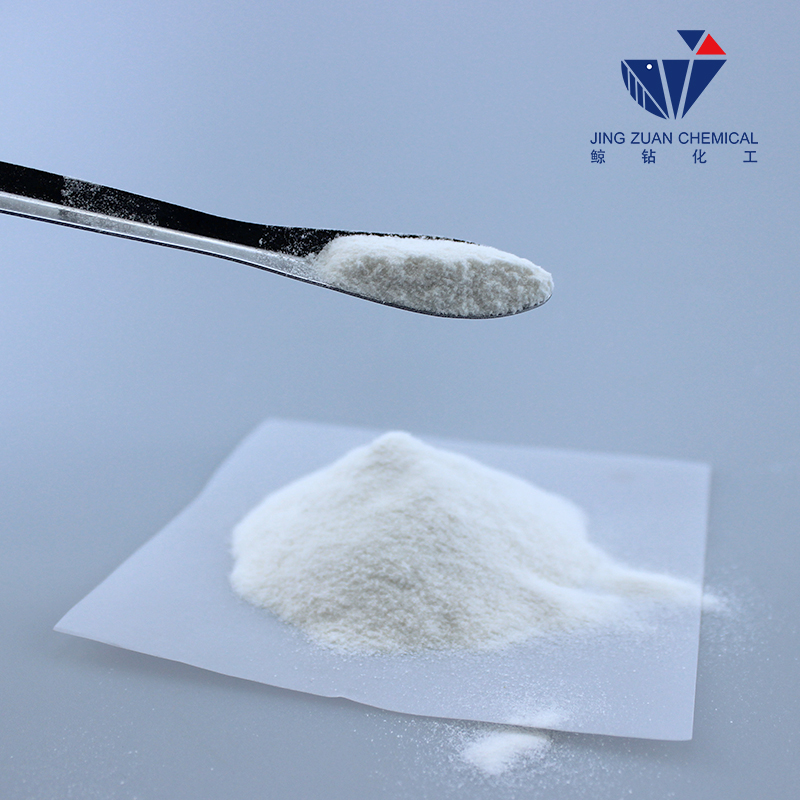
Hydroxypropyl methylcellulose (HPMC) is a chemically modified cellulose derivative, basically cellulose treated to enhance water solubility and film-forming properties. Indigenous to plant cell walls, cellulose by itself is sturdy but somewhat inflexible and insoluble. When chemically etherified, this leads to HPMC — a white, odorless powder that's safe to handle and highly adaptable.
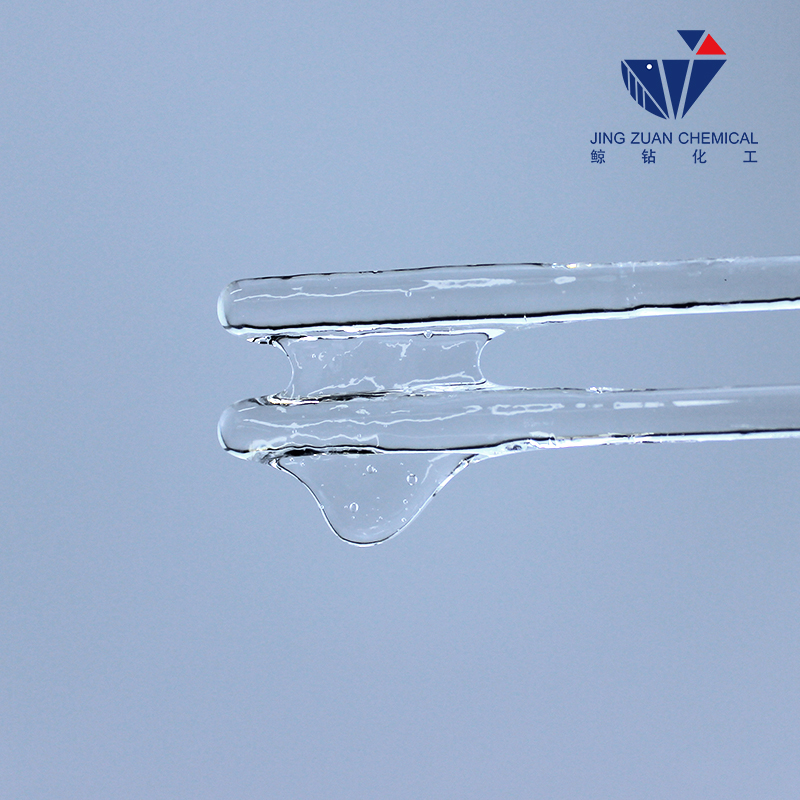
In practice, it acts as a thickener, binder, film former, and emulsifier. Think of it as nature’s sponge dressed for industrial ballgames. For humanitarian and commercial sectors alike, this means better-performing mortars, easier-to-handle pharmaceuticals, and longer-lasting personal care formulations.
Mini takeaway: Cellulose ether HPMC is cellulose modified for water solubility and versatility, making it indispensable in modern industry.
Core Components That Define Cellulose Ether HPMC’s Strength
1. Water Retention & Workability
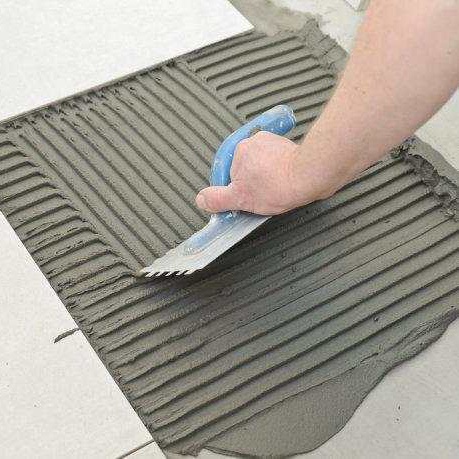
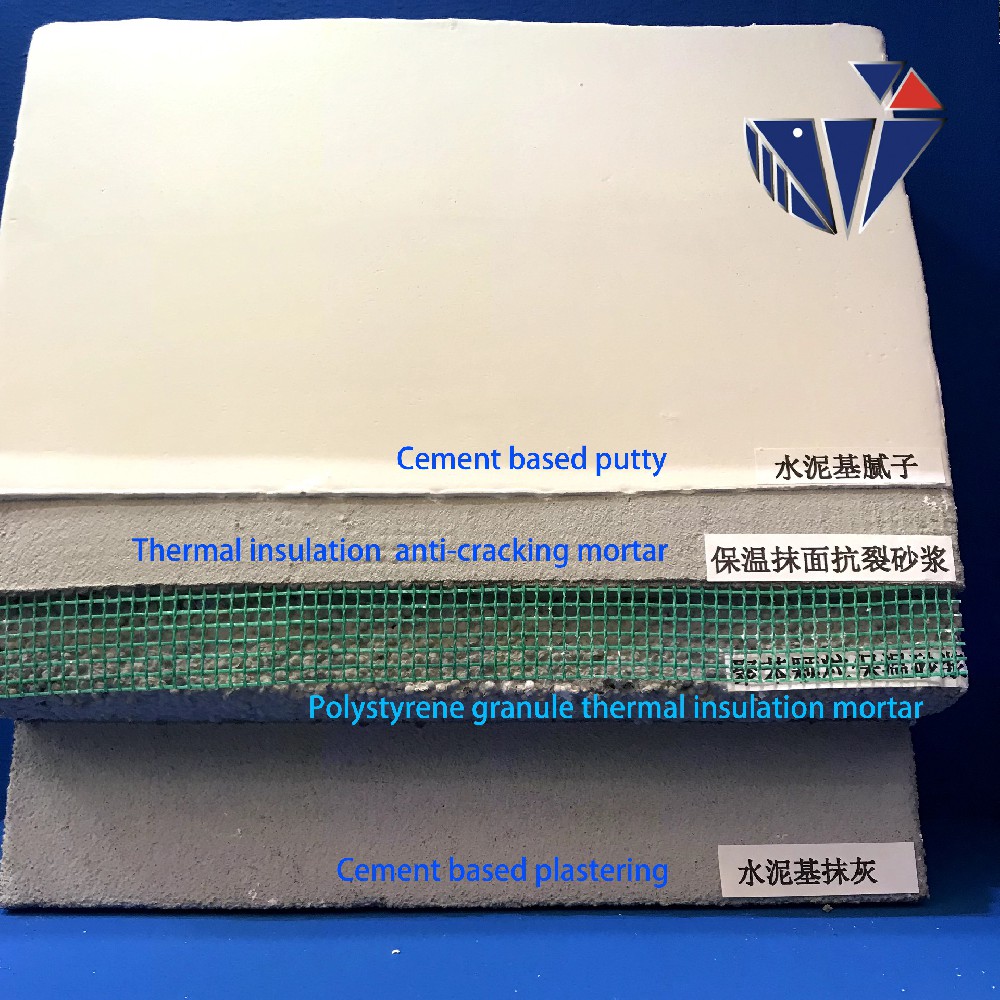
In construction, one crucial attribute is water retention. HPMC prevents rapid drying in cement mixes, ensuring even hydration and stronger bonds. This property improves workability, letting masonry crews shape and smooth quickly without cracking—a detail often overlooked by novices but vital on job sites.
2. Compatibility & Stability
HPMC bonds well with various powders and liquids, ensuring stable suspensions and consistent texture. This makes it popular in pharmaceuticals for controlled-release tablets and cosmetics for smooth creams. Its inert nature means it’s unlikely to react adversely with other ingredients.
3. Thermal Behavior
Interestingly, HPMC exhibits gelation at elevated temperatures, creating a thermogel. This feature is used in controlled drug delivery where temperature-mediated release is critical or in paint formulations where viscosity needs to adjust with temperature changes.
4. Biodegradability & Safety
Because it’s plant-based, HPMC is generally recognized as safe (GRAS) and biodegradable. This matters in medical, food, and environmental contexts, aligning with increasing eco-consciousness in material sourcing.
5. Versatility & Customization
Vendors tailor the viscosity and substitution levels of HPMC depending on application—from low-viscosity grades for injectables to high-viscosity ones for tile adhesives. This range lets manufacturers fine-tune performance without compromising quality.
Mini takeaway: Water retention, thermal gelation, compatibility, safety, and customization make cellulose ether HPMC an industrial multitool.
Global Applications & Use Cases of Cellulose Ether HPMC
From the desert to the arctic, cellulose ether HPMC finds its place. Construction companies in the Middle East rely on HPMC-enhanced mortars to withstand extreme temperatures and humidity. In Europe, pharmaceutical manufacturers use it as a binder and film coating agent, contributing to improved drug shelf life and patient compliance.
In disaster zones, fast-curing, flexible cement mixes with HPMC allow rapid rebuilding of shelters, sustaining dignity and safety for displaced populations. Cosmetic brands use it in Asia to stabilize gels and lotions in humid climates where product consistency can falter quickly.
| Application | Region / Industry | Benefit |
|---|---|---|
| Tile Adhesives & Mortars | Middle East / Construction | Improved water retention & adhesion |
| Pharmaceutical Tablets & Coatings | Europe / Pharma | Controlled drug release & shelf life extension |
| Personal Care Products | Asia / Cosmetics | Stable texture in humid climates |
| Disaster Relief Housing Mixes | Global / Humanitarian | Rapid curing & weather adaptability |
Mini takeaway: Cellulose ether HPMC is a global workhorse, crucial in both high-tech pharma and rugged construction alike.
Advantages and Long-Term Impact of Cellulose Ether HPMC
- Cost Efficiency: HPMC reduces waste and labor time by improving application and sustainability, helping companies tighten budgets.
- Eco-Friendly: Being plant-derived and biodegradable, it aligns with environmental regulations more easily than many synthetic alternatives.
- Enhanced Reliability: It stabilizes products under varied environmental stresses, ensuring end-user satisfaction and trust over years.
- Social Impact: In humanitarian efforts, HPMC assists in rebuilding safer, more durable shelters, advancing dignity and recovery.
"It feels like this material quietly underpins a lot of progress — not flashy, just reliably good," many materials engineers note. That quiet confidence helps brands build trust with their customers and stakeholders alike.
Emerging Trends and Innovations Shaping HPMC Use
Looking ahead, cellulose ether HPMC’s future is intertwined with sustainability and digital tech. Researchers are developing greener production techniques that reduce energy consumption and hazardous byproducts.
Additionally, coupling HPMC with nanomaterials enables smart coatings that respond to heat or humidity, promising higher performance in building facades and medical devices. Automation in mixing and quality control also ensures ever-more consistent product grades. As green energy and circular economy concepts gather momentum, HPMC’s bio-based credentials give it a strategic edge.
Mini takeaway: Cellulose ether HPMC innovation is focusing on green manufacturing and smart material integration for future-ready industries.
Challenges and Practical Solutions in Using Cellulose Ether HPMC
Of course, it’s not perfect. Some users cite cost fluctuations tied to raw cellulose supply or occasional batch viscosity inconsistencies. Solving these requires tight vendor relationships and real-time quality monitoring. Storage conditions are crucial too — HPMC is hygroscopic, so moisture control is key to shelf stability.
Technical support from suppliers often includes tailored formulations and onsite testing to overcome such hurdles. Digital platforms now enable quicker troubleshooting and knowledge sharing across global teams, bridging time zones and expertise gaps.
Frequently Asked Questions About Cellulose Ether HPMC
- What makes cellulose ether HPMC preferable over other cellulose derivatives?
- HPMC uniquely balances water solubility and thermal gelation, offering versatile thickening and binding capabilities with excellent stability, unlike some other cellulose ethers that may lack one of these features.
- How long does HPMC-enhanced mortar last in tough environmental conditions?
- With proper formulation, HPMC mortars maintain durability for decades, resisting cracking and moisture damage better than traditional mixes, thus extending building life cycles significantly.
- Is cellulose ether HPMC safe for food and pharmaceutical applications?
- Yes, it is FDA-approved and generally recognized as safe (GRAS). It is widely used in pill coatings, food additives, and packaging because of its inert, non-toxic nature.
- Can NGOs easily source HPMC for humanitarian projects internationally?
- Most certified suppliers provide export documentation and assistance. NGOs often partner with specialty distributors to navigate import regulations and ensure timely delivery.
- How customizable are the grades of cellulose ether HPMC?
- Quite customizable. Viscosity, substitution rates, and particle size can be tailored to suit applications from thin liquid formulations to thick pastes, making it an adaptable ingredient.
Conclusion: Why Cellulose Ether HPMC Remains Essential
Cellulose ether HPMC stands at the crossroads of tradition and innovation — a plant-based material upgraded for today’s demands. It continues to deliver tangible, long-term benefits, from eco-friendliness to enhanced product performance in both industrial and humanitarian contexts.
If you’re interested in exploring how cellulose ether HPMC can redefine your product formulations or industrial processes, visit our website. There's a wealth of options tailored to your needs waiting just a click away.
Product Specification Table: Typical Cellulose Ether HPMC Grades
| Grade | Viscosity (mPa·s) | Methoxy Content (%) | Hydroxypropyl Content (%) | Primary Application |
|---|---|---|---|---|
| Low Viscosity | 10–50 | 19–24 | 4–12 | Pharmaceutical suspensions & Injectables |
| Medium Viscosity | 100–400 | 19–24 | 4–12 | Tile adhesives & Paints |
| High Viscosity | 1000–3000 | 19–24 | 4–12 | Heavy-duty mortars & Cement mixtures |
Vendor Comparison: Leading Suppliers of Cellulose Ether HPMC
| Supplier | Product Range | Global Reach | Technical Support | Sustainability Practices |
|---|---|---|---|---|
| CNJZ Chemical | Full spectrum, pharma to construction grades | Asia, Europe, Americas | 24/7 expert consults & onsite trials | ISO 14001 & bio-based sourcing |
| Dow Chemical | Broad industrial grades | Global with strong North America concentration | Extensive digital support & resources | Committed to reducing carbon footprint |
| Ashland Inc. | Specialty pharma & cosmetic grades | Global but focused on pharma hubs | Product customization & regulatory guidance | Focus on renewable feedstocks |
References
-
Understanding Hydroxypropyl Methyl Cellulose MSDS Safety and Compliance
NewsApr.16,2026
-
Understanding the Hydroxypropyl Methyl Cellulose HS Code for Global Trade
NewsApr.09,2026
-
Comprehensive Guide to Hydroxypropyl Methyl Cellulose CAS Number and Applications
NewsApr.07,2026
-
Comprehensive Guide to Hydroxypropyl Methyl Cellulose cas no and its Diverse Applications
NewsApr.04,2026
-
Comprehensive Guide to Hydroxypropyl Methyl Cellulose Manufacturers and Applications
NewsMar.31,2026
-
Understanding Hydroxypropyl Methyl Cellulose Properties And Diverse Applications
NewsMar.28,2026