
Dec . 14, 2025 04:00 Back to list
Comprehensive Guide to Celulosa HPMC - Industrial Uses and Benefits
Understanding Celulosa HPMC: A Global Game-Changer in Industrial and Humanitarian Fields
If you've ever been curious about what makes modern construction materials tick, celulosa hpmc is a surprisingly pivotal player. From construction to pharmaceuticals, its presence often goes unnoticed, yet it quietly supports countless industries worldwide. This article dives into what celulosa hpmc is, its significance in the global market, and why anyone involved in manufacturing, building, or even disaster relief might want to keep it on their radar.
To put it simply, celulosa hpmc (hydroxypropyl methylcellulose) is a versatile cellulose derivative that helps improve the performance and sustainability of many products. It’s crucial for industries striving to meet ever-increasing standards of efficiency, sustainability, and cost-effectiveness.
The Global Landscape: Why Celulosa HPMC Matters More Than Ever
The world’s environmental and economic challenges have put pressure on manufacturers and industries to innovate their materials. According to ISO standards and reports from the United Nations, sustainable additives like celulosa hpmc are becoming essential. Sustainable building materials, more efficient pharmaceutical formulations, and eco-friendly consumer goods all benefit from this compound.
Here's something interesting: global construction markets rely heavily on additives like celulosa hpmc to improve workability and durability of products like plaster and cement, especially in fast-growing regions such as Asia-Pacific and Latin America (source: World Bank). But it’s not just construction—celulosa hpmc finds vital use in food, cosmetics, and textile industries, helping solve problems like ingredient stability and product lifespan.
Simply put, without materials like celulosa hpmc, many modern solutions would struggle to meet global demands for sustainability and safety.
Mini takeaway: Celulosa hpmc’s versatility makes it a foundation stone in sustainable industrial innovation worldwide.
What Exactly is Celulosa HPMC?
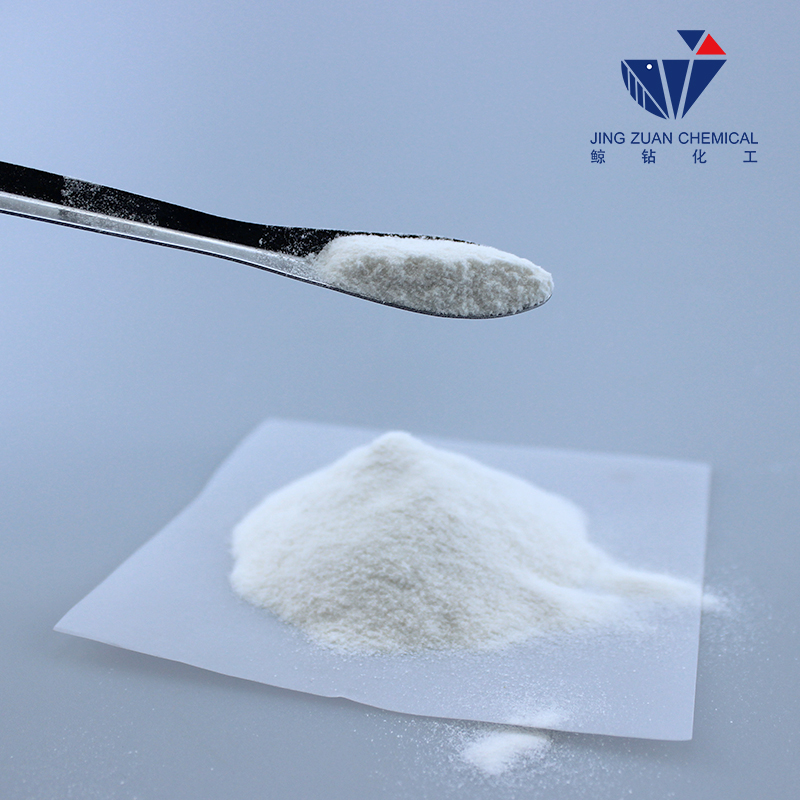
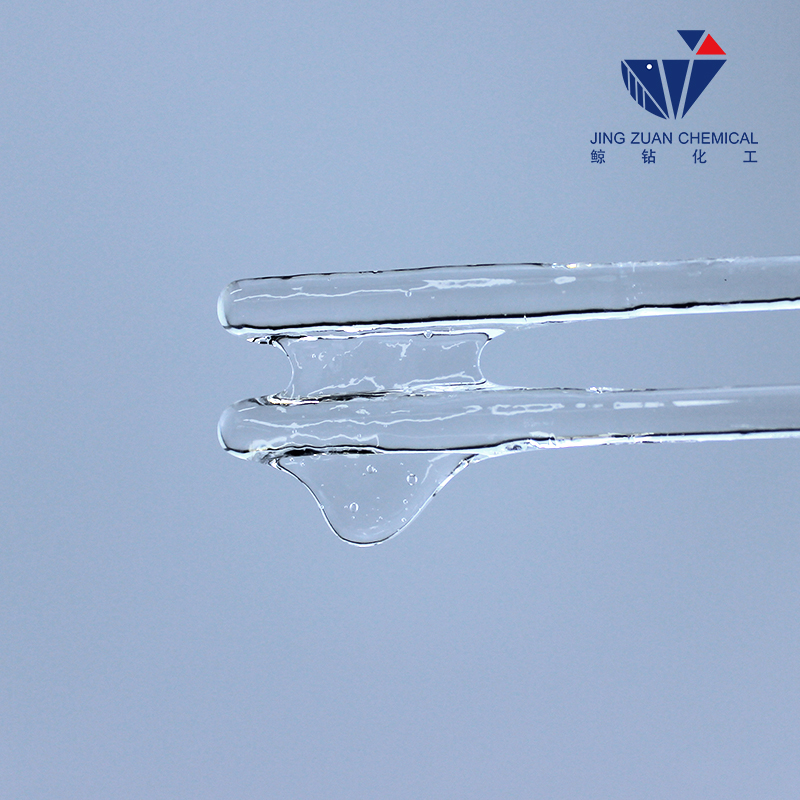
So, what is this stuff? Celulosa hpmc—or Hydroxypropyl Methylcellulose—is a chemically modified cellulose derived from natural plant fibers. It’s water-soluble, odorless, and tasteless, acting as a thickener, emulsifier, and stabilizer across industries. Think of it as a sort of invisible helper that enhances texture, consistency, and stability without interfering with the product itself.
In industrial terms, it's a binder and water-retention agent, making it invaluable in ready-mixed mortars, tile adhesives, and even pill coatings. It connects nature’s raw materials to modern needs—something both eco-conscious and practical.
celulosa hpmc embodies this concept beautifully: a bridge between natural cellulose and performance chemistry.
Mini takeaway: Celulosa hpmc is a natural-turned-engineered material, essential for enhancing product quality in many sectors.
Key Characteristics That Make Celulosa HPMC an Industry Favorite
1. Water Retention and Workability
This property improves the consistency of cement mortars or paints, preventing premature drying and cracking. Many construction engineers mention water retention as a crucial factor for a longer working time.
2. Thickening and Stabilizing Agent
In pharmaceutical and food industries, celulosa hpmc stabilizes emulsions and suspensions, ensuring even texture and efficacy throughout shelf life.
3. Adhesion and Film Formation
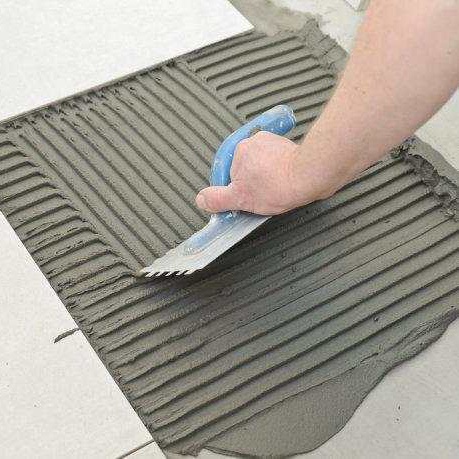
It enhances bonding in tile adhesives and coating materials, contributing to the durability of surfaces exposed to tough environments.
4. Thermal Stability
Unlike many organic compounds, celulosa hpmc maintains properties under varying temperatures, making it suitable for external applications in construction.
5. Eco-Friendly and Non-Toxic
Derived from renewable resources, it fits neatly into greener product formulations, helping companies meet environmental regulations.
Mini takeaway: From water retention to sustainability, celulosa hpmc packs several performance punches critical to modern manufacturing.
Global Applications: Where Celulosa HPMC Makes a Difference
Applications of celulosa hpmc span continents and industries:
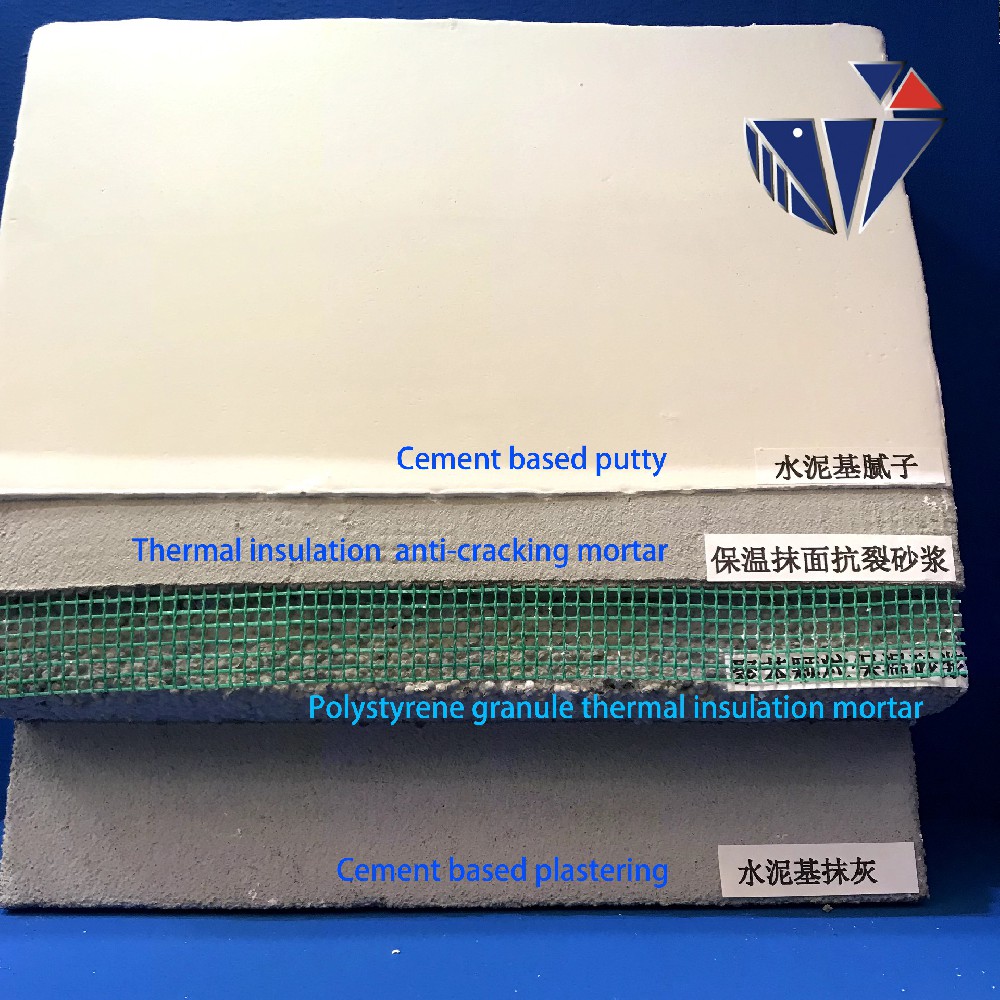
- Construction: Used extensively in plaster, mortar, tile adhesives, and cement mixes—especially in climates demanding longer work times and better moisture control.
- Pharmaceuticals: As a binder or film former in tablets, it helps control drug release profiles.
- Cosmetics: Provides smooth textures and stabilizes emulsions in creams and lotions.
- Food Industry: Acts as a thickening agent in gluten-free baking and low-fat products.
- Humanitarian Aid: In disaster zones where quick-setting building materials and safe drug formulations matter, celulosa hpmc improves durability and safety.
For instance, in remote industrial zones in Africa or Asia, construction firms rely on celulosa hpmc-enriched mortars to achieve weather-resistant, resilient structures quickly. Meanwhile, NGOs deploying medical aid appreciate the role it plays in stable pharmaceutical products under tough transport conditions.
Mini takeaway: Celulosa hpmc’s multi-industry reach underlines its adaptability and indispensable nature worldwide.
Product Specification Table
| Property | Typical Value | Units |
|---|---|---|
| Methoxy Content | 19.5 - 24.5 | % |
| Hydroxypropyl Content | 4.0 - 12.0 | % |
| Viscosity (2% solution) | 1000 - 15000 | mPa·s |
| pH (2% solution) | 5.0 - 8.0 | – |
| Moisture Content | ≤5.0 | % |
Comparing Leading Celulosa HPMC Vendors
| Vendor | Viscosity Range (mPa·s) | Primary Market | Notable Strength | Price Level |
|---|---|---|---|---|
| CNJZ Chemical | 5000-12000 | Construction & Pharma | Consistent quality & fast shipping | Competitive |
| Dow Chemical | 1000-15000 | Global Multi-Sector | High-grade purity | Premium |
| Ashland | 2000-10000 | Pharmaceutical & Food | Custom formulation options | Mid-range |
Why Investing in Celulosa HPMC Pays Off Long Term
From a strategic standpoint, companies adopting celulosa hpmc gain:
- Cost Efficiency: Reduces material waste and improves application consistency.
- Durability: Strengthens products against weathering, mechanical stress, and aging.
- Sustainability: Supports eco-friendly certifications and reduces environmental footprint.
- Safety & Trust: Non-toxic and stable formulations ensure consumer safety and build brand loyalty.
Frankly, the intangible benefits—trust, brand reputation, regulatory ease—often outweigh direct cost savings. Many engineers I've chatted with believe that using celulosa hpmc elevates their products’ value beyond just specs on paper.
Mini takeaway: Celulosa hpmc is an investment in quality, trust, and sustainability that pays dividends long after purchase.
On the Horizon: Trends & Innovations with Celulosa HPMC
Innovation doesn't sleep, and neither does the world of celulosa hpmc:
- Green Chemistry: Developing more bio-based and biodegradable derivatives.
- Digital Transformation: Enhanced process control in manufacturing for consistent grades.
- Nanotechnology: Incorporating nano-cellulose to boost mechanical strength.
- Smart Formulations: Responsive materials adapting to environmental stimuli.
For a market so mature, it's fascinating to see fresh innovations pushing boundaries year after year...
Challenges Today and How Industry Leaders Tackle Them
Not everything is smooth sailing—supply chain disruptions, price fluctuations in raw materials, and quality consistency challenges sometimes pop up. Also, environmental concerns press for improved biodegradability beyond current levels.
Industry insiders recommend:
- Supplier Diversification: Avoid bottlenecks by having multiple trusted sources like celulosa hpmc specialists.
- Quality Assurance Programs: Implement rigorous testing regimes aligned with ISO 9001 standards.
- Research Investments: Collaborate with universities to explore greener derivatives.
It feels like each hurdle nudges progress forward if you play it right.
FAQ: Practical Answers About Celulosa HPMC
- Q1: How does celulosa hpmc improve mortar performance in construction?
- A: It enhances water retention and workability, preventing premature drying and cracking. This results in smoother application and stronger, longer-lasting structures.
- Q2: Is celulosa hpmc safe for use in pharmaceuticals and food?
- A: Yes. It is non-toxic, tasteless, and meets regulatory standards such as those set by the FDA and EMA, making it suitable for use in pills, creams, and food products.
- Q3: Can NGOs source celulosa hpmc products internationally for disaster relief?
- A: Absolutely. Trusted suppliers like celulosa hpmc manufacturers offer global shipping and technical support to aid rapid deployment in crisis zones.
- Q4: How eco-friendly is celulosa hpmc compared to synthetic alternatives?
- A: Derived from renewable cellulose sources, it generally has a lower environmental footprint and offers better biodegradability, making it an eco-preferred additive.
Wrapping Up: Why Celulosa HPMC Should Be on Your Industry Radar
In a nutshell, celulosa hpmc stands out as a multifaceted helper across industries—a natural compound empowered by chemistry to meet the exacting demands of today's markets. Whether you're tweaking mortar for a rainy climate or formulating stable pharmaceuticals, this compound pulls its weight without fuss.
Considering long-term sustainability, cost-effectiveness, and performance, it’s no surprise that manufacturers worldwide keep celulosa hpmc in their toolkit. If you’re looking to explore or incorporate this wonder material, why not start your journey now? Visit our website: https://www.cnjzchemical.com for more detailed info and sourcing options.
It’s one of those quiet workhorses that, oddly enough, makes all the difference.
References
-
Understanding Hydroxypropyl Methyl Cellulose MSDS Safety and Compliance
NewsApr.16,2026
-
Understanding the Hydroxypropyl Methyl Cellulose HS Code for Global Trade
NewsApr.09,2026
-
Comprehensive Guide to Hydroxypropyl Methyl Cellulose CAS Number and Applications
NewsApr.07,2026
-
Comprehensive Guide to Hydroxypropyl Methyl Cellulose cas no and its Diverse Applications
NewsApr.04,2026
-
Comprehensive Guide to Hydroxypropyl Methyl Cellulose Manufacturers and Applications
NewsMar.31,2026
-
Understanding Hydroxypropyl Methyl Cellulose Properties And Diverse Applications
NewsMar.28,2026