
Dec . 13, 2025 06:40 Back to list
Comprehensive Guide to Hpmc Applications: Uses, Benefits & Market Insights
Hpmc Applications is a key solution in the industry, specifically within construction, pharmaceuticals, and cosmetics. This article explores how https://www.cnjzchemical.com supports professionals with durable, high-performance products, and explains why this product is an ideal choice for businesses in these sectors.
Table of Contents
- Hpmc Applications Overview
- Benefits & Use Cases of Hpmc Applications
- Cost, Maintenance & User Experience
- Sustainability & Market Trends
Hpmc Applications Overview
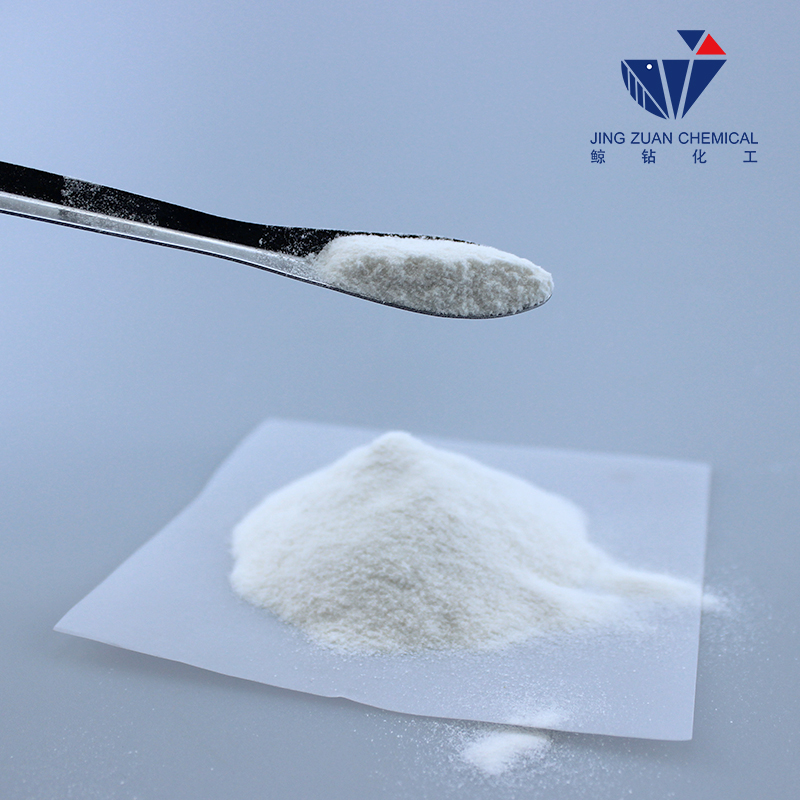
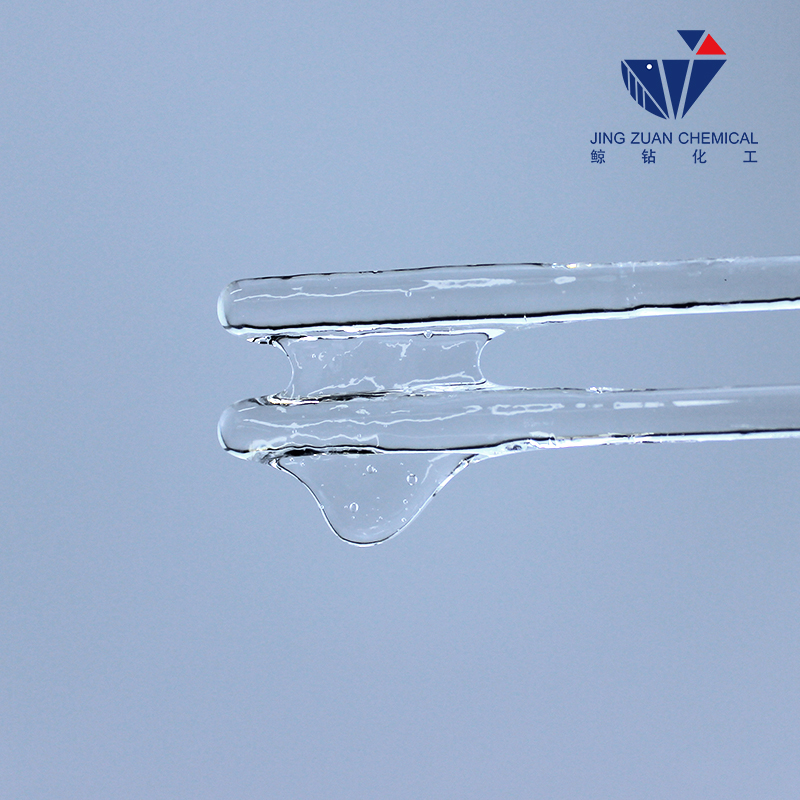
Hydroxypropyl methylcellulose (HPMC) is a versatile, non-ionic cellulose ether widely used as a thickener, binder, and film-former in various industries. At its core, HPMC is prized for its water solubility and ability to create consistent gels or films, which can stabilize formulations or improve texture and application. Frankly, it’s the unsung hero behind many industrial products.
- HPMC’s importance lies in improving products’ durability and ease of use, from construction mortars to pharmaceutical coatings.
- Technical specs from cnjzchemical.com highlight viscosity grades ranging from 10,000 to 400,000 mPa·s, moisture content under 5%, and a typical particle size of 40-60 mesh.
| Specification | Typical Range |
|---|---|
| Viscosity (mPa·s) | 10,000–400,000 |
| Moisture Content (%) | ≤ 5 |
| PH (5% solution) | 5.0–8.0 |
| Particle Size (mesh) | 40–60 |
Benefits & Use Cases of Hpmc Applications
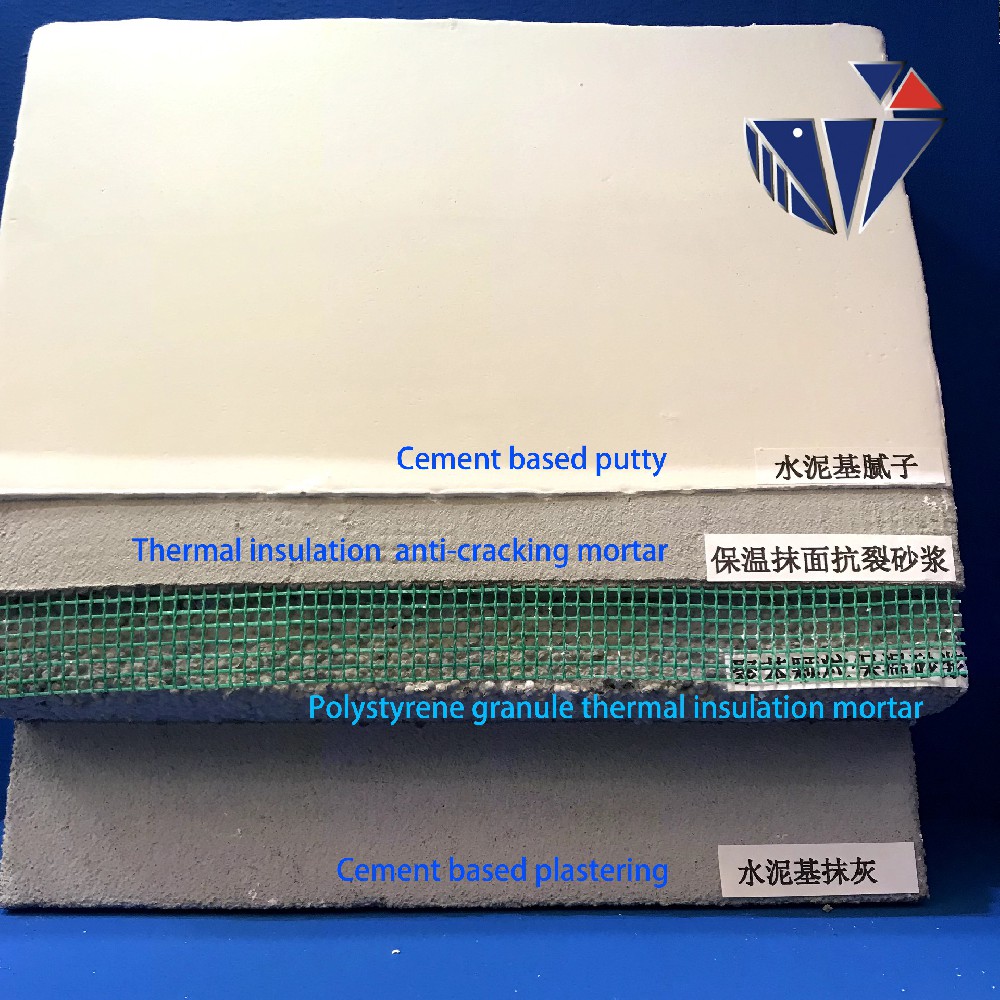
You know, one of the reasons HPMC applications are thriving is because of how flexible this compound is across sectors. Construction companies rely on HPMC for improving workability and water retention in plaster and mortar—that ease of spreadability can make or break a project timeline. In pharmaceuticals, it works as a controlled-release agent in tablets, essentially helping medications deliver the right dose over time.
- In the cosmetics industry, HPMC acts as a film former and emulsifier, lending products a luxurious texture and stability.
- Competitive edge comes from its non-toxic, hypoallergenic nature and remarkable thermal stability, which many users appreciate when formulations are exposed to varying conditions.
Cost, Maintenance & User Experience
When weighing costs, it’s worth noting that the total cost of ownership with HPMC is quite reasonable. Yes, upfront investment might seem higher compared to some bare-minimum substitutes, but durability and consistent performance often save firms money over time. Many customers mention reduced material wastage and fewer quality control issues—a sort of ‘quiet efficiency’ that’s hard to quantify but very real.
- Maintenance is generally low, given HPMC’s chemical stability and resistance to microbial attack in most formulations.
- User feedback from manufacturing partners suggests improved production consistency and favorable end-product texture, which customers appreciate.
Sustainability & Market Trends
Sustainability is no longer optional in B2B decision-making these days, and here HPMC’s natural cellulose derivation signals a promising future. It’s biodegradable and sourced from renewable plant materials, which fits well within tightening regulations on eco-friendly product ingredients. Oddly enough, this aligns both with market growth and corporate responsibility goals.
- Emerging trends show growing use of HPMC in green building materials and ‘clean-label’ personal care products, reflecting the sustainability push.
| Vendor | Viscosity Range (mPa·s) | Price ($/kg) | Sustainability Certification |
|---|---|---|---|
| CNJZ Chemical | 10,000–400,000 | $6.50 | ISO 14001 |
| Competitor A | 8,000–350,000 | $7.20 | No |
| Competitor B | 15,000–370,000 | $6.80 | ISO 9001 |
Frequently Asked Questions about Hpmc Applications
- What is Hpmc Applications and how does it work?
- HPMC Applications refer to the use of hydroxypropyl methylcellulose as a functional additive in industrial formulations. It works by thickening, binding, and stabilizing mixtures, thanks to its water-soluble cellulose structure which forms gels or films under certain conditions.
- What are the main benefits of using Hpmc Applications in industrial applications?
- The main benefits include enhanced product stability, improved texture and consistency, resistance to microbial degradation, and eco-friendliness. It also helps reduce production costs by minimizing material waste.
- How does Hpmc Applications compare to traditional alternatives?
- Compared to traditional thickeners or binders, HPMC offers better water retention, thermal stability, and neutrality, with fewer side effects like odor or toxicity. It’s also more versatile across formulations, making it a modern choice for evolving industry needs.
- What industries can benefit most from Hpmc Applications implementation?
- Industries such as construction (for mortars and plasters), pharmaceuticals (tablet coatings), and cosmetics (creams and lotions) benefit significantly. Success stories often highlight smoother application, longer shelf life, and easier processing.
Conclusion on Hpmc Applications from china
To wrap up, Hpmc Applications represent a practical and increasingly vital ingredient in manufacturing various products across multiple industries. Its blend of efficiency, sustainability, and adaptability makes it a smart choice for B2B decision makers aiming for quality and cost control. If you’re considering a reliable supplier with comprehensive support, do check out https://www.cnjzchemical.com.
In real terms, embracing HPMC is less about jumping on a trend and more about investing in an ingredient that quietly improves your product’s performance day after day.
References
- CNJZ Chemical Product Data Sheets – https://www.cnjzchemical.com
- Industrial Applications of Cellulose Ethers, Journal of Applied Polymers, 2022
- Sustainability Trends in B2B Chemicals, Green Industry Review, 2023
-
Understanding Hydroxypropyl Methyl Cellulose MSDS Safety and Compliance
NewsApr.16,2026
-
Understanding the Hydroxypropyl Methyl Cellulose HS Code for Global Trade
NewsApr.09,2026
-
Comprehensive Guide to Hydroxypropyl Methyl Cellulose CAS Number and Applications
NewsApr.07,2026
-
Comprehensive Guide to Hydroxypropyl Methyl Cellulose cas no and its Diverse Applications
NewsApr.04,2026
-
Comprehensive Guide to Hydroxypropyl Methyl Cellulose Manufacturers and Applications
NewsMar.31,2026
-
Understanding Hydroxypropyl Methyl Cellulose Properties And Diverse Applications
NewsMar.28,2026