
Dec . 11, 2025 06:40 Back to list
Comprehensive Guide to Hpmc for B2B Decision Makers | CNJZ Chemical
Hpmc is a key solution in the industry, specifically within sectors requiring high-performance additives such as construction, pharmaceuticals, and coatings. This article explores how https://www.cnjzchemical.com supports professionals with durable, high-performance products, and explains why this product is an ideal choice for businesses in these sectors.
Table of Contents
- Hpmc Overview
- Benefits & Use Cases of Hpmc
- Cost, Maintenance & User Experience
- Sustainability & Market Trends
- Frequently Asked Questions about Hpmc
- Conclusion on Hpmc from China
Hpmc Overview
Hydroxypropyl methylcellulose, or Hpmc, is a semi-synthetic polymer derived from cellulose. Frankly, it’s one of those versatile materials that keeps popping up across numerous industries. At its core, Hpmc acts as a rheology modifier, thickener, and film-former, which makes it incredibly valuable in construction (think cement additives), pharmaceuticals (tablet binders), and even paints and coatings.
Technically speaking, Hpmc molecules are crafted by substituting hydroxyl groups in cellulose with hydroxypropyl and methyl groups. This chemical tailoring ensures solubility in cold water and stability across a broad pH range – crucial when you want consistent performance, no matter the environment.
| Specification | Details |
|---|---|
| Chemical Name | Hydroxypropyl Methylcellulose |
| CAS Number | 9004-65-3 |
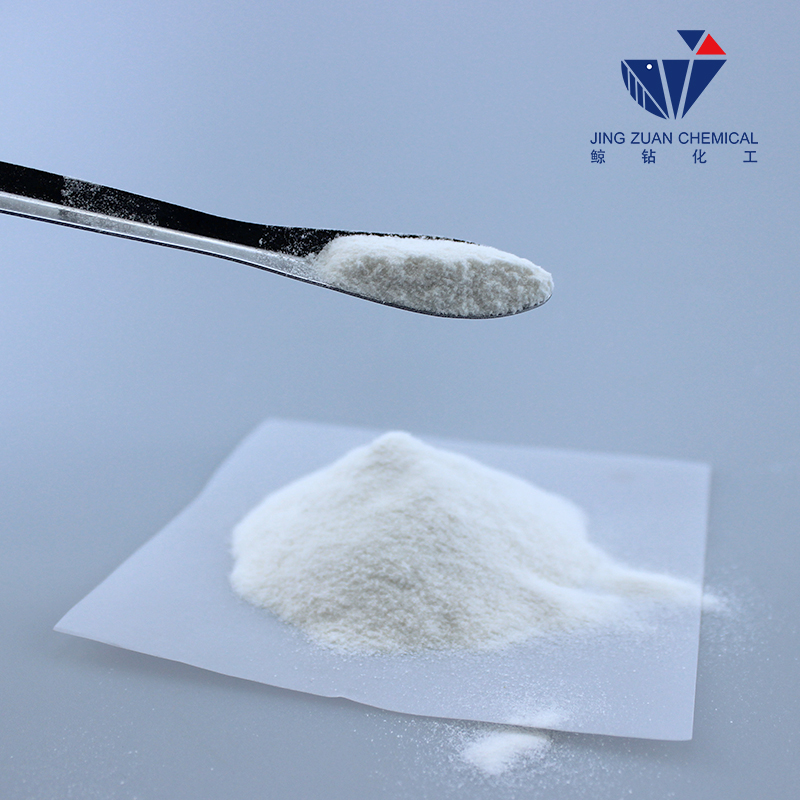
| Appearance | White to off-white powder |
| Solubility | Cold water soluble |
| Viscosity Range | 50 – 4000 mPa·s (depending on grade) |
Benefits & Use Cases of Hpmc
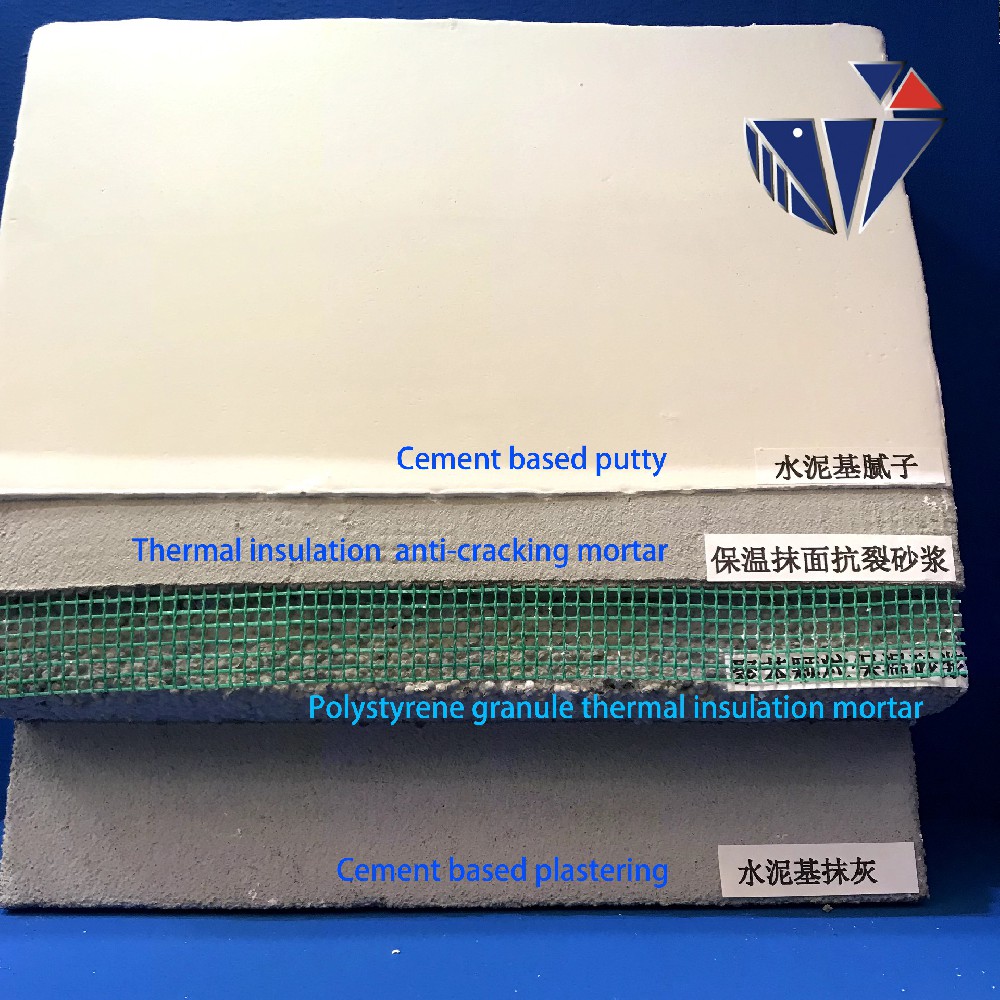
Industries have embraced Hpmc largely because of its multifunctional benefits. In construction, for example, Hpmc improves water retention in cement mixtures, which helps with workability and leads to stronger, crack-resistant concrete. Many engineers might say it’s the go-to additive when optimizing mortar consistency, especially in hot or dry climates.
Pharmaceutical manufacturers prefer Hpmc because it acts as a binder and controlled-release agent in tablets, ensuring consistent dosage and stability. Oddly enough, its film-forming properties also make it popular in eye drops and other personal care products.
Beyond that, Hpmc offers excellent thickening and emulsifying qualities in paints and coatings that enhance spreadability and prevents sagging — a real edge in the highly competitive coatings market.
Cost, Maintenance & User Experience
When weighing cost, it’s tempting to just look at the upfront price per kilogram of Hpmc. Yet, in real terms, the total cost of ownership matters far more. Because Hpmc increases product durability and reduces waste—for instance, in cement mixes—it can lower overall material usage. That's something many B2B buyers notice quickly: a smaller amount yields better results.
Feedback from companies partnering with this supplier shows good satisfaction with batch consistency and ease of blending. Some users mention that because Hpmc is stable over long storage periods, inventory losses decrease – a subtle but important cost factor.
Vendor Comparison for Hpmc Suppliers
| Supplier | Price/kg (USD) | Quality Certifications | Lead Time | Customization Options |
|---|---|---|---|---|
| CNJZ Chemical | 3.50 – 4.20 | ISO 9001, SGS | 1–3 weeks | Viscosity, particle size |
| Supplier B | 3.80 – 4.50 | ISO 9001 | 2–5 weeks | Limited |
| Supplier C | 3.30 – 3.90 | None | 4–6 weeks | None |
Sustainability & Market Trends
The market for Hpmc is growing steadily, tied closely to expanding construction activity especially in emerging economies. What’s interesting here is how sustainability concerns shape product demand—Hpmc’s natural origin (cellulose-based) and biodegradability play well in efforts to reduce environmental footprints.
Regulatory bodies push for safer, non-toxic additives in consumer products — something Hpmc meets quite comfortably. For B2B customers, this means not only adhering to increasing regulations but also marketing products with an eco-friendly edge, which frankly, can be a competitive advantage.
Frequently Asked Questions about Hpmc
- What is Hpmc and how does it work?
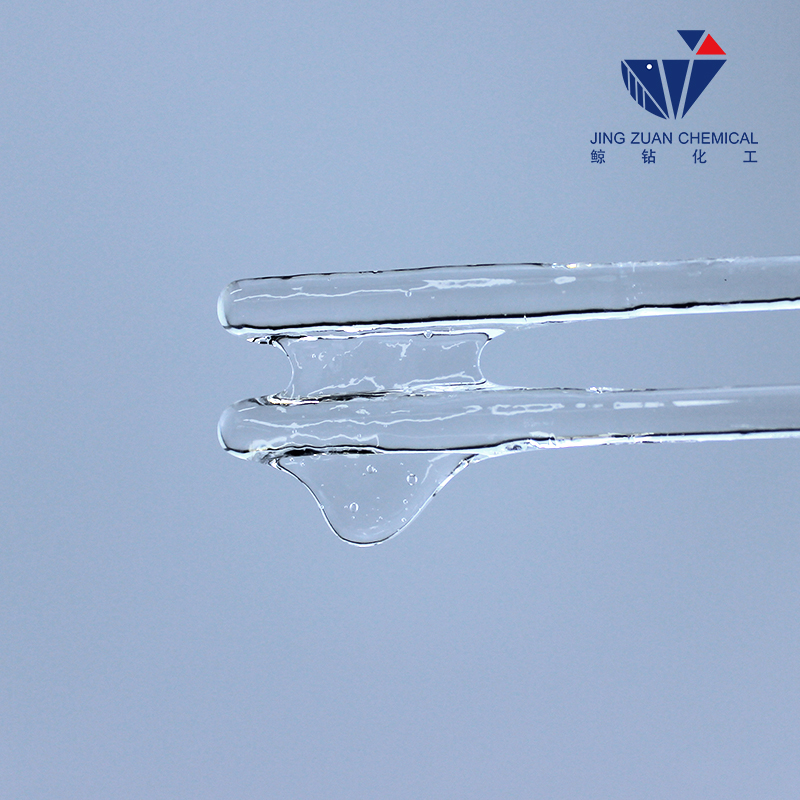
- Hpmc is a cellulose derivative that dissolves in cold water to form a viscous solution. It thickens and stabilizes mixtures by increasing molecular entanglement and interaction, improving texture and consistency in formulations ranging from cement to pharmaceutical tablets.
- What are the main benefits of using Hpmc in industrial applications?
- Key advantages include improved water retention, increased durability, and controlled viscosity. This means better product quality, longer shelf life, and often reduced costs by optimizing material usage.
- How does Hpmc compare to traditional alternatives?
- Compared to traditional cellulosic ethers or synthetic polymers, Hpmc offers greater thermal stability and solubility in cold water, making it more versatile. It’s less prone to degradation and generally provides a smoother texture in end products.
- What industries can benefit most from Hpmc implementation?
- Construction, pharmaceuticals, paints & coatings, cosmetics, and food industries all utilize Hpmc for its binding, thickening, and stabilizing properties. Companies in these sectors often cite it as an essential functional additive.
Conclusion on Hpmc from China
In essence, Hpmc is a quietly powerful ingredient for many industrial processes. Its ability to enhance product stability, reduce costs, and comply with sustainability goals makes it a compelling choice. Suppliers like CNJZ Chemical provide reliable access to high-quality Hpmc that meets stringent certifications, which is reassuring for any B2B decision maker weighing options.
- Recap the value of Hpmc as an effective, versatile polymer.
- Visit our website: https://www.cnjzchemical.com
Oddly enough, it’s these behind-the-scenes materials like Hpmc that really keep the industrial wheels turning smoothly...
-
Understanding Hydroxypropyl Methyl Cellulose MSDS Safety and Compliance
NewsApr.16,2026
-
Understanding the Hydroxypropyl Methyl Cellulose HS Code for Global Trade
NewsApr.09,2026
-
Comprehensive Guide to Hydroxypropyl Methyl Cellulose CAS Number and Applications
NewsApr.07,2026
-
Comprehensive Guide to Hydroxypropyl Methyl Cellulose cas no and its Diverse Applications
NewsApr.04,2026
-
Comprehensive Guide to Hydroxypropyl Methyl Cellulose Manufacturers and Applications
NewsMar.31,2026
-
Understanding Hydroxypropyl Methyl Cellulose Properties And Diverse Applications
NewsMar.28,2026