
Dec . 02, 2025 09:05 Back to list
Comprehensive Guide to HPMC Hydroxypropyl Methylcellulose in Industry
Understanding HPMC Hydroxypropyl Methylcellulose: A Vital Ingredient in Modern Industry
At first glance, hpmc hydroxypropyl methylcellulose might sound like a mouthful of chemical jargon, but in reality, it is a remarkably versatile material influencing many industries worldwide. Whether subtly improving your everyday products or playing a starring role in industrial innovations, understanding this compound matters—big time.
Globally, the demand for efficient, sustainable, and safe materials is increasing rapidly. According to various industry reports, specialty polymers like HPMC are critical to addressing challenges related to environmental sustainability, product performance, and cost efficiency.1 Before delving deeper, it’s worth framing why this polymer is becoming indispensable today.
Global Context: Why HPMC Hydroxypropyl Methylcellulose Matters
The world’s industrial fabric is woven more and more with materials that offer flexibility, safety, and ecological advantages. HPMC fits this trend perfectly. It is used in construction, pharmaceuticals, food, and personal care products—fields that cumulatively affect billions of people.
To put it bluntly: as urban populations grow and industries stiffen standards on sustainability, knowing the properties and applications of materials like HPMC helps businesses stay ahead. For example, the global cellulose ethers market size, prominently featuring HPMC, is projected to cross $1.2 billion by 2027, a testament to its rising relevance.2
Yet, despite such growth, challenges persist. The industrial sector is pushing for materials that combine cost-effectiveness without sacrificing quality or environmental impact—a balancing act HPMC seems relatively good at.
What Is HPMC Hydroxypropyl Methylcellulose?
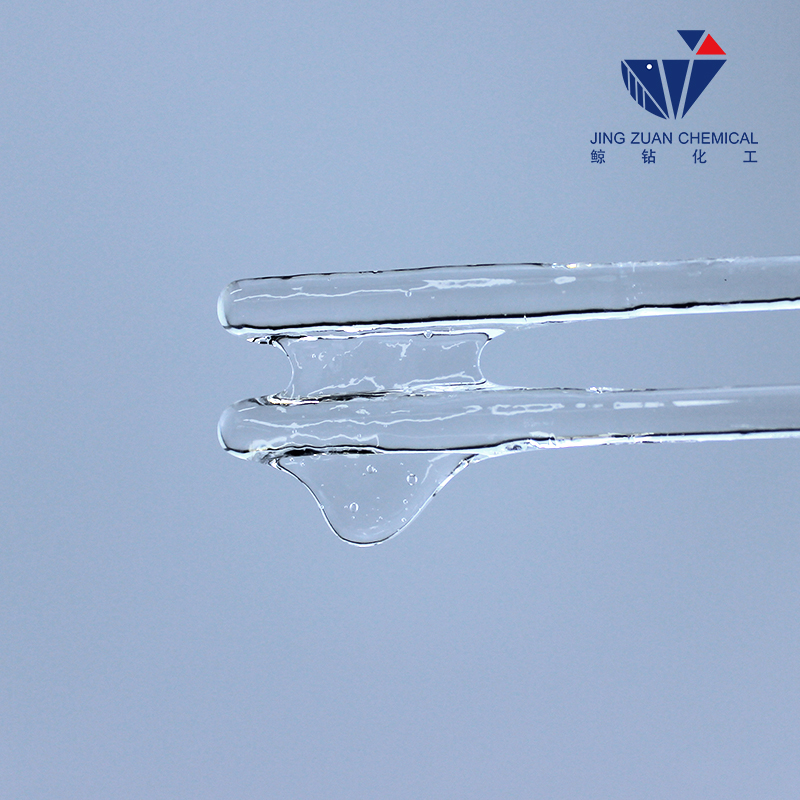
Simply put, hpmc hydroxypropyl methylcellulose is a chemically modified cellulose polymer derived from plant fibers. It is a non-ionic, water-soluble binder and thickener commonly used to improve texture, stability, and workability in various products. Oddly enough, while it’s synthetic, it still comes from renewable resources, making it a bridge between nature and technology.
This polymer’s unique chemical structure endows it with film-forming abilities, moisture retention, and binding strength—qualities sought in everything from drywall compounds to pharmaceutical tablets.
Key Factors Underpinning HPMC's Value
1. Versatility
HPMC is found in a multitude of sectors: drywall additives in construction, controlled-release coatings in pharmaceuticals, gluten replacement in gluten-free food products, and viscosity modifiers in personal care.
2. Durability and Stability
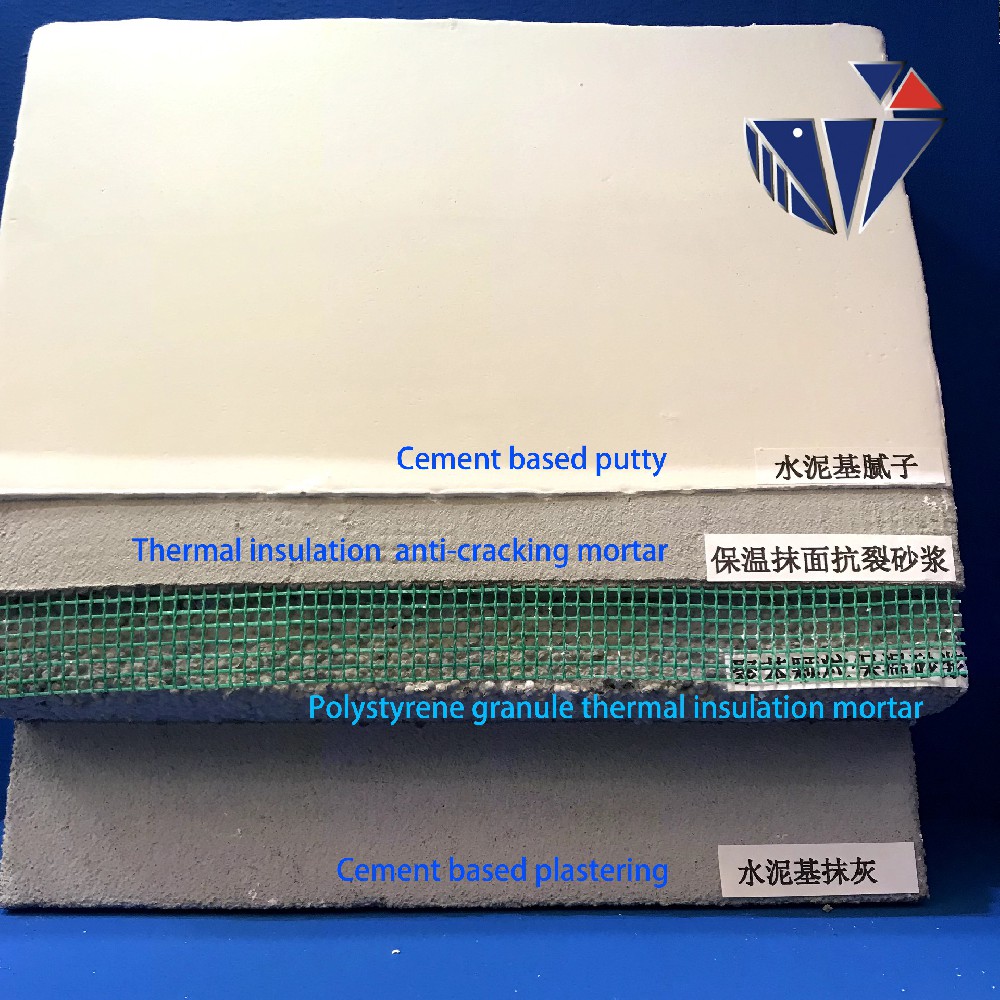
The polymer provides long-lasting performance even under harsh conditions—moisture, temperature variations, and mechanical stress. This is why it is favored in building materials globally.
3. Environmental Compatibility
Unlike many petroleum-based polymers, HPMC is biodegradable and derived from cellulose, a renewable resource, supporting green initiatives.
4. Cost Efficiency
Despite its advanced applications, HPMC remains affordable, especially when considering lifecycle cost savings in products it enhances.
5. Regulatory Acceptance
HPMC is FDA-approved for various uses, including pharmaceuticals and food, which means it meets strict health and safety criteria.
Typical Product Specifications of HPMC
| Specification | Value/Range | Unit |
|---|---|---|
| Methoxy Content | 19-24 | % |
| Hydroxypropyl Content | 4-12 | % |
| Viscosity (2% aqueous solution) | 100-4000 | mPa·s |
| pH (1% solution) | 5-8 | - |
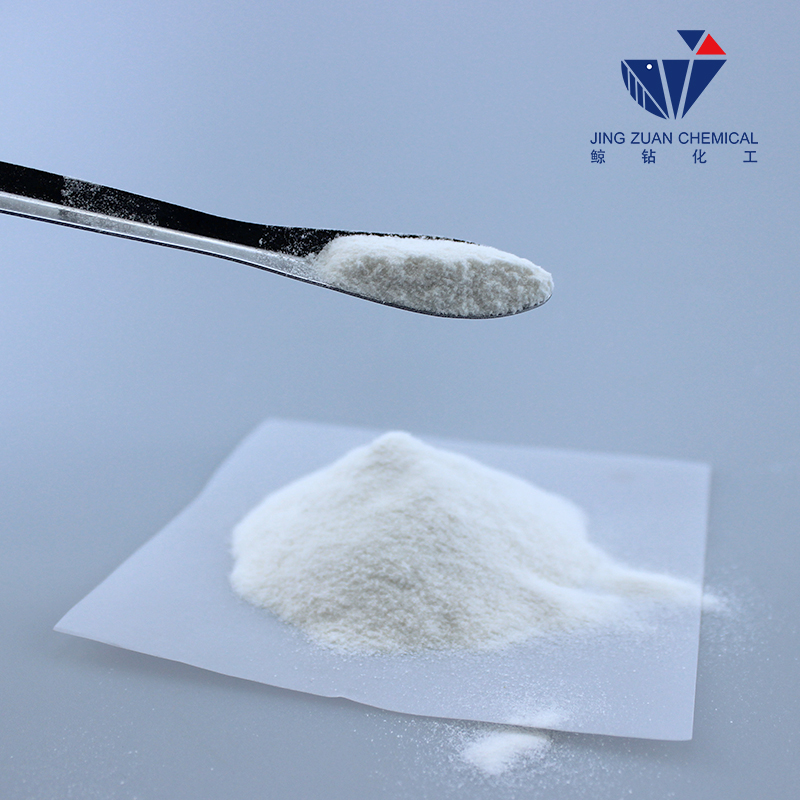
| Appearance | White or off-white powder | - |
Mini takeaway: HPMC’s chemical profile offers stability and adaptability, making it a reliably consistent ingredient for diverse industrial needs.
Global Applications & Use Cases of HPMC Hydroxypropyl Methylcellulose
Industries are not shy about embracing HPMC. In Asia and Europe, it is a usual suspect in high-performance construction materials, helping buildings endure moisture without sacrificing breathability. In the pharmaceutical landscape, companies use it worldwide to create controlled-release pills that gently deliver medicine, enhancing patient outcomes.
Non-governmental organizations working in disaster relief rely on HPMC-based cement and plasters to rapidly rebuild shelters with durable walls. Meanwhile, the personal care industry leverages HPMC for its thickening properties in shampoos and creams, balancing formulation without harsh chemicals.
Vendor Comparison: Leading HPMC Suppliers
| Vendor | Product Range | Price Range (per kg) | Certification | Lead Time |
|---|---|---|---|---|
| CNJZ Chemical | Wide (Construction, Pharma grade) | $4.50 - $7.00 | ISO, FDA | 1-2 weeks |
| Dow Chemical | Pharma & Construction | $5.00 - $8.00 | ISO, FDA, REACH | 2-3 weeks |
| Ashland | Specialty & Food Grade | $6.00 - $9.50 | FDA, Kosher | 3-4 weeks |
Mini takeaway: When considering suppliers for hpmc hydroxypropyl methylcellulose, balance product range, certification, price, and delivery speed according to your project needs.
Advantages & Long-Term Value
Cost-wise, HPMC helps reduce waste and improve product lifespan, which ultimately saves money. There’s also an immense social benefit: for example, in pharmaceutical applications, it improves drug stability and patient compliance—an often underappreciated but deeply human advantage.
From a sustainability perspective, replacing synthetic additives with HPMC supports green targets without compromising performance. Emotionally, there’s a certain reassurance in knowing a product contains a bio-derived material that is FDA-approved and backed by decades of research.
Future Trends & Innovations in HPMC Hydroxypropyl Methylcellulose
Looking ahead, innovations focus on combining HPMC with nanotechnology and bio-based composites to create smarter, more responsive materials. Efforts are underway to reduce energy consumption in its production process, meeting the broader environmental goals outlined by ISO standards.3
Also, digital transformation in supply chains means companies now track HPMC from raw material to finished product more transparently than ever—boosting trust and traceability.
Challenges & Expert Solutions
One common limitation is that HPMC’s performance can vary depending on batch quality and source material purity. Some industries face hurdles in optimizing HPMC blends for extreme environments. However, ongoing R&D is improving standardization and expanding HPMC’s usable temperature and pH ranges through cross-linking and co-polymer technologies.
FAQ: Practical Questions About HPMC Hydroxypropyl Methylcellulose
- What industries most commonly use HPMC?
Construction, pharmaceuticals, food, and cosmetics are top users due to HPMC’s thickening, binding, and film-forming properties. - Is HPMC safe for pharmaceutical applications?
Yes, it is FDA-approved and widely used as an excipient in controlled-release tablets and eye drops, ensuring safety and efficacy. - Can HPMC improve sustainability in building materials?
Definitely. HPMC enhances moisture resistance and durability, extending material life and lowering environmental impact. - How can NGOs access HPMC for disaster relief?
They can source from reputable suppliers with established international shipping, like hpmc hydroxypropyl methylcellulose providers, ensuring quality and timely delivery.
Conclusion: Why HPMC Hydroxypropyl Methylcellulose Deserves Attention
To sum it up, hpmc hydroxypropyl methylcellulose is a quietly powerful player in a host of industries worldwide. It brings together cost efficiency, safety, sustainability, and versatility. For businesses and organizations eager to innovate responsibly, investing time in understanding and sourcing quality HPMC is well worth it.
So if you’re curious or involved in sectors like construction, pharma, or personal care, I’d definitely recommend diving deeper—starting, perhaps, with trusted suppliers such as hpmc hydroxypropyl methylcellulose.
Thanks for sticking around to explore this fascinating material with me. Hopefully, it feels a little less like an acronym and a bit more like a game-changing ingredient in today’s tech and sustainability journey.
Quick takeaway: HPMC represents the crossroads of natural sourcing and industrial innovation—an ingredient that’s humble but essential.
References
-
Understanding Hydroxypropyl Methyl Cellulose MSDS Safety and Compliance
NewsApr.16,2026
-
Understanding the Hydroxypropyl Methyl Cellulose HS Code for Global Trade
NewsApr.09,2026
-
Comprehensive Guide to Hydroxypropyl Methyl Cellulose CAS Number and Applications
NewsApr.07,2026
-
Comprehensive Guide to Hydroxypropyl Methyl Cellulose cas no and its Diverse Applications
NewsApr.04,2026
-
Comprehensive Guide to Hydroxypropyl Methyl Cellulose Manufacturers and Applications
NewsMar.31,2026
-
Understanding Hydroxypropyl Methyl Cellulose Properties And Diverse Applications
NewsMar.28,2026