
Nov . 27, 2025 15:05 Back to list
Comprehensive Guide to HPMC Polymer: Applications, Benefits & Future Trends
Understanding HPMC Polymer and Its Global Impact
If you’ve ever dabbled in construction chemicals, pharmaceuticals, or even cosmetics, you might have come across the term hpmc polymer. But what exactly is it, and why does it matter on a global scale? Simply put, hpmc polymer (Hydroxypropyl Methylcellulose) is a versatile, water-soluble cellulose derivative that's quietly shaping industries worldwide — from improving building materials’ durability, to enabling environmentally friendlier manufacturing. Grasping how hpmc polymer works isn’t just for chemists or engineers; it’s increasingly vital as sustainability and efficiency take center stage across sectors.
This article peels back the layers of this fascinating polymer, exploring its definition, applications, and why it’s such a quietly indispensable marvel in modern industry.
The Global Context: Why HPMC Polymer Matters Today
Global markets, especially large-scale construction and pharmaceutical industries, are growing at a dizzying pace. According to ISO, increasing demand for sustainable and high-performance materials has driven cellulose derivatives like hpmc polymer into the spotlight. The World Bank estimates that global infrastructure investment will exceed $3 trillion annually in the near future — and many projects now rely on advanced polymers to meet longevity and safety standards.
But challenges persist. Construction delays, material failures, and environmental concerns weigh heavily on companies worldwide. That’s where hpmc polymer steps in, offering solutions that enhance material properties, reduce waste, and lower carbon footprints. Its unique properties help address issues like water retention, adhesion, and film-forming that are critical to overcoming global industry challenges.
Mini takeaway: As companies strive for sustainable innovation, hpmc polymer emerges as a quiet hero, balancing performance with environmental responsibility.
What Exactly Is HPMC Polymer?
At its core, the hpmc polymer is a chemically modified cellulose — cellulose, of course, being the primary structural component in plants. Through a carefully controlled process, hydroxyl groups in cellulose are replaced with hydroxypropyl and methyl groups, which imparts the polymer with water solubility, thickening ability, and film-forming capabilities.
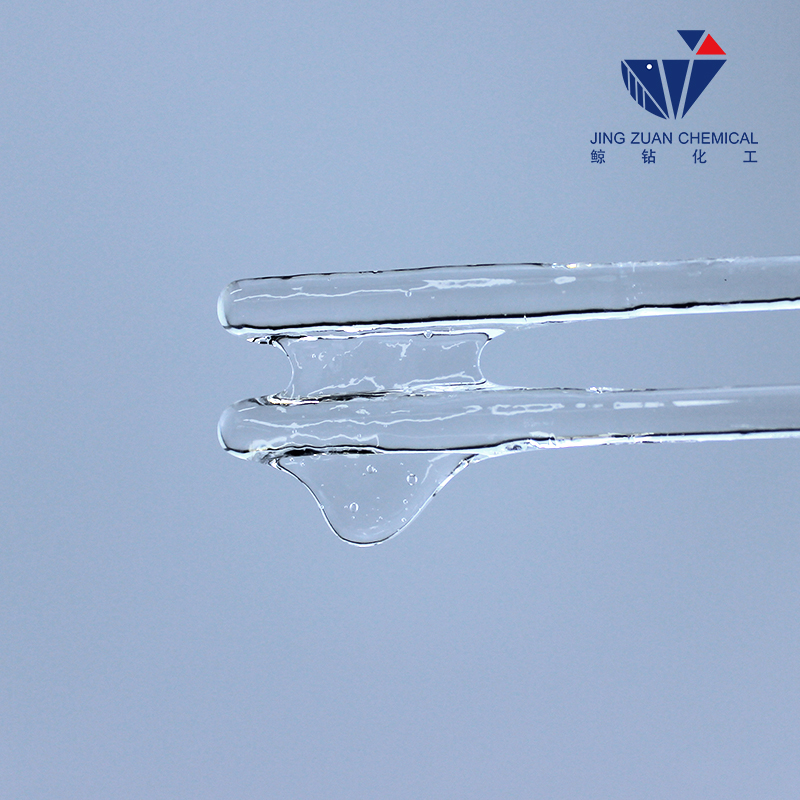
Think of it as cellulose’s cooler, more adaptable cousin — able to dissolve in cold and warm water without breaking down, forming viscous solutions used in a range of industrial and consumer products. From thickening adhesives to stabilizing drywall mud to acting as a binder in pharmaceuticals, hpmc polymer is the unsung workhorse bridging natural and synthetic worlds.
Core Attributes of HPMC Polymer
1. Water Retention
One standout feature is its uncanny ability to retain water, which is pivotal in cementitious materials. This keeps mixtures hydrated longer, leading to stronger, crack-resistant concrete or plaster — particularly crucial for hot or dry climates.
2. Film-Forming Capability
Hpmc polymer’s film-forming ability makes it prized in coatings and adhesives. It forms uniform, flexible films upon drying that protect surfaces and enhance durability — a must in paints or tile adhesives.
3. Thickening and Rheology Modification
In many suspensions, hpmc polymer acts as a smart thickener, modifying flow behavior to ensure even dispersion of solids and prevent sedimentation. That’s why it’s common in pharmaceuticals, food, and cosmetic formulations, where consistency is key.
4. Chemical Stability and pH Tolerance
Remarkably, it’s stable across a wide pH range and resistant to degradation, which lends it exceptional reliability in diverse environments — from alkaline cement pastes to acidic pharmaceutical suspensions.
5. Non-Toxic and Biocompatible
Its safety profile is another reason its popularity continues to soar in medicinal tablets and eye drops, where biocompatibility and inertness aren’t negotiable.
Mini takeaway: Its blend of water interaction, film-forming, and safety make hpmc polymer top-tier for tricky industrial demands.
How HPMC Polymer Is Changing Industry Applications Worldwide
From the deserts of the Middle East to humid tropical zones in Southeast Asia, hpmc polymer’s applications are vast and vital.
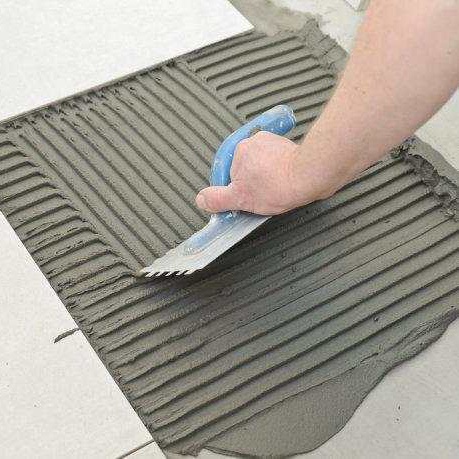
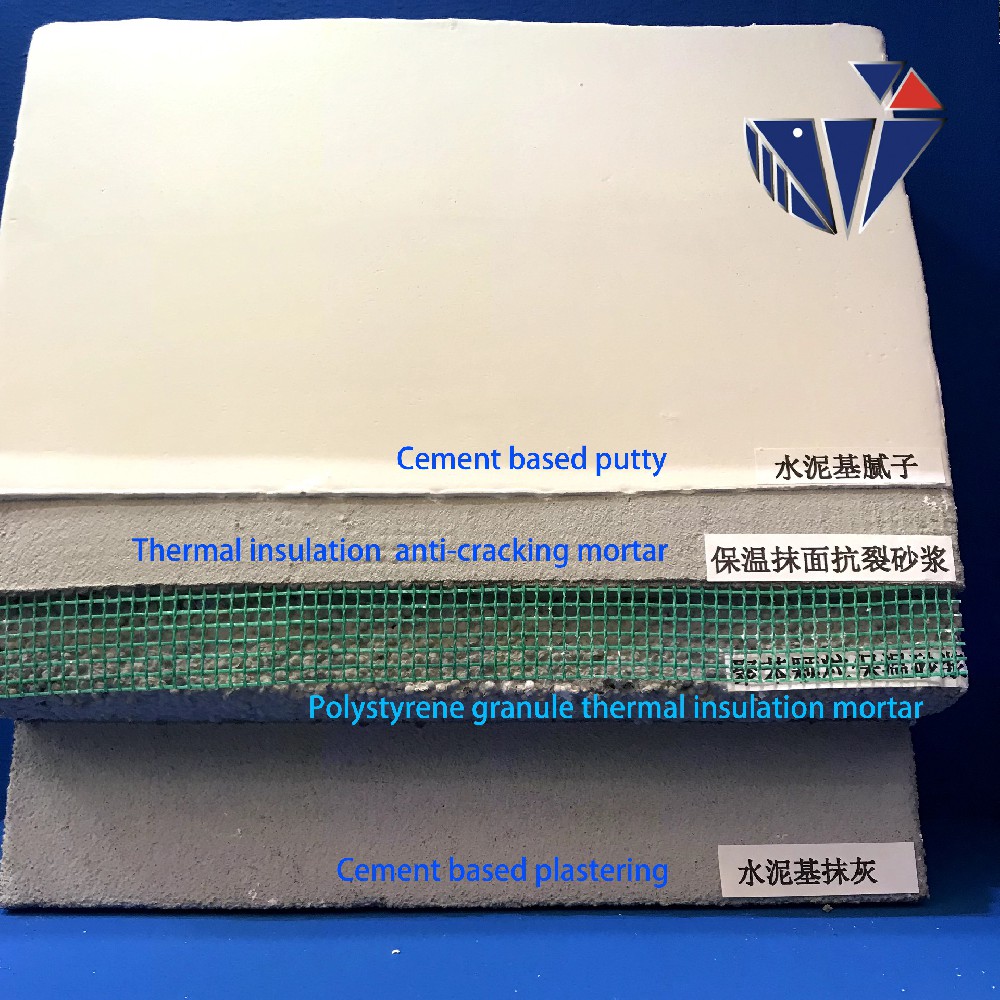
- Construction: Used extensively in tile adhesives, plaster, mortars, and cement-based materials, especially where water retention and workability are critical.
- Pharmaceuticals: As a tablet binder and controlled-release agent, hpmc polymer ensures consistent drug delivery and stability.
- Cosmetics: Employed as a thickener and stabilizer in lotions and creams.
- Food industry: Imparts texture and stability to gluten-free and vegan items.
- Disaster Relief: Quick-drying coatings made with hpmc polymer can be used for temporary shelters or surface sealing in emergency rebuilds.
For example, in remote industrial zones, the use of hpmc polymer-enhanced mortars reduces the need for skilled labor by improving workability — a practical boon where trained masons are scarce.
Specification Table: Typical HPMC Polymer Grades
| Property | Standard Grade | High Viscosity Grade | Pharmaceutical Grade |
|---|---|---|---|
| Viscosity (mPas, 2% in water at 20°C) | 2000 - 2500 | 4000 - 5000 | 1500 - 2200 |
| Methoxy Content (%) | 19 - 24 | 20 - 25 | 22 - 26 |
| Hydroxypropyl Content (%) | 4 - 12 | 7 - 14 | 5 - 11 |
| pH (1% Solution) | 5.0 - 9.0 | 6.0 - 8.0 | 6.5 - 7.5 |
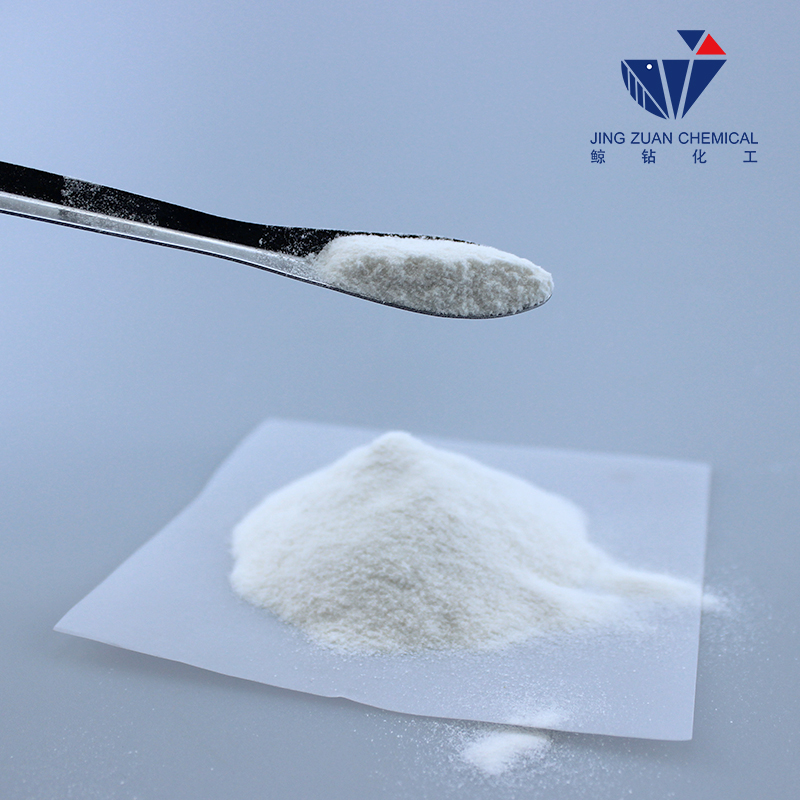
| Appearance | White or off-white powder | White powder | Pharmaceutical-grade powder |
Comparing Vendor Profiles: Choosing the Right HPMC Polymer Supplier
| Vendor | Location | Product Range | Certifications | Typical Lead Time |
|---|---|---|---|---|
| CNJZ Chemical | China | Standard, High Viscosity & Pharma Grades | ISO 9001, GMP | 2 - 3 weeks |
| Sigma-Aldrich | Global | Specialty and Research Grades | ISO, FDA approved | 1 - 2 weeks |
| Dow Chemical | USA | Wide Industrial Applications | ISO 14001, REACH | 3 - 4 weeks |
The Real Advantages of Using HPMC Polymer
Why do so many manufacturers swear by hpmc polymer? For starters, there’s its ability to improve product quality without exorbitant cost hikes. It optimizes workability in construction, stabilizes viscosity in pharmaceuticals, and enhances texture in cosmetics.
On a sustainability note, being cellulose-derived means it’s from renewable sources, unlike purely synthetic polymers. Plus, because it increases product durability, it indirectly lowers resource consumption and waste. When you add its biocompatibility and non-toxicity, it feels like an ideal match for companies seeking reliability without compromising safety.
Emotionally, trust in product safety and consistent quality matters. For industries like pharmaceuticals or food processing, hpmc polymer ensures consumer health remains front and center — which ultimately builds brand loyalty over time.
Emerging Innovations and Trends Around HPMC Polymer
The future is surprisingly bright for this somewhat low-profile polymer. Researchers are exploring bio-based modifications to improve biodegradability even further — a key step toward zero-waste manufacturing. Advances in nano-technology are also tapping hpmc polymer for controlled drug delivery systems capable of targeting cells more precisely.
Digital transformation means better monitoring and quality assurance for hpmc polymer batches, reducing variability. Meanwhile, demand for green building practices keeps pushing demand for biopolymers over petrochemical-based alternatives. Oddly enough, these trends often intersect across sectors, from pharmaceutical companies seeking green excipients to construction firms chasing net-zero carbon goals.
Common Challenges and Expert Tips
Of course, no material is perfect. While hpmc polymer offers versatility, it can be sensitive to temperature and storage conditions, losing some viscosity if mishandled. Also, depending on its grade, it may increase water demand in mixes, requiring careful formulation adjustments.
Experts recommend rigorous pre-application testing — blending hpmc polymer with other additives to optimize final properties. Partnering with reputable suppliers (like hpmc polymer specialists) ensures access to technical support and precise product data.
FAQ: Practical Questions About HPMC Polymer
- Q: What makes hpmc polymer so useful in construction materials?
A: Its exceptional water retention and thickening properties improve workability and drying time of mortars and plasters, resulting in stronger, crack-resistant finishes. - Q: Can hpmc polymer be used in pharmaceutical tablets safely?
A: Absolutely. Its biocompatibility and inertness make it an excellent binder and controlled-release agent approved by regulatory bodies worldwide. - Q: How do I select the right hpmc polymer grade for my project?
A: Focus on viscosity, purity, and intended use. For example, higher viscosity grades suit construction, while pharmaceutical-grade ensures medical safety. Vendors like hpmc polymer suppliers can guide you. - Q: What storage conditions help maintain hpmc polymer quality?
A: Store in cool, dry places away from direct sunlight and moisture to keep viscosity and performance intact over time.
Conclusion: Why HPMC Polymer Should Be On Your Radar
In the grand scheme of evolving industry needs—be it sustainability, efficiency, or safety—hpmc polymer quietly wins the day. Its broad utility across sectors coupled with an environmentally friendly profile makes it a smart choice for manufacturers seeking to future-proof their products and processes. If you’re considering upgrading formulations or materials, it’s worth a detailed look.
Curious to explore how hpmc polymer can fit your needs? Visit our website and dive deeper into specifications, samples, and expert advice.
References & Further Reading
-
Understanding Hydroxypropyl Methyl Cellulose MSDS Safety and Compliance
NewsApr.16,2026
-
Understanding the Hydroxypropyl Methyl Cellulose HS Code for Global Trade
NewsApr.09,2026
-
Comprehensive Guide to Hydroxypropyl Methyl Cellulose CAS Number and Applications
NewsApr.07,2026
-
Comprehensive Guide to Hydroxypropyl Methyl Cellulose cas no and its Diverse Applications
NewsApr.04,2026
-
Comprehensive Guide to Hydroxypropyl Methyl Cellulose Manufacturers and Applications
NewsMar.31,2026
-
Understanding Hydroxypropyl Methyl Cellulose Properties And Diverse Applications
NewsMar.28,2026