
Jan . 04, 2026 09:35 Back to list
Comprehensive Guide to Hpmc Polymer for Industrial Applications | CNJZ Chemical
Hpmc Polymer is a key solution in the industry, specifically within a variety of manufacturing and construction sectors. This article explores how https://www.cnjzchemical.com supports professionals with durable, high-performance products, and explains why this product is an ideal choice for businesses in these sectors.
Table of Contents
- Hpmc Polymer Overview
- Benefits & Use Cases of Hpmc Polymer
- Cost, Maintenance & User Experience
- Sustainability & Market Trends
- Frequently Asked Questions
- Conclusion on Hpmc Polymer from China
Hpmc Polymer Overview
At its core, Hpmc Polymer — short for Hydroxypropyl methylcellulose — is a versatile cellulose ether widely applied as a thickening agent, binder, and film-former in industrial formulations. It feels almost like the glue behind the scenes, binding components while enhancing workability and durability. This polymer’s water solubility and excellent film-forming properties make it indispensable for sectors ranging from construction to pharmaceuticals.
Technically speaking, Hpmc Polymer is synthesized by chemically modifying cellulose fibers — natural polymers from plant cell walls — by adding hydroxypropyl and methyl groups. This alteration tailors its solubility and viscosity characteristics. For instance, in drywall formulations, Hpmc improves adhesion and workability without compromising drying times.
| Specification | Details |
|---|---|
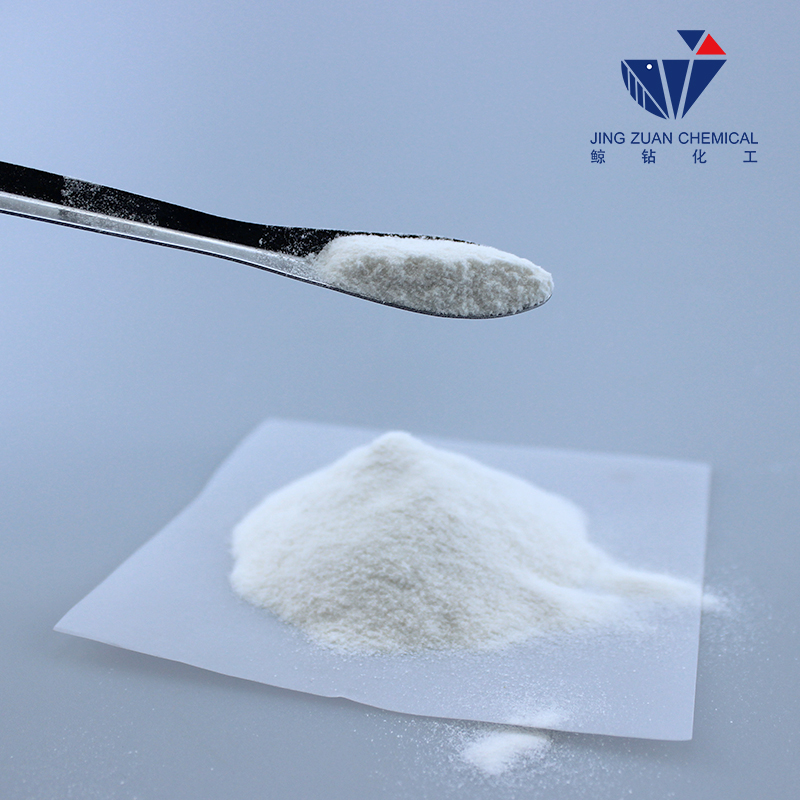
| Appearance | White or off-white powder |
| Viscosity Range | 2000 – 100,000 mPa·s (2% aqueous solution) |
| Methoxy Content | 19.0–24.0% |
| Hydroxypropoxy Content | 4.0–12.0% |
| pH (2% solution) | 5.0 – 8.0 |
Benefits & Use Cases of Hpmc Polymer
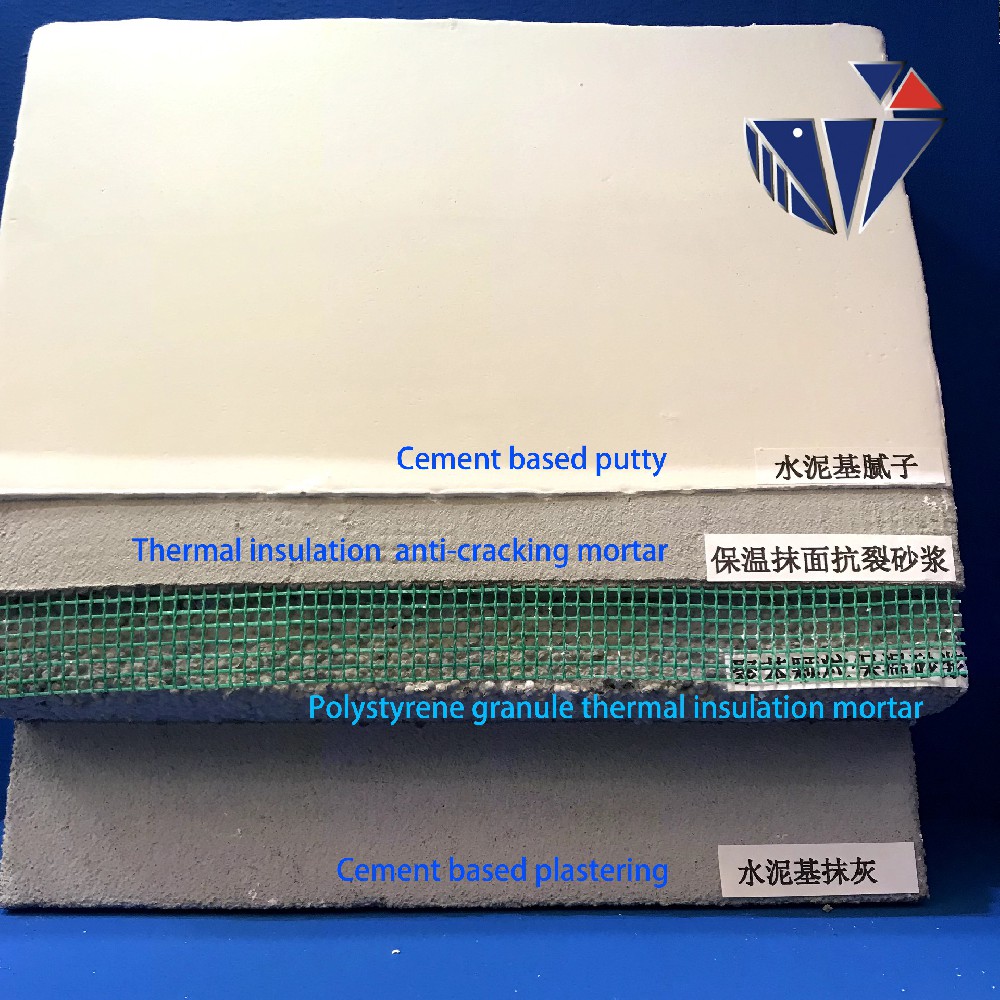
The secret sauce here is versatility. In the construction industry, Hpmc Polymer acts as a water retention agent in cement mixes and tile adhesives, ensuring they remain workable for longer periods, even under dry conditions. This alone increases efficiency on-site, reducing waste and re-dos.
Pharmaceutical formulations also benefit greatly from its film-forming and stabilizing properties, especially in controlled-release tablets and eye drops. Many engineers I spoke with note that the polymer’s thermal stability allows it to maintain consistency even under varying production temperatures — a big plus in real-world manufacturing.
Compared to conventional alternatives like starch or synthetic binders, Hpmc Polymer often offers better compatibility and less environmental impact. Its non-ionic nature reduces interactions with other ingredients, which means fewer formula adjustments. Frankly, this reduces headaches during product development markedly.
Cost, Maintenance & User Experience
While the upfront cost of Hpmc Polymer might be modestly higher than some starch-based alternatives, its durability and performance translate to a stronger ROI. Many businesses report less need for product reprocessing or rejected batches due to formulation failures. Obviously, that’s something CFOs like to hear.
Maintenance wise, its chemical stability means products incorporating Hpmc have longer shelf lives and improved resistance to microbial contamination. Some large-scale manufacturers pointed out that their operational downtime dropped thanks to more consistent material behavior. I’d say this counts as a user experience win in the B2B world.
| Vendor | Grade Range | Pricing (per kg) | Lead Time |
|---|---|---|---|
| CNJZ Chemical | Standard & High-Viscosity | $4.50 - $6.00 | 2-3 weeks |
| GlobalPolymers Inc. | Low to Medium Viscosity | $5.00 - $6.50 | 3-4 weeks |
| CelluTech Ltd. | Custom Grades | $6.00 - $7.50 | 4-5 weeks |
Sustainability & Market Trends
Sustainability is no longer optional for today’s B2B decision makers, and interestingly, Hpmc Polymer scores well here. Since it’s derived from natural cellulose, it has a much smaller carbon footprint than fully synthetic binders. It’s biodegradable, too, which supports waste reduction goals.
Regulatory bodies worldwide are increasingly tightening rules on volatile organic compounds (VOCs) and hazardous additives, making cellulose-based polymers like Hpmc more attractive. Not to mention the steady growth of green building codes and pharma regulations that favor environmentally friendly materials. So, the market momentum behind Hpmc feels quite robust, if you ask me.
Frequently Asked Questions about Hpmc Polymer
- What is Hpmc Polymer and how does it work?
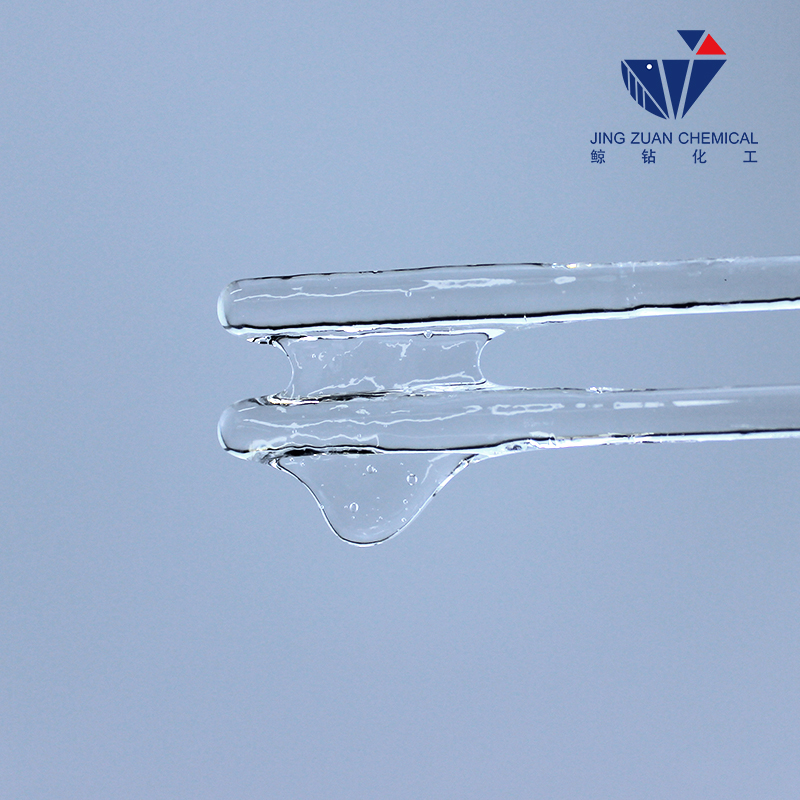
- Hpmc Polymer is a cellulose ether that, when dissolved in water, forms a gel-like consistency. This helps in binding ingredients, increasing viscosity, and forming films — basically helping products keep their shape, improve workability, and resist environmental stresses.
- What are the main benefits of using Hpmc Polymer in industrial applications?
- Key advantages include excellent water retention, improved adhesion, thermal stability, and biodegradability. Plus, it often boosts shelf life and performance while reducing formulation issues.
- How does Hpmc Polymer compare to traditional alternatives?
- Unlike starch or synthetic binders, Hpmc Polymer offers superior stability and fewer compatibility issues across various formulas. It’s less sensitive to pH changes and temperatures, making it more reliable for industrial-scale production.
- What industries can benefit most from Hpmc Polymer implementation?
- Primarily construction (tile adhesives, cement), pharmaceuticals (tablet coatings, eye drops), and cosmetics rely heavily on Hpmc Polymer. There are plenty of success stories showcasing improved efficiency and product quality thanks to its use.
Conclusion on Hpmc Polymer from China
To wrap up, Hpmc Polymer presents a compelling proposition for B2B industries seeking a reliable, eco-friendly, and performance-driven additive. Its adaptability across sectors, combined with sustainability credentials and proven customer satisfaction, makes it quite hard to overlook. For businesses looking to optimize product quality while remaining mindful of cost and environmental impact, exploring Hpmc Polymer from trusted suppliers like those at https://www.cnjzchemical.com is a smart move.
- Hpmc Polymer delivers value through performance and sustainability.
- - Visit our website: https://www.cnjzchemical.com
In essence, tapping into the right polymer supply chain can give your products a quiet edge. It’s the kind of subtle advantage that, over time, really adds up in cost control, product reliability, and positive environmental impact.
-
Understanding Hydroxypropyl Methyl Cellulose MSDS Safety and Compliance
NewsApr.16,2026
-
Understanding the Hydroxypropyl Methyl Cellulose HS Code for Global Trade
NewsApr.09,2026
-
Comprehensive Guide to Hydroxypropyl Methyl Cellulose CAS Number and Applications
NewsApr.07,2026
-
Comprehensive Guide to Hydroxypropyl Methyl Cellulose cas no and its Diverse Applications
NewsApr.04,2026
-
Comprehensive Guide to Hydroxypropyl Methyl Cellulose Manufacturers and Applications
NewsMar.31,2026
-
Understanding Hydroxypropyl Methyl Cellulose Properties And Diverse Applications
NewsMar.28,2026