
Dec . 14, 2025 03:35 Back to list
Comprehensive Guide to HPMC Solution: Uses, Benefits, and Suppliers
Understanding HPMC Solution: A Global Perspective
If you’ve ever dabbled in construction, pharmaceuticals, or even cosmetics, you’ve likely come across the term "HPMC solution." It stands for Hydroxypropyl Methylcellulose solution — a versatile, cellulose-based polymer that's quietly powering many industry sectors worldwide. But why does it matter so much today? The answer lies in its broad applications, from building sustainable infrastructure in remote areas to improving drug delivery systems in advanced healthcare.
With the world’s population booming and industries demanding materials that tick both performance and eco-friendly boxes, the rising interest in HPMC solutions feels almost inevitable. According to ISO reports, cellulose derivatives like HPMC are key to sustainable industrial practices, proving their worth not only as chemically stable binders and thickeners but also as environmentally benign ingredients.
The Growing Importance of HPMC Solution in Industry and Society
Globally, demand for materials like HPMC solution has surged—especially as industries look for alternatives to synthetic polymers, which often come with environmental baggage. Interestingly, the global cellulose ethers market is projected to grow by over 5.5% annually through 2030, fueled in part by the rise of HPMC in construction materials, pharmaceuticals, food, and personal care products.
Yet, one of the most pressing challenges HPMC helps address is the need for sustainable, cost-effective solutions that are easy to deploy and reliable in various climates. For instance, in remote construction projects or humanitarian relief operations, using materials that boast both durability and biodegradability is a game-changer.
Mini Takeaway:
HPMC solution isn’t just a niche chemical. It’s a globally relevant answer to growing demands for performance, sustainability, and adaptability across industries.
What Exactly Is HPMC Solution?
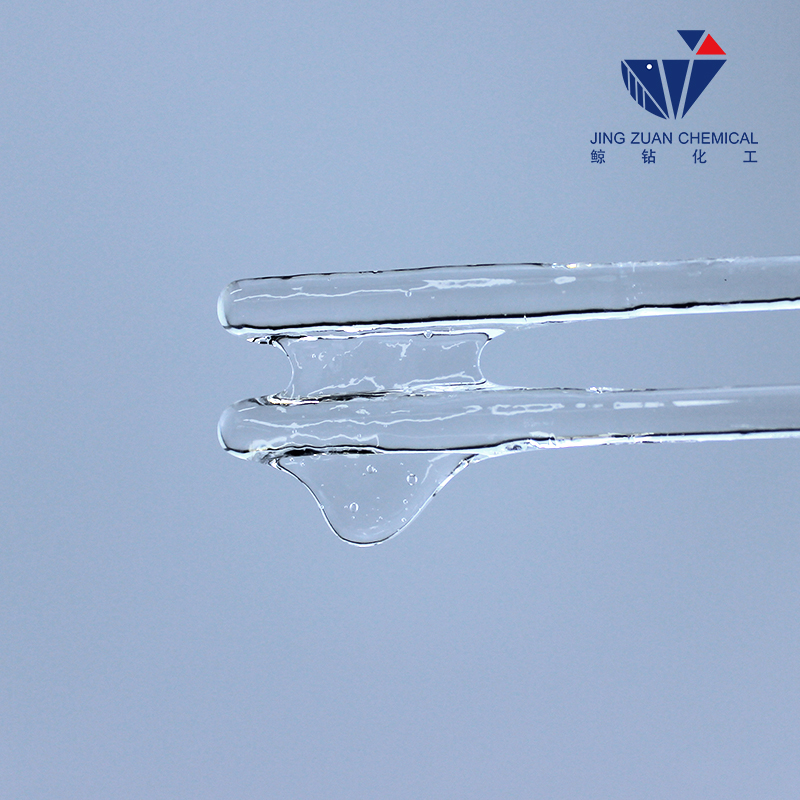
At its simplest, Hydroxypropyl Methylcellulose (HPMC) is a semi-synthetic polymer derived from cellulose, the natural polymer found in plant cell walls. When dissolved into water, it forms a viscous, clear solution widely used as a thickener, film former, binder, and emulsifier. The “solution” here just refers to the aqueous form where HPMC is dispersed.
Its nonionic nature means it doesn’t carry a charge, which makes it uniquely stable in different pH environments, unlike other cellulose derivatives. This stability is crucial — it enables HPMC solution to play a vital role from pharmaceuticals (controlling drug release) to construction materials (improving workability and adhesion).
Key Aspects of HPMC Solution and Their Practical Applications
1. Durability and Stability
One reason HPMC solution is prized in construction is its outstanding stability at various temperatures and pH levels. Materials need to hold their properties during transport and in situ, especially under tropical or arid climates — and often, they do.
2. Versatility Across Industries
From thickening paints and adhesives to acting as a controlled-release agent in tablets, the adaptability of HPMC solution is remarkable. It even finds its way into food products as a gluten substitute or as fat replacer, underscoring its safety and regulatory approval worldwide.
3. Eco-Friendliness and Renewability
Since it’s cellulose-based, HPMC solution is biodegradable and made from renewable resources. As industries face increasing pressure to reduce carbon footprints, this aspect becomes a selling point.
4. Cost Efficiency
Compared with synthetic alternatives, HPMC solution often offers cost benefits, particularly in formulations where low dosages still achieve desired effects. It’s not just about price per kilo but the value added to the final product.
5. Ease of Handling & Customization
Suppliers often customize viscosity grades, molecular weights, and substituent levels, allowing product developers to tweak formulations precisely. This flexibility means HPMC solution can meet stringent technical specs.
Mini Takeaway:
The secret sauce behind HPMC solution’s global popularity is its balance of durability, versatility, eco-friendliness, cost-effectiveness, and customizable properties.
Real-World Applications of HPMC Solution
Practical use cases paint a vivid picture. For example, in post-disaster relief operations in Southeast Asia, HPMC-enhanced cement mortars enable fast, durable repair of buildings using minimal energy resources. In pharmaceutical industries across Europe, HPMC solution is a key ingredient in controlled-release tablets, improving patient compliance and therapeutic outcomes.
Meanwhile, in North America, the personal care sector uses HPMC in shampoos and lotions, capitalizing on its film-forming ability and hypoallergenic profile. Less obviously, agriculture benefits from HPMC as a binder in seed coatings—improving germination rates by protecting seeds against environmental stress.
| Parameter | Value/Range | Remarks |
|---|---|---|
| Viscosity (2% solution at 20°C) | 1000 - 5000 mPa·s | Varies by molecular weight |
| pH Stability Range | 3 - 11 | Stable in neutral to slightly acidic/basic environments |
| Substitution Degree (Methoxy Propyl) | 19-30% | Depends manufacturer specs |
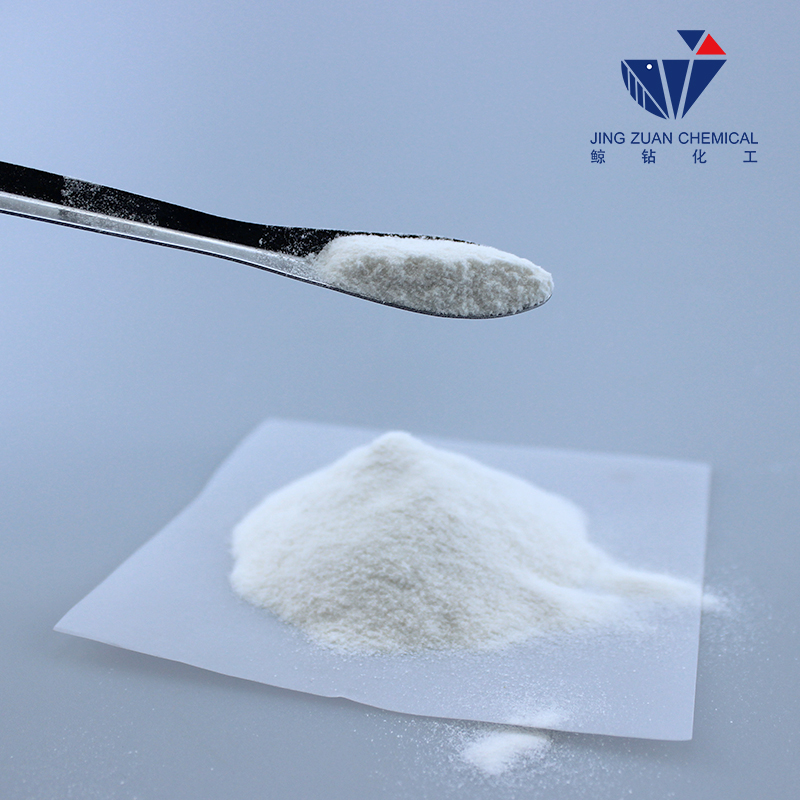
| Appearance | White to off-white powder | Dissolves clear in solution |
| Solubility | Cold water soluble | Forms viscous solution on hydration |
Comparing Leading HPMC Solution Vendors
If you’re shopping around for reliable HPMC solution suppliers, the choice can feel overwhelming. Below, I’ve gathered some rough comparisons on quality, price, and sustainable certifications—which often matter more than people realize.
| Supplier | Viscosity Range (mPa·s) | Price (USD/kg) | Eco Certifications | Global Reach |
|---|---|---|---|---|
| CNJZ Chemical | 1000 - 5000 | 2.50 - 3.20 | ISO 14001, REACH | Asia, Europe, Americas |
| MegaCell Industries | 1200 - 4500 | 2.70 - 3.40 | ISO 9001, FSC | North America, Europe |
| Green Polymer Ltd. | 900 - 4800 | 2.20 - 3.00 | EcoLabel, REACH | Europe, Asia |
Why Choose HPMC Solution? The Advantages and Long-Term Benefits
Realistically, investing in HPMC solution-based products means betting on durability, sustainability, and cost savings. For example, construction companies notice less cracking and better adhesion using HPMC-modified mortars, in turn reducing maintenance costs. Pharmacies appreciate how HPMC helps regulate drug release, improving patient outcomes and compliance.
The emotional side isn’t negligible either. Using biodegradable, plant-based solutions echoes a commitment to safety and dignity — important in sectors aiming for social responsibility. It builds trust not just in products but between manufacturers and customers.
Looking Forward: Innovations and Trends in HPMC Solutions
The future’s bright and green for HPMC solution. Researchers are exploring bio-refined cellulose sources, tuning substitutions to create smarter, multi-functional polymers. Also, digitalization in production processes ensures higher batch consistency. Automation is reducing costs, while green energy-powered plants shrink the carbon footprint.
Oh, and don’t overlook how hybrid formulations combining HPMC with nanomaterials or biodegradable additives might soon revolutionize both pharmaceutical and construction materials, making them lighter, stronger, and even more environment-friendly.
Challenges and How We Overcome Them
Not everything’s rosy: sourcing high-purity cellulose can be tricky, and batch-to-batch variability sometimes plagues the supply chain. Also, adjusting viscosity for very specific applications is more art than science — requiring experienced formulators.
The good news? Many suppliers like CNJZ Chemical invest heavily in R&D and quality control, offering tailored solutions that reduce these risks. Plus, digitized quality platforms help monitor product consistency more closely.
FAQ: What You Really Want to Know About HPMC Solution
- Q1: What makes HPMC solution superior in construction compared to other additives?
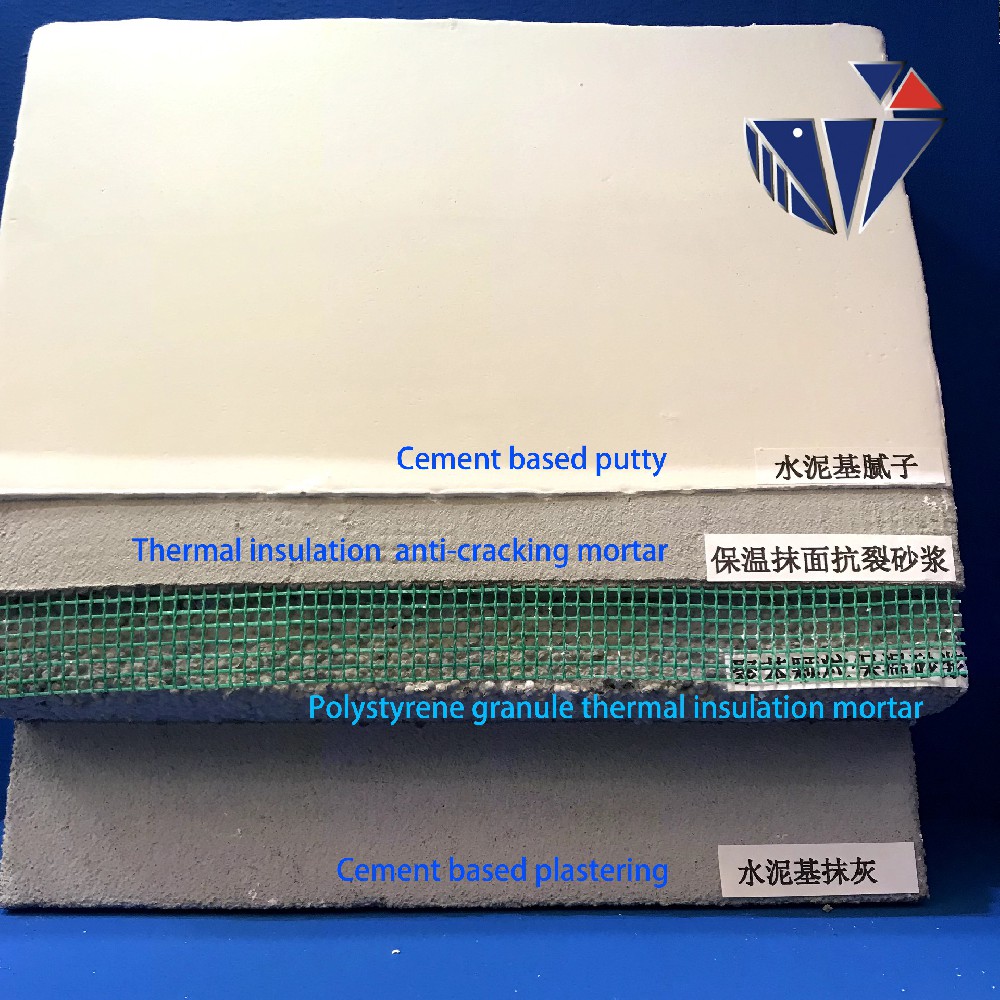
- A1: HPMC solution offers excellent water retention, improved workability, and adhesion with minimal environmental impact. Unlike synthetic polymers, it’s biodegradable and stable across a wide pH range, making it ideal for cement mortars and plasters.
- Q2: How long can products made with HPMC solution last?
- A2: With proper formulation, HPMC-enhanced products can last decades — especially in non-extreme environments. Its stability against heat and acids prolongs product lifespan compared to untreated materials.
- Q3: Is HPMC solution eco-friendly and cost-effective?
- A3: Absolutely. Being plant-based and biodegradable, it reduces environmental footprint. Cost-wise, its efficiency in low dosages results in savings compared to synthetic polymers.
- Q4: How can organizations import HPMC solutions internationally?
- A4: Many suppliers, including CNJZ Chemical, provide export services compliant with global standards like REACH and ISO, simplifying customs and certification processes for NGOs and manufacturers.
Wrapping it Up: Why HPMC Solution Should Be on Your Radar
To sum it all up, HPMC solution feels like that quiet powerhouse material that’s increasingly hard to ignore. Its multi-industry applications, combination of environmental friendliness and reliable performance, and its adaptability make it a solid choice for innovators and traditional sectors alike.
Curious to learn more or explore tailored grades? Visit CNJZ Chemical’s website to dive deeper into specifications, samples, and expert guidance. Sometimes the best solutions really do come from nature’s chemistry, just enhanced the right way…
References:
-
Understanding Hydroxypropyl Methyl Cellulose MSDS Safety and Compliance
NewsApr.16,2026
-
Understanding the Hydroxypropyl Methyl Cellulose HS Code for Global Trade
NewsApr.09,2026
-
Comprehensive Guide to Hydroxypropyl Methyl Cellulose CAS Number and Applications
NewsApr.07,2026
-
Comprehensive Guide to Hydroxypropyl Methyl Cellulose cas no and its Diverse Applications
NewsApr.04,2026
-
Comprehensive Guide to Hydroxypropyl Methyl Cellulose Manufacturers and Applications
NewsMar.31,2026
-
Understanding Hydroxypropyl Methyl Cellulose Properties And Diverse Applications
NewsMar.28,2026