
Dec . 02, 2025 04:45 Back to list
Comprehensive Guide to HPMC Synthesis: Applications, Benefits & Future Trends
Understanding HPMC Synthesis: A Key to Modern Industrial and Humanitarian Progress
Hydroxypropyl methylcellulose synthesis, or HPMC synthesis for short, is one of those processes that quietly shapes numerous industries but often goes unnoticed outside specialist circles. Whether it’s in pharmaceuticals, construction, or food applications, understanding how HPMC is synthesized unlocks insights into sustainability, innovation, and even global health efforts. Given the increasing demand for versatile and biodegradable materials worldwide, the importance of refining HPMC synthesis methods cannot be overstated.
Global Context: Why HPMC Synthesis Matters Today
Across the globe, industries are pushing harder for materials that are safe, adaptable, and environmentally friendly. The World Bank estimates that sustainable materials adoption has accelerated by nearly 30% in the past decade in emerging markets. Governments and multinational organizations rely heavily on polymers like HPMC because it’s biodegradable and non-toxic, which aligns with ISO standards on environmental safety.
Yet, a challenge remains: scaling HPMC synthesis to meet rising demand sustainably and affordably. For example, the pharmaceutical sector, where HPMC acts as a binder or film-former, constantly demands higher purity and consistency. Similarly, the construction industry increasingly turns to HPMC-based additives to improve hydration and durability in cement mixtures. So, frankly, the stakes for efficient HPMC synthesis have never been higher.
What Is HPMC Synthesis?
Simply put, HPMC synthesis is the chemical process of modifying cellulose—a natural biopolymer derived from plant fibers—by attaching hydroxypropyl and methyl groups. This alteration imparts water solubility and thickening properties, making HPMC highly valued in various formulations. It’s kind of like tailoring a natural material to suit modern industrial needs without sacrificing biodegradability.
At its core, the synthesis involves treating cellulose with propylene oxide and methyl chloride under controlled alkali conditions, which requires skill and precision to get the desired degree of substitution—a measure indicating how many hydroxyl groups are replaced. This degree directly affects the product’s viscosity, gelation, and thermal stability.
Core Components and Factors in HPMC Synthesis
1. Purity of Raw Cellulose
Starting with high-quality cellulose is fundamental. Impurities can disrupt the reaction, leading to inconsistent properties. Sources typically include wood pulp or cotton linters.
2. Degree of Substitution (DS)
This determines how hydrophilic or hydrophobic the molecule becomes. A higher DS means better thickening but may reduce solubility. Finding balance is key for targeted applications.
3. Reaction Conditions
Temperature, pressure, and alkali concentration must be carefully monitored. Slight deviations can change viscosity or gelling behavior, impacting product performance downstream.
4. Scalability & Environmental Considerations
Reactions have to be scalable without sacrificing eco-friendly credentials. Waste management and solvent recovery are increasingly part of the synthesis optimization.
5. Quality Control & Testing
Ensuring that batches meet stringent industrial specs involves viscosity testing, thermal stability checks, and purity assessments. Automated technologies now support real-time adjustments.
Typical Specifications for HPMC Products
| Specification | Range / Value | Impact on Use |
|---|---|---|
| Degree of Substitution (DS) | 1.1 – 1.8 | Controls solubility and viscosity |
| Viscosity (mPa·s) | 10,000 – 100,000 | Affects thickening in formulations |
| Moisture Content (%) | ≤ 5% | Stability and shelf life |
| pH Value | 5.0 – 8.0 | Suitability for sensitive applications |
Mini takeaway: It’s clear that the finer details in the synthesis process tangibly affect the performance of HPMC in industrial use, which is why expertise and precision matter.
Global Applications & Real-World Use Cases
HPMC synthesized to exacting standards finds its way into several key sectors worldwide. For example:
- Pharmaceuticals: As a binder, controlled-release agent, and film-former in tablets, enabling better drug release profiles and patient compliance.
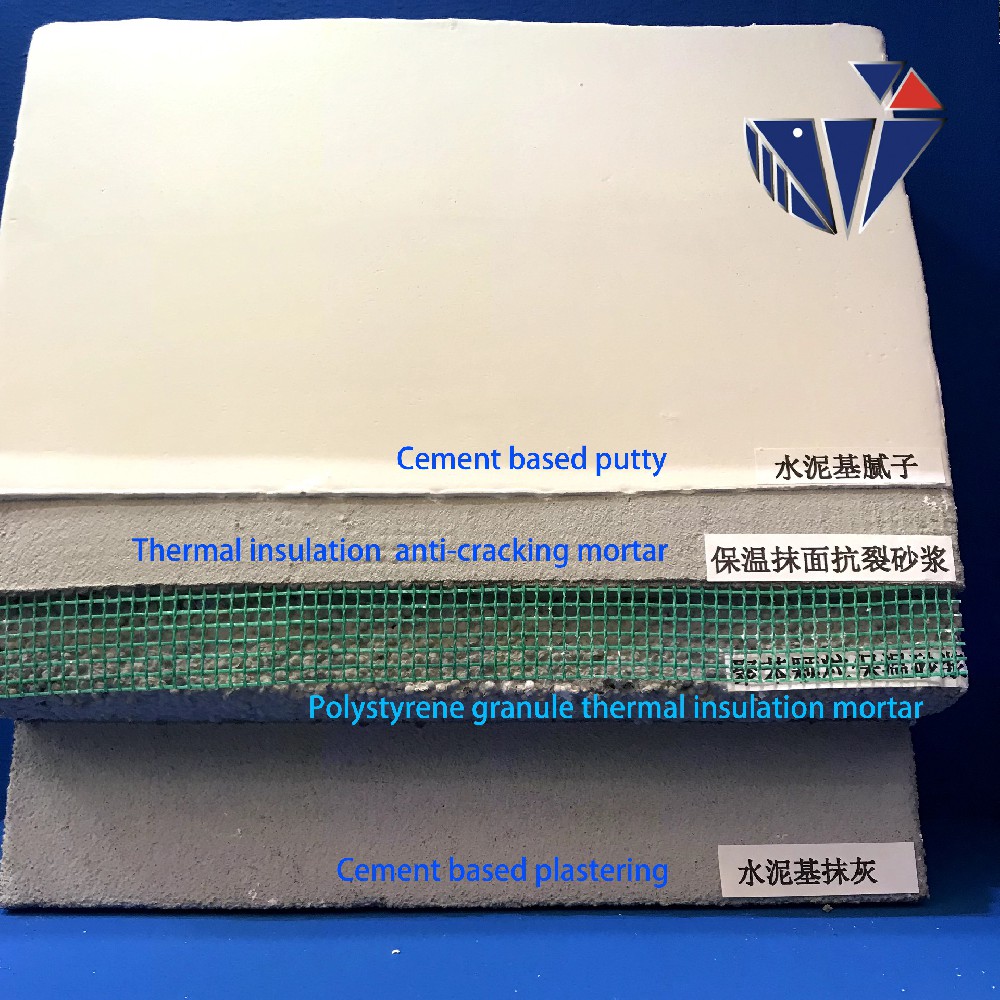
- Construction: Added to cement to improve water retention and workability—vital in hot or dry climates like parts of the Middle East or Africa.
- Food Industry: Utilized as a thickener and emulsifier, especially important in low-fat or gluten-free products, supporting food security efforts globally.
- Personal Care: Found in lotions and shampoos for moisture retention and smooth application.
In one interesting case, NGOs facilitating post-disaster relief use HPMC-based materials as temporary sealants and binders to build sturdy yet biodegradable shelters in remote zones, marrying rapid deployment and sustainability needs.
Vendor Comparison: Leading HPMC Suppliers
| Supplier | Purity (%) | Available Grades | Lead Time (days) | Sustainability Practices |
|---|---|---|---|---|
| ChemCell Corp. | 99.5 | 10+ Viscosity Grades | 14 | Full solvent recovery |
| BioPolymer Ltd. | 98.7 | 5 Viscosity Grades | 21 | Solar powered plants |
| Green Synthesis Inc. | 99.2 | 8 Viscosity Grades | 10 | Zero-waste production |
Mini takeaway: Supplier selection depends not only on product specs but also on how seriously they approach environmental impact—a big deal for many clients today.
Advantages and Long-Term Value of HPMC Synthesis
Why wrestle with a complex synthesis process? Well, the benefits are multifaceted.
- Cost Efficiency: HPMC can substitute more expensive synthetic polymers without sacrificing quality.
- Sustainability: Derived from renewable resources and biodegradable, it reduces plastic pollution in various applications.
- Social Impact: In pharma and food, improved product consistency boosts safety and efficacy, contributing to better health outcomes.
- Reliability: Enhanced thermal stability and solubility translate into longer shelf lives and better product performance.
On an emotional level, companies using well-synthesized HPMC often stress the ‘dignity of the end user’—knowing the materials holding together medicines or food meet high standards is reassuring.
Emerging Trends & Innovations in HPMC Synthesis
Looking forward, the industry is buzzing about green chemistry innovations. Researchers are exploring enzymatic routes to reduce the use of toxic alkalis and halogenated reagents, which could revolutionize environmental impact.
Digitization and automation in manufacturing plants are improving process control, ensuring consistency batch after batch. Also, advances in molecular modeling now help predict ideal substitution patterns tailored for specific industries.
Finally, synthesis aligned with circular economy principles—recovering and recycling solvents and by-products—is gaining traction globally, especially with stricter environmental regulations in Europe and Asia.
Challenges & Expert Solutions in HPMC Synthesis
The main hurdles remain in controlling reaction uniformity and handling volatile reagents safely. Additionally, scale-up can lead to inconsistencies that affect final product properties. Experts advocate continuous flow reactors over batch synthesis to improve control and scaling ease.
Wastewater treatment from synthesis byproducts is also a concern. Recent developments in zero-liquid discharge systems show promise by eliminating effluent altogether.
Frequently Asked Questions About HPMC Synthesis
1. What factors affect the viscosity of synthesized HPMC?
Viscosity largely depends on the molecular weight of the cellulose and degree of substitution. Reaction conditions such as temperature and alkali concentration during synthesis are also critical.
2. How does HPMC synthesis impact pharmaceutical formulations?
Proper synthesis ensures consistent viscosity and purity, which in turn affect tablet binding, controlled-release properties, and patient safety.
3. Is HPMC synthesis environmentally friendly?
Traditional methods use hazardous chemicals, but newer green synthesis techniques and solvent recovery systems minimize environmental impact substantially.
4. Can HPMC synthesized locally meet international standards?
It can, provided manufacturers adhere to ISO and pharmacopoeial quality controls. Collaborating with experienced vendors helps meet global compliance.
5. How do changes in synthesis process affect product shelf life?
Consistency in synthesis ensures stable moisture content and pH, both crucial for maintaining HPMC’s performance over time.
Conclusion
All in all, mastering HPMC synthesis is not just an industrial feat but a gateway to sustainable innovation, cost efficiency, and enhanced product safety. As industries worldwide demand higher standards and eco-conscious materials, the evolution of HPMC synthesis will continue to play a subtle yet vital role in global progress.
If you want to explore more about HPMC synthesis and its industrial applications, visit our website: cnjzchemical.com.
Reflection: Frankly, understanding the nuances of HPMC synthesis feels like cracking a key code in sustainable material science. While the chemistry is complex, the ripple effects reach much further into everyday life and global challenges.
References
-
Understanding Hydroxypropyl Methyl Cellulose MSDS Safety and Compliance
NewsApr.16,2026
-
Understanding the Hydroxypropyl Methyl Cellulose HS Code for Global Trade
NewsApr.09,2026
-
Comprehensive Guide to Hydroxypropyl Methyl Cellulose CAS Number and Applications
NewsApr.07,2026
-
Comprehensive Guide to Hydroxypropyl Methyl Cellulose cas no and its Diverse Applications
NewsApr.04,2026
-
Comprehensive Guide to Hydroxypropyl Methyl Cellulose Manufacturers and Applications
NewsMar.31,2026
-
Understanding Hydroxypropyl Methyl Cellulose Properties And Diverse Applications
NewsMar.28,2026