
Nov . 29, 2025 14:35 Back to list
Comprehensive Guide to HPMC Tile Adhesive: Benefits, Applications & Innovations
Understanding HPMC Tile Adhesive: A Small Component with a Big Global Impact
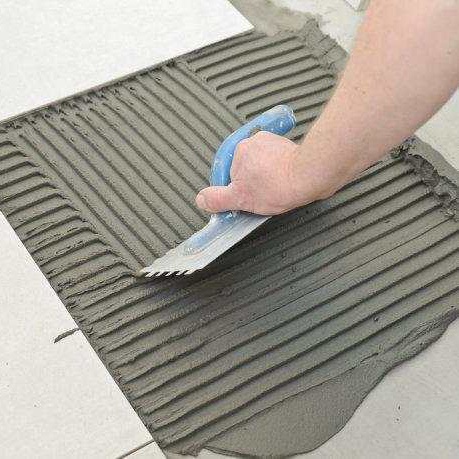
Have you ever paused to think about what holds our tiled walls and floors so firmly in place? It's not just the tiles themselves, but the often-overlooked glue-like substance beneath them — in many cases, HPMC tile adhesive. This material might sound like a niche product, but it’s quietly pivotal in construction projects worldwide, affecting everything from luxury homes to disaster relief housing. Why does this matter? Because quality adhesive means safety, longevity, and less waste — and in a world striving for sustainability and cost efficiency, that’s huge.Global Context: Why HPMC Tile Adhesive Is More Important Than You Think
In 2023 alone, the global construction industry accounted for roughly 13% of global GDP, according to the World Bank. No surprise then that materials that improve durability and efficiency get serious attention. The tile adhesive market, a niche yet crucial segment, is projected to grow steadily — driven by rising urbanization, especially in Asia-Pacific and parts of Africa. The United Nations’ Sustainable Development Goals further put pressure on using eco-friendly, reliable building supplies that minimize environmental impact while maximizing durability. Enter HPMC tile adhesive, which answers many practical challenges faced by builders — especially in regions prone to climatic extremes or rapid post-disaster rebuilding needs. But here’s the challenge: not all adhesives are created equal. Some fail prematurely under moisture, others lack the workability to cover large areas quickly. HPMC tile adhesive strikes a balance that even humanitarian builders appreciate.What Exactly Is HPMC Tile Adhesive?
At its core, HPMC stands for Hydroxypropyl Methylcellulose. It’s a modified cellulose polymer that acts as a thickening, binding, and water-retaining agent when mixed with cement, sand, or other base materials. Put simply: it’s the secret sauce that makes tile adhesives sticky, workable, and resilient. This compound is non-toxic, water-soluble, and highly adaptable. Originally, it found use in pharmaceuticals and food industries for stability and controlled release — but the construction sector soon discovered its magic for creating adhesives that don’t crack, shrink, or degrade over time. It’s the difference between a tile that stays put for decades and one you might have to redo in five years. Oddly enough, in humanitarian relief efforts, where temporary shelters or mobile clinics may rely on fast, robust installations, HPMC adhesives make an unexpected but vital appearance. They ensure that floors and walls can withstand weather and wear without the luxury of time or expensive materials.Core Aspects of HPMC Tile Adhesives
1. Water Retention & Workability
One of HPMC’s superpowers is its ability to retain water within the adhesive mixture. This keeps the cement hydrated longer, improving curing time and reducing cracks. For field workers, better workability means easier application and less waste — no small deal when you’re on a tight schedule.2. Durability & Adhesion Strength
Tiles aren’t just decorative—they must resist peel-off forces, temperature swings, and moisture. HPMC tile adhesive enhances adhesion to prevent tiles from loosening or cracking, especially in wet areas like bathrooms or kitchens. This durability reduces maintenance costs and increases safety.3. Flexible Application Range
Whether you’re fixing porcelain tiles in an urban skyscraper or laying ceramic tiles in a rural school, HPMC-based adhesives adapt well. They work across different substrates (concrete, plaster, etc.) and are compatible with various curing conditions.4. Eco-Friendly Profile
Compared to other synthetic polymers, HPMC is derived from cellulose, a renewable source. This lowers its environmental footprint. Plus, because it enhances tile lifespan, it indirectly reduces waste from replacements.Mini Takeaway:
HPMC tile adhesive isn’t just “sticky stuff”; it’s a clever chemical helping to make buildings safer, longer-lasting, and greener globally.Real-World Applications and Who Benefits Most
From sprawling urban centers in China to remote villages in Sub-Saharan Africa, HPMC tile adhesive finds use in many contexts:- Urban construction: High-rise apartments demand adhesives that can endure constant thermal expansion without cracking or shrinking.
- Post-disaster rebuilding: Quick-setting, durable adhesives enable faster restoration of essential facilities in earthquake or flood zones.
- Industrial zones: Factories and warehouses with heavy equipment need flooring that withstands vibration and stress.
- Development aid: NGOs building schools or clinics in resource-poor areas require reliable materials that last without sophisticated machinery or conditions.
Mini Takeaway:
No matter the place — high-end or humble, hot or cold — HPMC tile adhesive quietly supports infrastructure resilience.Product Specifications at a Glance
| Specification | Typical Value | Unit / Notes |
|---|---|---|
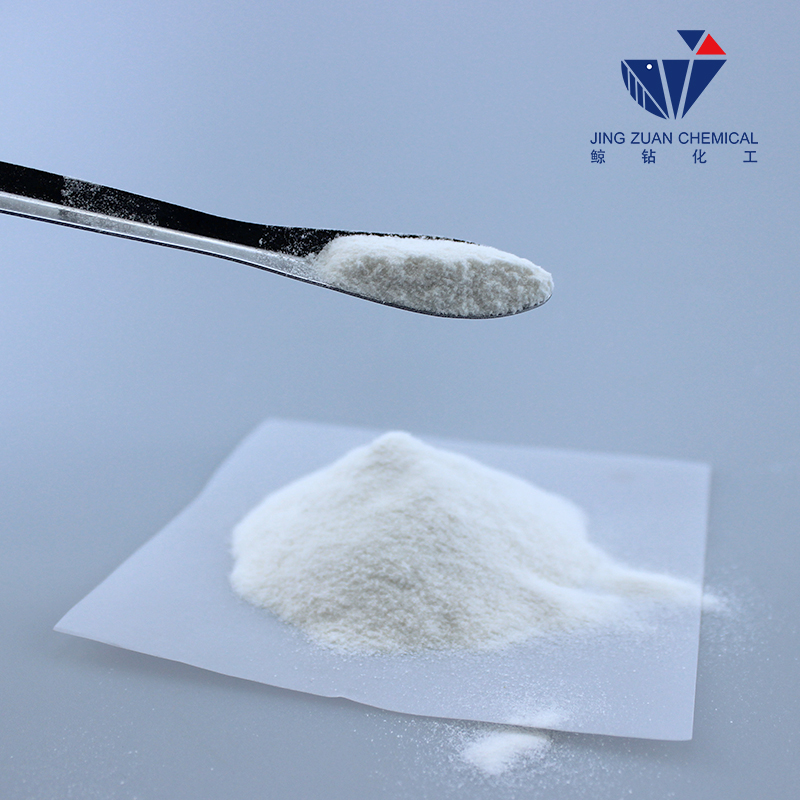
| Appearance | White powder | |
| Bulk Density | 350–450 | kg/m³ |
| Methoxy Content | 19–24 | % (weight) |
| Viscosity (2% in water) | 2000–4000 | mPa·s @ 20°C |
| pH (1% suspension) | 6.5–8.0 |
Comparing Top Suppliers of HPMC Tile Adhesive
| Vendor | Product Range | Lead Time | Eco Features | Regions Covered |
|---|---|---|---|---|
| CNJZ Chemical | Standard & Specialty HPMC grades | 1–2 weeks | Bio-based, low-VOC | Global |
| Dow Chemicals | Multiple polymer solutions | 2–3 weeks | Recyclable packaging | North America, Europe |
| Ashland | Customized grades | 1–3 weeks | Energy-efficient production | Asia-Pacific, Europe |
Why Choose HPMC Tile Adhesive? Advantages and Long-Term Value
First, there’s the economic argument. Adhesives with HPMC generally reduce installation time and redo frequency. That means less labor, fewer materials wasted, and lower lifecycle costs. Next comes sustainability — not just buzzwords here. Many developers now prioritize materials that reduce carbon footprints, and HPMC’s biobased origins fit neatly into the green building ethos. Plus, its ability to improve tile lifespan directly cuts down on landfill-bound waste. On a more human note, better adhesives equal fewer accidents due to delaminating tiles, wet floors, or cracked surfaces — so we’re talking safety and dignity too. Buildings that age gracefully inspire trust and pride, whether it’s a home owner or a shelter aid worker.The Future of Tile Adhesives: Innovation & Trends
Emerging research focuses on hybrid adhesives that combine HPMC with nano-material enhancements — think improved antimicrobial surfaces to prevent mold in moist environments, or adhesives with smart sensors that warn when a tile might soon fail. There’s also movement toward fully bio-based formulas that break down harmlessly after decades to further reduce environmental footprints. Digital tools increasingly assist in custom-mixing adhesives on-site, reducing waste and improving precision. Frankly, the adhesive sector often flies under the radar in construction innovation — but it’s catching up fast.Common Challenges and How Industry Leaders Are Solving Them
Despite its merits, HPMC tile adhesive can sometimes complicate mixing if operators aren’t trained, leading to lumps. Weather extremes, such as intense cold, still pose risks for curing times. Material supply chain disruptions also stress construction schedules. The solution? More user-friendly premixed powders, backed by step-by-step instructions and videos (hint: many manufacturers like CNJZ Chemical are investing here). Plus, R&D into additives that improve cold-climate performance is ongoing.FAQ: Clearing Up Your Most Pressing Questions on HPMC Tile Adhesive
- Q1: How long does HPMC tile adhesive take to cure fully?
- A: Typically, it takes about 24–48 hours to cure under normal conditions, but full strength might develop over a week, depending on humidity and temperature.
- Q2: Can HPMC adhesives be used outdoors?
- A: Yes, they’re suitable for exterior tiling because they resist moisture and temperature changes better than some alternatives.
- Q3: Is HPMC tile adhesive safe for homes with children?
- A: Absolutely. HPMC is non-toxic and widely used in food and pharma, so it poses minimal health risks once set.
- Q4: How do I import HPMC tile adhesive in bulk internationally?
- A: Many suppliers, such as CNJZ Chemical, offer global shipping with proper certifications. You'll need to check local import regulations and possibly engage a customs broker.
- Q5: What is the main difference between HPMC-based and traditional tile adhesives?
- A: The main difference lies in improved water retention, workability, and longer-lasting adhesion with HPMC formulations, leading to better durability overall.
Wrapping It Up: The Unsung Hero of Modern Tile Installation
If it seems like I’m hyping up some obscure compound, it’s only because HPMC tile adhesive really is that foundational — no pun intended — to modern construction durability, green building goals, and even humanitarian efforts. It’s a product that blends science with practical benefits you see and feel every time you walk across a tiled floor or lift your gaze to a tiled wall. For anyone serious about quality and sustainability, exploring reliable hpmc tile adhesive solutions is a smart step. Whether you’re a contractor, architect, or project manager, it pays off to understand this component’s role in ensuring your build stands firm over time. Visit our website and discover how the right adhesive can make all the difference: https://www.cnjzchemical.comReferences
Latest news
-
Understanding Hydroxypropyl Methyl Cellulose MSDS Safety and Compliance
NewsApr.16,2026
-
Understanding the Hydroxypropyl Methyl Cellulose HS Code for Global Trade
NewsApr.09,2026
-
Comprehensive Guide to Hydroxypropyl Methyl Cellulose CAS Number and Applications
NewsApr.07,2026
-
Comprehensive Guide to Hydroxypropyl Methyl Cellulose cas no and its Diverse Applications
NewsApr.04,2026
-
Comprehensive Guide to Hydroxypropyl Methyl Cellulose Manufacturers and Applications
NewsMar.31,2026
-
Understanding Hydroxypropyl Methyl Cellulose Properties And Diverse Applications
NewsMar.28,2026
Related PRODUCTS