
Dec . 02, 2025 12:45 Back to list
Comprehensive Guide to Hydroxy Methyl Propyl Cellulose: Uses, Benefits & Global Impact
Understanding Hydroxy Methyl Propyl Cellulose and Its Global Impact
Hydroxy methyl propyl cellulose (HMPC) is a fascinating chemical polymer that quietly supports countless products around us—from construction materials to pharmaceuticals. The reason it matters globally is because it improves durability, safety, and sustainability in industries that affect everyday life and major development efforts. Understanding HMPC means grasping how modern materials science meets real-world needs, whether you're building resilient infrastructure or formulating better medicines.
Introduction: Why Hydroxy Methyl Propyl Cellulose Matters Worldwide
The global chemical additives market, which includes polymers like hydroxy methyl propyl cellulose, is projected to grow steadily: according to a recent report by ISO, the demand is driven by industries as varied as construction, food, and pharmaceuticals. Interestingly, the United Nations highlighted that sustainable materials are pivotal in achieving the 2030 Sustainable Development Goals, especially clean water, decent work, and industry innovation. HMPC addresses multiple challenges such as the need for efficient thickening agents, binders, and film formers — especially in contexts where traditional materials fall short, like harsh climates or resource-scarce regions.
For instance, in many developing countries, construction materials face durability challenges due to extreme weather. Products formulated with HMPC offer enhanced water retention, flexibility, and adhesion that traditional additives can’t match. This isn’t just an industrial tweak—it’s a global solution facilitating safer housing, better medication, and even innovative food technology.
What is Hydroxy Methyl Propyl Cellulose?
Simply put, hydroxy methyl propyl cellulose is a cellulose derivative—that means it’s made from natural cellulose (plant fibers) altered chemically to gain new properties. The "hydroxy methyl propyl" groups grafted onto the cellulose backbone enhance its solubility and viscosity, making it incredibly versatile. That versatility is why you find it in everything from cement mortars to eye drops. In humanitarian contexts, it’s often a behind-the-scenes hero, improving product consistency and making procedures more reliable.
Key Attributes of Hydroxy Methyl Propyl Cellulose
1. Durability and Stability
HMPC improves product longevity by enhancing water retention and chemical resistance. This means whether it’s a plaster or a paint, formulations remain stable longer, which is crucial in construction or pharmaceutical usage.
2. Water Solubility and Viscosity Control
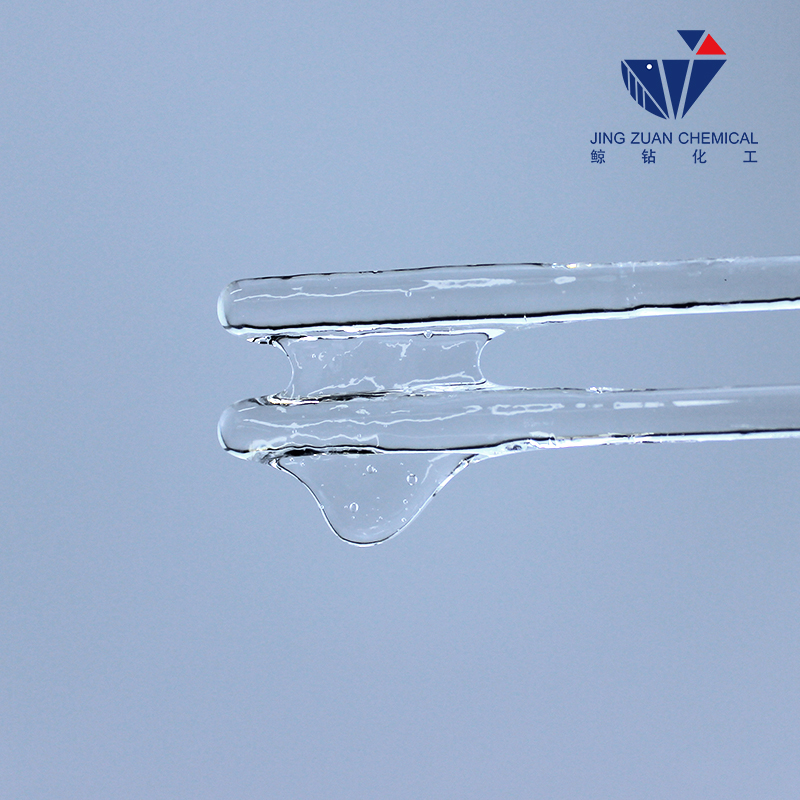
Its ability to dissolve in water and increase thickness without chemical instability is what makes HMPC a go-to for thickening agents, particularly in paints, adhesives, and gels.
3. Safety and Biocompatibility
Derived from natural cellulose, it’s non-toxic and safe for use in food and drugs, conforming to standards outlined by the FDA and EFSA. That trust is why pharmaceutical companies rely on it for sustained drug release formulations.
4. Scalability and Cost Efficiency
Its production leverages abundant raw materials and well-understood chemical processes, giving manufacturers a cost-effective option without sacrificing quality.
Product Specification Overview
| Property | Typical Value | Unit |
|---|---|---|
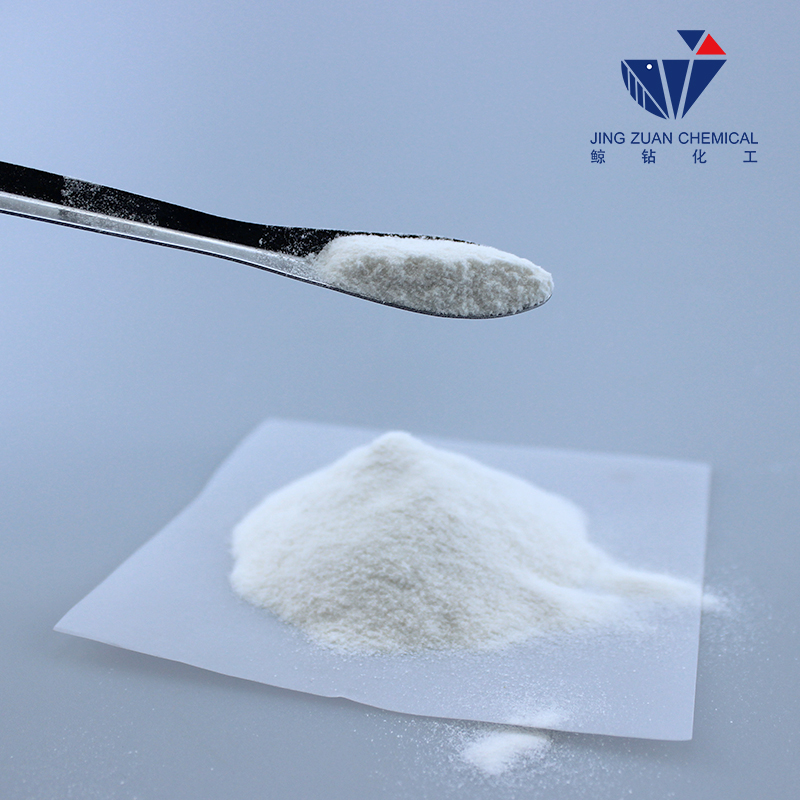
| Appearance | White to off-white powder | |
| Moisture Content | 5 max | % |
| Viscosity (2% in water, 20°C) | 1000 – 3000 | mPa·s |
| pH (1% solution) | 6.5 – 8.0 | – |
| Bulk Density | 0.35 – 0.50 | g/cm³ |
Global Applications & Use Cases
The scope of hydroxy methyl propyl cellulose is surprisingly broad. Think about these examples:
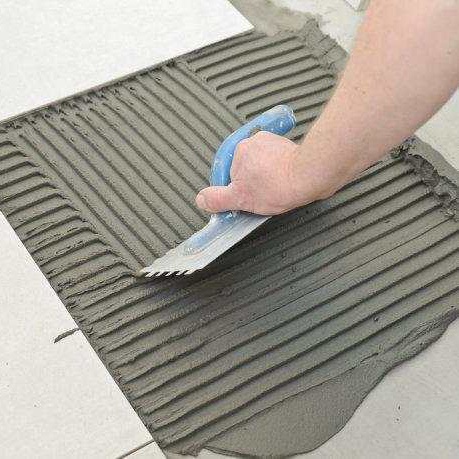
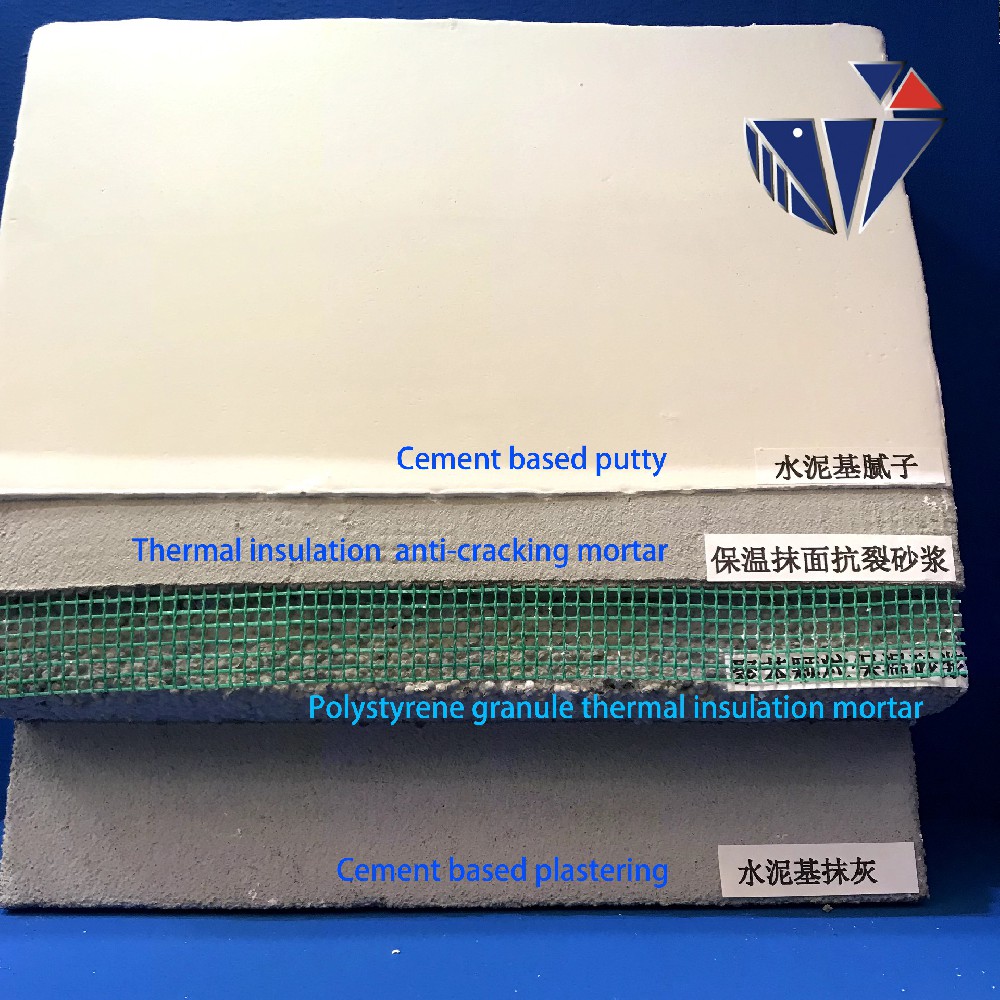
- Construction Industry: Used in tile adhesives and cement additives, HMPC increases flexibility and moisture retention, critical in places with harsh weather like northern Europe and parts of Asia.
- Pharmaceutical Formulations: As a stabilizer and release modifier, it’s used globally in tablets and ointments. For instance, large pharmaceutical firms in the US and EU rely heavily on HMPC to ensure consistent drug delivery.
- Food Industry: Acts as a thickener and stabilizer, especially in gluten-free or low-fat products, supporting better texture and shelf life.
- Post-Disaster Resilience: In countries struck by natural disasters—say, the Caribbean or Southeast Asia—temporary housing materials and repair mortars using HMPC provide durability while being lightweight and easier to apply onsite.
These real-world applications are part of why HMPC’s market demand keeps expanding.
Vendor Comparison Table
| Vendor | Purity (%) | MOQ (tons) | Typical Lead Time | Special Certifications |
|---|---|---|---|---|
| CNJZ Chemical | 99.5 | 1 | 2 weeks | ISO 9001, GMP |
| GlobalPolymer Inc. | 99.0 | 5 | 3-4 weeks | ISO 14001 |
| GreenCell Solutions | 98.0 | 2 | 1-2 weeks | EcoCert |
Advantages and Long-Term Value of Hydroxy Methyl Propyl Cellulose
HMPC delivers practical benefits on several fronts. On the economic side, it’s cost-effective compared to synthetic alternatives, helping manufacturers keep prices competitive. From a sustainability perspective, deriving it from cellulose ties it to renewable resources, which matters now more than ever as companies adopt greener materials. On a social level, it contributes to safety—resilient building materials mean safer homes, stable pharmaceuticals mean reliable therapies, and improved food products promote health.
There’s also an emotional comfort in knowing that products containing HMPC stand up better in stressful conditions or emergencies. In some ways, this polymer bridges the gap between innovation and dignity—a small but meaningful contribution to human well-being worldwide.
Future Trends & Innovations in HMPC Use
Going forward, hydroxy methyl propyl cellulose is finding new life within the green chemistry revolution. Researchers are exploring bio-based sources for raw materials and tweaking chemical modifications to reduce energy footprints. Digital transformation of chemical manufacturing means more precise control over molecular properties, opening custom uses previously unimaginable.
Automation in pharmaceutical compounding, for instance, increasingly relies on polymers like HMPC with guaranteed consistency. Sustainable construction is another growth area, where HMPC-based additives contribute to concrete mixes with lower carbon emissions. Oddly enough, we’re seeing this traditional cellulose polymer becoming a keystone for future materials innovation.
Challenges & Solutions
Despite its strengths, HMPC isn’t without hurdles. Variability in raw cellulose sources can affect batch quality, and certain applications demand ultra-high purity, which bumps costs. Further, as regulations shift, especially in food and pharma sectors, compliance becomes increasingly complex.
However, many manufacturers have ramped up quality management systems and developed proprietary production techniques to ensure consistency. Innovations in sourcing renewable cellulose also promise more reliable feedstocks. Overall, expert collaboration between suppliers and end-users is key to overcoming these challenges—to keep HMPC a top choice going forward.
FAQ: Frequently Asked Questions About Hydroxy Methyl Propyl Cellulose
-
Q: What industries benefit most from hydroxy methyl propyl cellulose?
A: Construction, pharmaceuticals, and food industries are major beneficiaries. It acts as a thickening agent, stabilizer, and binder supporting product performance in these areas. -
Q: Is hydroxy methyl propyl cellulose safe for human use?
A: Yes, it is generally recognized as safe by regulatory authorities like the FDA, making it suitable for use in oral medications, eye drops, and food products. -
Q: How does it improve construction materials?
A: HMPC improves water retention and adhesion in mortars and tile adhesives, enhancing flexibility and reducing cracking, which is critical for building longevity. -
Q: Can HMPC contribute to sustainable manufacturing?
A: Absolutely. Being cellulose-based, it comes from renewable resources and supports reducing reliance on petrochemical polymers.
Conclusion
Hydroxy methyl propyl cellulose might sound like a mouthful, but in real terms, it’s a key enabler of safer, more sustainable, and more reliable products worldwide. Whether you’re involved in pharmaceutical development, industrial manufacturing, or humanitarian relief, its long-term benefits are not to be overlooked. For those interested in sourcing or learning more, I encourage you to visit CNJZ Chemical, a trusted supplier committed to quality and innovation.
Mini takeaway: HMPC bridges renewable materials and modern industry, making products more durable, sustainable, and trustworthy.
References:
1. Wikipedia - Cellulose Derivatives
2. International Organization for Standardization
3. United Nations Sustainable Development Goals
-
Understanding Hydroxypropyl Methyl Cellulose MSDS Safety and Compliance
NewsApr.16,2026
-
Understanding the Hydroxypropyl Methyl Cellulose HS Code for Global Trade
NewsApr.09,2026
-
Comprehensive Guide to Hydroxypropyl Methyl Cellulose CAS Number and Applications
NewsApr.07,2026
-
Comprehensive Guide to Hydroxypropyl Methyl Cellulose cas no and its Diverse Applications
NewsApr.04,2026
-
Comprehensive Guide to Hydroxypropyl Methyl Cellulose Manufacturers and Applications
NewsMar.31,2026
-
Understanding Hydroxypropyl Methyl Cellulose Properties And Diverse Applications
NewsMar.28,2026