
Dec . 02, 2025 16:30 Back to list
Comprehensive Guide to Hydroxypropyl Methyl Cellulose CAS | Applications & Benefits
Understanding Hydroxypropyl Methyl Cellulose CAS: A Global Industrial Game-Changer
If you’ve ever glanced at a product label or scanned a technical sheet for ingredients, chances are you’ve come across hydroxypropyl methyl cellulose cas. But what exactly is this compound, and why does it matter so much across industries worldwide? In brief, it’s a versatile cellulose derivative widely used as a thickener, binder, and stabilizer. Understanding it—especially its CAS (Chemical Abstracts Service) identification—offers insights into its reliable performance in sectors ranging from pharmaceuticals to construction, food, and beyond.
Globally, the demand for efficient, non-toxic additives is growing exponentially. According to a report by the International Organization for Standardization (ISO), cellulose derivatives make up a significant and growing share of industrial polymers due to their renewability and safety profile. But what sets hydroxypropyl methyl cellulose apart? That’s partly why we’re diving deep here—understanding this compound helps manufacturers optimize product quality and sustainability while meeting global regulatory standards.
Definition & Meaning: What Is Hydroxypropyl Methyl Cellulose CAS?
Hydroxypropyl methyl cellulose (HPMC) is a chemically modified cellulose ether derived from natural cellulose sources, like wood pulp or cotton. The “CAS” number—around 9004-65-3—serves as its unique chemical identifier worldwide, a kind of barcode for chemicals ensuring everyone talks about the same compound. It’s water-soluble and forms films, gels, or viscous solutions depending on concentration and temperature.
Oddly enough, despite sounding high-tech, HPMC’s roots are natural. It’s a marriage of nature and chemistry, playing a critical role wherever you need stability or thickening without toxicity—think tablets that hold their shape or cement that’s easier to apply.
Key Factors or Core Components of Hydroxypropyl Methyl Cellulose
1. Solubility and Thermal Gelation
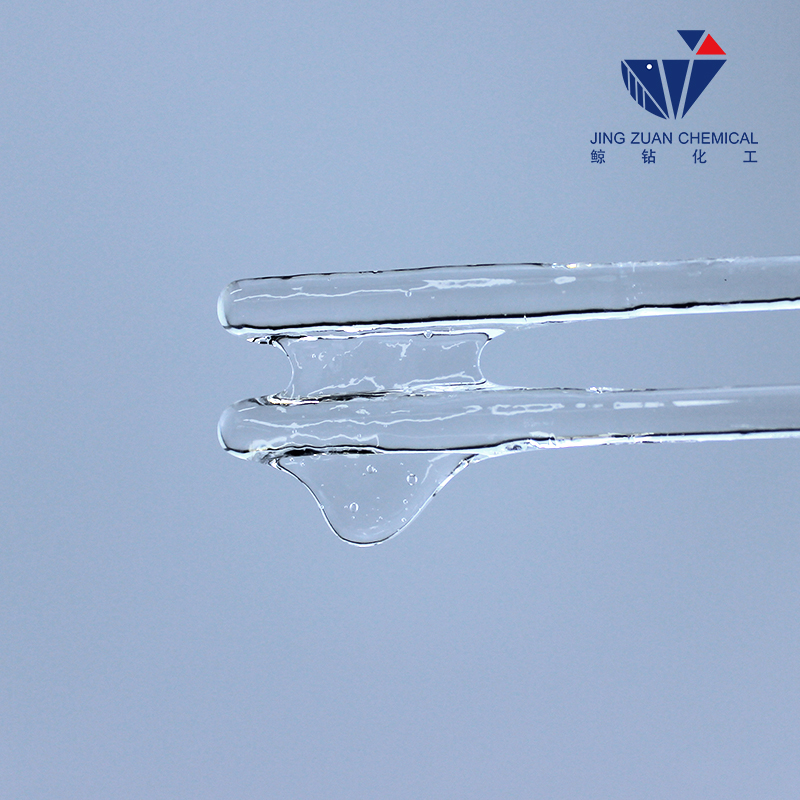
HPMC dissolves in cold water but forms gels when heated—unique and super useful for controlled release in medicine or thermal insulation in construction.
2. Non-toxicity and Biocompatibility
Its safety profile is exceptional, which is why it’s favored in food and pharmaceutical formulations.
3. Viscosity and Film-Forming Ability
Depending on molecular weight, it can make solutions thick like honey or form thin, flexible films—crucial in paints and coatings.
4. Chemical Stability
Resistant to acids, alkalis, and enzymatic degradation—meaning products last longer and work better, especially in harsh environments.
5. Compatibility with Other Ingredients
HPMC blends smoothly with countless chemicals, allowing formulation scientists creativity without losing stability.
Product Specification Table
| Property | Value / Specification |
|---|---|
| CAS Number | 9004-65-3 |
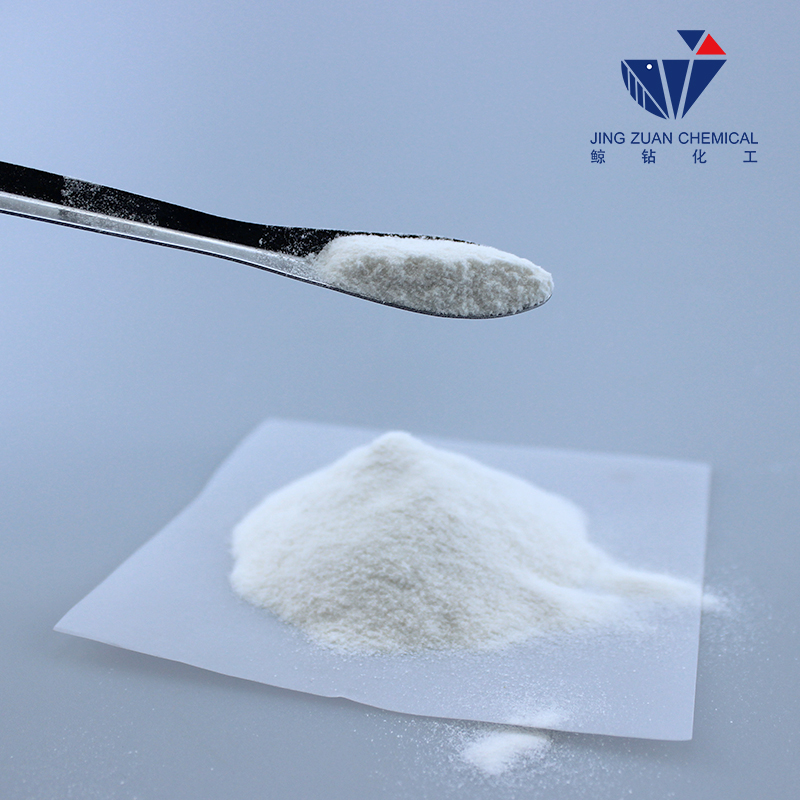
| Appearance | White or off-white powder |
| Solubility | Water soluble (cold), gelation on heating |
| Viscosity (2% solution) | Varies: 100–100,000 mPas |
| pH (1% solution) | 5.0–8.0 |
| Moisture Content |
Global Applications & Use Cases
From Asia’s booming pharmaceutical industry to Europe’s construction sectors, hydroxypropyl methyl cellulose is nearly everywhere. In fact, the pharmaceutical industry often relies on HPMC as a binder and coating agent in tablets and capsules worldwide—ensuring controlled release and smooth swallowing.
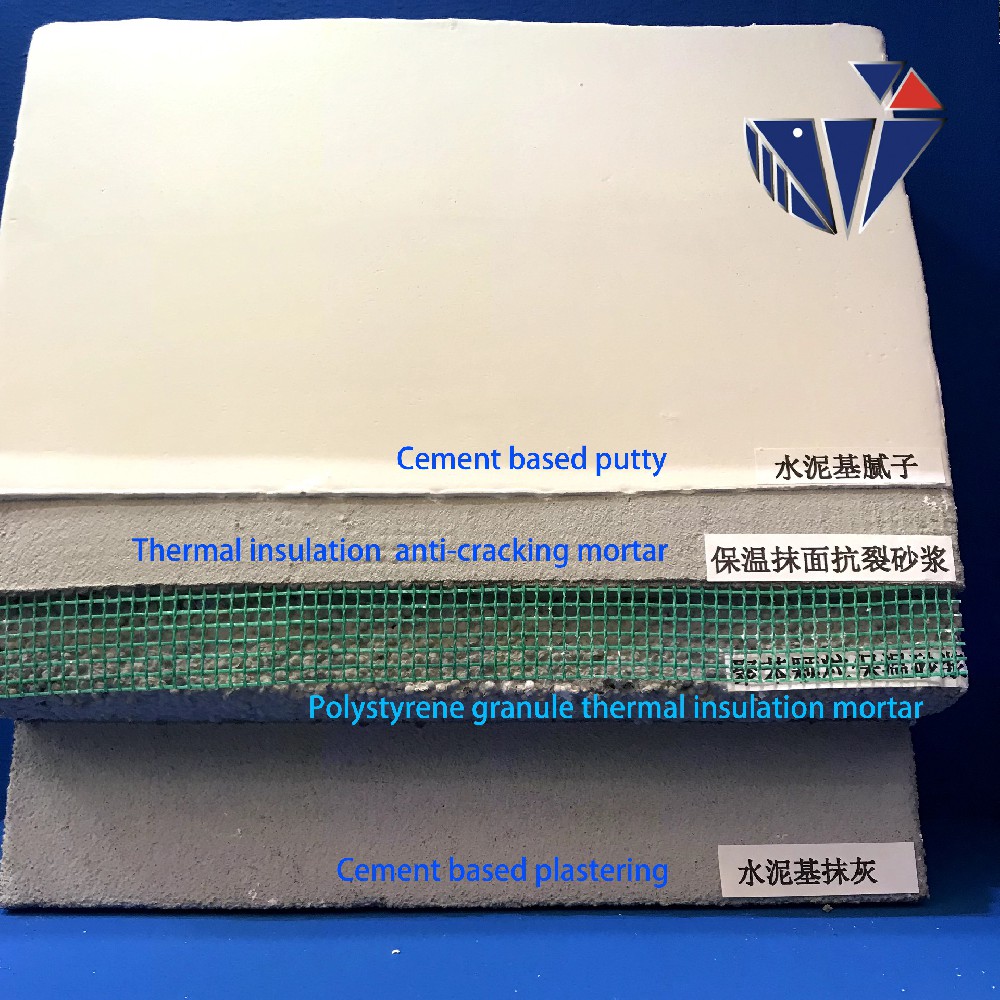
- Construction: HPMC improves mortar workability and water retention, crucial in hot climates like the Middle East.
- Food Industry: It acts as a stabilizer and emulsifier in gluten-free bread or ice cream, supporting clean-label trends across North America and Europe.
- Cosmetics: Used in lotions and shampoos as a thickener without irritating sensitive skin.
- Environmental Impact: Slowly biodegrades, aligning with circular economy goals.
In humanitarian relief, flexible, easy-to-apply building materials fortified with HPMC mean faster, safer shelter construction post-disaster. It’s a subtle but powerful ingredient in constructing dignity and safety.
Vendor Comparison Table: Top Suppliers of Hydroxypropyl Methyl Cellulose CAS
| Supplier | Purity (%) | Price per kg (USD) | Global Reach | Certifications |
|---|---|---|---|---|
| Company A | 99+ | 8.50 | Asia, Europe, Americas | ISO9001, FDA |
| Company B | 98 | 7.75 | Europe, Americas | ISO14001 |
| Company C | >99 | 9.10 | Global | GMP, FDA |
Advantages & Long-Term Value
In real terms, manufacturers experience cost savings by using hydroxypropyl methyl cellulose cas due to its multifunctionality. Its sustainability, being cellulose-based, appeals strongly in an era focused on environmental impact. It's not just about the bottom line though—the social advantage is significant; products formulated with HPMC often have improved safety profiles, supporting consumer trust and regulatory compliance.
There’s also the emotional side—knowing a pharmaceutical tablet or gluten-free loaf you depend on for health and wellbeing contains an ingredient respected for its safety and efficacy can be reassuring. In construction, durable and flexible building compounds using HPMC ultimately protect families and livelihoods.
Future Trends & Innovations
Looking ahead, the role of hydroxypropyl methyl cellulose cas is evolving within green chemistry frameworks. Researchers are focusing on improving biodegradability and reducing energy footprints during production. One exciting area is nano-structured cellulose ethers that promise enhanced performance in drug delivery and smart coatings.
Meanwhile, automation and digital formulation tools are enabling more precise tailoring of HPMC’s properties for ultra-specific applications—a trend gaining traction in personalized medicine and advanced materials sectors.
Challenges & Solutions
Of course, no material is perfect. Issues like batch variability or sourcing consistent raw cellulose can affect quality. Additionally, some formulations may require additives to improve HPMC’s performance in extreme conditions.
Innovative suppliers are addressing these by investing in supply chain transparency, advanced quality control techniques, and hybrid materials combining HPMC with other polymers to push beyond traditional limits.
FAQ: Frequently Asked Questions About Hydroxypropyl Methyl Cellulose CAS
Q1: What makes hydroxypropyl methyl cellulose cas indispensable in pharmaceuticals?A1: It acts as a reliable binder and controlled-release agent, ensuring tablets maintain integrity and deliver drugs effectively. Its non-toxic and hypoallergenic nature also makes it ideal for sensitive applications.
Q2: Can HPMC be used in gluten-free food products?
A2: Absolutely. HPMC functions as a gluten substitute, improving texture and moisture retention, which are essential in gluten-free baking.
Q3: How long do products containing HPMC typically last?
A3: Due to its chemical stability, HPMC-based products generally exhibit good shelf life—often several years—especially when stored properly away from moisture.
Q4: Is hydroxypropyl methyl cellulose environmentally friendly?
A4: It’s derived from renewable cellulose and is biodegradable under appropriate conditions, making it a greener choice versus many petrochemical-based polymers.
Q5: How do companies ensure consistent quality of HPMC?
A5: By adhering to strict quality standards like ISO and GMP, employing rigorous testing, and sourcing raw materials responsibly, manufacturers keep quality consistent.
Conclusion
To sum it up, hydroxypropyl methyl cellulose cas is a quietly powerful ingredient enabling innovation across industries, with benefits ranging from sustainability to enhanced product performance and social impact. Whether you’re a formulator, engineer, or a curious consumer, understanding its role offers a window into the ingenuity shaping modern manufacturing and daily life.
If you want to explore more or source quality HPMC products, be sure to visit https://www.cnjzchemical.com for detailed information and reliable supply options.
Ultimately, it feels like HPMC links natural origins with advanced tech—kind of the best of both worlds.
References
-
Understanding Hydroxypropyl Methyl Cellulose MSDS Safety and Compliance
NewsApr.16,2026
-
Understanding the Hydroxypropyl Methyl Cellulose HS Code for Global Trade
NewsApr.09,2026
-
Comprehensive Guide to Hydroxypropyl Methyl Cellulose CAS Number and Applications
NewsApr.07,2026
-
Comprehensive Guide to Hydroxypropyl Methyl Cellulose cas no and its Diverse Applications
NewsApr.04,2026
-
Comprehensive Guide to Hydroxypropyl Methyl Cellulose Manufacturers and Applications
NewsMar.31,2026
-
Understanding Hydroxypropyl Methyl Cellulose Properties And Diverse Applications
NewsMar.28,2026