
Dec . 03, 2025 18:30 Back to list
Comprehensive Guide to Redispersible Latex Powder for Industrial Applications
Redispersible Latex Powder is a key solution in the industry, specifically within building materials and construction sectors. This article explores how https://www.cnjzchemical.com supports professionals with durable, high-performance products, and explains why this product is an ideal choice for businesses in these sectors.
Table of Contents
- Redispersible Latex Powder Overview
- Benefits & Use Cases of Redispersible Latex Powder
- Cost, Maintenance & User Experience
- Sustainability & Market Trends
Redispersible Latex Powder Overview
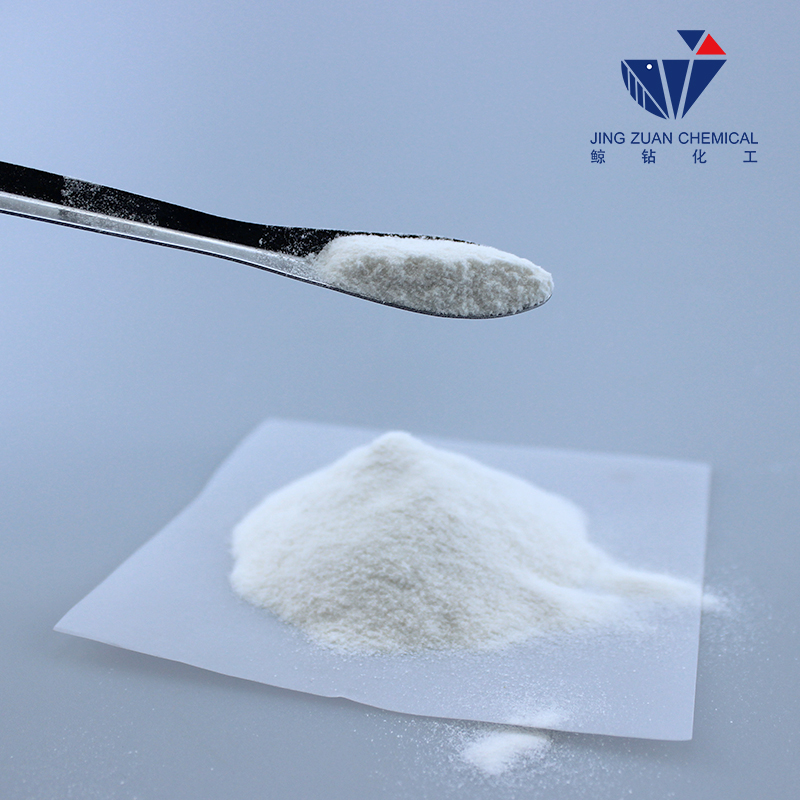
Redispersible latex powder (RDP) is essentially a finely ground polymer powder that, when mixed with water, rehydrates into a latex polymer dispersion. If that sounds technical, it’s basically an additive used to enhance cementitious products like tile adhesives, mortars, and plasters. Its relevance lies squarely in adding flexibility, adhesion, and water resistance to these materials. Oddly enough, despite being a powder, the performance boost it provides feels like liquid latex directly added during mixing — only easier to handle and store.
- It’s produced through emulsion polymerization and spray drying, resulting in a powder form that’s stable at room temp.
- Technical specs vary but typically include particle size around 80 microns and polymer content exceeding 50% by weight.
- A real-world case: a tile adhesive with 5% RDP had a 20% increase in tensile adhesion strength and improved water resistance, verified through ISO standard tests.
| Parameter | Value | Unit |
|---|---|---|
| Polymer Content | 55–65 | % |
| Particle Size (median) | 80–90 | microns |
| Moisture Content | 3 max | % |
| Bulk Density | 450–550 | kg/m³ |
Benefits & Use Cases of Redispersible Latex Powder
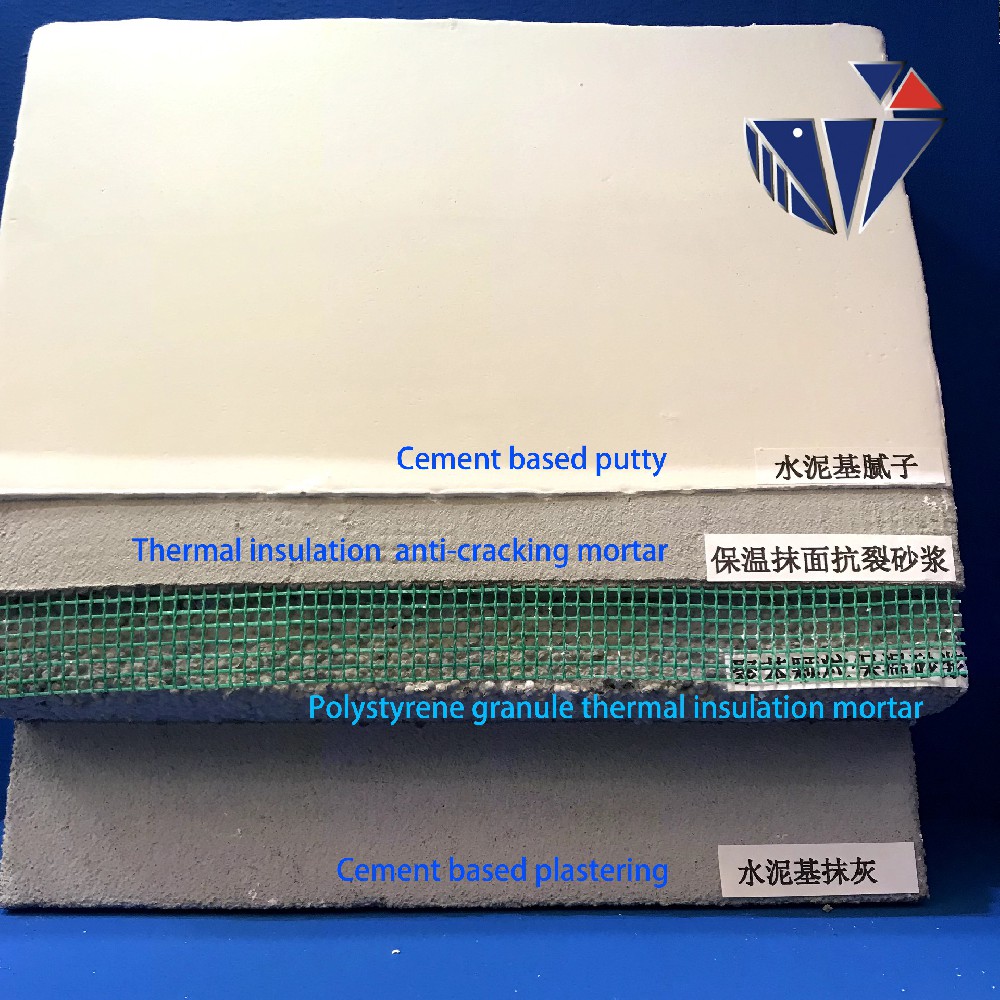
The benefits? Where to start. Redispersible latex powder enhances adhesion and flexibility in cement-based materials, preventing cracking and improving elongation — especially important for external plasters exposed to temperature swings. Many construction engineers say it’s a game-changer for tile adhesives, particularly when bonding to difficult substrates. It reduces water absorption and boosts freeze-thaw durability, making it a favorite in colder climates or moisture-prone areas.
- Used widely in tile adhesives, self-leveling compounds, waterproofing mortars, and joint fillers.
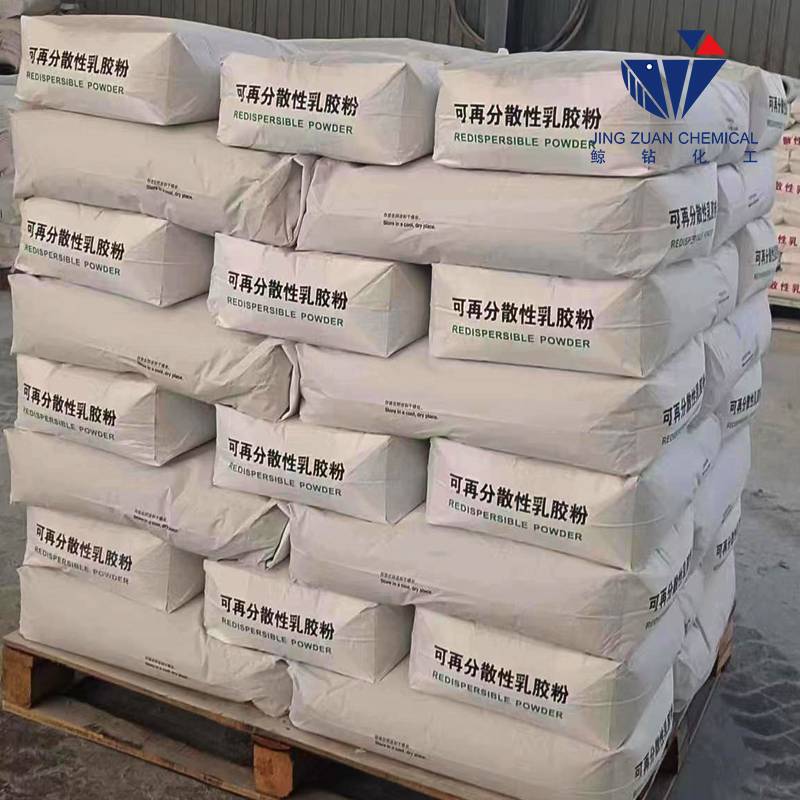
- Its powder form provides easier storage and transport compared to liquid latex, minimizing shipping costs.
- Businesses appreciate the controlled dosage it allows, ensuring consistent product quality.
Cost, Maintenance & User Experience
Talking dollars and sense, redispersible latex powders may initially seem pricier compared to traditional cement additives. But frankly, the total cost of ownership tells a different story. You get longer service life, less cracking, and fewer failures or callbacks. The return on investment often stems from these lower lifecycle costs. It’s a bit like paying a bit more upfront to avoid headaches down the line.
- Feedback from contractors highlights improved workability and ease of mixing.
- Maintenance is minimal; products containing RDP tend to resist weathering and mechanical stress better.
- Users report fewer issues with adhesion failures, which cuts down warranty claims.
Vendor Comparison: Leading Redispersible Latex Powder Suppliers
| Supplier | Polymer Content (%) | Particle Size (microns) | Typical Applications | Price Range |
|---|---|---|---|---|
| CNJZ Chemical | 60 | 85 | Tile adhesives, plasters, waterproofing | Competitive |
| Vendor B | 58 | 80 | Mortars, joint fillers | Moderate |
| Vendor C | 65 | 90 | Self-leveling compounds, waterproofing | Premium |
Sustainability & Market Trends
The sustainability angle is increasingly important, and frankly, it’s kind of where the market is heading. Manufacturers like CNJZ Chemical are innovating to lower VOC emissions and improve the environmental footprint of their polymer powders. Plus, redispersible latex powders help reduce the need for excessive cement content—lowering CO₂ emissions in production.
- Regulatory landscapes worldwide push for greener additives with certifications emerging.
- Market growth for RDP swells due to demand from emerging economies embracing new construction technologies.
- Innovation focuses on bio-based polymers and improved recyclability.
Frequently Asked Questions about Redispersible Latex Powder
- What is Redispersible Latex Powder and how does it work?
- It’s a powdered polymer additive used in cement mixes. When water is added, it redistributes to form a latex film, improving flexibility and adhesion.
- What are the main benefits of using Redispersible Latex Powder in industrial applications?
- Increased bonding strength, water resistance, flexibility, and durability; plus easier handling and storage than liquid latex.
- How does Redispersible Latex Powder compare to traditional alternatives?
- Unlike traditional latex emulsions that need cold storage, powder is stable at room temp and has a longer shelf life, making logistics simpler.
- What industries can benefit most from Redispersible Latex Powder implementation?
- Primarily construction, including tile adhesive manufacturers, concrete repair, waterproofing, and flooring sectors.
Conclusion on Redispersible Latex Powder from China
To wrap it all up, Redispersible Latex Powder is a versatile and indispensable additive for modern cementitious products. Its benefits in improving flexibility, adhesion, and durability make it well worth considering for B2B decision makers who strive for quality and cost efficiency. For those seeking a reliable supplier emphasizing quality and sustainability, I’d say CNJZ Chemical is worth a look.
- Recap the value of Redispersible Latex Powder.
- - Visit our website: https://www.cnjzchemical.com
It’s interesting how something that started mainly as a simple building additive has evolved into such a sophisticated, sustainability-minded product that really shapes the materials industry.
References:
- International Standards on Polymer-Modified Cementitious Materials, ISO 13007
- CNJZ Chemical Product Data Sheets, 2023 Edition
- Construction Materials Journal: Advances in Redispersible Latex Powder Applications, 2022
-
Understanding Hydroxypropyl Methyl Cellulose MSDS Safety and Compliance
NewsApr.16,2026
-
Understanding the Hydroxypropyl Methyl Cellulose HS Code for Global Trade
NewsApr.09,2026
-
Comprehensive Guide to Hydroxypropyl Methyl Cellulose CAS Number and Applications
NewsApr.07,2026
-
Comprehensive Guide to Hydroxypropyl Methyl Cellulose cas no and its Diverse Applications
NewsApr.04,2026
-
Comprehensive Guide to Hydroxypropyl Methyl Cellulose Manufacturers and Applications
NewsMar.31,2026
-
Understanding Hydroxypropyl Methyl Cellulose Properties And Diverse Applications
NewsMar.28,2026