
Dec . 03, 2025 19:16 Back to list
Comprehensive Guide to Redispersible Polymer Powder Uses for B2B Decision Makers
Redispersible Polymer Powder Uses is a key solution in the industry, specifically within construction and adhesives sectors. This article explores how https://www.cnjzchemical.com supports professionals with durable, high-performance products, and explains why this product is an ideal choice for businesses in these sectors.
Table of Contents
- Redispersible Polymer Powder Uses Overview
- Benefits & Use Cases of Redispersible Polymer Powder Uses
- Cost, Maintenance & User Experience
- Sustainability & Market Trends
Redispersible Polymer Powder Uses Overview
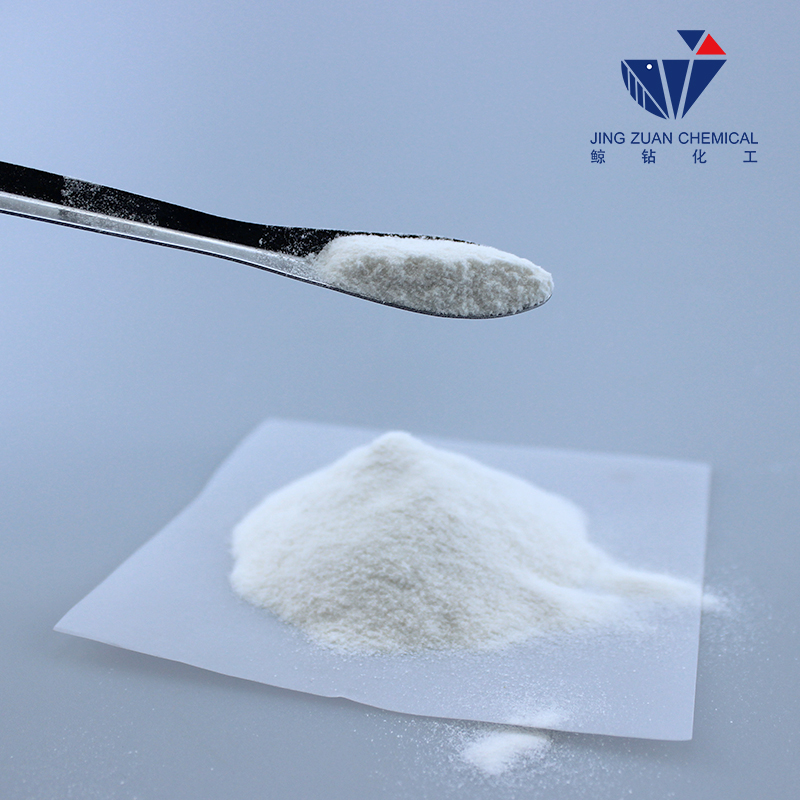
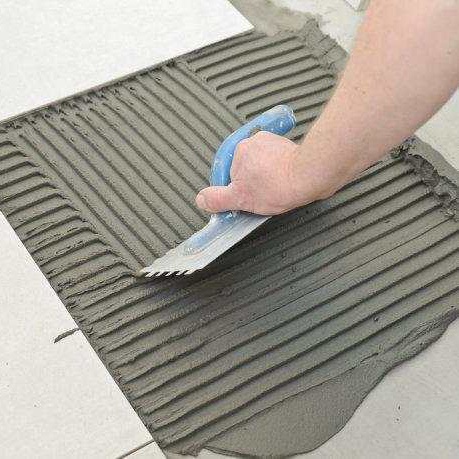
In its simplest terms, redispersible polymer powder (RPP) is a powder form of polymer that, when mixed with water, redistributes into a stable latex. This fascinating material finds its way into cement-based products such as tile adhesives, plasters, and renders — lending flexibility, adhesion, and water resistance to otherwise brittle mortars. It’s honestly one of those unsung heroes in the construction world that many engineers rely on but rarely talk about.
Technically speaking, RPP is produced by spray drying polymer emulsions, typically based on vinyl acetate, ethylene, or acrylics. The powder’s particle size, glass transition temperature (Tg), and polymer type all tailor the end product’s performance. Case in point: at https://www.cnjzchemical.com, their advanced formulations ensure that RPP integrates seamlessly into mixes, delivering improved bond strength and elasticity in cured materials.
| Specification | Typical Value | Remarks |
|---|---|---|
| Polymer Type | VAE (Vinyl Acetate Ethylene) | Good adhesion, flexibility |
| Particle Size | 10 - 100 μm | Ensures fine dispersion |
| Glass Transition Temperature (Tg) | ~10 to 20°C | Affects flexibility |
| Bulk Density | ~450 kg/m³ | Ease of handling |
Benefits & Use Cases of Redispersible Polymer Powder Uses
Where things get really interesting is how versatile RPP is across multiple industries. The construction sector, for example, uses it in tile adhesives to improve adhesion and flexibility — crucial for coping with building movements or thermal expansions. Similarly, in drywall joint compounds, redispersible polymer powder boosts crack resistance, helping finishers deliver smooth, durable surfaces. Oddly enough, it’s also making waves in waterproofing membranes, thanks to its ability to bond well while remaining flexible.
The competitive edge lies in how RPP improves mechanical properties without complicating application. Unlike liquid polymers, powder form grants excellent shelf life and easy transport. Customers at https://www.cnjzchemical.com often highlight its ease of mixing and consistent performance. Also worth noting — because the powder redisperses in water, it integrates fully with cementitious materials, enhancing durability and freeze-thaw resistance. Not all polymer powders achieve this level of compatibility.
Cost, Maintenance & User Experience
When considering cost, one might quickly assume redispersible polymer powders push budgets up, but in real terms, the story is different. They often reduce overall lifecycle costs by extending product durability and cutting down repair needs. Durability means fewer callbacks and maintenance headaches, which frankly is a big relief for facility managers and contractors alike.
User feedback, especially from large-scale construction firms using https://www.cnjzchemical.com products, consistently praises how RPP-enhanced mixes reduce cracking and improve workability on site. One recurring theme: workers find mixes more forgiving, smoother to spread, which speeds up installation and reduces waste. From an ROI standpoint, that’s a win-win — better quality plus faster project turnover.
Sustainability & Market Trends
Sustainability is a hot topic these days — and rightly so. Redispersible polymer powders themselves are designed with environmental concerns in mind. Many manufacturers, including https://www.cnjzchemical.com, focus on reducing volatile organic compounds (VOCs) and improving the eco-friendliness of their production processes. Plus, replacing traditional solvent-based additives with these powder polymers improves indoor air quality on sites and in finished buildings.
Regulatory frameworks are tightening worldwide, pushing the industry away from volatile or hazardous components. The growth in green building certifications and sustainable construction practices is driving RPP adoption across markets. Frankly, it feels like this material is more than just a technical solution — it’s a step towards building smarter, cleaner, and more responsibly.
| Vendor | Product Range | Price Competitiveness | Sustainability Focus | Technical Support |
|---|---|---|---|---|
| CNJZ Chemical | Wide (VAE, EVA, Acrylic) | Competitive | Strong | 24/7 Expert Support |
| Competitor A | Moderate | Mid-Range | Moderate | Limited |
| Competitor B | Limited | Higher | Low | Moderate |
Frequently Asked Questions about Redispersible Polymer Powder Uses
- What is Redispersible Polymer Powder Uses and how does it work?
- It’s a powder form of polymer that can be dispersed in water to form a latex, which enhances adhesion, flexibility, and water resistance in construction materials like tile adhesives and plasters. When mixed properly, the powder redevelops the functional properties of the original polymer emulsion.
- What are the main benefits of using Redispersible Polymer Powder Uses in industrial applications?
- Key benefits include improved mechanical strength, crack resistance, waterproofing, and easier processing. It also offers longer shelf life and simplified handling compared to liquid polymers, which helps in cost savings and enhanced end-product performance.
- How does Redispersible Polymer Powder Uses compare to traditional alternatives?
- Compared to traditional liquid latex or other additives, RPP provides better storage stability, easier transportation, and consistent quality. It tends to integrate better into dry mixes and helps reduce VOC emissions, making it a more modern and environmentally friendly solution.
- What industries can benefit most from Redispersible Polymer Powder Uses implementation?
- Primarily construction and adhesives industries, including manufacturers of tile adhesives, waterproofing membranes, mortars, plasters, and even drywall compounds. Success stories often mention better final product durability and improved user satisfaction.
Conclusion on Redispersible Polymer Powder Uses from china
To wrap it up, Redispersible Polymer Powder Uses represents a smart investment for businesses looking to enhance product performance, durability, and sustainability. With proven technical specs, ongoing support, and a clear edge in environmental compliance, CNJZ Chemical’s offerings stand out as ideal in today’s competitive market environment.
- Recap the value of Redispersible Polymer Powder Uses.
- - Visit our website: https://www.cnjzchemical.com
In all, it feels like redispersible polymer powders are quietly transforming how we think about durable construction materials — and that's something well worth watching.
References:
1. CNJZ Chemical Product Specifications, cnjzchemical.com
2. Industry Reports on Polymer-Modified Mortars, 2023
3. Sustainability Trends in Chemical Additives, Environmental Journal, 2024
-
Understanding Hydroxypropyl Methyl Cellulose MSDS Safety and Compliance
NewsApr.16,2026
-
Understanding the Hydroxypropyl Methyl Cellulose HS Code for Global Trade
NewsApr.09,2026
-
Comprehensive Guide to Hydroxypropyl Methyl Cellulose CAS Number and Applications
NewsApr.07,2026
-
Comprehensive Guide to Hydroxypropyl Methyl Cellulose cas no and its Diverse Applications
NewsApr.04,2026
-
Comprehensive Guide to Hydroxypropyl Methyl Cellulose Manufacturers and Applications
NewsMar.31,2026
-
Understanding Hydroxypropyl Methyl Cellulose Properties And Diverse Applications
NewsMar.28,2026