
Dec . 02, 2025 01:45 Back to list
Comprehensive Guide to the hpmc Market: Trends, Applications & Future Outlook
Understanding the hpmc market: What it is and why it matters globally
The hpmc market might not be a household term, but it plays a pivotal role on the global stage, especially in industries ranging from pharmaceuticals to construction and beyond. Put simply, “hpmc” refers to hydroxypropyl methylcellulose — a versatile compound widely used as a thickener, binder, and film former, among other things.
But why should you care? Well, in today’s world, the demand for materials that are both efficient and environmentally friendly is skyrocketing, and the hpmc market stands at the crossroads of innovation and need. Whether you’re into industrial manufacturing, looking at sustainable product design, or tracking supply chains globally, understanding this market equips you with insights into how products are made safer, cheaper, and more sustainable worldwide.
Mini takeaway: The hpmc market bridges chemistry with real-world applications that affect sectors from medicine to construction, making it a quietly essential player in global development.
The global context: Why the hpmc market is significant today
Globally, industries are under increasing pressure to adapt—whether that’s through lowering carbon footprints or improving product safety. According to the International Organization for Standardization (ISO), sustainable materials make up a growing segment of manufacturing inputs.
Interestingly, reports from the World Bank emphasize how emerging economies are pushing the demand for multifunctional additives like hpmc. The problem? Many traditional materials either falter in performance or come with high environmental costs.
Challenge: Industries need materials that not only meet high-performance standards but do so sustainably and at scale. This is where the hpmc market addresses a growing demand for versatile, reliable, and eco-friendly ingredients.
Mini takeaway: The global push for sustainable and efficient materials underpins the rising importance of the hpmc market in both developed and emerging economies.
What exactly is the hpmc market?
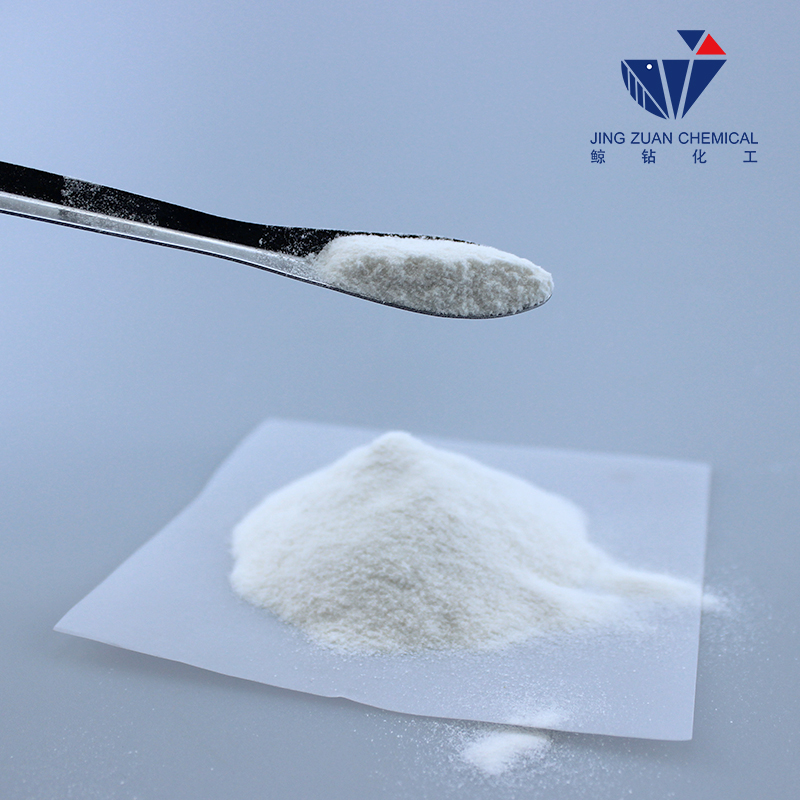
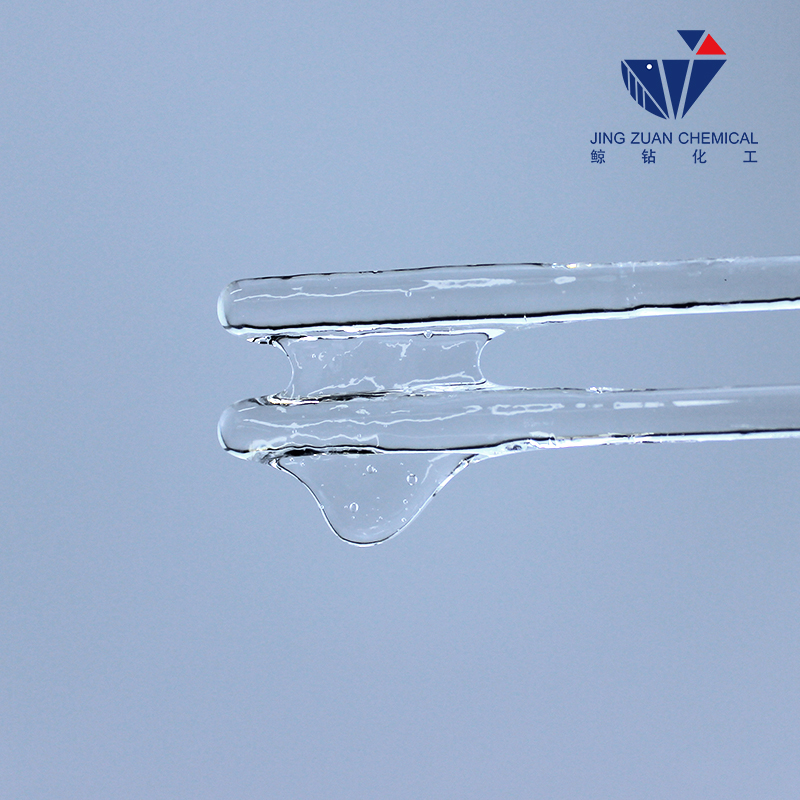
Hydroxypropyl methylcellulose (HPMC) is a chemical derived from cellulose—the structural component of plants. It’s a non-toxic, biodegradable polymer that’s soluble in water, making it hugely valuable in manufacturing. The hpmc market comprises the production, distribution, and application of this compound in various industries.
It’s especially crucial in modern industries that require reliable binders, film formers, or viscosity modifiers without depending on harmful chemicals. For example, HPMC is commonly found in:
- Pharmaceutical tablets (as a binder and controlled-release agent)
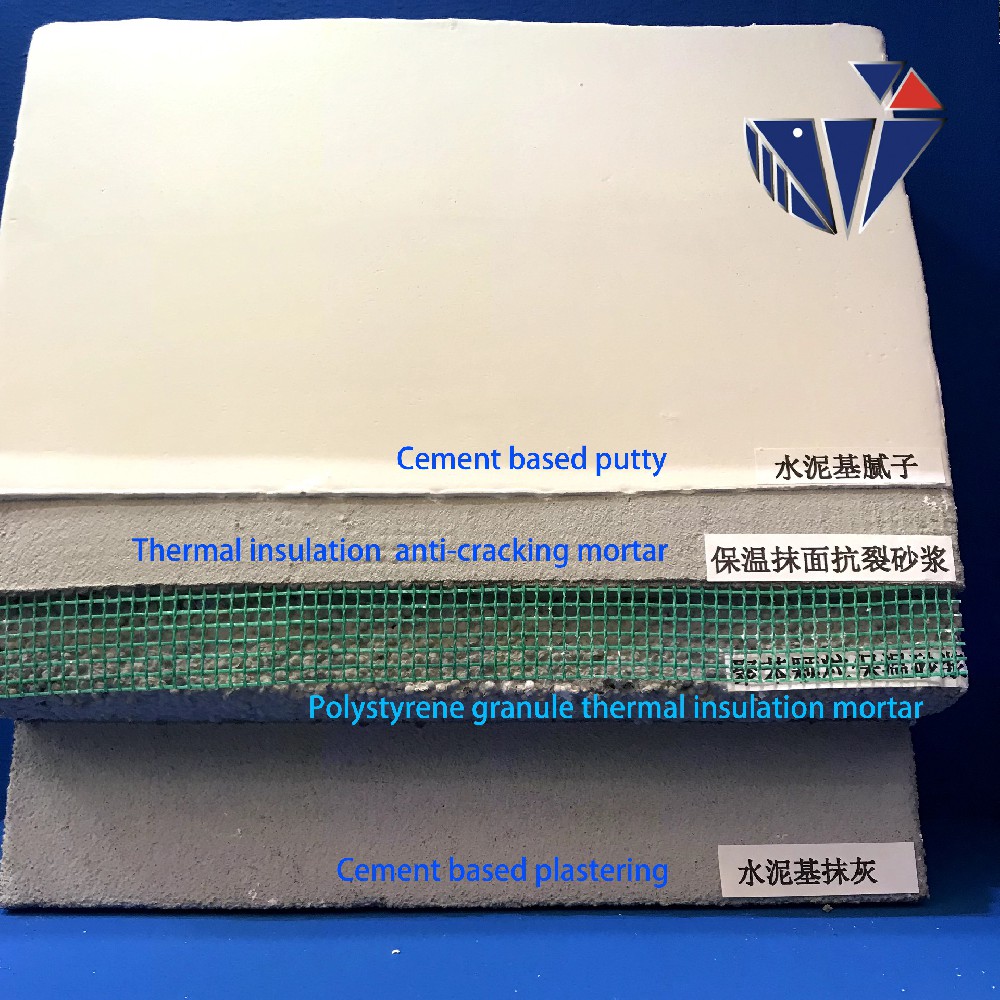
- Construction (to improve mortar workability)
- Food products (used as stabilizers)
- Cosmetics (for moisturizing and thickening creams)
So, although it’s a specialist chemical, the hpmc market’s reach spans areas that we likely interact with daily, even if unknowingly.
Mini takeaway: The hpmc market represents the global effort to produce a multi-functional compound essential for everyday items in health, building, and consumer products.
Key components driving the hpmc market forward
1. Quality & Consistency
Since hpmc is used in sensitive applications like pharmaceuticals, purity and batch consistency are non-negotiable. Producers invest heavily in quality control to comply with ISO and GMP (Good Manufacturing Practice) standards.
2. Environmental Sustainability
Because hpmc is plant-based and biodegradable, it fits well into industry efforts to reduce synthetic polymers, lowering ecological impact across product lifecycles.
3. Customizability
Manufacturers tailor hpmc’s viscosity and substitution degree to meet specific industry needs—whether it’s for moisture retention in cement or as a slow-release agent in tablets.
4. Supply Chain Resilience
Global demand spikes mean the market's supply chains must be robust, especially as cellulose sources can be regionally limited.
5. Cost-Efficiency
Despite its versatility, hpmc remains affordable relative to synthetic alternatives, providing cost advantages to manufacturers and end users alike.
| Parameter | Specification Range | Typical Application |
|---|---|---|
| Methoxy Substitution (%) | 19 - 30 | Film formation, water retention |
| Hydroxypropyl Substitution (%) | 4 - 12 | Solubility, dissolution control |
| Viscosity (mPa·s) | 50 - 4000 | Thickening agent for various matrices |
Mini takeaway: The hpmc market thrives on its ability to balance quality, environmental friendliness, and tailor-made solutions for diverse industries.
Global applications and real-world use cases of the hpmc market
From Asia’s bustling pharma hubs to Europe’s green construction standards, the hpmc market leaves its mark.
- Pharmaceutical industry: Used worldwide for controlled drug release tablets, improving patient safety and treatment effectiveness.
- Construction industry: In regions with harsh weather (think Northern Europe or parts of the U.S.), hpmc-enhanced mortars resist cracking and maintain adhesion longer.
- Cosmetics: Global brands use hpmc for its moisture-locking and smooth texture benefits, essential in skin products consumed by millions daily.
- Food sector: In Middle Eastern countries, HPMC helps maintain consistent texture in gluten-free baked goods, a rising market demand.
In some post-disaster zones, hpmc’s water retention properties make it useful in producing more durable temporary shelters and medical supplies, indirectly supporting humanitarian efforts too.
Mini takeaway: The widespread utility of hpmc reflects its global demand and versatility, fitting into critical industries and regions.
The advantages and long-term value of the hpmc market
On a practical level, HPMC helps cut costs by improving manufacturing efficiency and product longevity. On an emotional level, it inspires trust — manufacturers can deliver safer, more reliable products. Socially, it supports eco-conscious policies by offering a biodegradable alternative to synthetic polymers.
It’s not just about economics or environment; it’s also about dignity and safety. For example, patients receiving medications with hpmc as a controlled-release agent avoid fluctuating drug levels, improving outcomes.
In construction, the durability imparted by hpmc translates into longer-lasting homes and infrastructure — things that matter deeply to communities worldwide.
Emerging trends and innovations in the hpmc market
Looking ahead, the hpmc market is gearing up for some exciting developments:
- Green Chemistry: Refining extraction from cellulose with less energy and waste.
- Nanocomposites: Enhancing hpmc with nanomaterials to create smarter coatings and drug delivery systems.
- Digital quality control: Automation of production ensures precise batches with minimal human error.
- Policy-driven growth: Increasing adoption of biodegradable materials spurs regulatory incentives.
These intersecting trends paint a future where hpmc’s role only deepens, especially as industries strive for balance between performance and planetary care.
Challenges in the hpmc market & how experts are tackling them
Despite the bright outlook, the hpmc market faces bumps on the road. Supply chain vulnerabilities — owing to raw material sourcing from forests — can cause price fluctuations.
Another challenge is the potential for inconsistent quality from producers new to the market or without strict manufacturing controls.
Experts suggest:
- Developing diversified cellulose sourcing strategies
- Increasing investment in GMP-certified facilities
- Using digital monitoring to catch deviations early
The industry’s collective push toward transparency and sustainability aims to make these challenges manageable in the long term.
| Vendor | Quality Certifications | Supply Regions | Customization Options |
|---|---|---|---|
| Vendor A | ISO 9001, GMP | Asia, Europe | High viscosity range, pharma-grade |
| Vendor B | ISO 14001, REACH compliant | North America, South America | Eco-friendly extraction, custom particle size |
| Vendor C | GMP, Kosher, Halal | Global | Broad viscosity support, cosmetic grade |
FAQ: Common questions about the hpmc market
- What industries benefit most from hpmc?
- Pharmaceutical, construction, food, and cosmetics industries are the main beneficiaries, thanks to hpmc’s binding, thickening, and film-forming properties.
- How sustainable is hpmc compared to synthetic polymers?
- HPMC is plant-derived and biodegradable, making it far more eco-friendly than most synthetic alternatives, which often accumulate as pollutants.
- Can the hpmc market meet growing global demand?
- While demand is rising, industry efforts in diversifying cellulose sources and improving production efficiency aim to ensure supply keeps pace.
- Is hpmc safe for pharmaceutical use?
- Yes, hpmc is widely accepted by regulatory authorities worldwide and conforms to GMP standards, making it safe for use in drug formulations.
- How can companies customize hpmc for different applications?
- By adjusting viscosity and chemical substitution degrees, manufacturers tailor hpmc’s characteristics to cope with specific functional needs like moisture retention or dissolution rate.
Wrapping it up: Why the hpmc market deserves your attention
Ultimately, the hpmc market represents a fine blend of chemistry, sustainability, and practical innovation. Its role in so many essential industries, combined with a commitment to environmental stewardship, foreshadows continued expansion and new opportunities.
If you’re keen to dive deeper into the hpmc market, explore emerging technologies, or find reliable suppliers, visiting https://www.cnjzchemical.com is a great place to start.
Mini takeaway: The blend of versatility, eco-friendliness, and innovation makes the hpmc market a vital pillar supporting much of today’s industrial and pharmaceutical advancements.
Final thought: Sometimes the most important technologies aren’t flashy—they’re the stable, adaptable ingredients quietly shaping the future.
References:
-
Understanding Hydroxypropyl Methyl Cellulose MSDS Safety and Compliance
NewsApr.16,2026
-
Understanding the Hydroxypropyl Methyl Cellulose HS Code for Global Trade
NewsApr.09,2026
-
Comprehensive Guide to Hydroxypropyl Methyl Cellulose CAS Number and Applications
NewsApr.07,2026
-
Comprehensive Guide to Hydroxypropyl Methyl Cellulose cas no and its Diverse Applications
NewsApr.04,2026
-
Comprehensive Guide to Hydroxypropyl Methyl Cellulose Manufacturers and Applications
NewsMar.31,2026
-
Understanding Hydroxypropyl Methyl Cellulose Properties And Diverse Applications
NewsMar.28,2026