
Dec . 01, 2025 08:40 Back to list
Different Grades of HPMC: Essential Guide for Industry and Innovation
Understanding Different Grades of HPMC: Why It Matters in Today's Industries
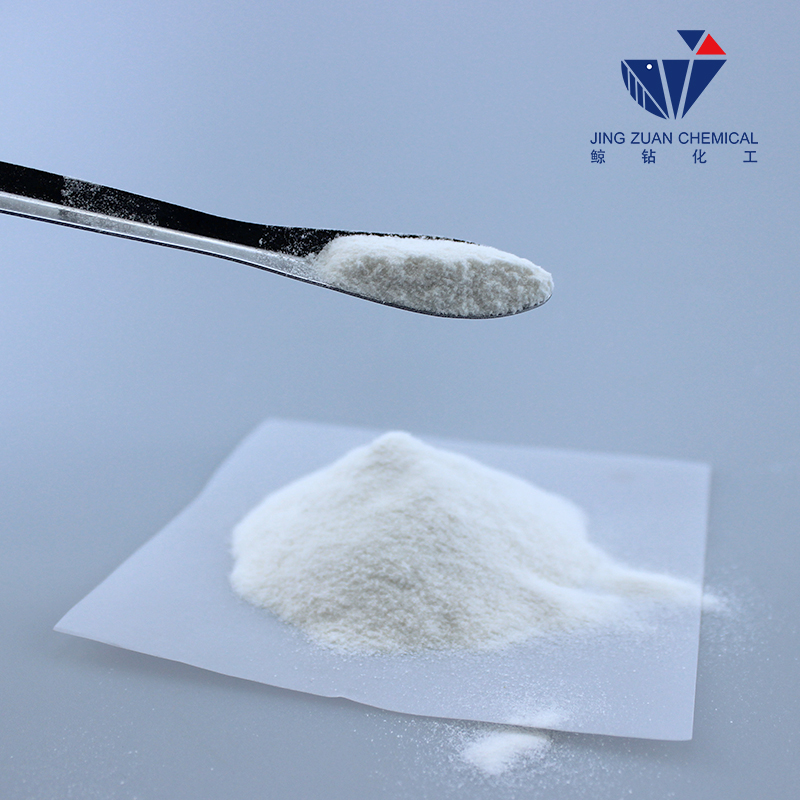
When you hear “different grades of HPMC,” it might sound a bit niche or technical, but this stuff quietly runs the show in many important sectors—construction, pharmaceuticals, paints, and even food processing. Hydroxypropyl Methylcellulose (HPMC) is basically a versatile polymer cellulose ether that acts like a molecular Swiss Army knife. Knowing the differences between its grades isn’t just academic; it profoundly impacts product performance, cost efficiency, and sustainability worldwide.
Our world, tangled with ever-growing industrial needs, demands materials that are adaptive and reliable. For example, the different grades of HPMC offer tailored solutions in everything from building faster, more durable concrete to controlling drug release in meds. So understanding what makes one grade special compared to another can unlock smarter, greener, and more cost-effective innovations.
A Global Perspective: Why Different Grades of HPMC Are Gaining Industrial Clout
To put things in perspective, the global cellulose ethers market was valued at several billion dollars as of recent reports, the kind you find in ISO trade databases. According to the United Nations Industrial Development Organization (UNIDO), the rising demand for sustainable building materials and pharmaceuticals in Asia-Pacific and Europe is rapidly shifting innovation towards specialized cellulose derivatives — including different grades of HPMC.
The challenge? Not all HPMC products are created equal. A mismatch in grade versus application often causes issues—like poor viscosity control in paints or inconsistent setting times in cement. That’s why industries invest in precision-grade HPMC: to overcome these gaps and ensure quality and efficiency.
What Are the Different Grades of HPMC?
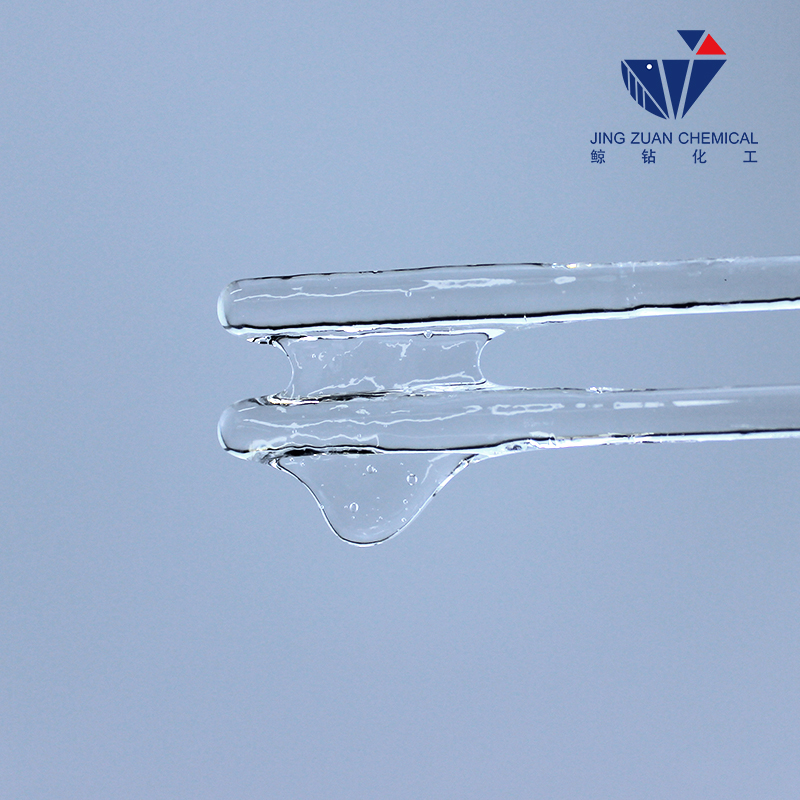
At its core, HPMC is a chemically modified cellulose with variable substitution levels of hydroxypropyl and methyl groups. Different grades refer to variations in molecular weight, viscosity, and substitution levels which affect solubility, gelation characteristics, and film-forming ability.
Think of it like coffee beans—Arabica vs. Robusta—both are coffee but yield diverging flavor profiles and caffeine content. Similarly, “fine grade,” “medium grade,” or “high viscosity grade” HPMC each fits a distinct purpose depending on industry demands.
In pharmaceuticals, for instance, low-viscosity grades are often preferred to control drug release, while high-viscosity grades perform better as thickening agents in adhesives or paints.
Core Factors Defining Different Grades of HPMC
1. Viscosity
The viscosity range can vary vastly—from as low as 10 mPa·s to more than 150,000 mPa·s. This attribute influences how the HPMC dissolves and forms gels. For cement modifiers, viscosity must be carefully chosen to optimize water retention and workability.
2. Degree of Substitution (DS)
DS measures how many hydroxyl groups on the cellulose chain are replaced with hydroxypropyl or methyl groups. This directly affects solubility and thermal stability. Higher DS generally improves water solubility and reduces gel temperature.
3. Molecular Weight
HPMC grades with higher molecular weight tend to have increased film-forming ability and mechanical strength, desirable in coatings or pharmaceutical matrices.
4. Purity & Additives
Some grades are highly purified for food or pharma use, while others accept minor impurities for construction purposes where cost efficiency is more critical.
Summary
Selecting the right grade means balancing performance with economy, a tricky but rewarding puzzle if solved intelligently.
Global Applications & Real-World Use Cases of Varying HPMC Grades
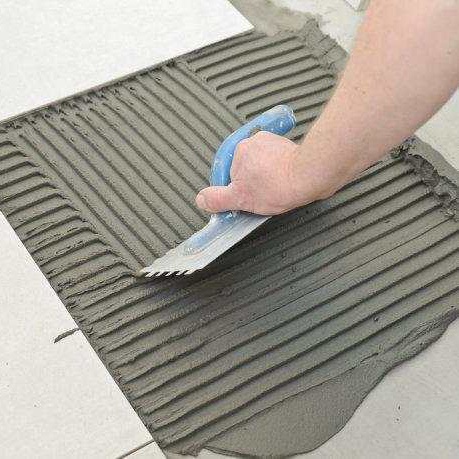
The versatility of different grades of HPMC is remarkable. In civil engineering, low-viscosity grades enhance cement mortars and plasters, improving water retention and workability to suit climates from humid Southeast Asia to dry Middle Eastern deserts.
Meanwhile, pharmaceutical companies in Europe focus on medium-viscosity HPMC for sustained-release tablets, helping patients get smoother drug delivery with fewer side effects.
Oddly enough, even food manufacturers rely on certain grades as emulsifiers and stabilizers, meeting ever-stricter global food safety standards.
Case in Point: After the 2015 Nepal earthquake, NGOs turned to rapid-drying construction mortars modified with the right grade of HPMC, significantly accelerating shelter reconstruction.
Advantages & Long-Term Value of Using the Right HPMC Grades
- Cost Efficiency: Using a grade suited to the specific application prevents waste and reduces rework.
- Sustainability: Optimized water retention reduces overall consumption—critical in drought-prone regions.
- Reliability: Materials behave consistently, fostering trust in building safety and pharmaceutical efficacy.
- Social Impact: In humanitarian contexts, better material performance translates to quicker, safer housing.
Frankly, understanding these benefits helps companies invest wisely—not just in products but in people’s lives.
Technical Specifications of Popular HPMC Grades
| Grade Name | Viscosity (mPa·s) | DS Hydroxypropyl | DS Methyl | Typical Application |
|---|---|---|---|---|
| HPMC-A | 25,000 | 0.16 | 1.5 | Cement additive, tile adhesives |
| HPMC-B | 3000 | 0.12 | 1.4 | Pharmaceutical coating, sustained release |
| HPMC-C | 50,000 | 0.20 | 1.6 | Paint thickener and stabilizer |
Comparing Leading HPMC Vendors: What to Look For
| Vendor | Grade Variety | Global Reach | Customization Options | Sustainability Initiatives |
|---|---|---|---|---|
| CNJZ Chemical | Extensive (15+ grades) | Strong in Asia & Europe | Tailored grades on request | Eco-friendly production |
| Global Cellulose Ltd. | Moderate (8–10 grades) | North America & Europe | Standard grades only | Partial use of renewable energy |
| EcoEthyl Cellulose Co. | Niche (5 specialized grades) | Global (focus on pharma) | Highly customizable | Carbon-neutral goals by 2030 |
The Road Ahead: Future Trends and Innovations with HPMC
The future of different grades of HPMC feels very promising. Innovation is naturally moving towards greener synthesis processes, more precise molecular tailoring via AI-driven chemical design, and smart integration into digital manufacturing frameworks.
Circular economy principles are pushing vendors toward bio-based raw materials and reducing solvent use — making HPMC not just a high-performance additive but a symbol of sustainable industrial progress.
Common Challenges and How Industry Experts Are Addressing Them
Despite its shine, HPMC has hurdles. Batch-to-batch viscosity variations, sensitivity to storage conditions, and pricing fluctuations can frustrate manufacturers.
However, advancements in quality control—like near-infrared spectroscopy—and tighter supply chain integrations help reduce unpredictability. Meanwhile, collaboration between suppliers and end-users ensures ongoing customization solves real problems rather than theoretical ones.
FAQ: Quick Answers to Your Burning Questions on Different Grades of HPMC
1. How do I choose the right grade of HPMC for cement applications?
Mainly focus on viscosity and water retention properties. For tile adhesives or cement mortars, grades with viscosities above 20,000 mPa·s provide good consistency and durability.
2. Can HPMC grades affect drug release in pharmaceutical tablets?
Absolutely. Lower viscosity grades generally dissolve faster, enabling quicker drug release, while higher viscosities help form sustained-release matrixes.
3. Is it possible to customize HPMC grades for specific project demands?
Yes, many suppliers—including different grades of hpmc providers—offer tailored formulations balancing substitution levels and viscosity to fit precise use cases.
4. How stable are different HPMC grades under various storage conditions?
HPMC is generally stable if kept dry and away from extreme temperatures. However, high-humidity environments can affect moisture absorption, changing viscosity slightly.
5. Are HPMC grades environmentally friendly?
Since HPMC is derived from cellulose—mainly plant-based—it's biodegradable and considered sustainable, especially when produced via eco-conscious processes.
Wrapping It Up: Why Understanding Different Grades of HPMC Is Worth Your Time
To sum it all up, grasping the nuances among different grades of HPMC is more than just nerdy chemical talk. It’s about unlocking reliable innovation that saves costs, reduces waste, and ultimately serves humanity better—whether that’s through safer buildings, smarter medicines, or eco-friendly products. If you’ve ever wondered how a tiny ingredient quietly supports massive industries, this is a perfect example.
Curious to dig deeper or explore specific grades? Take a look at different grades of hpmc for details and expert consults tailored to your needs.
References
-
Understanding Hydroxypropyl Methyl Cellulose MSDS Safety and Compliance
NewsApr.16,2026
-
Understanding the Hydroxypropyl Methyl Cellulose HS Code for Global Trade
NewsApr.09,2026
-
Comprehensive Guide to Hydroxypropyl Methyl Cellulose CAS Number and Applications
NewsApr.07,2026
-
Comprehensive Guide to Hydroxypropyl Methyl Cellulose cas no and its Diverse Applications
NewsApr.04,2026
-
Comprehensive Guide to Hydroxypropyl Methyl Cellulose Manufacturers and Applications
NewsMar.31,2026
-
Understanding Hydroxypropyl Methyl Cellulose Properties And Diverse Applications
NewsMar.28,2026