
Dec . 13, 2025 14:55 Back to list
Discover How a Top HPMC Factory Drives Innovation & Efficiency
Understanding the Role of an HPMC Factory in Today’s Industry
Hydroxypropyl methylcellulose, or HPMC, might sound like a mouthful, but it’s one of those quietly powerful materials underpinning modern manufacturing, pharmaceuticals, and construction. A well-run hpmc factory doesn't just churn out this polymer; it supports countless global industries striving for better performance, safety, and environmental responsibility. From enhanced drug delivery systems to improving the texture of paints and cement, the impact is vast.
Why does this matter on a global scale?
The demand for HPMC is estimated to grow steadily, especially in Asia-Pacific regions, projected to rise by 6% annually according to various market reports. This growth reflects wider industrial modernization — think rapid urbanization and evolving pharmaceutical standards. But the challenges go beyond volume; consistent quality and eco-friendly production processes become increasingly critical.
Mini takeaway: An hpmc factory is at the heart of multiple global trends—from sustainability to pharma innovation—and understanding its role reveals its wide-reaching influence.
The Global Landscape of HPMC Factory Operations
Globally, HPMC production hubs cluster in regions balancing raw material availability with robust industrial infrastructure: China, India, and parts of Europe lead the way. According to the UN Industrial Development Organization (UNIDO), the polymer sector is integral to sustainable development, intertwining economic growth with eco-conscious policies.
One common problem faced by these factories is harmonizing production scale and environmental compliance. With stricter ISO and REACH regulations, the pressure to minimize hazardous byproducts demands clever chemical engineering and investment in cleaner technologies.
Mini takeaway:
- Leading hpmc factories combine scale with sustainability.
- They navigate complex compliance, which impacts product quality and market access.
What Exactly Is an HPMC Factory?
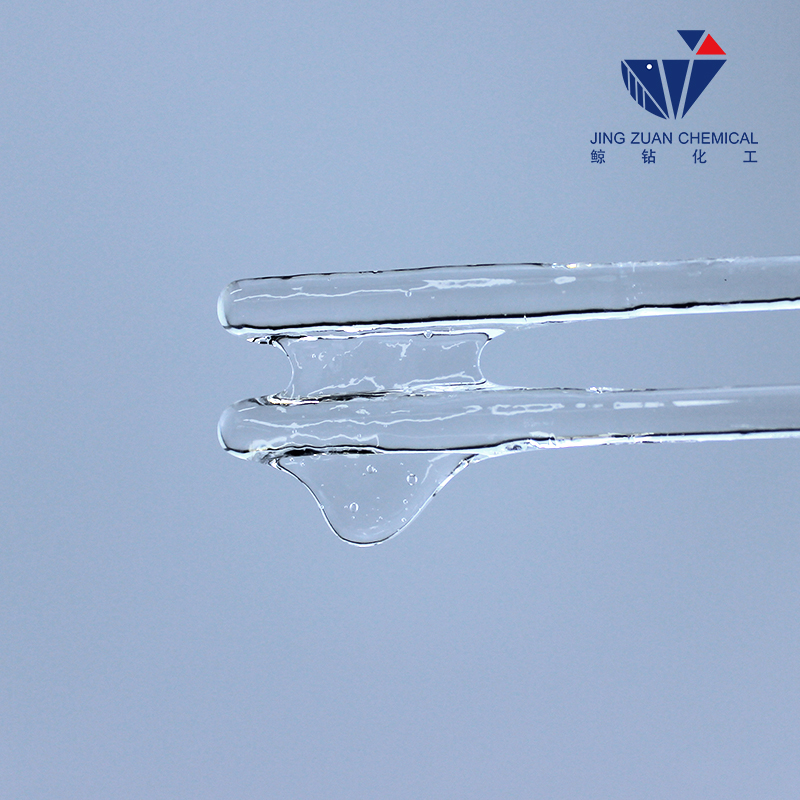
Simply put, an hpmc factory manufactures Hydroxypropyl Methylcellulose — a water-soluble, chemically modified cellulose polymer. Derived from plant fibers, it’s uniquely versatile. The process involves carefully controlled chemical reactions transforming raw cellulose into a product usable across industries.
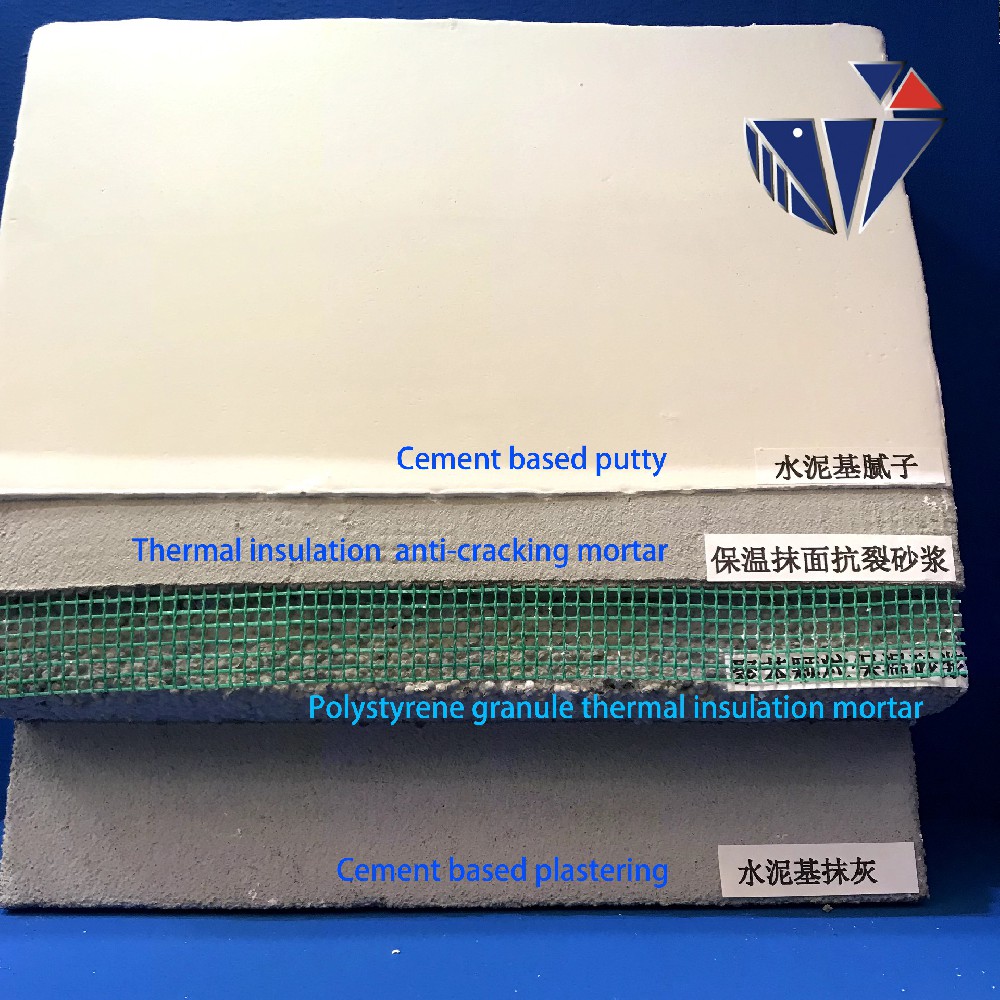
This polymer is widely used as a thickener, binder, film-former, and emulsifier. For instance, in pharmaceuticals, it prolongs drug release and improves tablet stability. In building materials, it enhances mortar workability and moisture retention. Oddly enough, while invisible in the final product, it quietly powers quality and durability.
Mini takeaway:
An hpmc factory converts natural cellulose into a multi-use polymer that supports key industrial sectors around the world.
Core Components of an Effective HPMC Factory Operation
1. Raw Material Quality & Sourcing
Since HPMC starts from cellulose, the purity and type of plant fiber dramatically affect final quality. Factories closely monitor this, often sourcing from certified forestry programs or agricultural byproducts to reduce environmental impact.
2. Precision Chemical Processing
Controlling the etherification process—where methyl and hydroxypropyl groups attach to cellulose—is essential. This defines the polymer’s properties like viscosity and solubility.
3. Quality Control Systems
Modern factories implement inline monitoring, lab testing, and batch certifications to ensure consistency. Small variances can cascade into poor product performance.
4. Environmental Management
Innovations in wastewater treatment, emissions controls, and energy use shape sustainable factory operations. Many facilities aim for ISO 14001 certification to demonstrate commitment.
5. Flexible Production Capacity
Because HPMC applications can vary (pharma needs vs construction demands), factories often need lines adaptable to different grades and batch sizes.
Mini takeaway:
Success lies in raw material scrutiny, tight chemistry control, robust quality checks, and eco-friendly practices.
Product Specifications at a Glance
| Specification | Typical Range | Description |
|---|---|---|
| Viscosity (mPa·s) | 1000 – 50000 | Determines thickness and flow characteristics in solution |
| Methoxy Content (%) | 19.0 – 24.0 | Influences solubility and compatibility |
| Hydroxypropyl Content (%) | 4.0 – 12.0 | Enhances water retention and flexibility |
| pH of 2% Solution | 5.0 – 8.0 | Neutral to slightly acidic to avoid corrosion |
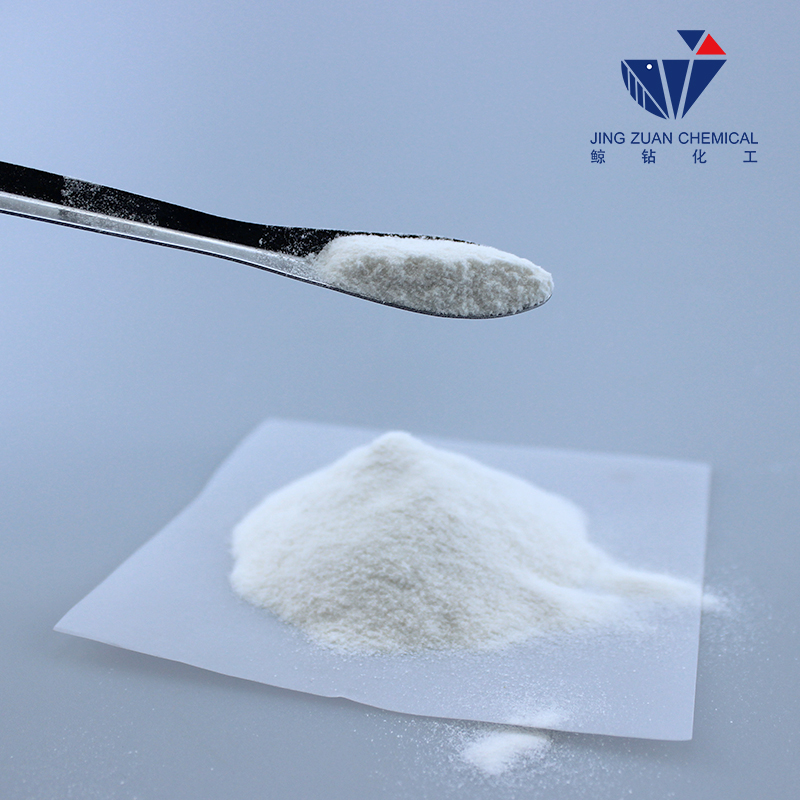
| Appearance | White Powder | Uniform particle size contributing to stability |
Global Applications & Use Cases of HPMC Factories
HPMC finds its way into a surprising number of places. Pharmaceutical companies depend on HPMC factories for consistent excipient supply. Construction firms in developing nations use HPMC-enhanced plasters and adhesives to improve build resilience in humid conditions. Food manufacturers benefit from its emulsifying abilities.
For example, in Southeast Asia, where tropical climates challenge construction quality, locally sourced HPMC additives have transformed building practices for better longevity. Meanwhile, in pharma hubs like Europe, stringent regulatory requirements push factories to innovate cleaner and more consistent production lines.
Mini takeaway:
- HPMC factories empower diverse industries across continents.
- The material supports environments from humid tropical zones to tightly regulated pharmaceutical markets.
Advantages & Long-Term Value of HPMC Manufacturing
Cost efficiency is a big win — HPMC allows manufacturers to use less hazardous materials while improving product performance. This dual benefit boosts sustainability, another core industry demand. Socially, safer construction and better drug delivery mean direct improvements to quality of life.
From a somewhat emotional standpoint — you trust that your medication will work as intended and that the paint on your walls won’t peel prematurely. That feeling of reliability comes from detailed chemical engineering and conscientious production, the daily bread of an hpmc factory.
Innovations and Future Trends Shaping HPMC Factories
Digital transformation is quietly revolutionizing these factories. Imagine automated reactors with AI monitoring polymer properties in real-time, reducing waste and downtime. Green chemistry alternatives and bio-based reagents gradually replace petroleum-derived inputs. Some projects even explore closed-loop systems to recycle solvents and water.
On the policy front, tightening environmental regulations worldwide push factories to develop greener product lines and transparent supply chains. One might say the industry is evolving not just chemically but also ethically.
Challenges and How the Industry Tackles Them
Scaling production while maintaining quality is no small feat. Variability in cellulose feedstock, energy costs, and market price fluctuations can squeeze margins. Environmental compliance adds complexity.
Solutions include diversifying supply chains, investing in renewable energy, and modular plant designs allowing flexible scaling. Collaborations between chemists, engineers, and policy experts provide new ideas for reducing carbon footprints and process bottlenecks.
Vendor Comparison: Leading HPMC Factories
| Vendor | Annual Capacity (tons) | Product Range | Sustainability Certification | Key Markets |
|---|---|---|---|---|
| Factory A | 30,000 | High-viscosity pharma & construction grades | ISO 14001 | Asia, Europe |
| Factory B | 20,000 | Eco-friendly biogrades | LEED, ISO 9001 | North America, Asia |
| Factory C | 15,000 | Construction additives focus | None | Africa, Middle East |
FAQ: Frequently Asked Questions About HPMC Factory
Q1: What sets an HPMC factory apart from other chemical factories?
Unlike general chemical plants, an hpmc factory specializes in the delicate process of modifying cellulose to create versatile polymers. This requires strict raw material control, precise chemical reactions, and sophisticated quality management targeting industries as diverse as pharma and construction.
Q2: How long does it take to manufacture HPMC in a typical factory?
The core chemical modification usually happens within hours to a few days, but additional drying, milling, and quality tests can extend total production to a week or more, depending on batch size and product specs.
Q3: Are products from an HPMC factory safe for pharmaceutical applications?
Absolutely. Factories supplying pharmaceuticals adhere to rigorous standards such as GMP (Good Manufacturing Practices) to ensure HPMC excipients are pure, consistent, and contaminant-free.
Q4: Can an HPMC factory customize products for specific industries?
Yes, many factories offer tailored grades adjusting viscosity, substitution ratios, or purity levels to fit particular client needs—key for industrial coatings versus drug delivery.
Q5: What is the environmental impact of HPMC manufacturing?
While it involves chemical processing, modern factories invest in wastewater treatment, emissions control, and energy efficiency. Many strive for certifications reflecting reduced environmental footprints.
Conclusion
In real terms, an hpmc factory is more than just a production house; it’s a cornerstone for industries pushing toward greener, smarter solutions that touch everyday life in subtle yet crucial ways. Whether supporting safer medicines or more durable buildings, its role keeps expanding with advances in tech and sustainability.
Interested in cutting-edge HPMC products made with commitment to quality and the environment? Visit our website: https://www.cnjzchemical.com and find out how we can support your next project.
References & Further Reading
-
Understanding Hydroxypropyl Methyl Cellulose MSDS Safety and Compliance
NewsApr.16,2026
-
Understanding the Hydroxypropyl Methyl Cellulose HS Code for Global Trade
NewsApr.09,2026
-
Comprehensive Guide to Hydroxypropyl Methyl Cellulose CAS Number and Applications
NewsApr.07,2026
-
Comprehensive Guide to Hydroxypropyl Methyl Cellulose cas no and its Diverse Applications
NewsApr.04,2026
-
Comprehensive Guide to Hydroxypropyl Methyl Cellulose Manufacturers and Applications
NewsMar.31,2026
-
Understanding Hydroxypropyl Methyl Cellulose Properties And Diverse Applications
NewsMar.28,2026