
Jan . 03, 2026 06:40 Back to list
Essential Guide to HPMC Grades for Industrial Applications
Understanding the Different HPMC grades: What You Need to Know
Having spent a fair chunk of my career working in the industrial equipment and chemical materials space, I've come to see HPMC grades—hydroxypropyl methylcellulose—as one of those quietly crucial players. You don’t always notice them in the buzz of production, but they affect so many applications, from construction to pharmaceuticals. Honestly, it feels like the unsung hero of binders and thickening agents.
Let’s start with the basics. HPMC is essentially a cellulose derivative, chemically modified to improve water solubility and make it useful as a viscosity modifier, film former, or adhesive component. But when people say “HPMC grades,” what does that really mean? Frankly, it boils down to differences in viscosity, substitution rates, particle size, and sometimes the intended application. These factors change how HPMC behaves — whether it thickens a grout mix smoothly or controls drug release in a medicine.
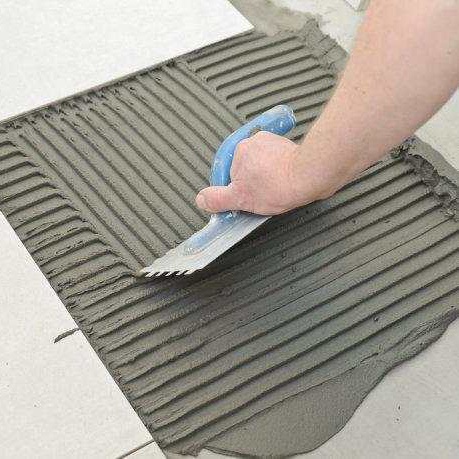
In practical terms, you could be working with an HPMC grade tailored for high-temperature resistance, or one optimized for rapid dispersion in water. It’s not one-size-fits-all. I remember a project years ago where a subtle switch from a low-viscosity to a medium-viscosity HPMC grade dramatically improved the consistency of a tile adhesive. The team was cautious initially, but once they saw the difference in workability and open time, they never looked back.
Product Specification Snapshot
| Grade | Viscosity (mPa·s) | Methoxy (%) | Hydroxypropyl (%) | Application Focus |
|---|---|---|---|---|
| HP-P1 | 100-200 | 19-24 | 7-12 | Tile adhesives, Mortars |
| HP-P2 | 400-600 | 18-23 | 9-14 | Cementitious products |
| HP-P3 | 1000-1400 | 20-26 | 10-15 | Pharmaceuticals |
It’s worth noting, though, that besides chemistry specs, processing techniques can affect performance. Particle size distribution impacts dispersion and mix homogeneity. And from what I’ve seen, suppliers who pay attention to QC testing—checking water retention, pH, and viscosity stability—really make a difference in reliable end results. I’m convinced that two seemingly similar HPMC grades from different vendors will not always behave identically.
Comparing Top HPMC Vendors
| Vendor | Grade Range | Quality Consistency | Price Level | Technical Support |
|---|---|---|---|---|
| Vendor A | Comprehensive (HP-P1 to HP-P4) | High | Medium | Robust |
| Vendor B | Selective (HP-P1, HP-P3) | Medium | Low | Moderate |
| Vendor C | Basic (HP-P1 only) | Variable | Low | Limited |
What’s quite interesting is how customization is becoming more common. Some manufacturers now offer tweaking of substitution levels, viscosity grades, or even particle size to suit very specific customer needs. I find this trend reflects how diverse the industries relying on HPMC grades have become — you might need a grade optimized for paint formulations or one designed for heat-sensitive applications.
One anecdote that stuck with me: a mid-sized tile manufacturer in Europe once reached out about a recurring cracking issue in their adhesive product line. After some trial with different HPMC grades, they settled on a mid-viscosity type with higher hydroxypropyl content. The final product was noticeably more flexible and less prone to cracking. It's the sort of problem-solving you don’t hear about much, but these nuances matter.
So, if you’re sourcing or working with HPMC grades, I’d say: don’t just look at the label or price. Dig a bit deeper—ask about viscosity ranges, substitution percentages, and test results. And chat with your vendor about your exact application. It’s a partnership, really. The right grade can ease production headaches and improve product quality. The wrong one, well, it can cause a lot of unseen trouble.
In the end, HPMC is sort of like that reliable colleague who doesn’t steal the spotlight but makes sure everything runs smoother.
References:
1. CNJZ Chemical Technical Data Sheets
2. Industry-standard cellulose ether compendiums
3. Personal experience and conversations with chemical engineers in industrial sectors
-
Understanding Hydroxypropyl Methyl Cellulose MSDS Safety and Compliance
NewsApr.16,2026
-
Understanding the Hydroxypropyl Methyl Cellulose HS Code for Global Trade
NewsApr.09,2026
-
Comprehensive Guide to Hydroxypropyl Methyl Cellulose CAS Number and Applications
NewsApr.07,2026
-
Comprehensive Guide to Hydroxypropyl Methyl Cellulose cas no and its Diverse Applications
NewsApr.04,2026
-
Comprehensive Guide to Hydroxypropyl Methyl Cellulose Manufacturers and Applications
NewsMar.31,2026
-
Understanding Hydroxypropyl Methyl Cellulose Properties And Diverse Applications
NewsMar.28,2026