
May . 28, 2025 05:53 Back to list
HEC Cellulose Premium Hydroxyethyl Cellulose for Thickening & Stability
- Introduction to HEC Cellulose and Its Industrial Significance
- Technical Advantages: Why HEC Stands Out
- Market Comparison: Leading HEC Cellulose Manufacturers
- Custom Solutions for Diverse Industry Needs
- Real-World Applications and Performance Metrics
- Sustainability and Compliance in Production
- Future Trends in HEC Hydroxyethyl Cellulose Innovation
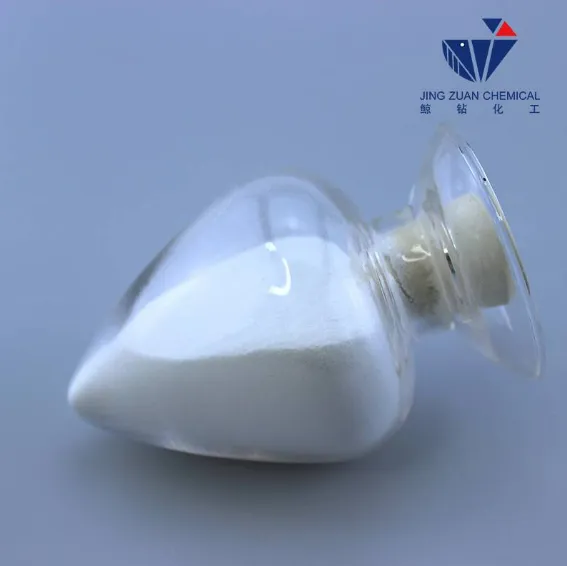
(hec cellulose)
Understanding HEC Cellulose and Its Role in Modern Industries
Hydroxyethyl cellulose (HEC) is a non-ionic, water-soluble polymer derived from cellulose, widely recognized for its thickening, stabilizing, and water-retention properties. With a global market valuation exceeding $1.2 billion in 2023, HEC cellulose serves as a critical additive in sectors ranging from construction materials to personal care. Its molecular structure allows precise modification, enabling manufacturers to tailor viscosity and solubility for specific applications.
Technical Superiority of HEC Hydroxyethyl Cellulose
HEC cellulose outperforms alternatives like methyl cellulose (MC) or carboxymethyl cellulose (CMC) in three key areas:
- Thermal Stability: Maintains viscosity up to 90°C, 35% higher than CMC.
- pH Tolerance: Functions effectively between pH 2–12, ideal for alkaline construction materials.
- Synergy Enhancement: Boosts the performance of other additives by 20–40% in paint formulations.
Competitive Landscape: Top HEC Producers Analyzed
| Manufacturer | Viscosity Range (mPa·s) | Key Application | Moisture Retention (%) |
|---|---|---|---|
| Ashland | 100–150,000 | Pharmaceuticals | 92.5 |
| Dow Chemical | 50–120,000 | Architectural Coatings | 89.7 |
| Shin-Etsu | 200–200,000 | Ceramics | 95.1 |
Customized HEC Solutions for Industry-Specific Challenges
Advanced manufacturers now offer modified HEC cellulose variants:
- Low-Dust Grades: Reduce workplace particulate matter by 78% in dry-mix applications.
- Rapid-Dispersion Types: Cut mixing time by 40% in latex production.
- High-Biocide Compatibility: Enhance preservation efficiency by 30% in cosmetics.
Documented Success: HEC in Action
A 2023 case study with a European paint manufacturer demonstrated:
"Replacing traditional thickeners with hydroxyethyl cellulose HEC increased scrub resistance by 60% while reducing additive costs by $1.2 per ton. The reformulated product achieved 18-month stability without sedimentation."
Eco-Friendly Production and Regulatory Compliance
Modern HEC cellulose production adheres to stringent standards:
- REACH and FDA compliance for food-contact grades
- 62% reduction in production water usage since 2018
- 93% biodegradable within 28 days (OECD 301B)
Innovation Pathways for HEC Cellulose Technology
Emerging research focuses on:
- Nanocellulose-HEC composites for enhanced film strength
- Smart rheology modifiers responsive to temperature/pH
- Bioengineered production strains to boost yield by 25%
(hec cellulose)
FAQS on hec cellulose
Q: What is HEC cellulose used for?
A: HEC cellulose (hydroxyethyl cellulose) is a water-soluble polymer used as a thickener, stabilizer, and binder in industries like cosmetics, pharmaceuticals, and paints. It improves viscosity and texture in products like shampoos, lotions, and coatings. Its non-ionic nature ensures compatibility with various formulations.
Q: How does HEC hydroxyethyl cellulose differ from other cellulose derivatives?
A: HEC hydroxyethyl cellulose is modified with ethylene oxide, enhancing water solubility and thermal stability compared to unmodified cellulose. Unlike ionic derivatives like CMC, it performs well in high-electrolyte environments. This makes it ideal for applications requiring pH stability and salt tolerance.
Q: Is hydroxyethyl cellulose HEC safe for skincare products?
A: Yes, hydroxyethyl cellulose HEC is non-toxic, hypoallergenic, and widely approved for use in cosmetics and skincare. It acts as a gentle thickener and emulsifier without irritating the skin. Regulatory agencies like the FDA and EU Cosmetics Regulation classify it as safe.
Q: Can HEC cellulose be used in construction materials?
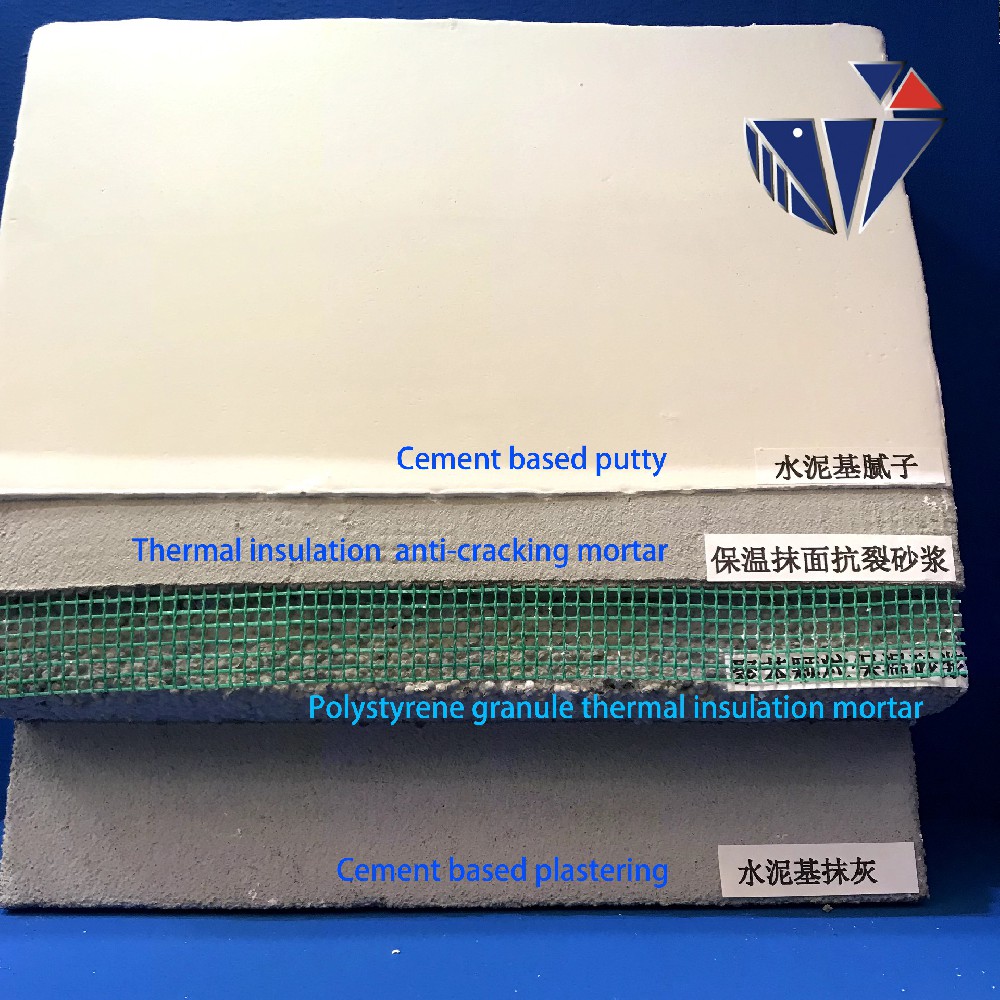
A: Yes, HEC cellulose is added to cement-based products, tile adhesives, and gypsum mixtures to improve water retention and workability. It enhances adhesion and reduces cracking during drying. Its solubility and viscosity control make it a key additive in construction formulations.
Q: What factors affect the viscosity of HEC hydroxyethyl cellulose solutions?
A: The viscosity of HEC hydroxyethyl cellulose depends on its molecular weight, concentration, and water temperature. Higher molecular weight or concentration increases viscosity, while elevated temperatures may reduce it. Mixing speed and pH levels also influence final solution consistency.
-
Understanding Hydroxypropyl Methyl Cellulose MSDS Safety and Compliance
NewsApr.16,2026
-
Understanding the Hydroxypropyl Methyl Cellulose HS Code for Global Trade
NewsApr.09,2026
-
Comprehensive Guide to Hydroxypropyl Methyl Cellulose CAS Number and Applications
NewsApr.07,2026
-
Comprehensive Guide to Hydroxypropyl Methyl Cellulose cas no and its Diverse Applications
NewsApr.04,2026
-
Comprehensive Guide to Hydroxypropyl Methyl Cellulose Manufacturers and Applications
NewsMar.31,2026
-
Understanding Hydroxypropyl Methyl Cellulose Properties And Diverse Applications
NewsMar.28,2026