
Dec . 13, 2025 03:40 Back to list
HEC vs HPMC: Key Differences in Industrial Applications | CNJZ Chemical
HEC vs HPMC: A Practical Look at Two Essential Industrial Thickeners
Having spent over a decade in industrial equipment and chemical formulation, I often get asked about the subtle yet important differences between HEC and HPMC. Both are cellulose ethers widely used as thickeners, binders, and film formers, but let me tell you, the choice between hydroxyethyl cellulose (HEC) and hydroxypropyl methylcellulose (HPMC) can be surprisingly consequential depending on your application.
So, why does it matter? Well, depending on whether you’re working in construction, paints, or personal care products, these cellulose derivatives bring unique properties to the table. Honestly, I noticed early on in my projects how they affected viscosity, water retention, and overall performance under different conditions — stuff you sometimes only realize after running a few formulations.
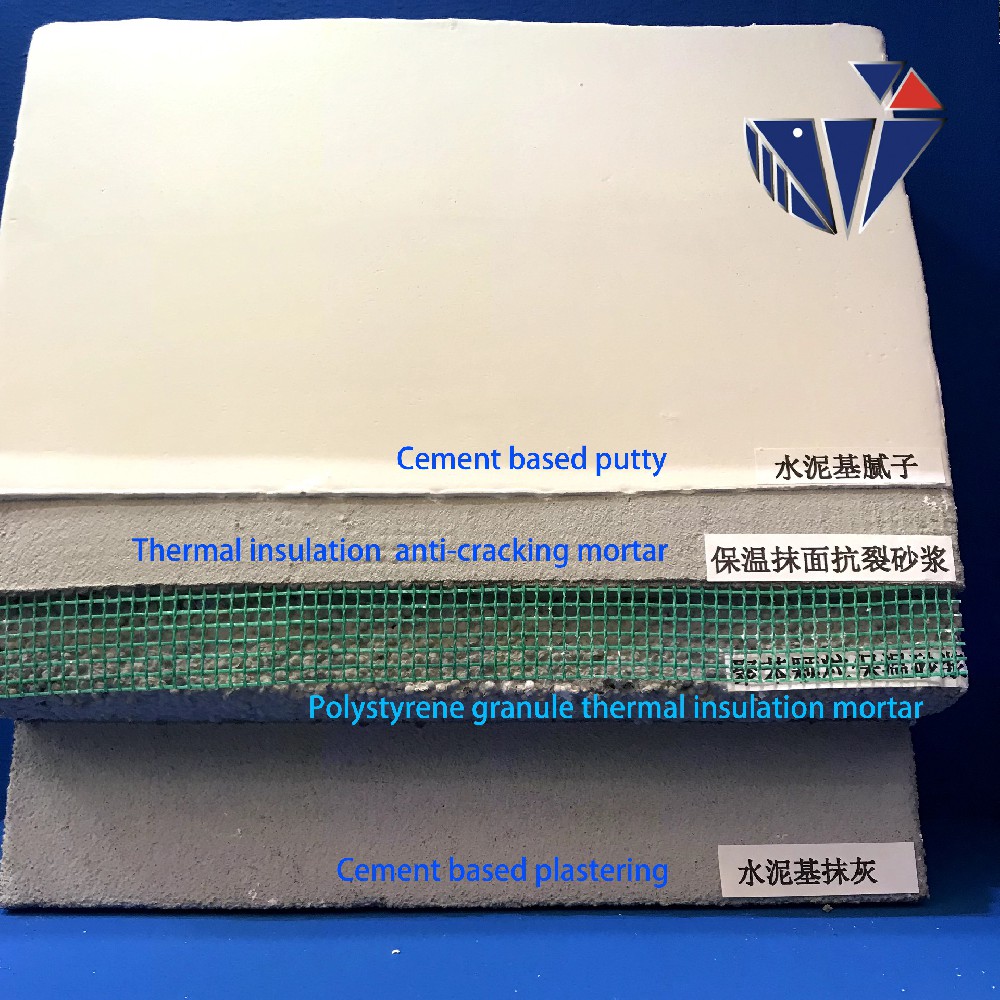
Hydroxyethyl cellulose (HEC) is mostly prized for its excellent thickening and suspending abilities in water-based systems. It’s non-ionic, so it behaves well with a variety of salts and surfactants. You know how frustrating it can be when your additive clashes chemically, right? HEC tends to play nice there. In cement and mortar, HEC helps keep things workable longer — a feature many construction engineers swear by to prevent premature setting.
On the other hand, hydroxypropyl methylcellulose (HPMC) offers impressive film-forming capabilities and thermal gelation properties. Oddly enough, it has that nice combination of water retention and heat resistance which becomes critical in hot climates or during curing processes. In drywall joint compounds, HPMC ensures smooth application and prevents cracking as the compound dries. I’ve personally tested HPMC in formulations that needed enhanced adhesion, and it delivered better substrate binding than HEC in most cases.
There's also a tactile difference you might appreciate — HPMC tends to produce a slightly fuller, creamier feel in cosmetic or personal care formulations, whereas HEC can sometimes feel a bit lighter or thinner. This subtle texture variation matters when you're aiming for a particular sensory impression, say, in lotions or shampoos.
Below is a summary table giving you a quick glance at the core specs:
| Property | HEC | HPMC |
|---|---|---|
| Chemical Type | Non-ionic cellulose ether | Methoxy and hydroxypropyl-substituted cellulose |
| Water Solubility | Good, cold and hot water soluble | Good, soluble in cold and hot water |
| Thermal Gelation | No | Yes, gels upon heating |
| Viscosity Range | 100 – 500,000 mPa·s | 50 – 200,000 mPa·s |
| Typical Usage | Paints, cement, adhesives | Construction, pharmaceuticals, cosmetics |
Now, picking the right vendor also matters. I’ve worked with various suppliers over time, and the quality and consistency vary more than you’d expect given the chemistry is fairly standard. What stood out for me was how responsive the supplier was in customizing molecular weights or substituent levels, which for advanced applications can make all the difference.
Here’s a brief comparison of a few reputable vendors I’ve encountered:
| Vendor | Product Range | Customization | Lead Time | Price |
|---|---|---|---|---|
| CNJZ Chemical | Wide (HEC, HPMC and derivatives) | Excellent, flexible formulations | Fast (typically 2-3 weeks) | Competitive |
| Supplier B | Standard HEC & HPMC only | Limited | 4-6 weeks | Moderate |
| Supplier C | Specialty cellulose ethers | Good, some tailoring possible | 3-5 weeks | Higher |
One little story that sticks with me: a client once delayed a project by weeks because their supplier’s HPMC batch was inconsistent in viscosity. Switching to CNJZ Chemical’s products saved the day — their tailored batches ensured precise viscosity control, making formulation easier to scale. It’s these behind-the-scenes items that you don’t always hear about, but they shape project success.
In real terms, neither HEC nor HPMC is “better” universally. Your choice depends on the needs — thermal gelation? Go with HPMC. Salt tolerance? HEC may edge out. It’s kind of like choosing the right tool in your belt rather than a one-size-fits-all. Moving forward, industrial formulations are heading toward more customization — so don’t hesitate to work closely with your chemical supplier for exact specs and even minor tweaks. It pays off.
For those in the industry considering upgrades or alternatives, a solid approach is to test both in your formulation matrix and observe performance in real-time conditions. Don’t just trust datasheets alone — practical trials with real users on site reveal the subtle, but crucial, differences.
Hope this gives you a grounded perspective on HEC vs HPMC. If you want to dive deeper, I encourage checking out the detailed specs and vendor options on CNJZ Chemical. Their expertise and product quality really do match the industry’s demanding pace.
Quick takeaway: Both HEC and HPMC are fantastic cellulose-based thickeners, but your project’s environment and performance demands will dictate the smart choice.
References:
- ASTM Standards on Cellulose Ether Testing, 2023
- “Cellulose Derivatives in Industrial Applications” – Journal of Coatings Technology, 2022
- CNJZ Chemical Product Literature and Case Studies, 2024
-
Understanding Hydroxypropyl Methyl Cellulose MSDS Safety and Compliance
NewsApr.16,2026
-
Understanding the Hydroxypropyl Methyl Cellulose HS Code for Global Trade
NewsApr.09,2026
-
Comprehensive Guide to Hydroxypropyl Methyl Cellulose CAS Number and Applications
NewsApr.07,2026
-
Comprehensive Guide to Hydroxypropyl Methyl Cellulose cas no and its Diverse Applications
NewsApr.04,2026
-
Comprehensive Guide to Hydroxypropyl Methyl Cellulose Manufacturers and Applications
NewsMar.31,2026
-
Understanding Hydroxypropyl Methyl Cellulose Properties And Diverse Applications
NewsMar.28,2026