
Oct . 31, 2024 18:23 Back to list
Exploring the Properties and Applications of HEC Cellulose in Modern Industries
HEC Cellulose An Overview of Its Applications and Benefits
Hydroxyethyl cellulose (HEC) is a nonionic, water-soluble polymer derived from cellulose, which is a primary component of the plant cell wall. HEC is synthesized by the reaction of ethylene oxide with cellulose, resulting in a versatile compound that has found wide applications across various industries, including pharmaceuticals, food, cosmetics, and construction. Its unique properties make it an invaluable ingredient in many formulations.
One of the most significant characteristics of HEC is its ability to modify the viscosity of solutions. By adjusting the concentration of HEC, manufacturers can create products with varying thicknesses, which is essential for applications in different sectors. In the pharmaceutical industry, for instance, HEC is often used in the formulation of gels and suspensions. Its thickening properties help stabilize formulations, ensuring consistent dosage and enhanced bioavailability of active ingredients.
HEC Cellulose An Overview of Its Applications and Benefits
Moreover, HEC is a popular ingredient in personal care and cosmetic products. Its emulsifying and thickening properties make it suitable for use in creams, lotions, hair products, and even makeup. When added to formulations, HEC improves the spreadability and texture of these products, enhancing the overall consumer experience. Additionally, its water retention capabilities aid in moisturizing skin and hair, contributing to the effectiveness of beauty products.
hec cellulose
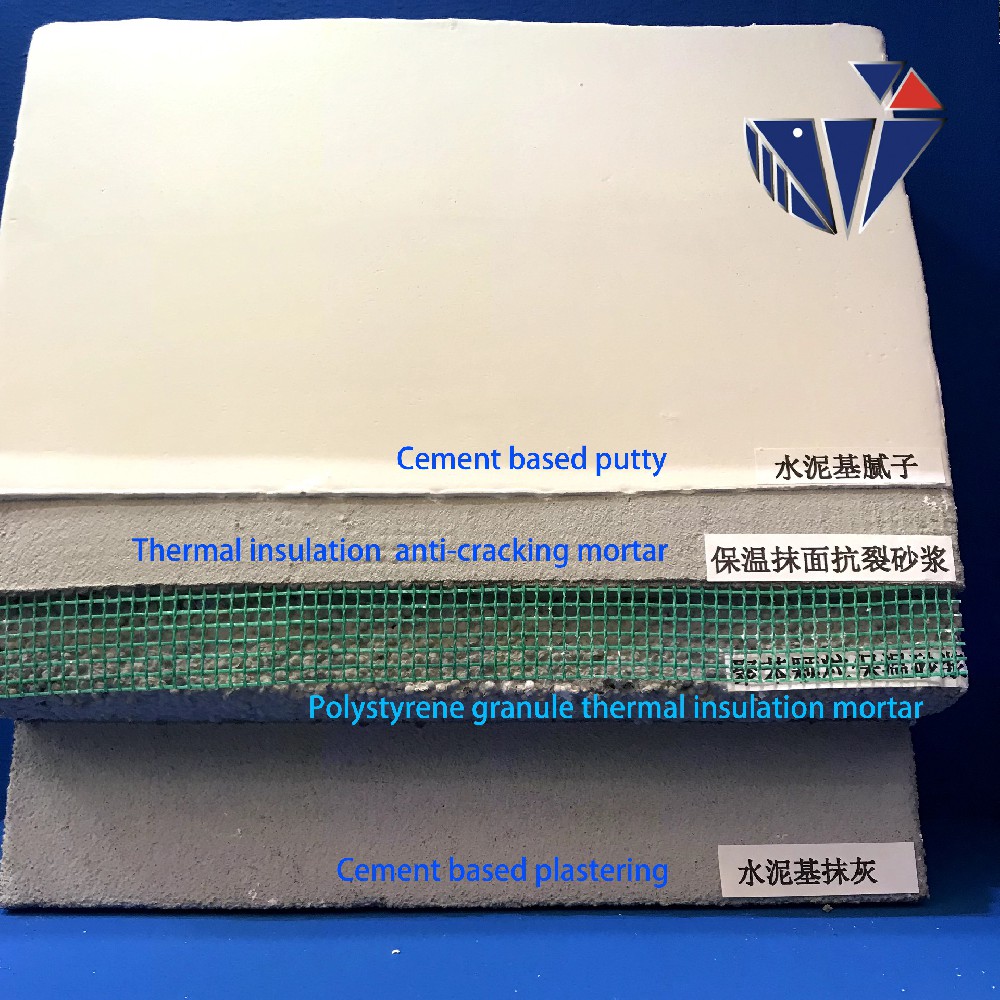
The construction industry also benefits from HEC, particularly in the development of construction materials like paints, adhesives, and mortars. HEC acts as a thickener and stabilizer, ensuring even application and improved performance of these materials. Its water-retention properties help maintain moisture levels during the setting process, which is crucial for achieving the desired strength and durability of construction products.
In terms of environmental impact, HEC derived from natural cellulose found in plants is biodegradable and non-toxic, making it a more sustainable choice compared to synthetic polymers. As industries continue to shift towards eco-friendliness, HEC stands out as a responsible alternative that meets both performance and environmental standards.
When considering the future of HEC, ongoing research suggests that its applications may expand even further. Innovations in production methods and a deeper understanding of its properties could lead to new formulations that utilize HEC’s versatility in unprecedented ways. For instance, advancements in nanotechnology may allow for the development of HEC-based materials with enhanced properties that could revolutionize various applications.
In conclusion, hydroxyethyl cellulose is a multifunctional polymer with a broad spectrum of applications across different industries. Its thickening, stabilizing, and emulsifying properties make it indispensable in pharmaceuticals, food, cosmetics, and construction. As consumers increasingly prioritize sustainability, HEC's biodegradable nature positions it as a forward-thinking ingredient for the future. The versatility and safety of HEC ensure that it will continue to play a vital role in various sectors, complementing the ongoing quest for innovation and sustainability in product development.
-
Understanding Hydroxypropyl Methyl Cellulose MSDS Safety and Compliance
NewsApr.16,2026
-
Understanding the Hydroxypropyl Methyl Cellulose HS Code for Global Trade
NewsApr.09,2026
-
Comprehensive Guide to Hydroxypropyl Methyl Cellulose CAS Number and Applications
NewsApr.07,2026
-
Comprehensive Guide to Hydroxypropyl Methyl Cellulose cas no and its Diverse Applications
NewsApr.04,2026
-
Comprehensive Guide to Hydroxypropyl Methyl Cellulose Manufacturers and Applications
NewsMar.31,2026
-
Understanding Hydroxypropyl Methyl Cellulose Properties And Diverse Applications
NewsMar.28,2026