
Dec . 01, 2025 11:55 Back to list
High Viscosity HPMC – Applications, Benefits & Leading Suppliers
Understanding High Viscosity HPMC: Why It Matters in Today’s Industry
High viscosity HPMC (hydroxypropyl methylcellulose) is a fascinating material that keeps popping up in discussions around adhesives, construction, pharmaceuticals, and even food. Its popularity isn’t by chance — globally, industries are seeking sustainable, efficient polymers that offer versatility and reliable performance. For anyone dealing with coatings, grouts, or thickening agents, understanding high viscosity hpmc is more than a technical curiosity; it’s a practical competitive edge.
Why does this matter? Well, with the global chemical market projected to grow substantially over the next decade and strict environmental standards coming into play, materials like high viscosity HPMC provide a unique balance of eco-friendly features and functionality that few alternatives can match. In short: grasping its benefits and applications is vital for modern industry players worldwide.
The Global Context: Why High Viscosity HPMC is On Everyone’s Radar
Across continents, the construction and pharmaceutical sectors alone consume millions of tons of cellulose derivatives. According to ISO standards, chemical additives like HPMC are crucial in improving performance while reducing waste. The World Bank recently highlighted the enormous demand for sustainable binding and thickening agents to aid infrastructure projects in developing countries.
But here’s a challenge: many conventional polymers fall short on sustainability or cost-effectiveness. High viscosity HPMC addresses this by offering superior thickening without harmful additives or excessive energy use in production. It’s really a subtle but powerful answer to a growing global need for materials that align with both performance and environmental goals.
What is High Viscosity HPMC? A Simple Breakdown
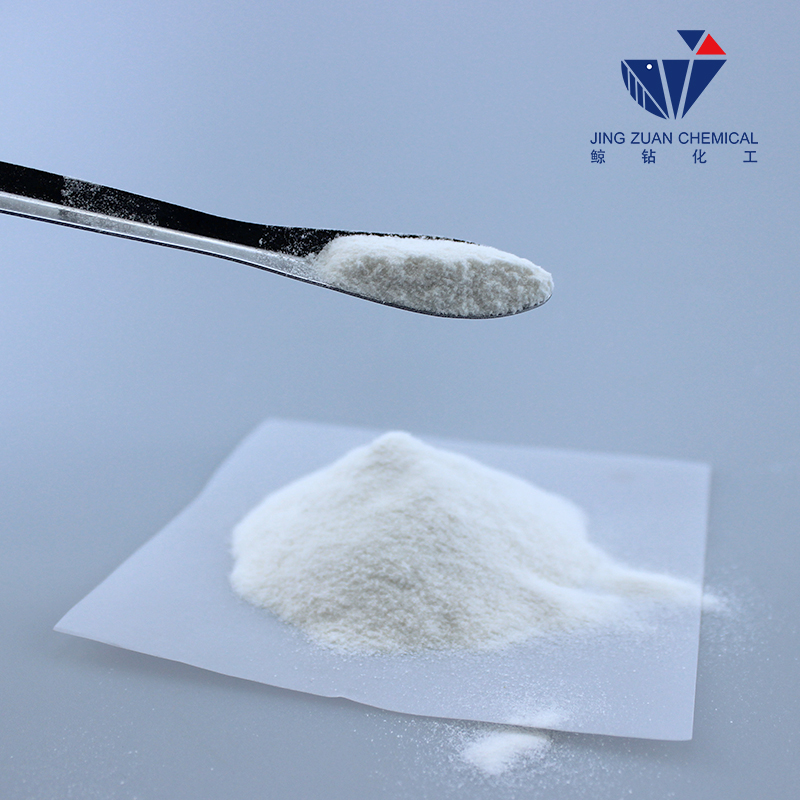
Simply put, high viscosity HPMC is a modified cellulose polymer derived from plant fibers. What makes it “high viscosity” is its formulation — meaning it thickens liquids more effectively than standard grades. This allows it to function as a thickener, binder, or film former in many products.
In everyday terms, think of it like a natural glue or stabilizer, but one that’s non-toxic, water-soluble, and quite adaptable. Because it comes from cellulose, it carries inherent biodegradability, which connects it to modern sustainability trends — especially important as industries look to replace synthetic polymers.
Key Aspects of High Viscosity HPMC You Should Know
1. Durability and Film Forming Ability
High viscosity HPMC forms strong, flexible films that resist cracking and shrinkage. This makes it preferable for cement modification or in pharmaceutical coatings, where integrity matters. Many engineers I’ve chatted with swear by its performance in harsh or shifting conditions.
2. Thickening and Suspension
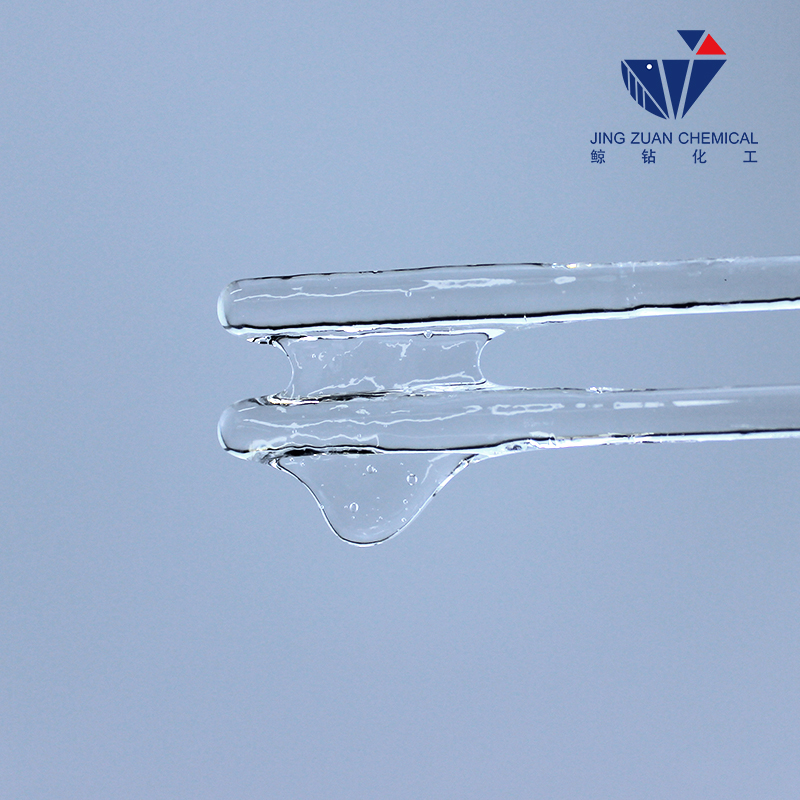
One of its prime talents is thickening solutions at low concentrations—meaning lower material costs but higher impact. For instance, it helps keep particles evenly suspended in paints or mortars, preventing sedimentation.
3. Thermal Stability
Unlike some polymers, high viscosity HPMC withstands varied temperatures without losing function—vital in construction where site conditions can be unpredictable.
4. Environmental Compatibility
We’ve come to expect sustainable products, and high viscosity HPMC delivers. Derived from renewable cellulose sources, it biodegrades comparatively quickly, easing landfill pressure.
5. Cost Efficiency
Though not the cheapest option upfront, its multi-functionality reduces the need for multiple additives — overall lowering lifecycle costs.
Mini Takeaway:
Understanding these core factors helps explain why high viscosity HPMC is more than just a thickener — it’s a multipurpose solution in real-world formulations.
Typical Product Specifications: Understanding What You Get
| Specification | Typical Range | Unit |
|---|---|---|
| Viscosity (2% solution, 20°C) | 4000 - 12000 | mPa·s (cP) |
| Moisture Content | 5% Max | % |
| pH of 2% solution | 5.0 - 8.0 | – |
| Methoxy Content | 19 - 24 | % |
Global Applications and Success Stories
The magic of high viscosity HPMC really shows up across various industries and geographies:
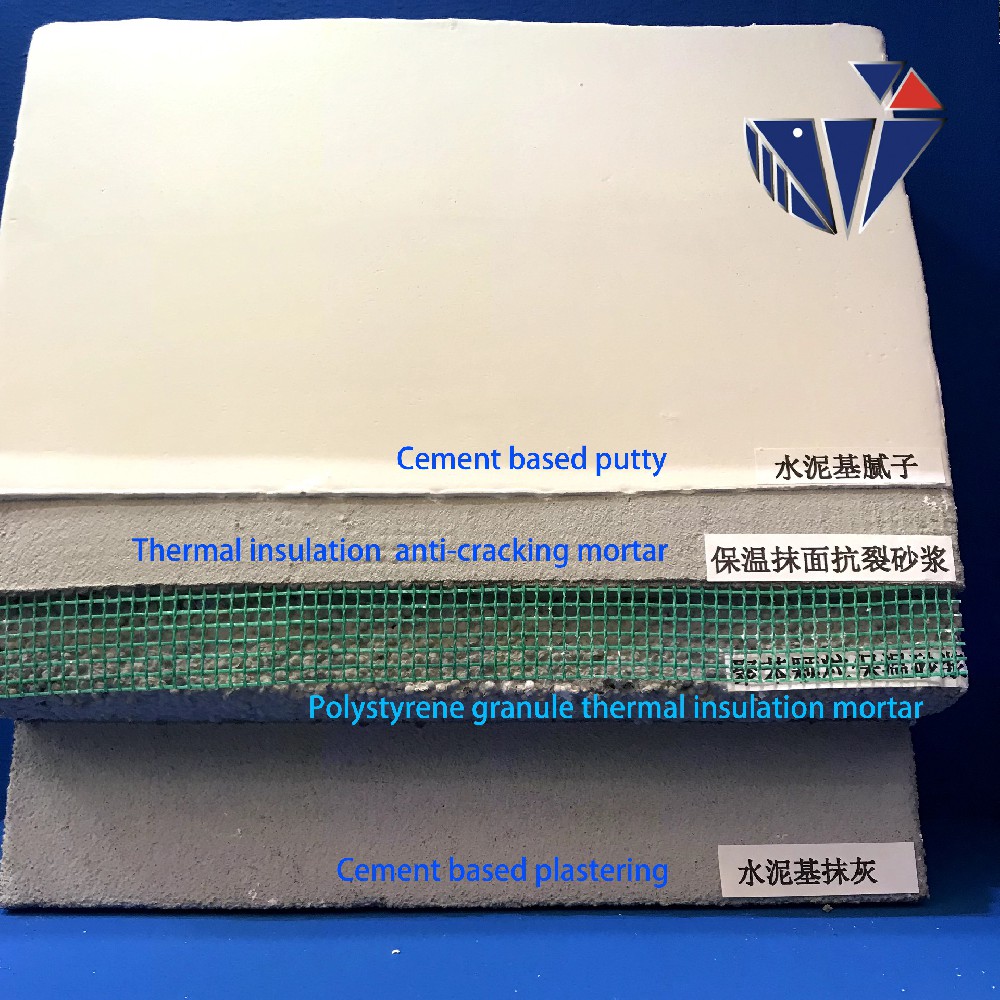
- Construction: In Asia and Africa, large infrastructure projects utilize high viscosity HPMC for tile adhesives and cement additives, making materials easier to work with and more durable under difficult weather conditions.
- Pharmaceuticals: In Europe and the US, it’s a go-to in controlled-release tablets—helping slow drug delivery effectively.
- Food Industry: Used as a thickener and stabilizer, especially in gluten-free products.
- Disaster Relief Operations: Some NGOs have adopted formulations using high viscosity HPMC to make quick-setting grouts and mortars for rebuilding homes rapidly after natural disasters.
Oddly enough, the same polymer that thickens your grout might also be inside your capsule — that’s the beauty of this adaptable ingredient.
Vendor Comparison: Sourcing Quality High Viscosity HPMC
| Supplier | Viscosity Range (mPa·s) | MOQ (tons) | Typical Industries | Price Range (USD/kg) |
|---|---|---|---|---|
| CNJZ Chemical | 4000 – 12000 | 1 | Construction, Pharma, Food | 3.50 – 5.00 |
| Supplier B (Europe) | 3000 – 10000 | 2 | Pharmaceutical, Paints | 4.20 – 5.50 |
| Supplier C (Asia) | 5000 – 13000 | 0.5 | Construction, Food | 3.00 – 4.80 |
Picking a vendor depends not just on price but the quality specs and customer support. CNJZ Chemical, in particular, stands out for its global reach and quality consistency.
Advantages & Long-Term Value of Using High Viscosity HPMC
Here’s where things get interesting. High viscosity HPMC isn’t just another ingredient; it carries long-term value:
- Cost Savings: Thanks to its multifunctionality, it saves on multiple additive purchases while enhancing product performance.
- Sustainability: Sourced from cellulose, it’s biodegradable, adding to corporate social responsibility credentials.
- Reliability: Consistent quality ensures better results on-site or in production lines, reducing waste or failure risks.
- Safety & Trust: Non-toxic and hypoallergenic, it’s suitable for both medical and food uses.
The emotional side? Using this kind of material means building products people can trust—whether it’s a family’s home or life-saving medicine. That intangible sense of safety is priceless.
Emerging Trends & Future Innovations
As green chemistry advances, we see exciting potential for high viscosity HPMC in bio-based smart materials, even nanocomposites. Automation in production lines is improving uniformity and scale, making better material more affordable. Digital formulation tools are predicting optimal polymer blends before manufacturing — saving time and resources.
Also, emerging regulations on microplastics dump stricter requirements, making cellulose-based materials like high viscosity HPMC increasingly attractive. In a weird way, it feels like this traditional polymer is poised for a renaissance.
Current Challenges and How Industry is Overcoming Them
The main bottleneck? Moisture sensitivity under certain conditions can affect shelf life and handling. Also, very high viscosity grades sometimes need careful dispersion to avoid clumping. Experts recommend specialized mixers and gradual addition to liquid phases. Meanwhile, blending with compatible polymers can improve performance in extreme environments.
Frankly, it’s not bulletproof, but most users agree the benefits far outweigh these manageable hurdles.
FAQ: Your Questions About High Viscosity HPMC, Answered
Q1: What industries use high viscosity HPMC the most?
A1: The primary industries are construction (for tile adhesives, mortars), pharmaceuticals (tablet coatings, sustained release), and food production (gluten-free products, stabilizers). Its versatility makes it common in paints and personal care products as well.
Q2: Is high viscosity HPMC eco-friendly compared to synthetic thickeners?
A2: Yes. Derived from plant cellulose, it’s biodegradable and sourced renewably. While synthetic thickeners often rely on petroleum, high viscosity HPMC’s environmental footprint is considerably lower.
Q3: How should high viscosity HPMC be stored to maintain quality?
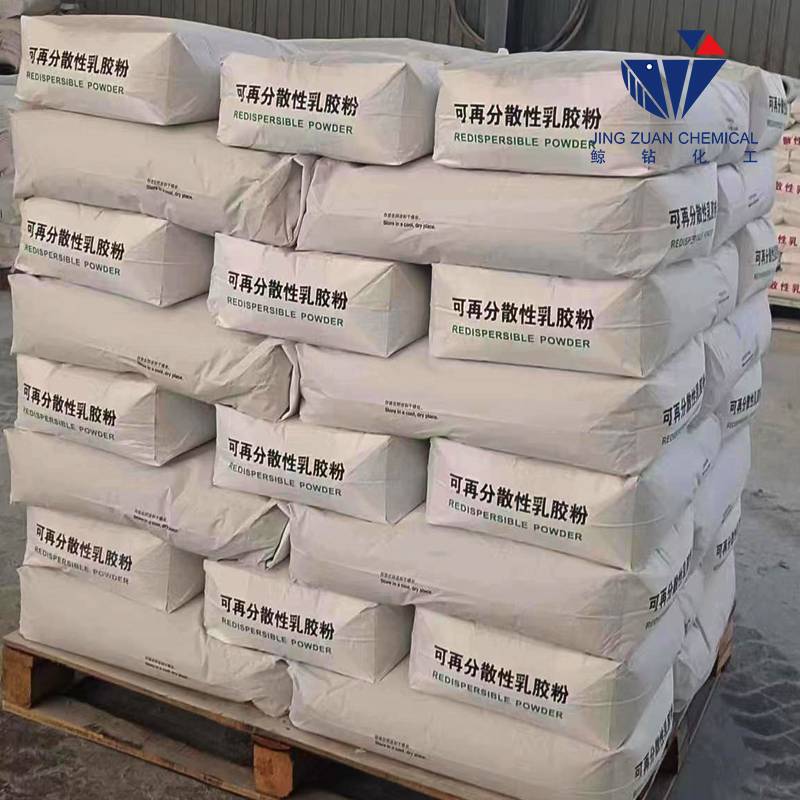
A3: Store in a cool, dry place away from direct sunlight. Protect from moisture ingress, and keep packaging sealed. This helps prevent lumping or degradation.
Q4: Can it be used in water-based formulations only?
A4: Primarily yes, though it can work in some polar solvents. Its water solubility makes it ideal for aqueous systems such as paints, adhesives, and pharmaceuticals.
Q5: How easy is it to source internationally?
A5: Very easy. Suppliers like CNJZ Chemical provide global shipping, and large volumes can be ordered to meet industrial demands.
Conclusion: Why High Viscosity HPMC is Worth Your Attention
At the end of the day, high viscosity HPMC offers a compelling mix of sustainability, performance, and broad applications. Its rising adoption globally speaks to industries’ urgent need for materials that do more, better, and cleaner. Whether you’re formulating a pharmaceutical tablet or mixing a construction adhesive, investing time to understand this polymer can unlock significant benefits.
If you want to dive deeper and explore supply options, I recommend visiting CNJZ Chemical’s site. They offer reliable quality and a good place to start if you’re considering upgrading your formulation components.
So here’s the takeaway — this isn’t just a niche polymer jargon phrase. It’s quietly reshaping how industries design smarter, greener, and more resilient products around the world.
References
-
Understanding Hydroxypropyl Methyl Cellulose MSDS Safety and Compliance
NewsApr.16,2026
-
Understanding the Hydroxypropyl Methyl Cellulose HS Code for Global Trade
NewsApr.09,2026
-
Comprehensive Guide to Hydroxypropyl Methyl Cellulose CAS Number and Applications
NewsApr.07,2026
-
Comprehensive Guide to Hydroxypropyl Methyl Cellulose cas no and its Diverse Applications
NewsApr.04,2026
-
Comprehensive Guide to Hydroxypropyl Methyl Cellulose Manufacturers and Applications
NewsMar.31,2026
-
Understanding Hydroxypropyl Methyl Cellulose Properties And Diverse Applications
NewsMar.28,2026