
Dec . 03, 2025 13:04 Back to list
How Is Hydroxyethyl Cellulose Made? Production Explained
How Is hydroxyethyl cellulose made?
Having worked in the industrial equipment sector for quite a few years, I’ve come across many chemical products whose manufacturing processes piqued my interest. One of those is hydroxyethyl cellulose (HEC). It’s a fascinating derivative of cellulose — sort of like cellulose’s smoother, more adaptable cousin — extensively used in everything from paints and cosmetics to drilling fluids and adhesives. But how is hydroxyethyl cellulose made exactly? Well, pull up a chair, and I’ll share what I’ve learned from the field and a few lab visits along the way.
In real terms, hydroxyethyl cellulose production starts with cellulose itself — typically sourced from wood pulp or cotton linters. Cellulose is a natural polymer, composed of glucose units forming long chains. Now, this raw cellulose isn’t water-soluble and hard to work with for many industrial applications. Enter the chemical modification process: hydroxyethylation.
Essentially, hydroxyethyl cellulose is synthesized via the reaction of cellulose with ethylene oxide in an alkaline medium. This "etherification" process introduces hydroxyethyl groups (-CH2CH2OH) to the cellulose backbone, enhancing its solubility in cold water. I recall visiting a plant where the alkali-cellulose slurry was carefully controlled to ensure the right substitution levels. Oddly enough, achieving consistent product quality depends heavily on factors like temperature, reaction time, and the concentration of ethylene oxide.
From what I’ve seen, it’s not just a one-size-fits-all operation. The degree of substitution (DS), which indicates how many hydroxyethyl groups attach to each glucose unit, can be tailored to tweak the viscosity and other functional properties. The polymer’s performance in the end product—say, a paint or personal care item—relies on such customization. Many engineers I've talked to emphasize the importance of this fine control during manufacturing.
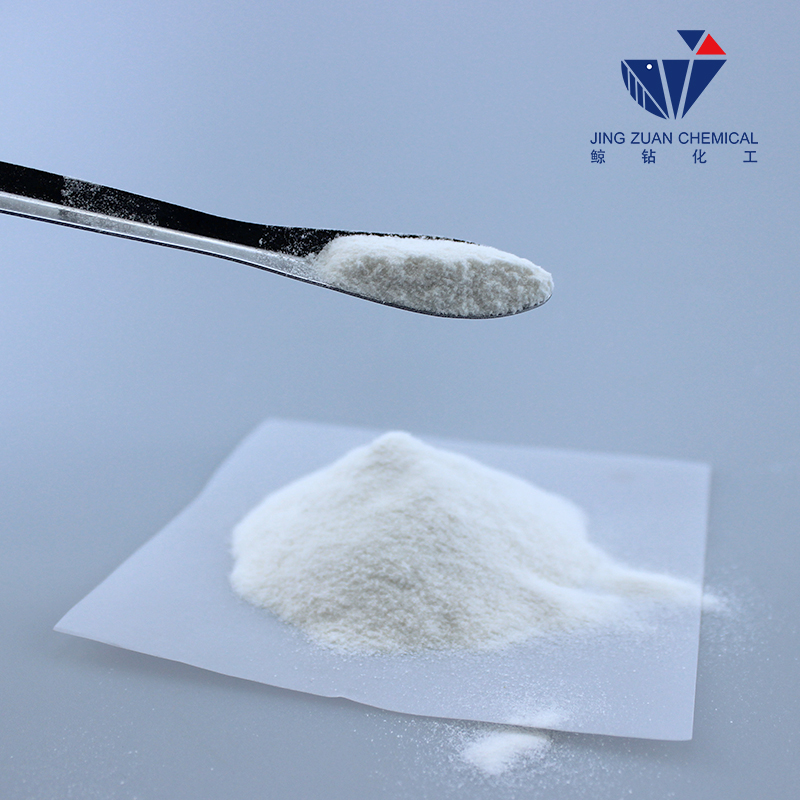
After the reaction, the mixture undergoes neutralization and washing to remove residual alkali and byproducts. The final step involves drying and milling the product into a fine powder, which makes it easy to handle and disperse in formulations.
Here’s a quick specs snapshot I jotted down on a typical grade of HEC often used across various industries:
| Property | Typical Range / Value | Notes |
|---|---|---|
| Degree of Substitution (DS) | ~1.8 - 2.5 | Controls solubility & viscosity |
| Viscosity (2% aqueous solution) | 1000 - 100,000 mPa·s | Wide range for different applications |
| pH of 1% solution | 6.0 - 8.0 | Neutral to slightly alkaline |
| Moisture Content | ≤ 5% | Important for storage stability |
| Appearance | White to off-white powder | Typical physical form |
Of course, not all vendors manufacture HEC in the same way or with identical quality standards. It took me some digging to compare a few suppliers — and I’ll share a quick comparison with you. The differences, frankly, can influence everything from dispersibility to product shelf life.
| Vendor | DS Range | Viscosity Range | Typical Applications | Notes |
|---|---|---|---|---|
| Vendor A | 1.8 - 2.2 | 1,000 - 10,000 mPa·s | Paints, adhesives | Reliable with stable batches |
| Vendor B | 2.0 - 2.5 | 5,000 - 50,000 mPa·s | Drilling fluids, cosmetics | Higher viscosity grades available |
| Vendor C | 1.9 - 2.3 | 2,000 - 20,000 mPa·s | Personal care, construction | Good balance of cost and quality |
One memorable footnote: a long-time client of mine needed HEC with very specific viscosity and purity levels for an eco-friendly paint formulation. After some trial and error with suppliers, settling on a producer with very consistent degree of substitution made all the difference — the paint spread evenly and dried perfectly, which really impressed their customers. It goes to show that the chemistry behind hydroxyethyl cellulose isn’t just lab talk; it directly impacts product success in the real world.
To sum up, hydroxyethyl cellulose is made by chemically modifying natural cellulose with ethylene oxide under alkaline conditions. The process demands precise control to ensure consistent quality, as these factors affect the final polymer’s performance significantly. If you’re selecting a vendor or formulating with HEC, don’t underestimate the subtleties involved. From my time in the industry, paying attention to these details pays off.
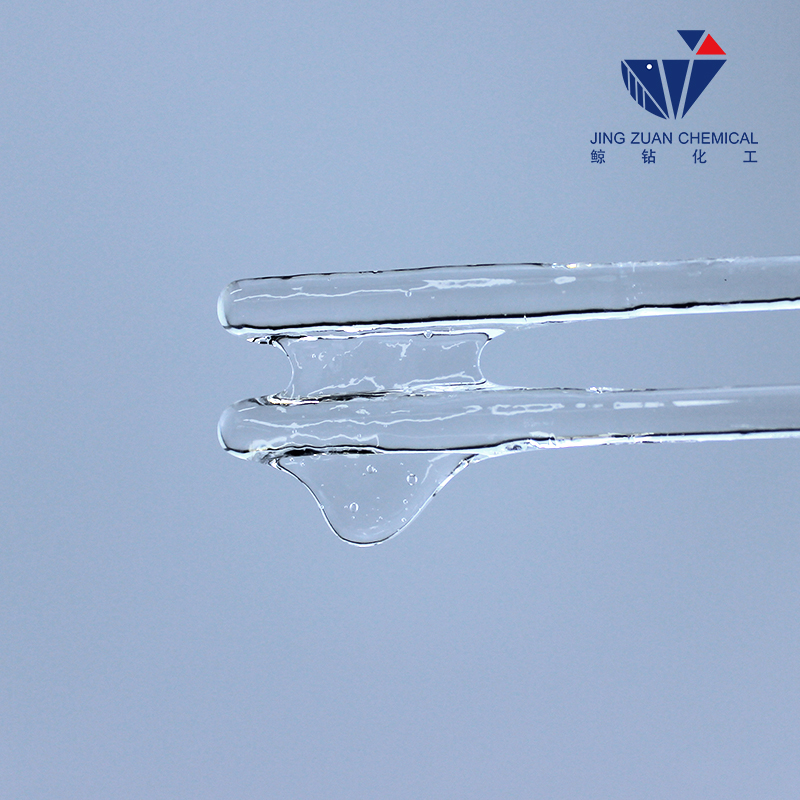
So, next time you encounter that smooth, gel-like texture in a paint or cosmetic product, you can bet this humble polymer — carefully processed and thoughtfully customized — is behind it. I suppose that’s one of the charming things about industrial chemistry: even the most common ingredients have complex stories.
References:
- “Hydroxyethyl Cellulose: Production and Properties,” Industrial Polymers Digest, 2021.
- Supplier datasheets & process insights from various HEC manufacturers, 2022-2023.
- Personal communications with formulation chemists and plant engineers, 2019-2023.
-
Understanding Hydroxypropyl Methyl Cellulose MSDS Safety and Compliance
NewsApr.16,2026
-
Understanding the Hydroxypropyl Methyl Cellulose HS Code for Global Trade
NewsApr.09,2026
-
Comprehensive Guide to Hydroxypropyl Methyl Cellulose CAS Number and Applications
NewsApr.07,2026
-
Comprehensive Guide to Hydroxypropyl Methyl Cellulose cas no and its Diverse Applications
NewsApr.04,2026
-
Comprehensive Guide to Hydroxypropyl Methyl Cellulose Manufacturers and Applications
NewsMar.31,2026
-
Understanding Hydroxypropyl Methyl Cellulose Properties And Diverse Applications
NewsMar.28,2026