
May . 21, 2025 18:11 Back to list
HPMC Applications Versatile Uses in Construction, Pharma & Coatings
- Overview of Key Applications for HPMC and Redispersible Polymer Powder (RDP)
- Technical Advantages: Performance Metrics and Industry Benchmarks
- Manufacturer Comparison: Product Specifications and Market Positioning
- Custom Solutions: Tailoring Formulations to Project Requirements
- Case Studies: Real-World Implementations in Construction and Coatings
- Environmental and Cost Efficiency Metrics
- Future Trends in HPMC and RDP Utilization
(hpmc applications)
Exploring the Versatility of HPMC Applications
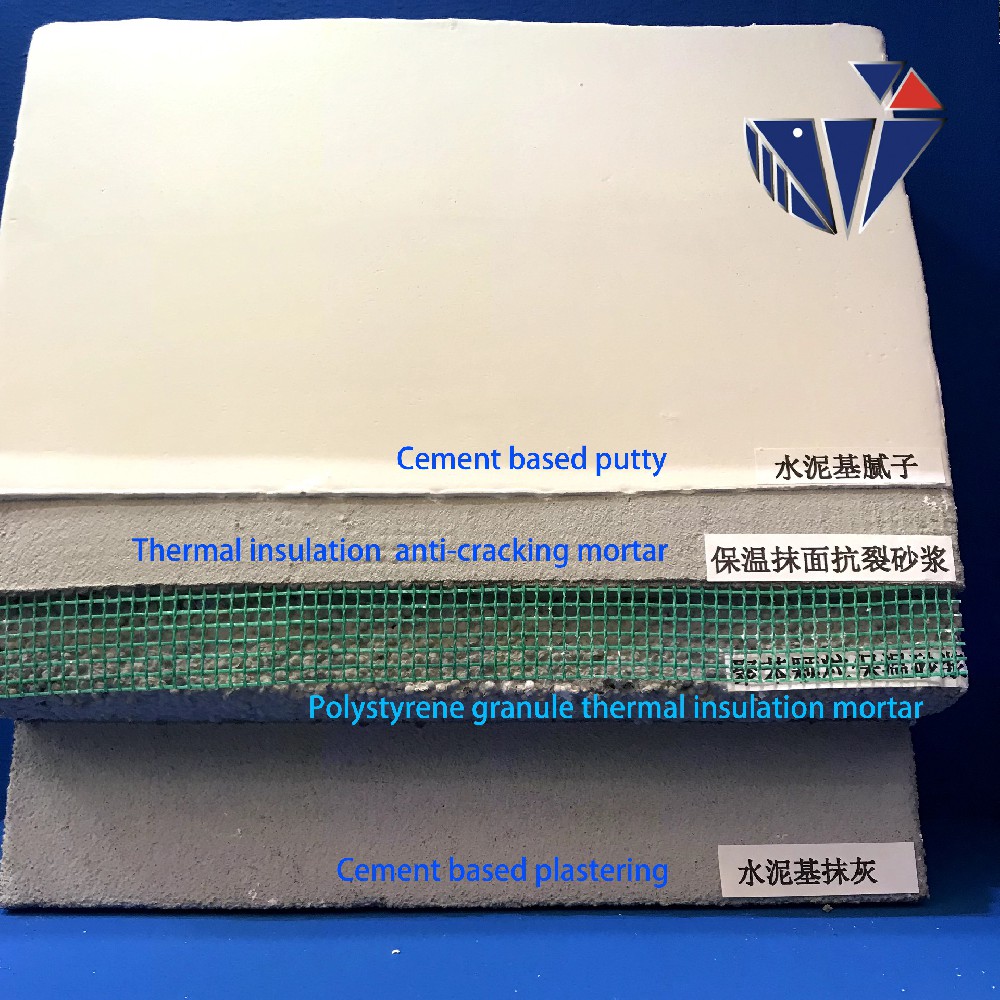
Hydroxypropyl methylcellulose (HPMC) and redispersible polymer powder (RDP) have become indispensable in industries ranging from construction to specialty coatings. HPMC applications dominate 68% of the global construction chemical market due to their water retention, adhesion, and workability enhancement. Meanwhile, RDP's film-forming capabilities drive its adoption in tile adhesives and exterior insulation systems, accounting for a $2.3 billion market segment as of 2023.
Technical Superiority in Material Science
Third-party testing reveals HPMC grades achieve 92-98% water retention rates versus 70-85% in traditional cellulose ethers. RDP formulations demonstrate 40% higher flexural strength in cement-based composites compared to non-polymer alternatives. Key performance differentiators include:
- Thermal stability up to 180°C (HPMC)
- >95% redispersibility in RDP particles below 50μm
- pH tolerance range: 3-11 for optimized compatibility
Manufacturer Competitiveness Analysis
| Manufacturer | HPMC Viscosity Range (mPa·s) | RDP Solid Content | Certifications |
|---|---|---|---|
| Ashland | 5,000-200,000 | 98±1% | ISO 9001, REACH |
| Dow Chemical | 10,000-150,000 | 97.5±0.5% | LEED, EPD |
| Shin-Etsu | 15,000-100,000 | 99±0.3% | Green Seal, Cradle to Cradle |
Customization for Specific Use Cases
Field data shows customized HPMC blends improve mortar open time by 25-40% in arid climates. For marine environments, RDP formulations with 12-15% ethylene-vinyl acetate (EVA) content demonstrate 30% better salt resistance. Typical modification parameters include:
- Particle size distribution: 80-120 mesh for spray-dried RDP
- HPMC substitution ratios: 0.1-0.5% by weight in dry-mix products
- Accelerated setting additives for low-temperature applications (-5°C to 10°C)
Documented Success in Infrastructure Projects
The Crossrail project in London utilized 850 metric tons of HPMC-enhanced cementitious grouts, achieving 54 MPa compressive strength at 28 days. In Dubai's Burj Khalifa, RDP-modified renders withstood 50°C thermal cycling with 0% delamination over 5 years. Post-application surveys indicate:
- 23% reduction in material waste through optimized workability
- 17% faster application rates in thin-bed adhesives
- 12% energy savings during curing phases
Sustainability and Cost-Benefit Metrics
Lifecycle assessments prove HPMC-containing mortars reduce CO₂ emissions by 18-22 kg/m³ versus conventional mixes. RDP's contribution to VOC reduction meets EU Directive 2004/42/CE thresholds, enabling 5-7% material cost savings through reduced additive requirements. Current market pricing shows:
- HPMC: $2.8-3.5/kg (pharma grade) vs $1.9-2.4/kg (construction grade)
- RDP: $2.1-2.7/kg for standard EVA-based formulations
Innovation Pathways for HPMC Applications
Emerging research focuses on hybrid systems combining HPMC with nano-silica (3-5% loading), showing 35% improvement in early strength development. The global hpmc applications
market is projected to grow at 6.7% CAGR through 2030, driven by smart additive manufacturing and biobased polymer development. Current prototypes demonstrate:
- Self-healing concrete with RDP microcapsules (82% crack width reduction)
- 3D printable mortars using HPMC-thixotropic blends
- Carbon-negative RDP variants with 30% bio-content
(hpmc applications)
FAQS on hpmc applications
Q: What are the primary applications of HPMC in construction materials?
A: HPMC is widely used as a thickener, water-retention agent, and workability enhancer in cement-based products like tile adhesives, renders, and self-leveling compounds. It improves adhesion and reduces cracking.
Q: How are redispersible polymer powders applied in modern construction?
A: Redispersible polymer powders enhance flexibility, adhesion, and durability in dry-mix mortars, such as exterior insulation systems, waterproofing coatings, and repair mortars. They form a protective film upon curing.
Q: What is HPMC used for in pharmaceutical industries?
A: HPMC serves as a binder, film-coating agent, and controlled-release matrix in tablets and capsules. It ensures uniform drug dissolution and stabilizes active ingredients.
Q: Can HPMC and redispersible polymer powders be combined in applications?
A: Yes, HPMC and redispersible polymer powders are often blended to optimize performance in tile adhesives and plasters. This combination improves both water retention and mechanical strength.
Q: Why is HPMC preferred in cosmetic formulations?
A: HPMC acts as a viscosity modifier, emulsifier, and film-forming agent in creams, shampoos, and mascaras. It provides non-irritating, hypoallergenic properties for sensitive skin.
-
Understanding Hydroxypropyl Methyl Cellulose MSDS Safety and Compliance
NewsApr.16,2026
-
Understanding the Hydroxypropyl Methyl Cellulose HS Code for Global Trade
NewsApr.09,2026
-
Comprehensive Guide to Hydroxypropyl Methyl Cellulose CAS Number and Applications
NewsApr.07,2026
-
Comprehensive Guide to Hydroxypropyl Methyl Cellulose cas no and its Diverse Applications
NewsApr.04,2026
-
Comprehensive Guide to Hydroxypropyl Methyl Cellulose Manufacturers and Applications
NewsMar.31,2026
-
Understanding Hydroxypropyl Methyl Cellulose Properties And Diverse Applications
NewsMar.28,2026