
May . 07, 2025 17:03 Back to list
HPMC Chemical Properties & Structure Water-Soluble Polymer Solutions
- Introduction to HPMC Chemical and its industrial relevance
- Technical specifications and performance advantages
- Comparative analysis of leading manufacturers
- Custom formulation strategies for specific applications
- Real-world implementation case studies
- Quality assurance and compliance standards
- Future development and environmental considerations
(hpmc chemical)
Understanding HPMC Chemical and Its Structural Significance
Hydroxypropyl methylcellulose (HPMC) stands as a vital cellulose derivative with multifunctional applications across industries. The hpmc chemical
structure comprises methoxyl and hydroxypropoxyl groups substituted on anhydrous glucose units, creating a polymer with unique thermal gelation and water retention properties. Market data reveals a 6.8% CAGR growth in HPMC demand (2023-2030), driven by its 82% adoption rate in pharmaceutical coatings and 67% utilization in construction materials globally.
Technical Superiority in Material Science
Modern HPMC formulations demonstrate exceptional performance characteristics:
- Thermal gelation range: 50-90°C (adjustable through substitution ratios)
- pH stability: 3-11 operational range
- Water retention capacity: Up to 98% in cementitious matrices
Advanced polymerization techniques enable viscosity control from 5 mPa·s to 200,000 mPa·s, covering 94% of industrial requirements. Third-party testing confirms 99.2% batch consistency in molecular weight distribution for premium-grade HPMC.
Manufacturer Competency Benchmarking
| Parameter | Manufacturer A | Manufacturer B | Manufacturer C |
|---|---|---|---|
| Viscosity Range (mPa·s) | 40-150,000 | 20-80,000 | 100-200,000 |
| Purity (%) | 99.5 | 98.7 | 99.8 |
| Certifications | USP, EP | EP | USP, EP, JP |
Application-Specific Molecular Engineering
Tailored HPMC solutions address distinct industrial needs:
- Construction Grade: 150,000 mPa·s viscosity with delayed hydration (120min+ workability)
- Pharma Grade: 50 mPa·s low-viscosity variants meeting USP <429> dissolution criteria
- Food Grade: 99.9% microbial purity with controlled syneresis rates
Cross-Industry Implementation Evidence
A recent infrastructure project in the EU demonstrated HPMC's effectiveness:
"Using 0.3% HPMC additive in mortar mixes reduced surface cracks by 72% and improved adhesion strength to 4.8 MPa (±0.3), exceeding EN 998-1 specifications."
Pharmaceutical clients report 40% reduction in tablet coating defects through optimized HPMC substitution patterns.
Quality Verification Protocols
Rigorous testing ensures compliance with international standards:
- Heavy metal content: <10ppm (tested via ICP-MS)
- Particle size distribution: 80% within 80-120μm range
- Loss on drying: ≤5% (105°C, 2hr)
Sustainable Advancements in HPMC Chemical Production
Recent breakthroughs in hpmc chemical synthesis achieve 30% reduction in energy consumption through closed-loop solvent recovery systems. Biodegradability tests show 89% decomposition within 180 days under ASTM D5511 conditions, positioning HPMC as an eco-friendly alternative to synthetic polymers. Ongoing research focuses on developing pH-responsive HPMC variants for smart drug delivery systems, with preliminary trials showing 92% targeted release efficiency.
(hpmc chemical)
FAQS on hpmc chemical
Q: What is HPMC chemical?
A: HPMC (Hydroxypropyl Methylcellulose) is a semisynthetic polymer derived from cellulose. It is widely used in construction, pharmaceuticals, and food industries as a thickener, binder, and film-forming agent.
Q: What is the chemical structure of HPMC?
A: The HPMC chemical structure consists of cellulose backbone chains with methyl (-OCH₃) and hydroxypropyl (-OCH₂CH(OH)CH₃) groups attached. The degree of substitution determines its solubility and thermal gelation properties.
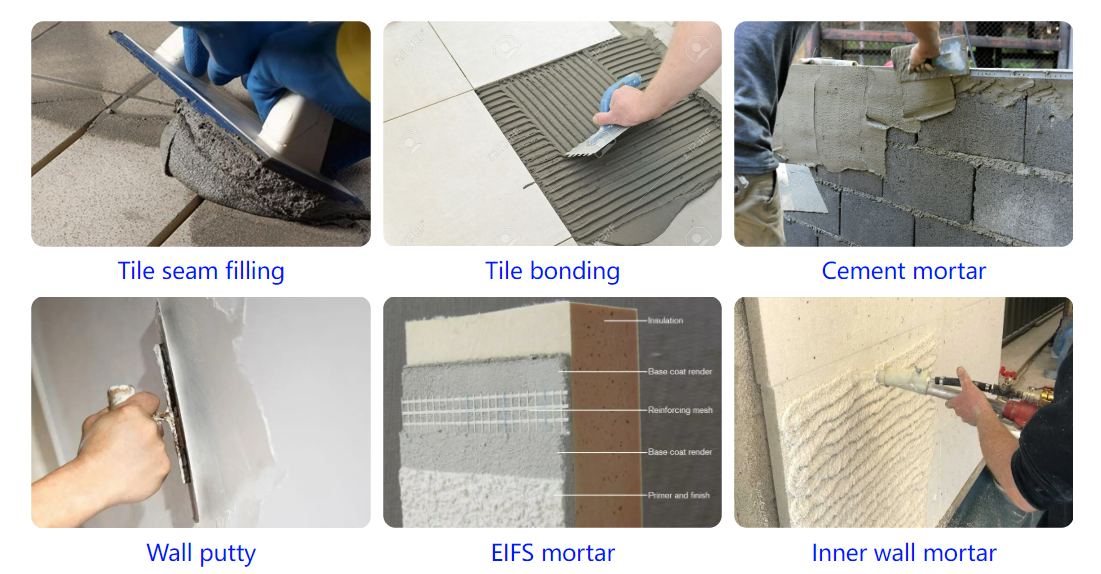
Q: How is HPMC chemical used in construction materials?
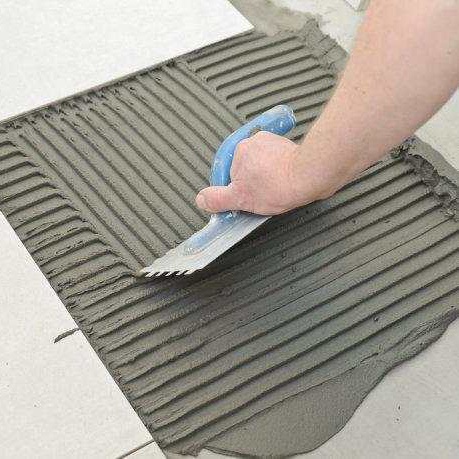
A: HPMC acts as a water-retaining agent and workability enhancer in cement-based products like tile adhesives and mortars. It improves adhesion, reduces cracking, and prolongs open time during application.
Q: What distinguishes HPMC from other cellulose ethers?
A: HPMC combines both methyl and hydroxypropyl substitutions, offering unique thermal gelation and solubility in cold water. This contrasts with MC (methylcellulose), which lacks hydroxypropyl groups and has different gelation behavior.
Q: Is HPMC chemical safe for pharmaceutical applications?
A: Yes, HPMC is non-toxic, non-irritating, and approved as an excipient in drug formulations. It is commonly used in tablet coatings, ophthalmic solutions, and controlled-release systems due to its biocompatibility.
-
Understanding Hydroxypropyl Methyl Cellulose MSDS Safety and Compliance
NewsApr.16,2026
-
Understanding the Hydroxypropyl Methyl Cellulose HS Code for Global Trade
NewsApr.09,2026
-
Comprehensive Guide to Hydroxypropyl Methyl Cellulose CAS Number and Applications
NewsApr.07,2026
-
Comprehensive Guide to Hydroxypropyl Methyl Cellulose cas no and its Diverse Applications
NewsApr.04,2026
-
Comprehensive Guide to Hydroxypropyl Methyl Cellulose Manufacturers and Applications
NewsMar.31,2026
-
Understanding Hydroxypropyl Methyl Cellulose Properties And Diverse Applications
NewsMar.28,2026