
Sep . 05, 2024 22:51 Back to list
HPMC Grades | High-Performance Hydrophilic Cellulose Polymers
Understanding HPMC Grades A Comprehensive Overview
Hydroxypropyl Methylcellulose (HPMC) is a versatile cellulose ether widely used in various industries, including pharmaceuticals, food, and construction. Its importance is magnified by the existence of different grades, each tailored to specific applications and requirements. Understanding HPMC grades is crucial for manufacturers, formulators, and researchers who seek to optimize the performance of their products.
Understanding HPMC Grades A Comprehensive Overview
For instance, low-viscosity grades of HPMC are often employed in pharmaceutical formulations as a binder or a coating agent due to their ability to dissolve easily and quickly. On the other hand, high-viscosity grades are favored for their thickening and gelling properties, making them ideal for use in dietary supplements and personal care products. This variation in viscosity is crucial for product formulation, impacting drug release rates and overall effectiveness.
hpmc grades
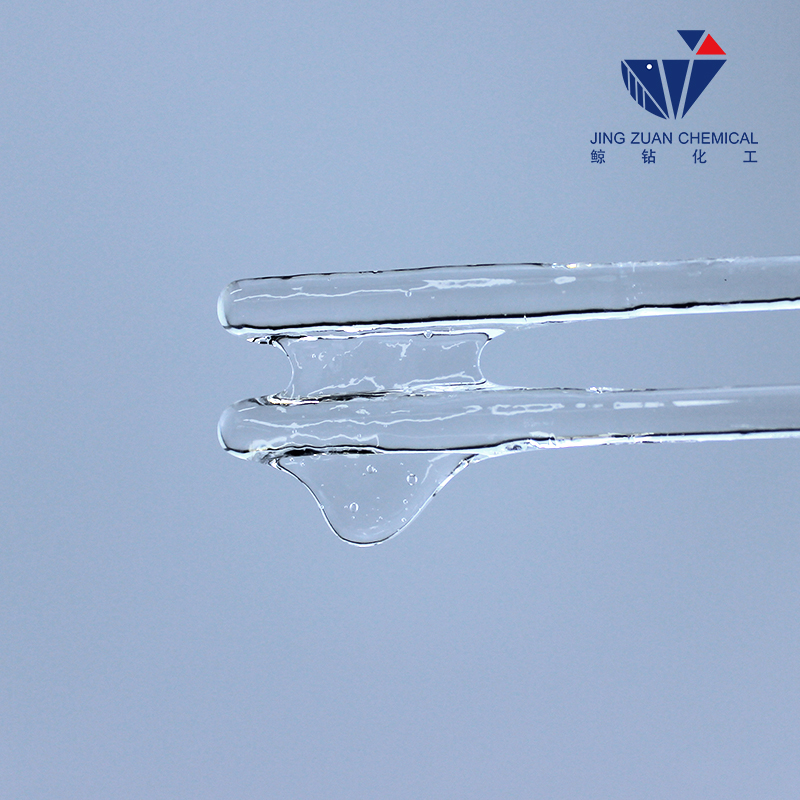
In the food industry, HPMC grades are utilized as stabilizers, emulsifiers, and texturizers. For example, certain grades enhance the mouthfeel and viscosity of sauces and dressings, while others are used to create gluten-free baked goods, providing structure and moisture retention. The ability of HPMC to form gels and its compatibility with other ingredients are essential for achieving desired culinary results.
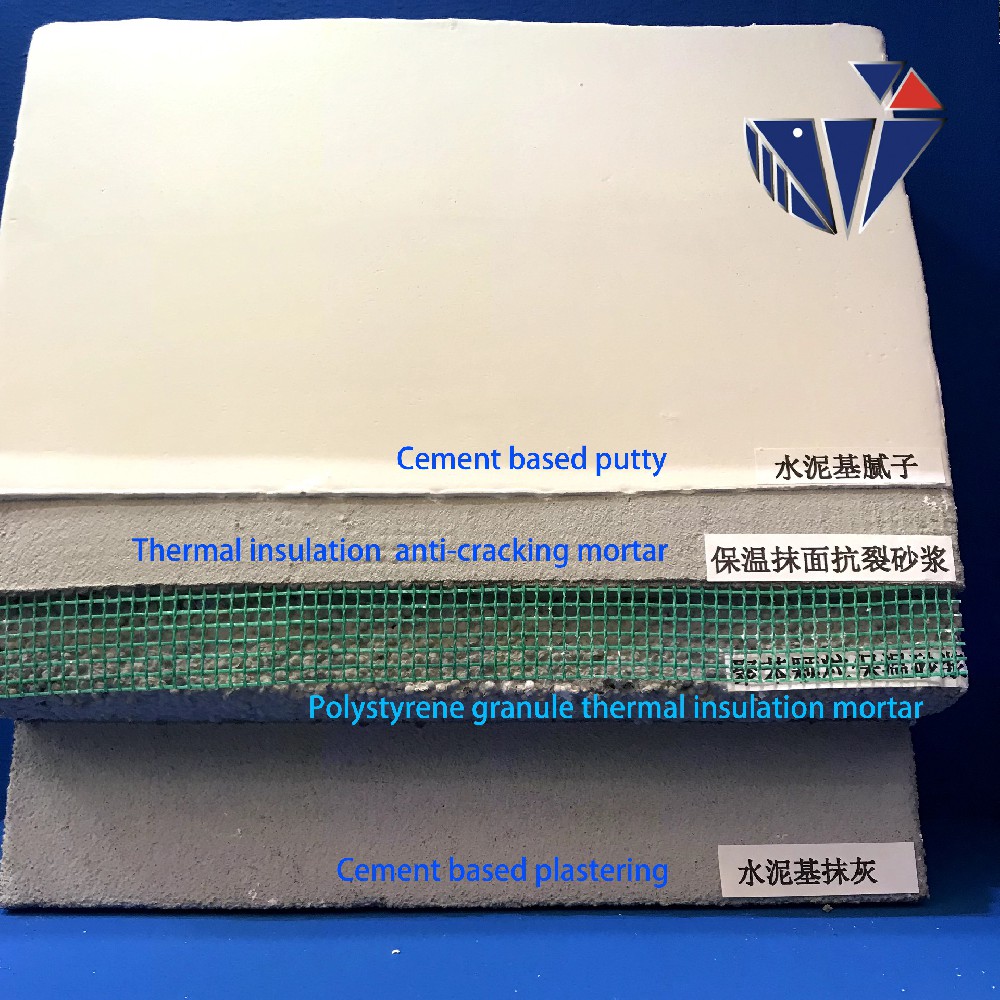
The construction industry also relies heavily on HPMC, particularly in tile adhesives, cement, and plaster formulations. Here, specific grades improve workability, water retention, and adhesive properties, ensuring a strong bond and durable results.
In conclusion, understanding the various grades of HPMC is critical for optimizing its applications across industries. Whether in pharmaceuticals, food, or construction, selecting the right grade can significantly enhance product performance and effectiveness. As research and development continue to evolve, the potential for HPMC in innovative applications remains vast, further highlighting its importance in modern manufacturing.
-
Understanding Hydroxypropyl Methyl Cellulose MSDS Safety and Compliance
NewsApr.16,2026
-
Understanding the Hydroxypropyl Methyl Cellulose HS Code for Global Trade
NewsApr.09,2026
-
Comprehensive Guide to Hydroxypropyl Methyl Cellulose CAS Number and Applications
NewsApr.07,2026
-
Comprehensive Guide to Hydroxypropyl Methyl Cellulose cas no and its Diverse Applications
NewsApr.04,2026
-
Comprehensive Guide to Hydroxypropyl Methyl Cellulose Manufacturers and Applications
NewsMar.31,2026
-
Understanding Hydroxypropyl Methyl Cellulose Properties And Diverse Applications
NewsMar.28,2026