
Nov . 28, 2025 19:15 Back to list
HPMC Solubility in Ethanol: A Practical Guide for Industry and Sustainability
Understanding HPMC Solubility in Ethanol: Why It Matters More Than You Think
Hydroxypropyl methylcellulose (HPMC) solubility in ethanol – sounds like chemistry jargon, right? But it’s a detail that quietly powers much of what we rely on in coatings, pharmaceuticals, and construction. At its core, knowing how HPMC dissolves in a solvent like ethanol unlocks practical insights for manufacturers globally, impacting everything from product stability to environmental safety. In this increasingly eco-conscious world, optimizing such solubility isn’t just a lab curiosity—it’s essential for efficient, sustainable production across multiple industries.
Introduction: The Global Stakes of HPMC Solubility in Ethanol
Worldwide, the use of HPMC is expanding fast. ISO data from recent years show rising demand as industries seek biodegradable, non-toxic additives to replace harsher chemicals. Ethanol, a renewable solvent, plays a key role by dissolving HPMC efficiently under the right conditions. But here’s the catch: inconsistent solubility can cause problems from formulation failures to costly production delays.
According to the United Nations Environment Programme, industries are under mounting pressure to switch to greener materials and solvents, pushing technical teams to really understand how molecules like HPMC interact with solvents such as ethanol. Without that knowledge? Well, you might as well be mixing in the dark.
What Does HPMC Solubility in Ethanol Actually Mean?
Simply put, solubility refers to how well HPMC, a cellulose derivative, dissolves in ethanol. HPMC is prized as a water-soluble polymer, but ethanol isn’t quite as straightforward. Variables like temperature, molecular weight, and substitution levels affect how much HPMC will dissolve in ethanol before running into issues like clumping or phase separation.
This interaction isn’t academic—it impacts the performance of coatings, paints, pharmaceutical gels, and more. As industries strive for cleaner production, grasping this relationship becomes more than a technical nicety; it's a practical necessity.
Key Factors Influencing HPMC Solubility in Ethanol
1. Molecular Weight
Think of molecular weight as the size of the polymer chains. Higher molecular weight HPMC tends to be less soluble in ethanol, often requiring more careful temperature control and stirring. Many engineers say lower molecular weight variants offer smoother dissolving profiles, but may sacrifice viscosity benefits.
2. Substitution Degree
This defines the amount and type of chemical groups attached to the cellulose backbone. Hydroxypropyl and methyl groups affect compatibility—more substitution generally means enhanced solubility in ethanol due to increased hydrophobic interactions.
3. Temperature
Raise the temperature and solubility typically improves. But the relationship isn’t linear—too hot and you risk polymer degradation or solvent evaporation, too cool and you might get stubborn lumps.
4. Ethanol Concentration
Pure ethanol dissolves HPMC differently than ethanol-water mixtures. For example, mixtures with higher water content generally improve solubility, giving formulators wiggle room but also complicating process control.
5. Mixing Method
Shear force and mixing speed influence how rapidly and uniformly HPMC dissolves. Industry veterans often recommend slow but steady stirring to prevent clumps, especially when working with high-viscosity grades.
Mini Takeaway:
Solubility is not just “yes or no.” It’s a dance involving temperature, chemistry, and technique. Getting these in tune unleashes HPMC’s full potential in ethanol-based formulations.
Real-World Applications and Global Impact
Okay, where does this matter? Turns out, almost everywhere:
- Pharmaceuticals: HPMC acts as a binder in tablets and an agent in topical gels. Its solubility in ethanol allows precise control of drug release rates.
- Paints and Coatings: Ethanol-based paints use HPMC to improve gloss and film formation. Asia-Pacific sees strong growth here, with markets like China and India investing heavily.
- Food Industry: It’s used as a thickener and stabilizer. Solubility tweaks here influence texture and shelf life.
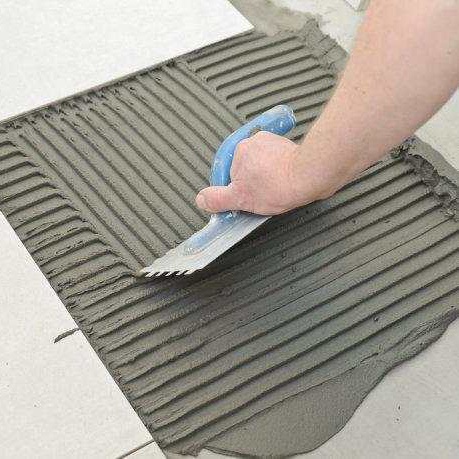
- Construction: In dry mixes such as tile adhesives, HPMC improves workability. Solubility in different solvents affects shelf stability and ease of use.
In post-disaster rebuilding efforts, fast-curing adhesives containing HPMC dissolved in ethanol allow local teams to assemble shelters quickly without toxic fumes. Similarly, remote industrial zones benefit from ethanol-based, water-sensitive adhesive systems where water sources can be scarce or unreliable.
Advantages of Understanding HPMC Solubility in Ethanol
- Cost Efficiency: Better solubility means fewer production hiccups and less wasted solvent.
- Environmental Sustainability: Ethanol is a renewable solvent; optimizing HPMC’s solubility reduces reliance on toxic alternatives.
- Product Reliability: Consistent solubility ensures stable product performance, which builds consumer trust.
- Safety: Lower volatility and reduced solvent emission make production safer for workers and communities.
On an emotional level, industries adopting these insights feel a sense of pride in innovating responsibly — a small but vital step toward cleaner manufacturing.
Future Trends and Innovations in HPMC Solubility
Green chemistry is pushing players to enhance polymer-solvent interactions without harmful additives. I noticed recent research into tailored substitution patterns on HPMC molecules to improve ethanol solubility while maintaining biodegradability. Automation and digital twin modeling are also helping formulators predict solubility behaviors without costly trial-and-error.
Meanwhile, policies encouraging reduced VOC (volatile organic compounds) emissions spur solvent replacement with bioethanol, making this chemistry more relevant by the minute.
Challenges & Practical Solutions
Of course, it’s not all smooth sailing. HPMC’s inconsistent solubility can still lead to batch failures. Temperature fluctuations during shipping or mixing can cause precipitation or gel formation, ruining formulations.
Some labs tackle these limitations by pre-dissolving HPMC in ethanol under controlled conditions, or by blending ethanol with water to customize solubility environments. Plus, continuous inline mixing using modern equipment reduces operator error and standardizes quality.
Product Specification Table: Typical HPMC Grades for Ethanol Solubility
| Property | Low MW Grade | Medium MW Grade | High MW Grade |
|---|---|---|---|
| Molecular Weight (g/mol) | 50,000-100,000 | 100,000-300,000 | 300,000-500,000 |
| Degree of Substitution (DS) | 1.2 - 1.4 | 1.5 - 1.7 | 1.8 - 2.0 |
| Solubility in Ethanol (%) | ~15-20 | ~10-15 | ~5-10 |
| Optimal Dissolving Temp. (°C) | 20-30 | 30-40 | 40-50 |
Vendor Comparison Table
| Vendor | Price per kg (USD) | Purity (%) | Supply Reliability | Sustainability Certification |
|---|---|---|---|---|
| Vendor A | 12.50 | 98 | High | ISO 14001 |
| Vendor B | 11.00 | 96 | Moderate | None |
| Vendor C | 13.00 | 99 | High | ISO 9001 & Green Seal |
FAQ: Your HPMC Solubility in Ethanol Questions Answered
Q1: What factors affect how well HPMC dissolves in ethanol?
A: The key factors include molecular weight, degree of substitution, temperature, ethanol concentration, and mixing method. Basically, smaller molecular weight and higher substitution increase solubility, while moderate temperatures and controlled stirring prevent clumping.
Q2: Can I improve solubility by mixing ethanol with water?
A: Absolutely. Water-ethanol blends often increase HPMC solubility compared to pure ethanol, giving more flexibility during formulation. However, the exact ratio needs tweaking based on your product requirements.
Q3: Are there environmental benefits in using ethanol as a solvent with HPMC?
A: Yes, ethanol is renewable and lower in VOC emissions compared to many organic solvents, aligning well with sustainability goals. Understanding how HPMC behaves in ethanol helps reduce waste and toxic byproducts.
Q4: How do I prevent clumping during dissolution?
A: Adding HPMC gradually with steady stirring and maintaining appropriate temperature are crucial. Prewetting HPMC with a small portion of the solvent before full mixing helps too.
Q5: Where can I learn more about hpmc solubility in ethanol and related products?
A: Visiting specialized chemical supplier websites like CNJZ Chemical provides detailed specs, application tips, and sample requests tailored to your needs.
Conclusion: Why Mastering HPMC Solubility in Ethanol Pays Off
Getting HPMC solubility in ethanol right is a practical puzzle that, once solved, leads to reduced costs, cleaner production, and better products—across pharmaceutical, construction, and coating industries worldwide. The complexity can be daunting, but the payoff is a stable formula and a greener footprint. Stay curious and keep experimenting; the world of cellulose chemistry is vast and surprisingly rewarding.
For those ready to dive deeper, visit our site for expert guidance and tailored products tackling HPMC solubility challenges directly.
References
-
Understanding Hydroxypropyl Methyl Cellulose MSDS Safety and Compliance
NewsApr.16,2026
-
Understanding the Hydroxypropyl Methyl Cellulose HS Code for Global Trade
NewsApr.09,2026
-
Comprehensive Guide to Hydroxypropyl Methyl Cellulose CAS Number and Applications
NewsApr.07,2026
-
Comprehensive Guide to Hydroxypropyl Methyl Cellulose cas no and its Diverse Applications
NewsApr.04,2026
-
Comprehensive Guide to Hydroxypropyl Methyl Cellulose Manufacturers and Applications
NewsMar.31,2026
-
Understanding Hydroxypropyl Methyl Cellulose Properties And Diverse Applications
NewsMar.28,2026