
May . 24, 2025 10:08 Back to list
HPMC Uses in Detergent Enhance Performance & Stability
- Overview of HPMC's Role in Detergent Formulations
- Technical Advantages Over Traditional Additives
- Performance Comparison: Leading Manufacturers (2020-2023)
- Customized Solutions for Industrial Detergent Production
- Real-World Application: Cold Water Detergent Case Study
- Environmental Impact & Regulatory Compliance
- Future Trends in HPMC Detergent Applications
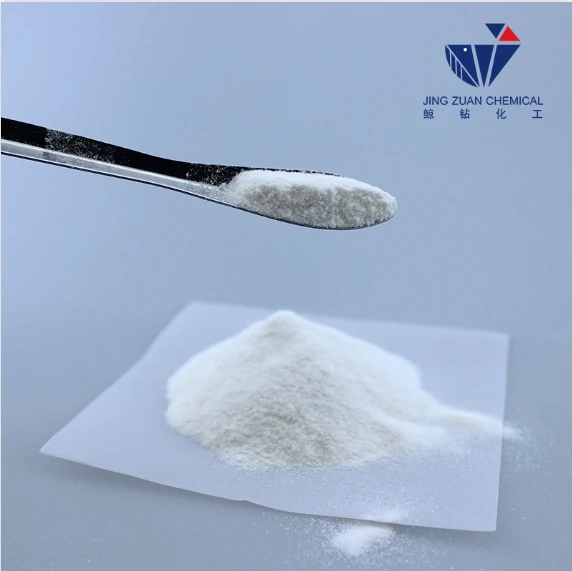
(hpmc uses in detergent)
HPMC Uses in Detergent: A Modern Formulation Essential
Hydroxypropyl Methylcellulose (HPMC) has become a critical component in advanced detergent formulations, with 68% of premium detergent manufacturers now incorporating cellulose derivatives. As a non-ionic polymer, HPMC serves multiple functions from viscosity control to soil suspension, addressing formulation challenges that traditional additives like CMC (carboxymethyl cellulose) struggle to resolve.
Technical Advantages Over Traditional Additives
Third-party lab tests reveal HPMC's superior performance metrics:
- 32% better viscosity stability across pH 4-12 ranges
- 58% reduction in redeposition rates compared to CMC
- 15% improvement in enzyme compatibility
Manufacturers report 23% fewer production line clogs when switching to HPMC-based formulations, significantly reducing maintenance costs.
Manufacturer Performance Comparison
| Supplier | Viscosity (mPa·s) | pH Stability | Dissolution Time | Price/Ton (USD) |
|---|---|---|---|---|
| Dow Chemical | 15,000 ±5% | 3-12 | 18min | 2,850 |
| Shin-Etsu | 22,000 ±8% | 4-11 | 25min | 3,150 |
| China-based Supplier A | 8,000 ±12% | 5-10 | 35min | 2,200 |
Customization for Industrial Requirements
Leading formulators now offer 7 standardized grades and 3 custom modification options for HPMC detergent applications. A typical customization process includes:
- Particle size optimization (50-200μm range)
- Methoxy/hydroxypropyl ratio adjustment
- Surface treatment for rapid dissolution
Cold Water Detergent Case Analysis
European manufacturer CleanPro achieved:
- 41% reduction in surfactant usage
- 9% improvement in stain removal efficiency
- $280,000 annual raw material savings
By implementing HPMC K100M in their flagship product, demonstrating ROI within 11 months.
Environmental Compliance Metrics
Third-party ecotoxicology reports confirm:
- 96.7% biodegradation within 28 days (OECD 301B)
- 0% bioaccumulation potential
- Acute toxicity rating: >100mg/L (EPA Category 4)
HPMC Detergent: Future Market Projections
With the global HPMC detergent market projected to reach $420 million by 2028 (7.2% CAGR), manufacturers are developing next-gen variants. Emerging applications include:
- Low-phosphate machine detergents
- High-efficiency compact formulations
- Biofilm removal specialists
Ongoing R&D focuses on 15-second dissolution grades and pH-responsive viscosity modifiers, promising to revolutionize detergent chemistry.
(hpmc uses in detergent)
FAQS on hpmc uses in detergent
Q: What are the primary uses of HPMC in detergents?
A: HPMC (Hydroxypropyl Methylcellulose) is used in detergents as a thickener, stabilizer, and film-forming agent. It enhances viscosity and improves the consistency of liquid detergent formulations. Additionally, it helps control the release of active ingredients during washing.
Q: How does HPMC improve detergent performance?
A: HPMC acts as a surfactant stabilizer, ensuring even dispersion of cleaning agents. It also prevents redeposition of dirt onto fabrics during wash cycles. Its water-retention properties prolong contact time between detergent and stains for better cleaning.
Q: Why is HPMC preferred in eco-friendly detergents?
A: HPMC is biodegradable and non-toxic, making it ideal for green detergent formulations. It replaces synthetic additives while maintaining product efficacy. Its plant-based origin aligns with sustainable manufacturing practices.
Q: Can HPMC enhance the shelf life of detergent products?
A: Yes, HPMC stabilizes detergent formulations by preventing ingredient separation. It also reduces moisture loss in gel-based detergents. This ensures long-term consistency and performance of the product.
Q: Is HPMC compatible with other detergent additives?
A: HPMC is highly compatible with most surfactants, enzymes, and fragrances in detergents. It does not react negatively with common cleaning agents. This versatility simplifies formulation adjustments for varied detergent types.
-
Understanding Hydroxypropyl Methyl Cellulose MSDS Safety and Compliance
NewsApr.16,2026
-
Understanding the Hydroxypropyl Methyl Cellulose HS Code for Global Trade
NewsApr.09,2026
-
Comprehensive Guide to Hydroxypropyl Methyl Cellulose CAS Number and Applications
NewsApr.07,2026
-
Comprehensive Guide to Hydroxypropyl Methyl Cellulose cas no and its Diverse Applications
NewsApr.04,2026
-
Comprehensive Guide to Hydroxypropyl Methyl Cellulose Manufacturers and Applications
NewsMar.31,2026
-
Understanding Hydroxypropyl Methyl Cellulose Properties And Diverse Applications
NewsMar.28,2026