
Jun . 13, 2024 11:04 Back to list
Hydroxyethyl cellulose, a water-soluble polymer, is commonly used in various industries.
Understanding Hydroxyethyl Cellulose A Versatile Polymer in Modern Applications
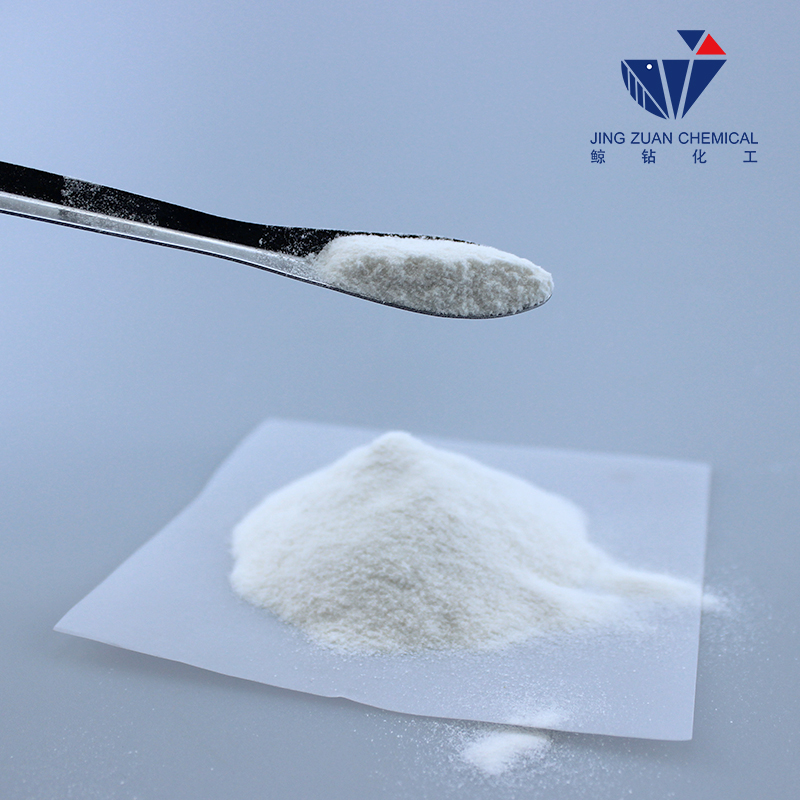
Hydroxyethyl cellulose (HEC), a derivative of the naturally occurring cellulose, is a water-soluble polymer that has found extensive use across various industries due to its unique properties and versatility. The compound, with a chemical formula (C6H14O5)n(C2H5OH)2, is formed by the reaction of cellulose with ethylene oxide, resulting in hydroxyethyl groups attached to the cellulose backbone.
Cellulose, the primary structural component of plant cell walls, is the most abundant organic polymer on Earth. Hydroxyethylation, the process by which HEC is derived, enhances the solubility of cellulose in water, making it suitable for applications where pure cellulose would be insoluble. The degree of substitution, or the percentage of cellulose's hydroxyl groups replaced by hydroxyethyl groups, determines the properties of the final product. Higher substitution rates lead to increased solubility and viscosity.
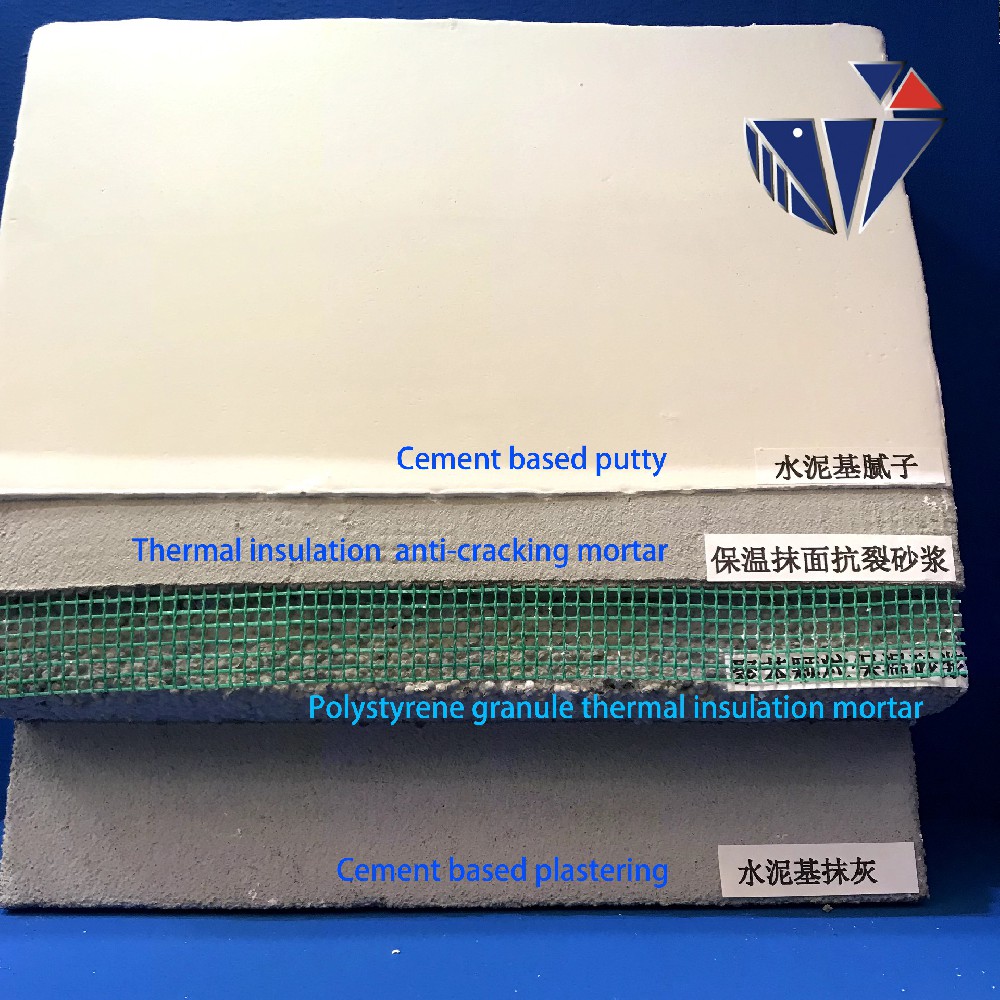
In the construction industry, HEC is used as a thickener and stabilizer in mortar, plaster, and paint formulations. Its ability to control water content and improve workability makes it an essential ingredient in these applications. It also acts as a retarder, slowing down the setting time of cement, allowing for extended workability periods.
In the pharmaceutical sector, HEC serves as a binder, disintegrant, and viscosity enhancer in tablet formulations
In the pharmaceutical sector, HEC serves as a binder, disintegrant, and viscosity enhancer in tablet formulations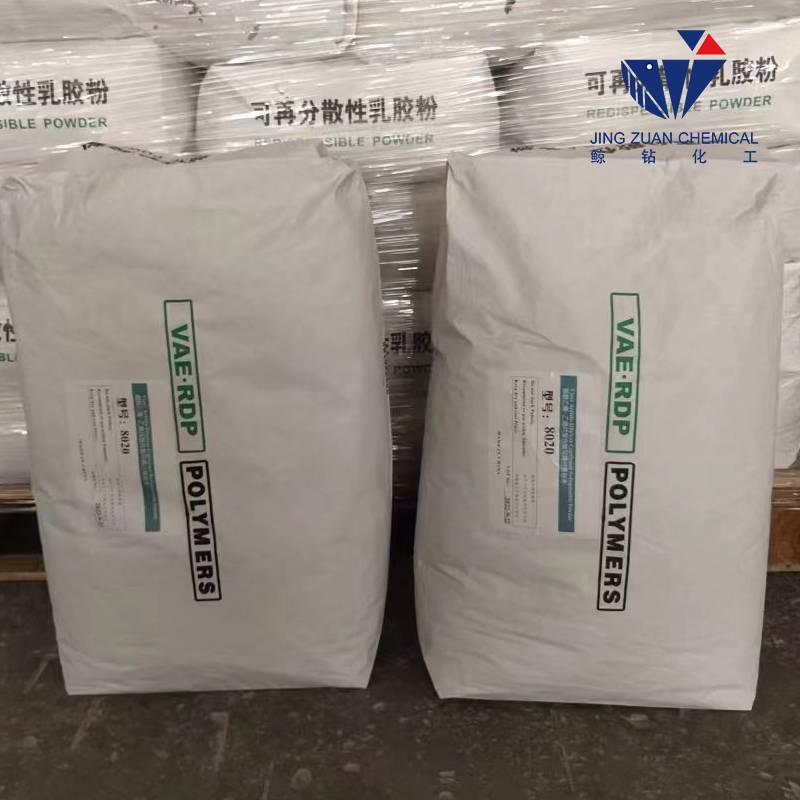 In the pharmaceutical sector, HEC serves as a binder, disintegrant, and viscosity enhancer in tablet formulations
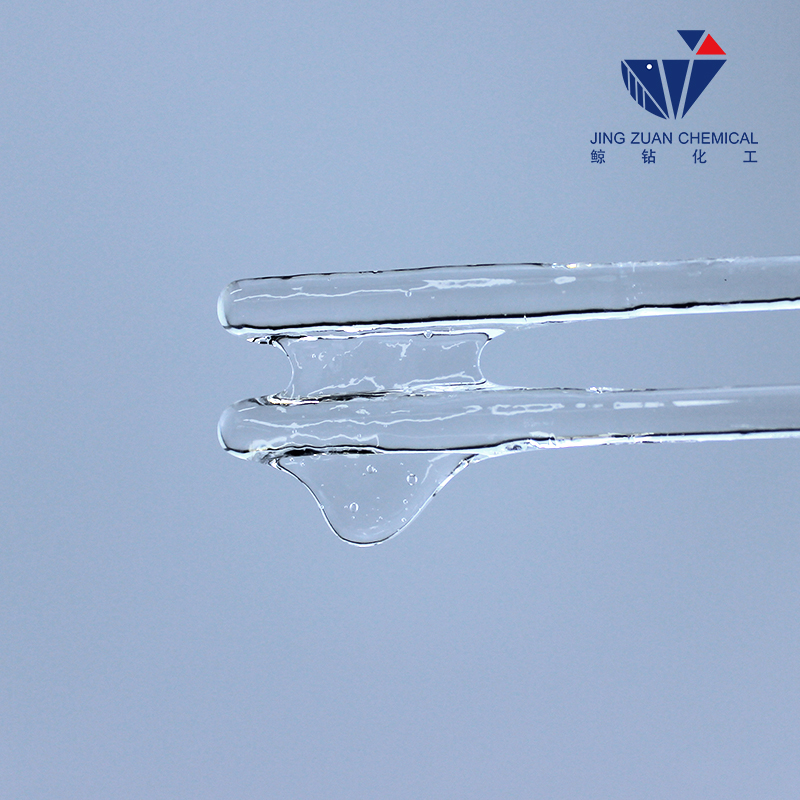
hydroxyéthyl cellulose. It is also used in ophthalmic solutions due to its non-irritating nature and ability to form gels.
The cosmetic industry harnesses HEC's emulsifying and thickening properties in lotions, shampoos, and toothpaste, providing a smooth texture and enhancing product stability. Additionally, it is used as a film-forming agent in hair and skin care products.
Furthermore, HEC finds application in the food industry as a food additive, primarily as a thickener and stabilizer in sauces, dressings, and ice cream. It is also used in the oil and gas industry for drilling fluids, helping to prevent well bore instability and improve fluid rheology.
In conclusion, hydroxyethyl cellulose, with its wide range of applications, showcases the potential of chemically modified natural polymers in modern technology. Its ability to adapt to different environments and fulfill diverse functions is a testament to the ingenuity of chemical engineering. As research continues, we can expect even more innovative uses of HEC in the future, further solidifying its position as a versatile and indispensable material in various industries.
In the pharmaceutical sector, HEC serves as a binder, disintegrant, and viscosity enhancer in tablet formulations
In the pharmaceutical sector, HEC serves as a binder, disintegrant, and viscosity enhancer in tablet formulationshydroxyéthyl cellulose. It is also used in ophthalmic solutions due to its non-irritating nature and ability to form gels.
The cosmetic industry harnesses HEC's emulsifying and thickening properties in lotions, shampoos, and toothpaste, providing a smooth texture and enhancing product stability. Additionally, it is used as a film-forming agent in hair and skin care products.
Furthermore, HEC finds application in the food industry as a food additive, primarily as a thickener and stabilizer in sauces, dressings, and ice cream. It is also used in the oil and gas industry for drilling fluids, helping to prevent well bore instability and improve fluid rheology.
In conclusion, hydroxyethyl cellulose, with its wide range of applications, showcases the potential of chemically modified natural polymers in modern technology. Its ability to adapt to different environments and fulfill diverse functions is a testament to the ingenuity of chemical engineering. As research continues, we can expect even more innovative uses of HEC in the future, further solidifying its position as a versatile and indispensable material in various industries.
In the pharmaceutical sector, HEC serves as a binder, disintegrant, and viscosity enhancer in tablet formulations
In the pharmaceutical sector, HEC serves as a binder, disintegrant, and viscosity enhancer in tablet formulationshydroxyéthyl cellulose. It is also used in ophthalmic solutions due to its non-irritating nature and ability to form gels.
The cosmetic industry harnesses HEC's emulsifying and thickening properties in lotions, shampoos, and toothpaste, providing a smooth texture and enhancing product stability. Additionally, it is used as a film-forming agent in hair and skin care products.
Furthermore, HEC finds application in the food industry as a food additive, primarily as a thickener and stabilizer in sauces, dressings, and ice cream. It is also used in the oil and gas industry for drilling fluids, helping to prevent well bore instability and improve fluid rheology.
In conclusion, hydroxyethyl cellulose, with its wide range of applications, showcases the potential of chemically modified natural polymers in modern technology. Its ability to adapt to different environments and fulfill diverse functions is a testament to the ingenuity of chemical engineering. As research continues, we can expect even more innovative uses of HEC in the future, further solidifying its position as a versatile and indispensable material in various industries. Latest news
-
Understanding Hydroxypropyl Methyl Cellulose MSDS Safety and Compliance
NewsApr.16,2026
-
Understanding the Hydroxypropyl Methyl Cellulose HS Code for Global Trade
NewsApr.09,2026
-
Comprehensive Guide to Hydroxypropyl Methyl Cellulose CAS Number and Applications
NewsApr.07,2026
-
Comprehensive Guide to Hydroxypropyl Methyl Cellulose cas no and its Diverse Applications
NewsApr.04,2026
-
Comprehensive Guide to Hydroxypropyl Methyl Cellulose Manufacturers and Applications
NewsMar.31,2026
-
Understanding Hydroxypropyl Methyl Cellulose Properties And Diverse Applications
NewsMar.28,2026
Related PRODUCTS