
Dec . 03, 2025 14:16 Back to list
Hydroxyethyl Cellulose Synthesis: Key Insights & Vendor Comparison
Understanding Hydroxyethyl Cellulose Synthesis
Having spent quite a few years in the industrial equipment sector, I’ve come across countless raw materials and chemical compounds that play a quiet but pivotal role—hydroxyethyl cellulose (HEC) is certainly one of them. Oddly enough, while it often flies under the radar, it’s a workhorse in many applications, from drilling fluids and adhesives to cosmetics and paints. If you deal with industrial polymers, you've probably heard about hydroxyethyl cellulose synthesis quite a bit.
Frankly, the process is more fascinating than most give it credit for. HEC is produced by the chemical modification of cellulose, the abundant natural polymer found in plants. The synthesis involves reacting cellulose with ethylene oxide under alkaline conditions, introducing hydroxyethyl groups that dramatically change its properties. This modification enhances water solubility and thickening ability, making it indispensable in formulations requiring rheological control.
I remember one project where a client was struggling with inconsistent viscosity in their paint formulations. Once they optimized the grade of hydroxyethyl cellulose used—based on molecular weight and degree of substitution—the performance stabilized nicely. It felt like a subtle craft, tuning the polymer structure to fit the job.
Key Product Specifications of Hydroxyethyl Cellulose
| Parameter | Typical Range | Remarks |
|---|---|---|
| Degree of Substitution (DS) | ~0.25 – 1.5 | Controls solubility and thickening |
| Molecular Weight | 50,000 – 2,000,000 Da | Influences viscosity |
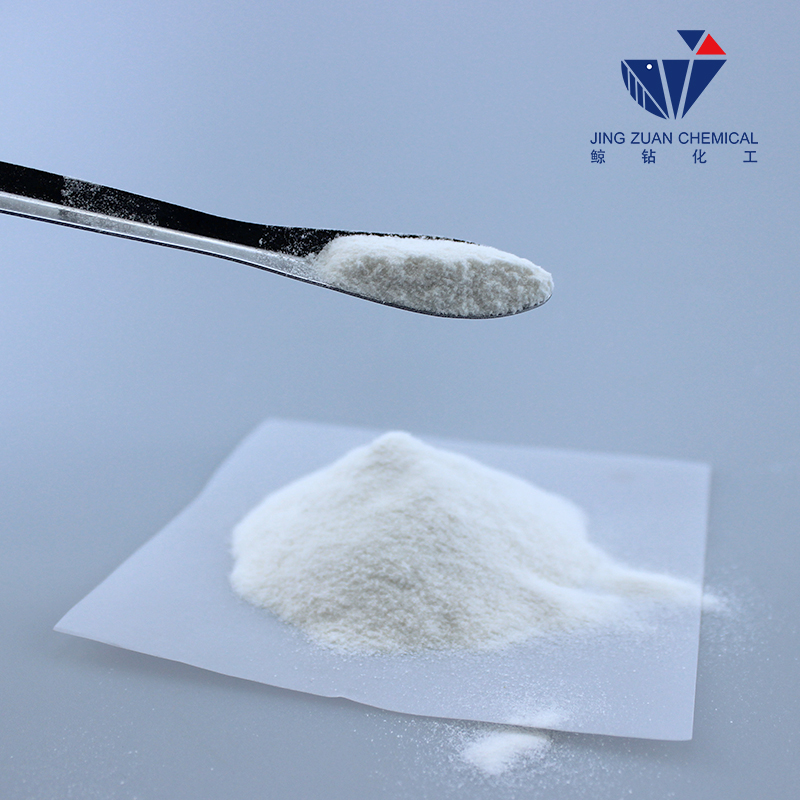
| Appearance | White to off-white powder | Typical commercial grade |
| pH (1% solution) | 5.0 – 8.5 | Neutral to slightly alkaline |
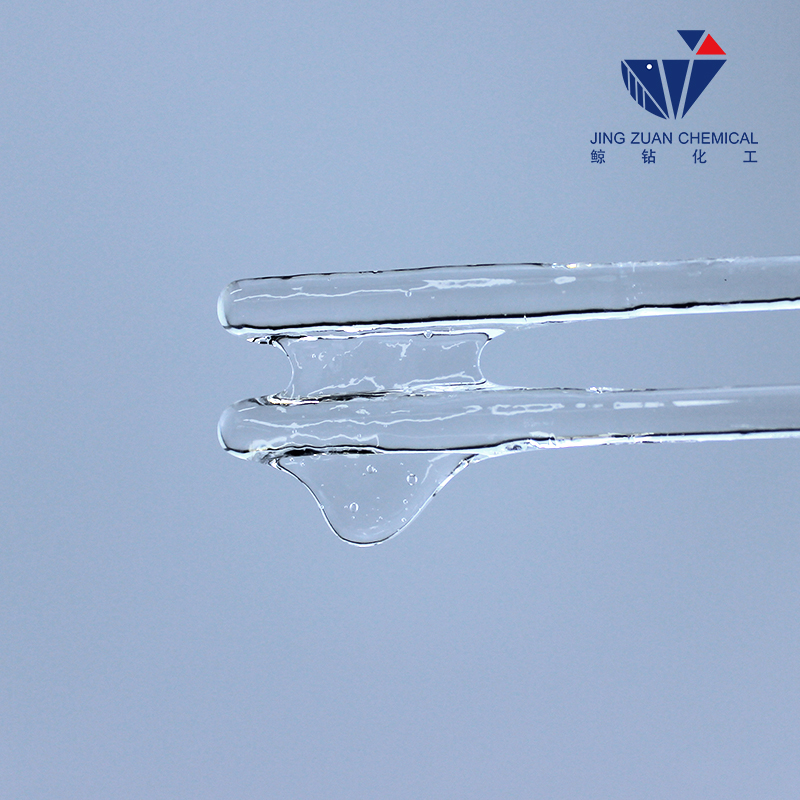
| Solubility | Cold water soluble | Key functional feature |
Now, beyond specs, what about sourcing? I suppose it’s easy to overlook vendor differences, but in reality, quality, consistency, and even trace contamination can vary—impacting your end-use product.
Vendor Comparison for Hydroxyethyl Cellulose
| Vendor | Molecular Weight Range | Degree of Substitution | Lead Time | Typical Applications |
|---|---|---|---|---|
| CNJZ Chemical | 50,000 – 1,500,000 Da | 0.3 – 1.3 | 1-2 weeks | Paints, adhesives, drilling fluids |
| Vendor B | 80,000 – 2,000,000 Da | 0.4 – 1.5 | 2-3 weeks | Cosmetics, construction |
| Vendor C | 60,000 – 800,000 Da | 0.25 – 1.0 | 3-4 weeks | Pharmaceutical, textile |
I personally find CNJZ Chemical's flexibility and lead time hard to beat. Their batch-to-batch consistency tends to align well with what I’ve seen in the field, particularly for projects demanding tight control of viscosity and solubility.
Of course, industrial chemistry is a blend of art and science. Testing is crucial — rheological analysis, molecular weight distribution, and impurity profiling all shape specification sheets and performance outcomes. If a supplier can share robust data and even samples, that’s a no-brainer.
So, the bottom line? Whether you’re specifying HEC for paints, drilling, or cosmetics, understanding its synthesis nuances along with vendor capabilities makes a huge difference. It feels like the sort of insight that elevates a good product to a great one.
In real terms, I’ve found that investing time upfront to pick the right hydroxyethyl cellulose supplier pays off in smoother operations and fewer formulation headaches down the line.
References:
1. “Hydroxyethyl Cellulose Properties and Applications” - Industrial Polymer Journal, 2021
2. CNJZ Chemical - Product Data Sheets and Technical Insights, 2023
3. Smith, J. “Cellulose Ethers in Industrial Use,” Chemical Reviews, 2019
-
Understanding Hydroxypropyl Methyl Cellulose MSDS Safety and Compliance
NewsApr.16,2026
-
Understanding the Hydroxypropyl Methyl Cellulose HS Code for Global Trade
NewsApr.09,2026
-
Comprehensive Guide to Hydroxypropyl Methyl Cellulose CAS Number and Applications
NewsApr.07,2026
-
Comprehensive Guide to Hydroxypropyl Methyl Cellulose cas no and its Diverse Applications
NewsApr.04,2026
-
Comprehensive Guide to Hydroxypropyl Methyl Cellulose Manufacturers and Applications
NewsMar.31,2026
-
Understanding Hydroxypropyl Methyl Cellulose Properties And Diverse Applications
NewsMar.28,2026