
Dec . 03, 2025 11:00 Back to list
Hydroxyethyl Cellulose Thickener: Definition, Applications, and Future Trends
Understanding Hydroxyethyl Cellulose Thickener: A Global Industry Essential
Hydroxyethyl cellulose thickener is one of those subtle but absolutely vital materials you find behind a million everyday products—from personal care to construction. Oddly enough, despite being ubiquitous, it often flies under the radar except in technical circles. But its global relevance can’t be overstated: it’s a game-changer in improving product texture, stability, and environmental sustainability. Whether you work in coatings formulations or humanitarian manufacturing, understanding this chemical’s role could unlock value you didn’t expect.
Introduction: Why Hydroxyethyl Cellulose Thickener Matters Globally
The world market for cellulose derivatives, including hydroxyethyl cellulose (HEC), is growing steadily, with estimated valuations hitting over $880 million as of recent reports (source: Statista). Industries from paints and adhesives to cosmetics and pharmaceuticals rely on it heavily. The demand is partly driven by an increasing need for water-soluble, biodegradable thickeners that offer both performance and eco-friendliness.
One key challenge, especially in developing regions or disaster relief scenarios, is formulating products that are stable, safe, and affordable without heavy reliance on petrochemical-based thickeners. Hydroxyethyl cellulose thickener addresses some of these concerns quite effectively. Its ability to stabilize products while being water-based and non-toxic fits into both environmental needs and regulatory pressures worldwide (hydroxyethyl cellulose thickener is exemplary here).
Definition & Meaning: What Exactly Is Hydroxyethyl Cellulose Thickener?
Imagine a natural polymer modified to become water-soluble with remarkable thickening properties—that’s hydroxyethyl cellulose in a nutshell. It’s derived from cellulose, the main structural component of plant cell walls, but chemically modified by adding hydroxyethyl groups. This changes its solubility and viscosity behavior.
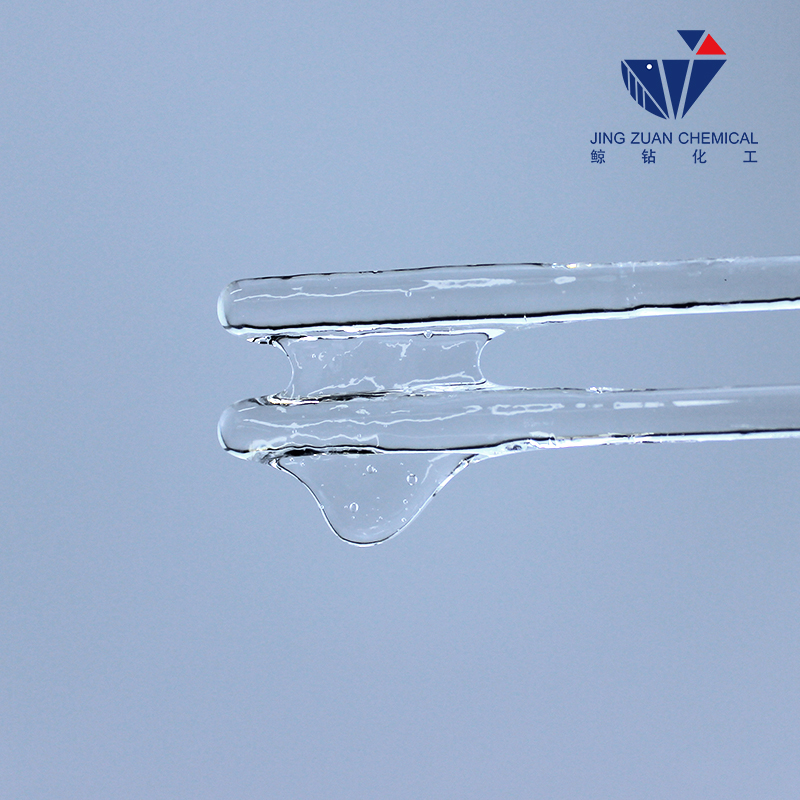
Put simply, it’s a safe, non-ionic thickener that helps turn liquids into gels or pastes. Commonly, this means you get smooth lotions, stable paint formulations, or adhesives that won’t drip or separate easily. It’s extensively used where the product must be water-based, biodegradable, and free from heavy metals or solvents, linking it closely to modern sustainability and humanitarian applications.
Key Aspects of Hydroxyethyl Cellulose Thickener
1. Viscosity Control
The viscosity—or thickness—is the whole point here. HEC offers tunable viscosity ranging from light syrups to heavy gels depending on concentration and molecular weight. That control is crucial for tailoring products across industries.
2. Water Retention
Hydroxyethyl cellulose is excellent at holding water, which both stabilizes emulsions and prevents drying out. In cosmetics, this means creams stay hydrated longer. In construction, it ensures mortar or plaster holds together well.
3. Compatibility & Stability
Because it’s non-ionic, HEC generally plays well with other ingredients, whether surfactants, salts, or pigments. This stability under wide pH and temperature ranges makes it versatile.
4. Biodegradability & Safety
Many users today demand green chemistry solutions, and HEC fits the bill as a biodegradable, non-toxic thickener approved by various health and environmental agencies (ISO certified manufacturing is common).
5. Scalability & Cost Efficiency
The production of hydroxyethyl cellulose thickener is well-established and scalable, keeping costs competitive compared to synthetic alternatives. This makes it accessible not only to multinational corporations but smaller manufacturers globally.
Product Specification Table: Typical Hydroxyethyl Cellulose Grades
| Specification | Low Viscosity Grade | Medium Viscosity Grade | High Viscosity Grade |
|---|---|---|---|
| Viscosity (2% in water, cps) | 100-200 | 500-1000 | 2500-5000 |
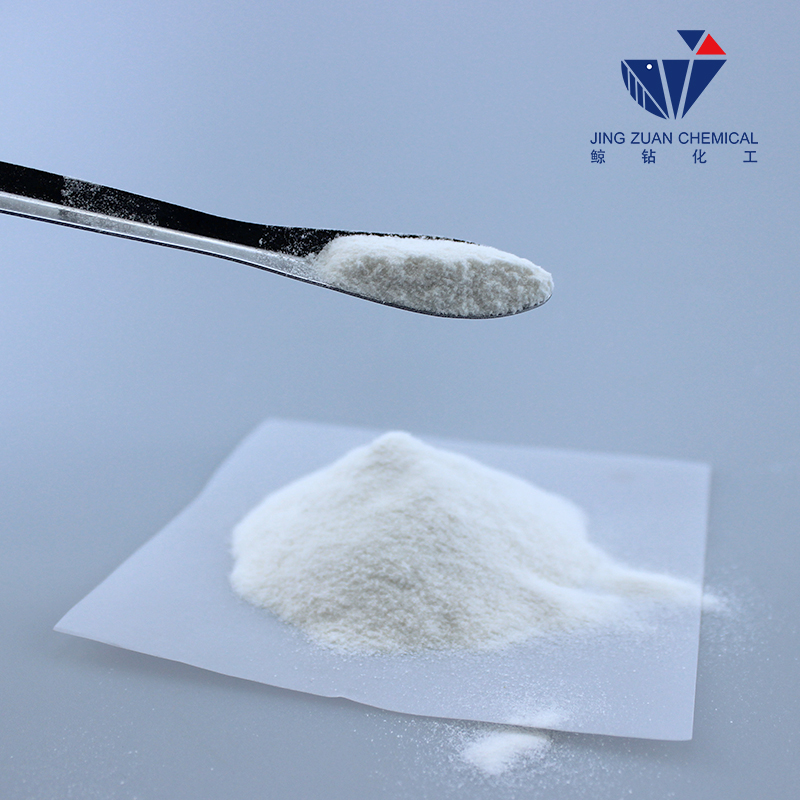
| Appearance | White powder | White powder | White powder |
| pH Range (1% solution) | 5–8 | 5–8 | 5–8 |
| Solubility | Water soluble | Water soluble | Water soluble |
Global Applications & Use Cases
- Cosmetics and Personal Care: From shampoos to lotions, hydroxyethyl cellulose thickener ensures smooth texture and stability, especially in products striving for “green” formulations.
- Paints & Coatings: Its water retention and thickening ability help produce eco-friendlier paints that dry evenly without harmful solvents.
- Pharmaceuticals: Used in controlled release formulas and topical gels, supporting safe and reproducible medication delivery.
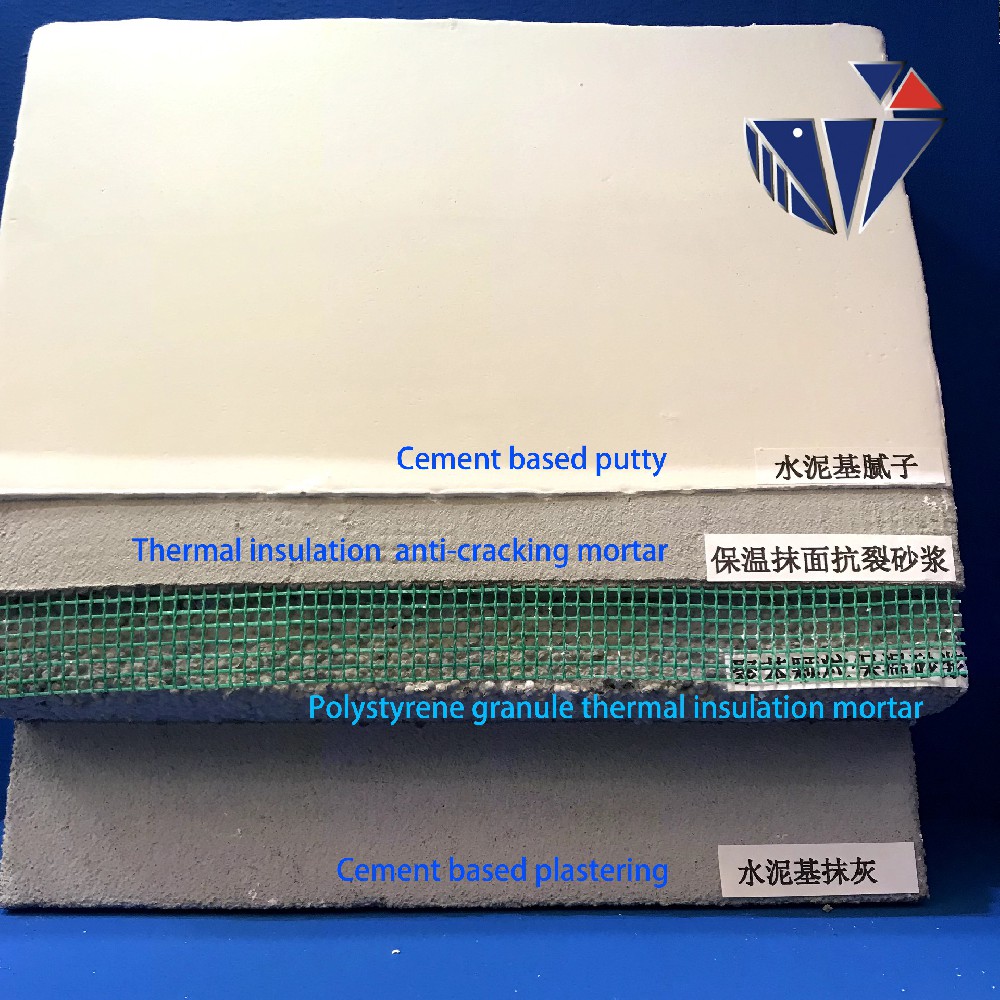
- Construction: In tile adhesives and cement mortars, it improves workability and bonding, vital in both industrialized and developing regions.
- Disaster Relief & Humanitarian Use: Its non-toxic, water-based nature makes it a trusted ingredient in emergency hygiene products, wound care gels, and makeshift coatings in remote or devastated areas (hydroxyethyl cellulose thickener often comes into play here).
For example, in Southeast Asia’s monsoon-prone zones, grout mixtures including HEC maintain performance even under extreme humidity. NGOs have noted how HEC-based gels for wound care resist drying, assisting patients where refrigeration is unavailable.
Vendor Comparison Table: Leading Hydroxyethyl Cellulose Suppliers
| Supplier | Grade Range | Global Reach | Price Competitiveness | Sustainability Focus |
|---|---|---|---|---|
| Supplier A | Low - High viscosity | Global (Americas, Europe, Asia) | Moderate | High (ISO 14001 certified) |
| Supplier B | Medium - Ultra-high viscosity | Focused in Asia-Pacific | Competitive | Medium (in-process improvements) |
| Supplier C | Broad grade spectrum | Europe and North America | Premium | Very High (Full lifecycle analysis) |
Advantages & Long-Term Value
From a practical standpoint, hydroxyethyl cellulose thickener brings reliability and safety — the kind that keeps cosmetic products stable on drugstore shelves or adhesives consistent on job sites worldwide. Then there’s the sustainability factor, which frankly, is becoming non-negotiable. Its biodegradability means less environmental burden, aligning with global ISO and UN sustainability goals.
And don’t underestimate the emotional angle here: consumers trust brands that use safer, greener materials. For manufacturers, that translates to brand loyalty and market advantage, something manufacturers in fast-evolving sectors value deeply.
Future Trends & Innovations
Looking ahead, innovation in hydroxyethyl cellulose thickener involves greener production methods, often leveraging bio-refinery waste streams. Digital transformation means more precise molecular tailoring, optimizing viscosity profiles for ultra-specific uses. Plus, with automation in production, consistency is improving, cutting batch-to-batch variability.
Sustainability will keep driving research, linking hydroxyethyl cellulose thickener with circular economy concepts and perhaps even new hybrid biomaterials. Frankly, it feels like the story of this chemical is just getting started.
Challenges & Solutions
Of course, no product is perfect. One recurring challenge is sensitivity to extreme pH or high salt environments, which can reduce thickening action. Also, sometimes the water solubility means drying products can form films or become brittle unless carefully balanced.
Experts recommend combining HEC with other polymers or additives—for example, hydroxyethyl cellulose thickener blends with xanthan gum or synthetic thickeners—to overcome limitations in harsh conditions. Continuous R&D and field testing remain essential, especially for novel applications.
FAQ: Frequently Asked Questions About Hydroxyethyl Cellulose Thickener
- Q: Can hydroxyethyl cellulose thickener be used in cold-water applications?
A: Yes, HEC dissolves easily in cold water, making it ideal for fast mixing processes, though dissolution time depends on grade viscosity. - Q: How long does it take for products with HEC to stabilize?
A: Typically, formulations stabilize within hours, but it can vary depending on formula complexity and environmental conditions. - Q: Is hydroxyethyl cellulose thickener safe for sensitive skin products?
A: Absolutely, it is non-irritating and widely used in cosmetics for sensitive skin, supported by numerous dermatological studies. - Q: What storage conditions are best for HEC powders?
A: Store in cool, dry places away from moisture to prevent caking and preserve flow properties.
Conclusion: Why Investing in Hydroxyethyl Cellulose Thickener Matters
In real terms, this humble polymer thickener has quietly shaped industries, pushing forward sustainability without sacrificing performance. Understanding it unlocks innovation for manufacturers, formulators, and even humanitarian workers who seek reliable, cost-effective, and green solutions. For those interested, visiting our website offers deeper insights and product support for all your hydroxyethyl cellulose thickener needs.
And honestly, as regulators tighten and consumers demand transparency, materials like hydroxyethyl cellulose will only become more vital. It’s a fascinating mix of chemistry meeting real-world demands — I find it a pretty encouraging story.
Mini takeaway: Hydroxyethyl cellulose thickener is more than just an additive; it’s a cornerstone of sustainable, high-performance manufacturing worldwide, blending science with global responsibility.
References:
1. Wikipedia - Hydroxyethyl Cellulose
2. ISO Standards for Cellulose Derivatives
3. United Nations Sustainable Development Goals
-
Understanding Hydroxypropyl Methyl Cellulose MSDS Safety and Compliance
NewsApr.16,2026
-
Understanding the Hydroxypropyl Methyl Cellulose HS Code for Global Trade
NewsApr.09,2026
-
Comprehensive Guide to Hydroxypropyl Methyl Cellulose CAS Number and Applications
NewsApr.07,2026
-
Comprehensive Guide to Hydroxypropyl Methyl Cellulose cas no and its Diverse Applications
NewsApr.04,2026
-
Comprehensive Guide to Hydroxypropyl Methyl Cellulose Manufacturers and Applications
NewsMar.31,2026
-
Understanding Hydroxypropyl Methyl Cellulose Properties And Diverse Applications
NewsMar.28,2026