
Nov . 02, 2024 04:27 Back to list
hydroxyethyl cellulose cas no
Hydroxyethyl Cellulose An Overview
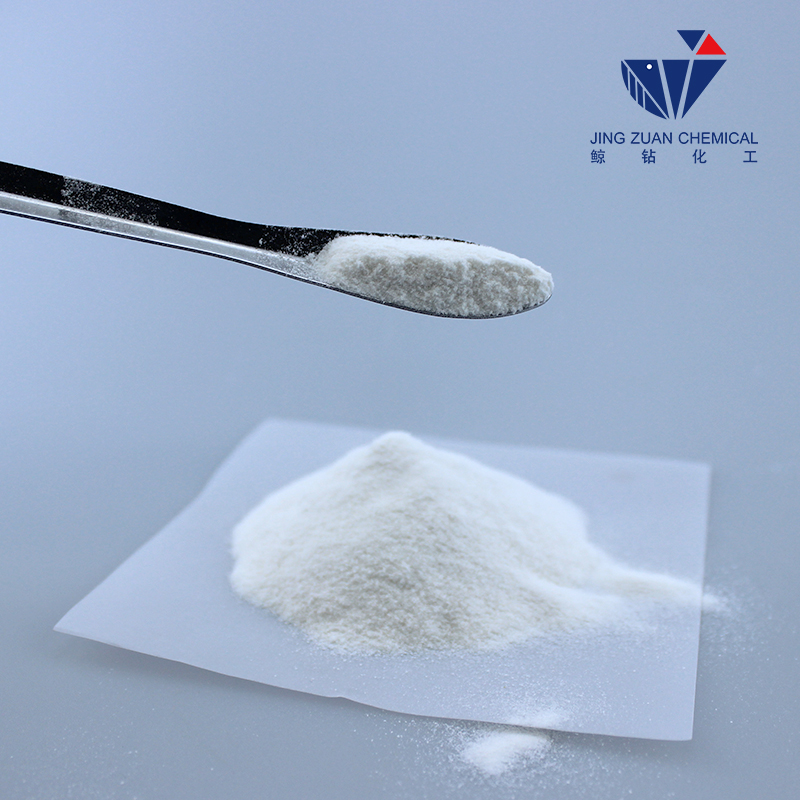
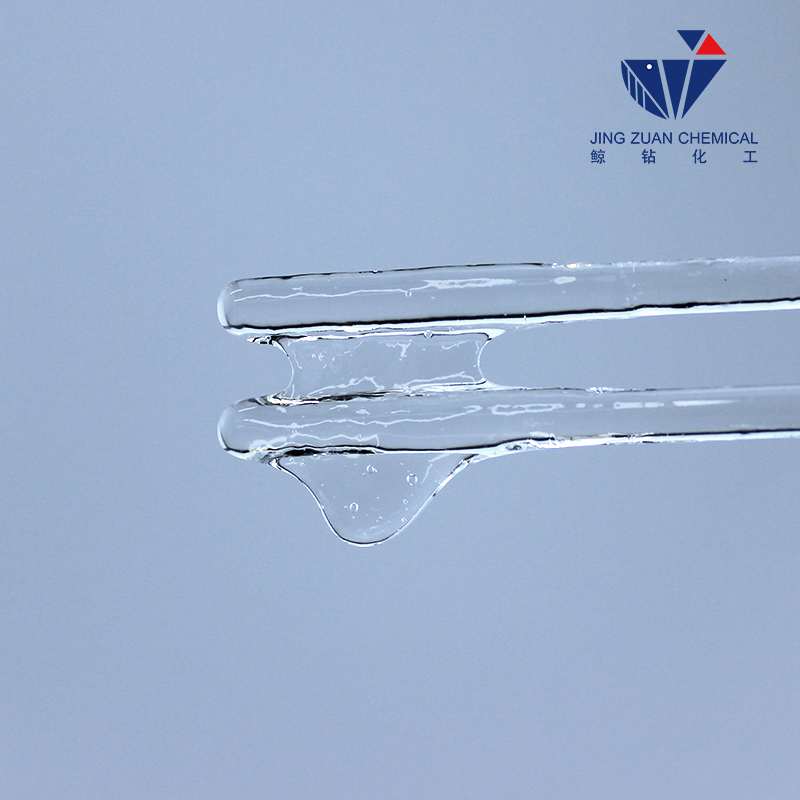
Hydroxyethyl cellulose (HEC) is a non-ionic cellulose ether that has gained prominence in various industries due to its versatile properties. Known by its CAS number 9004-62-0, HEC is derived from natural cellulose, a polymer found in the cell walls of plants. Through a chemical process called etherification, hydroxyl groups of cellulose molecules are reacted with ethylene oxide, resulting in the formation of hydroxyethyl groups. This modification significantly alters the physical and chemical properties of cellulose, making it suitable for a wide range of applications.
Hydroxyethyl Cellulose An Overview
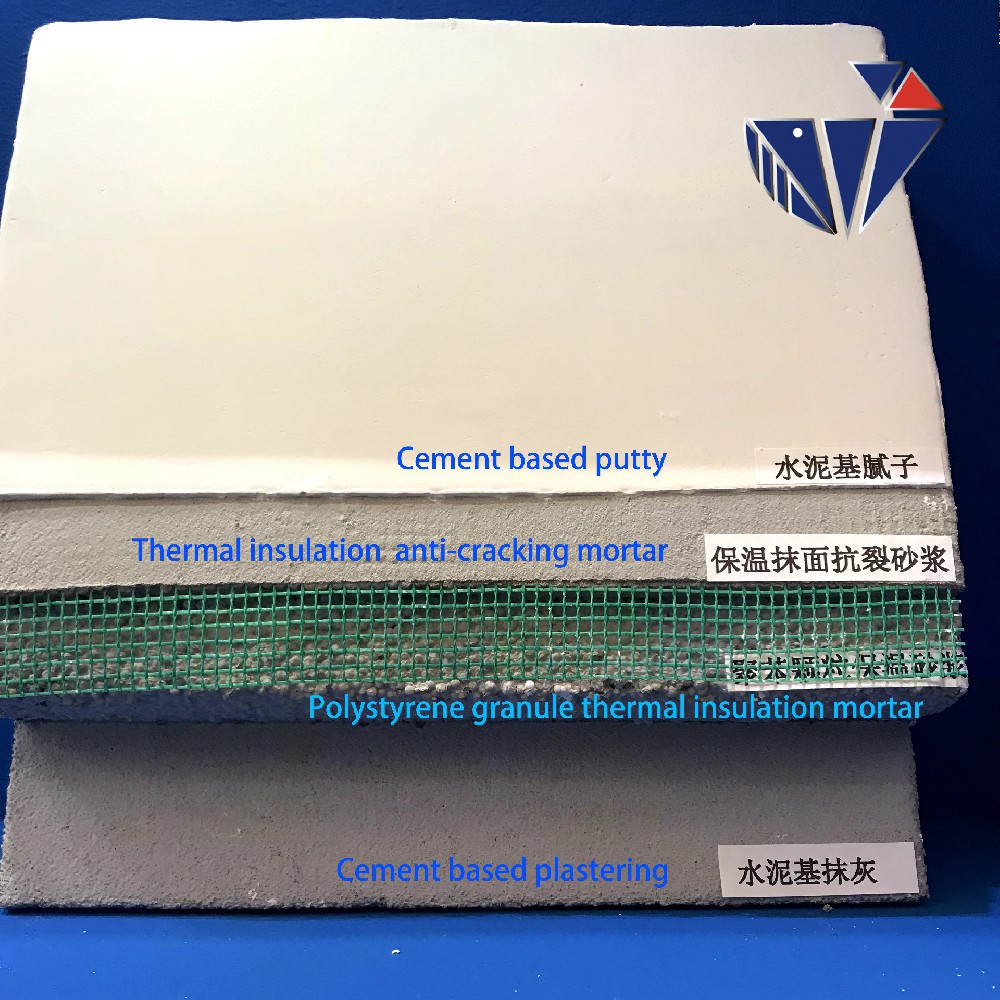
In addition to its use in personal care products, HEC has found its niche in the construction industry. It is often incorporated into tile adhesives, paints, and other construction materials to improve workability and adhesion. The thickening properties of HEC allow for better control over the application of these materials, providing enhanced performance and durability. Furthermore, its ability to retain water improves the hydration of cementitious mixtures, contributing to better curing and strength development.
hydroxyethyl cellulose cas no

Another area where HEC excels is in the pharmaceutical industry. It is utilized as a binder and thickener in drug formulations, ensuring consistent viscosity and improving the bioavailability of active pharmaceutical ingredients. HEC is also compatible with a variety of other excipients, making it a preferred choice in the development of oral, topical, and injectable drug forms.
The food industry has also recognized the potential of hydroxyethyl cellulose. It serves as a food additive, offering thickening and stabilizing properties that enhance the texture of various products, including sauces, dressings, and dairy items. As consumers demand cleaner labels and natural ingredients, HEC stands out as a plant-derived option, aligning with the shift towards healthier, more sustainable food choices.
Environmental considerations are becoming increasingly important in manufacturing processes. Hydroxyethyl cellulose is biodegradable and non-toxic, making it a favorable alternative to synthetic polymers that pose environmental challenges. Many industries are gravitating towards green chemistry practices, and HEC's natural origin aligns well with these sustainable initiatives.
In summary, hydroxyethyl cellulose (HEC), with its CAS number 9004-62-0, is a multifunctional polymer that has carved a niche across diverse sectors. Its water-solubility, thickening ability, and non-toxic nature make it a key ingredient in cosmetics, construction materials, pharmaceuticals, and food products. As industries continue to innovate and seek sustainable solutions, HEC is likely to remain a valuable component due to its versatility and environmental friendliness.
-
Exploring the Versatile Hydroxypropyl Methylcellulose Uses in Industry
NewsJul.01,2026
-
Industrial Applications and Properties of Hydroxy Methyl Cellulose
NewsJun.29,2026
-
Optimize EIFS Performance with Hydroxypropyl Methyl Cellulose
NewsJun.27,2026
-
Understanding HPMC Synthesis and High Performance Polymers
NewsJun.26,2026
-
Guide to Optimizing HPMC Solubility in Cold Water for Industry
NewsJun.25,2026
-
Understanding the Current Hydroxyethyl Cellulose Price per kg
NewsJun.23,2026