
Sep . 05, 2024 01:15 Back to list
High-Quality Hydroxypropyl Methyl Cellulose Manufacturer | HPMC Solutions
Hydroxypropyl Methyl Cellulose A Key Ingredient from Leading Manufacturers
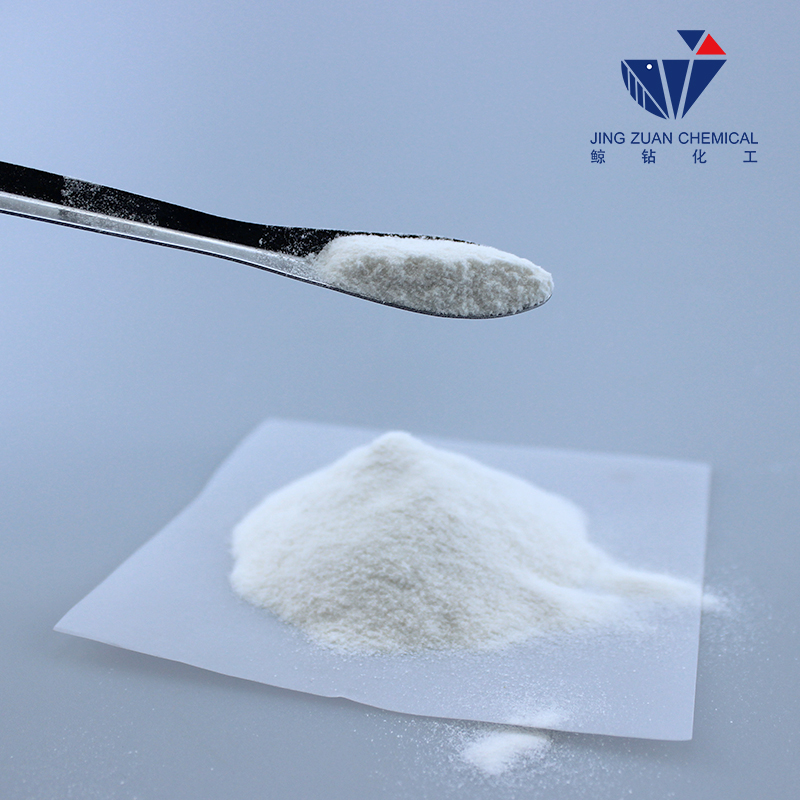
Hydroxypropyl Methyl Cellulose (HPMC) is a versatile cellulose ether that has gained immense popularity across various industries, including pharmaceuticals, food, construction, and cosmetics
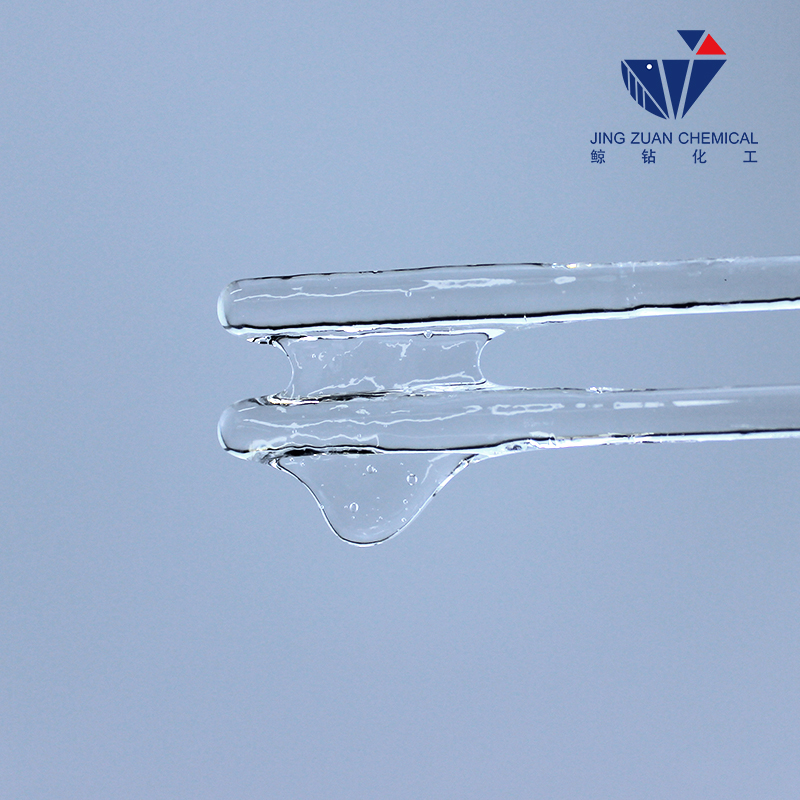
. As a manufacturer of HPMC, companies are continually innovating and improving their production methods to meet the growing demand for this multifunctional polymer.HPMC is synthesized through the chemical modification of cellulose, a natural polymer derived from plant fibers. The manufacturing process involves treating cellulose with propylene oxide and methyl chloride, resulting in a product that dissolves in cold water and is non-ionic in nature. One of the significant advantages of HPMC is its ability to form stable solutions and gels, making it an essential ingredient in a wide range of applications.
In the pharmaceutical industry, HPMC plays a crucial role as an excipient in drug formulations. It is used as a binding agent in tablets, a thickening agent in suspensions, and a film-forming agent in coatings. Its biocompatibility and controlled release properties enhance drug delivery systems, making it a preferred choice among pharmaceutical manufacturers.
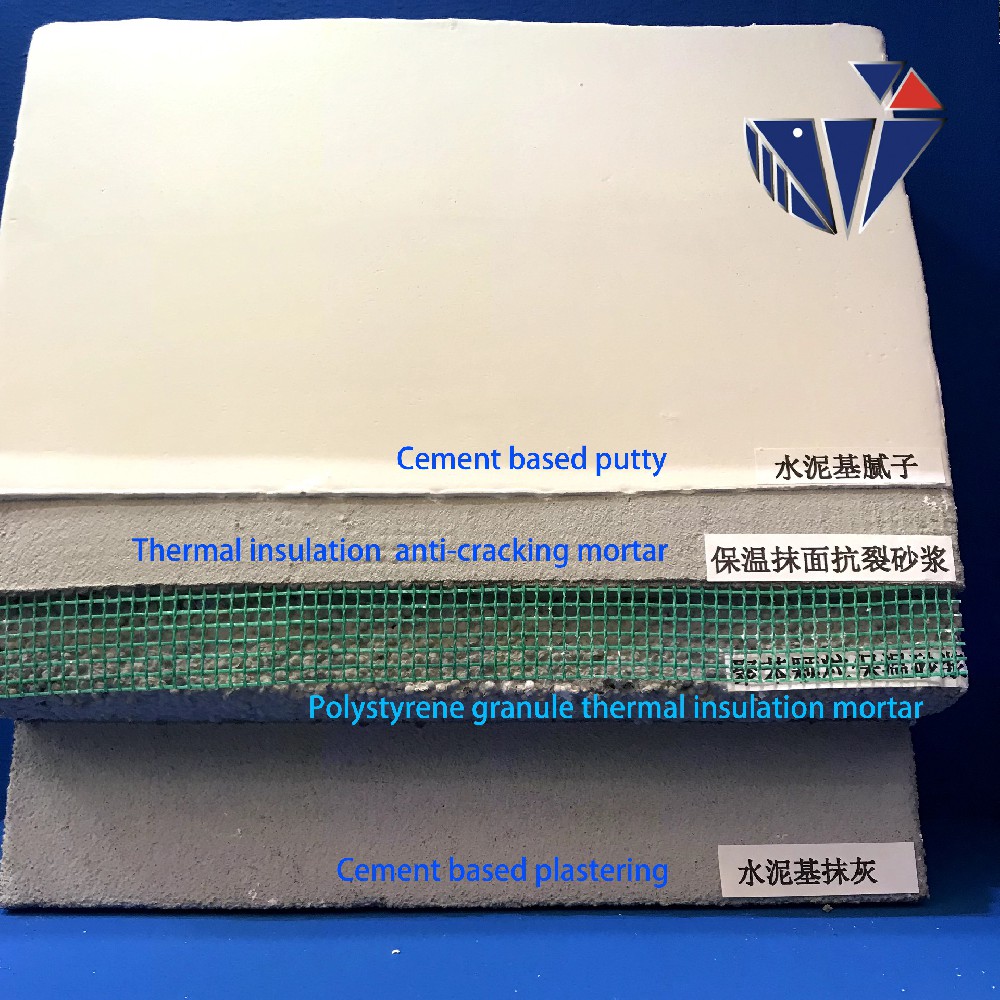
The construction sector also benefits significantly from HPMC. It is commonly used as a water-retaining agent in cement-based products like mortars and plasters. HPMC improves workability and adhesion while preventing crack formation, thus ensuring the durability of construction materials. Additionally, it enhances the performance of tile adhesives and joint compounds, leading to better results for builders and contractors.
hydroxypropyl methyl cellulose manufacturer
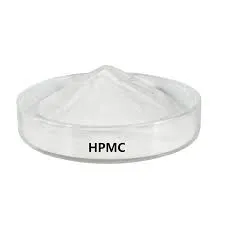
In the food industry, HPMC serves as a thickener, stabilizer, and emulsifier. It helps improve the texture and shelf-life of food products, making it a valuable ingredient in sauces, dressings, and desserts. Furthermore, its low-calorie content and plant-based origin appeal to health-conscious consumers seeking clean-label options.
The cosmetic sector utilizes HPMC for its thickening and film-forming properties, benefiting products such as lotions, shampoos, and gels. Its ability to provide a smooth texture and enhance product stability makes it a favorite among cosmetic formulators.
As the demand for HPMC continues to rise, manufacturers are committed to delivering high-quality products that meet the specific needs of various industries. With ongoing research and development efforts, the future of hydroxypropyl methyl cellulose looks promising, solidifying its position as an essential ingredient across diverse applications.
In conclusion, HPMC is an invaluable product provided by leading manufacturers, playing a critical role in enhancing the quality and performance of numerous end-products across multiple sectors.
-
Understanding Hydroxypropyl Methyl Cellulose MSDS Safety and Compliance
NewsApr.16,2026
-
Understanding the Hydroxypropyl Methyl Cellulose HS Code for Global Trade
NewsApr.09,2026
-
Comprehensive Guide to Hydroxypropyl Methyl Cellulose CAS Number and Applications
NewsApr.07,2026
-
Comprehensive Guide to Hydroxypropyl Methyl Cellulose cas no and its Diverse Applications
NewsApr.04,2026
-
Comprehensive Guide to Hydroxypropyl Methyl Cellulose Manufacturers and Applications
NewsMar.31,2026
-
Understanding Hydroxypropyl Methyl Cellulose Properties And Diverse Applications
NewsMar.28,2026