
Dec . 02, 2025 13:55 Back to list
Hydroxypropyl Methylcellulose HPMC Powder: Versatile & Sustainable Material for Modern Industry
Understanding Hydroxypropyl Methylcellulose (HPMC) Powder: Key to Modern Industry and Sustainability
Hydroxypropyl methylcellulose hpmc powder – it’s a mouthful, no doubt – but it’s also an incredibly versatile ingredient quietly shaping many industries worldwide. From construction materials to pharmaceuticals, this cellulose derivative has become a cornerstone for innovation and sustainability. Globally, understanding hydroxypropyl methylcellulose hpmc powder opens doors to more efficient, durable, and eco-friendly products, addressing growing demands to balance cost, performance, and environmental responsibility.
Why It Matters Globally
According to ISO standards and multiple UN environmental reports, the need for biodegradable, safe, and multi-functional additives in manufacturing is rising fast. Industries worldwide are challenged by stricter regulations and consumer demand for greener solutions. The hydroxypropyl methylcellulose powder steps right into that gap — offering a non-toxic, water-soluble polymer that enhances product longevity while reducing harmful additives.
Notably, the World Bank highlights sustainable industrial growth as crucial to economic development, and materials like HPMC are pivotal in that transformation. From fiber cement boards in emerging construction economies to food packaging and drug delivery systems, this powder’s influence is far-reaching.
Defining Hydroxypropyl Methylcellulose HPMC Powder
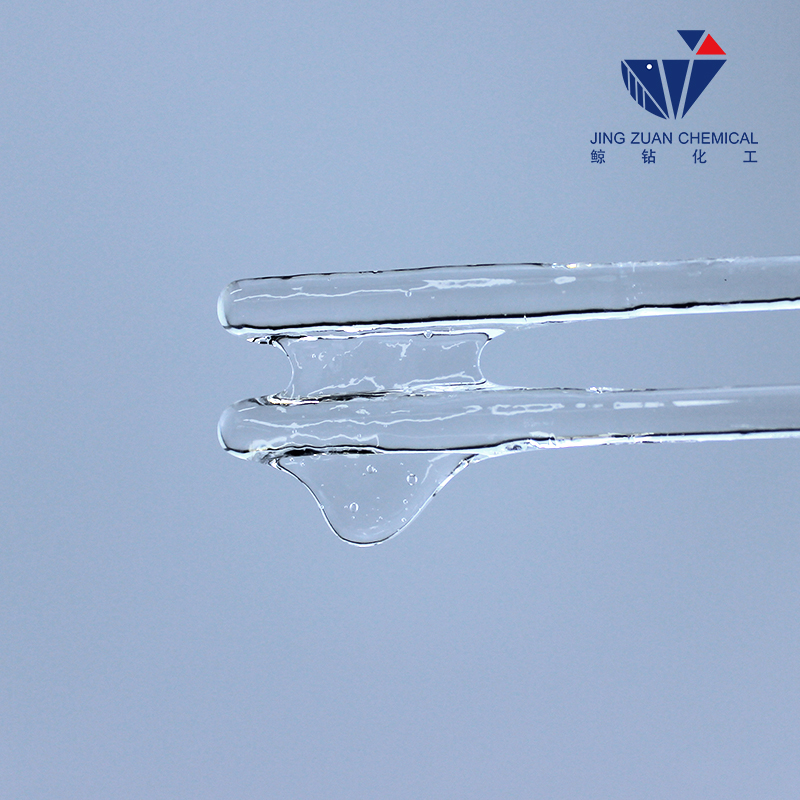
So what exactly is hydroxypropyl methylcellulose powder? Simply put, it’s a chemically modified cellulose ether derived from plant fibers. It dissolves in cold water to form clear, viscous solutions and acts as a binder, thickener, film former, and stabilizer in numerous formulations.
Think of it like nature’s Swiss Army knife for manufacturers — functional, biodegradable, and adaptable to various industrial and humanitarian needs. In construction, this means better workability and moisture retention for mortars. In pharmaceuticals, it slows release of active ingredients, enhancing efficacy and patient safety.
Key Factors Behind HPMC’s Popularity
1. Functional Versatility
Whether you’re making paints, adhesives, or tablets, HPMC adjusts viscosity and stability. Its ability to perform multiple roles minimizes the need for extra chemicals — a big plus for reducing complexity.
2. Sustainability
Compared to synthetic polymers, HPMC is biodegradable and sourced from renewable cellulose. This aligns with industry goals to cut down on plastic waste and carbon footprints.
3. Safety Profile
It’s approved by regulatory bodies like the FDA and EFSA for use in food and pharmaceuticals, meaning it’s non-toxic and hypoallergenic — crucial when people’s health is on the line.
4. Cost Effectiveness
Despite these benefits, HPMC remains competitively priced, thanks to mature production technologies and abundant raw materials.
5. Ease of Use
Its solubility in cold water and tolerance to heat make it easy to incorporate in manufacturing processes, lowering production hurdles.
Basic Product Specifications
| Property | Typical Value | Unit |
|---|---|---|
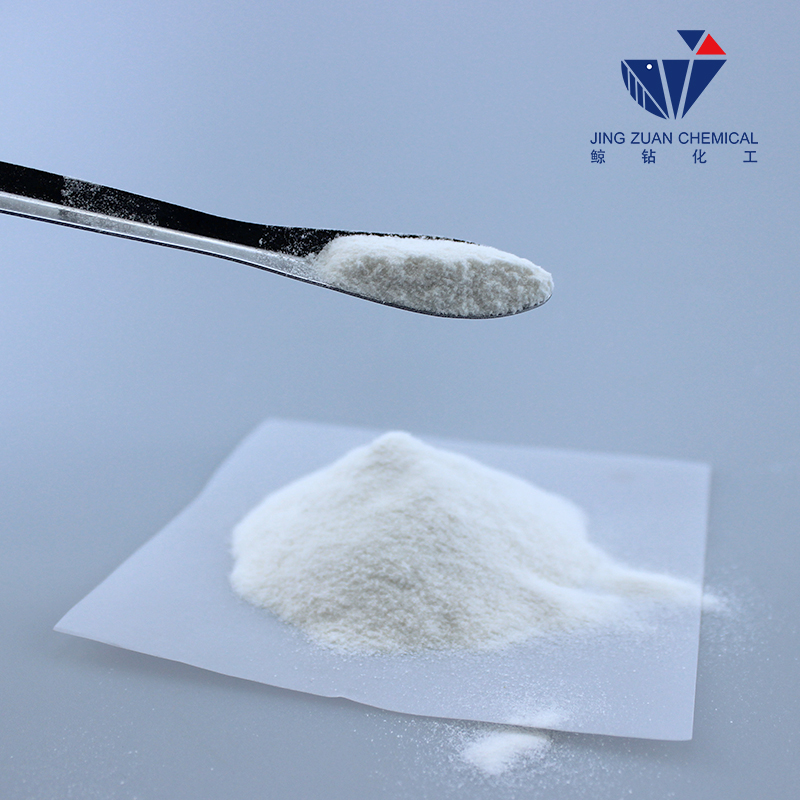
| Appearance | White or light yellow powder | - |
| Methoxy content | 19–24 | % |
| Hydroxypropyl content | 4–12 | % |
| Viscosity (2% solution, 20°C) | 30–3000 | mPa·s |
| pH (2% solution) | 5.0–8.0 | - |
Global Applications and Use Cases
Where don’t you find hydroxypropyl methylcellulose powder these days? From Asia’s booming pharmaceutical sectors to Europe’s sustainable packaging startups, the material’s adaptability stands out.
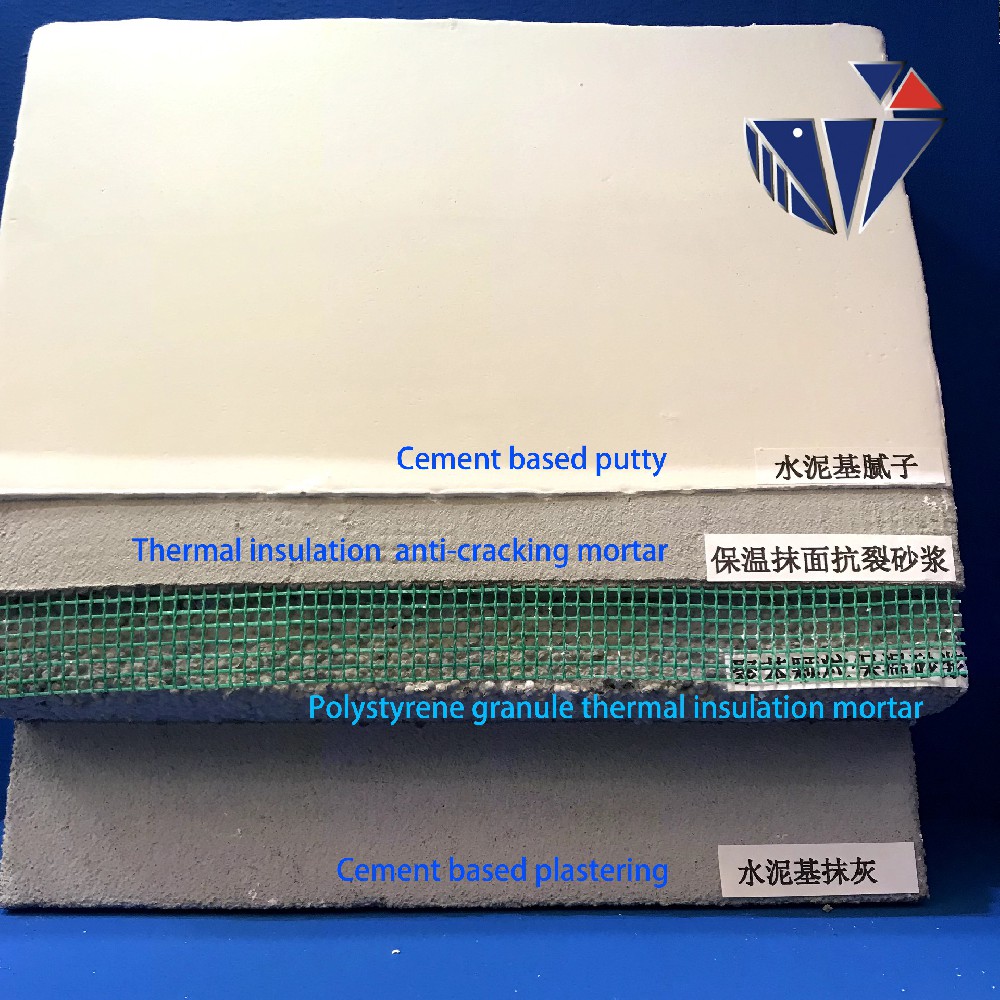
- Construction: Improves workability and water retention in tile adhesives and cement-based materials, crucial in high humidity climates.
- Pharmaceuticals: Acts as a binder and control-release agent in tablets and capsules globally.
- Food Industry: Used as a thickener and stabilizer, especially in low-fat and gluten-free products.
- Cosmetics: Adds texture and moisture retention in lotions and gels, often replacing synthetic polymers.
- Disaster Relief: NGOs use HPMC in quickly formulated stabilizers for emergency food and shelter materials, especially in remote or resource-limited zones.
Take the post-earthquake reconstruction in some Southeast Asian countries — hydroxypropyl methylcellulose enabled the production of stronger, more durable building materials locally, cutting logistics costs and empowering communities.
Vendor Comparison: Popular HPMC Sources
| Vendor | Viscosity Range (mPa·s) | Price per Ton (USD) | Sustainability Certification |
|---|---|---|---|
| CNJZ Chemical | 30–3000 | $1,500–$2,300 | ISO 14001, FSC |
| Dow Chemical | 50–2000 | $1,800–$2,500 | ISO 9001, Good Manufacturing Practices (GMP) |
| Ashland Inc. | 100–2500 | $1,600–$2,400 | ISO 9001, REACH Compliant |
Advantages & Long-Term Value
Now, why do so many companies keep turning to hydroxypropyl methylcellulose powder? Frankly, its benefits blend the logical and emotional. Cost-wise, it reduces waste, improves product quality, and helps extend shelf life — which saves money and headaches in production cycles.
Socially and environmentally, using HPMC signals corporate responsibility, helping brands build trust in an eco-conscious market. For users, it means safer, more stable medications, better food textures, and building materials that stand the test of time — a small but powerful way of delivering dignity and security.
Looking Ahead: Trends & Innovations
Innovation doesn’t stop with HPMC’s current uses. Research into green chemistry aims to optimize production using less energy and water. Digital process controls are making viscosity management more precise, allowing bespoke formulations. In sustainability circles, HPMC is looked upon as a key player in replacing synthetic polymers prone to pollution.
Emerging sectors like 3D printing and bioplastics are investigating HPMC powder’s potential as a printable binder or biodegradable matrix. It’s an exciting horizon where old materials meet new tech.
Challenges & Practical Solutions
Of course, no material is perfect. One challenge with hydroxypropyl methylcellulose is that in very high humidity or wet environments, it can lose some mechanical strength. Also, batch-to-batch viscosity variations sometimes require re-calibration in manufacturing lines.
Experts suggest blending HPMC with other cellulose or polymer derivatives to fine-tune performance. Newer, more consistent synthesis methods and rigorous QC also help keep formulations stable. Overall, a little care goes a long way.
FAQ: Frequently Asked Questions About Hydroxypropyl Methylcellulose HPMC Powder
- Q: Is hydroxypropyl methylcellulose powder safe for food applications?
A: Yes, it is widely approved by the FDA and EFSA as a food additive, where it functions as a thickening and stabilizing agent. It is non-toxic and biodegradable. - Q: Can HPMC powder be used in cold water formulations?
A: Absolutely. Unlike some cellulose ethers, HPMC is soluble in cold water and forms clear gels, making it valuable for instant products. - Q: How does HPMC improve tile adhesive properties?
A: It enhances water retention, viscosity, and adhesion, allowing tile adhesives to set evenly and resist cracking, especially important in humid climates. - Q: Are there eco-certified HPMC suppliers?
A: Yes, suppliers like CNJZ Chemical offer ISO 14001 and FSC-certified powders, aligning with sustainable sourcing and production practices. - Q: Can HPMC be customized for different viscosities?
A: Definitely. Manufacturers provide grades ranging from 30 mPa·s up to 3000 mPa·s, tailoring viscosity to the application needs.
Conclusion
All in all, hydroxypropyl methylcellulose hpmc powder is a quietly powerful material bridging traditional cellulose chemistry with cutting-edge industrial and environmental demands. Its multi-functionality combined with sustainability credentials makes it a smart investment for companies and communities alike.
If you want to explore this further or source reliable HPMC powder, a good starting point is CNJZ Chemical’s website — a vendor known for quality and sustainability in the space.
In a world increasingly focused on smart materials and responsible manufacturing, the role of hydroxypropyl methylcellulose powder feels only set to grow.
Takeaway: Hydroxypropyl methylcellulose powder offers a unique blend of safety, versatility, and sustainability — qualities that modern industries desperately need as they innovate and invest in a better future.
References
-
Understanding Hydroxypropyl Methyl Cellulose MSDS Safety and Compliance
NewsApr.16,2026
-
Understanding the Hydroxypropyl Methyl Cellulose HS Code for Global Trade
NewsApr.09,2026
-
Comprehensive Guide to Hydroxypropyl Methyl Cellulose CAS Number and Applications
NewsApr.07,2026
-
Comprehensive Guide to Hydroxypropyl Methyl Cellulose cas no and its Diverse Applications
NewsApr.04,2026
-
Comprehensive Guide to Hydroxypropyl Methyl Cellulose Manufacturers and Applications
NewsMar.31,2026
-
Understanding Hydroxypropyl Methyl Cellulose Properties And Diverse Applications
NewsMar.28,2026