
Nov . 30, 2025 06:45 Back to list
Hydroxypropyl Methylcellulose HPMC – Versatile Polymer for Construction, Pharma & More
The Rising Role of Hydroxypropyl Methylcellulose (HPMC) in Modern Industry
If you’ve ever glanced at product labels in pharmaceuticals, cosmetics, or even cement mixtures, there’s a good chance you’ve encountered something called hydroxypropyl methylcellulose hpmc. It’s one of those unsung heroes quietly powering countless industries worldwide. But why does this compound matter so much, and what benefits does it bring to the global scene? Well, things get fascinating when you start unpacking the science and uses behind what seems like a mouthful of a name.
To put it simply: understanding hydroxypropyl methylcellulose hpmc means appreciating how we solve everyday problems—from making buildings safer to extending the shelf life of medicine and even improving food texture. This has a direct impact on sustainability, health, and economic efficiency worldwide.
The Global Context: Why Hydroxypropyl Methylcellulose HPMC Matters Today
Globally, industries are pushing harder than ever to optimize materials that balance performance, cost, and environmental impact. According to the International Organization for Standardization, the chemical industry is a critical sector that feeds into infrastructure, healthcare, and consumer goods. Hydroxypropyl methylcellulose hpmc is a perfect example of a multifunctional additive emerging as a staple across these verticals.
The United Nations also highlights the importance of sustainable materials in reaching development goals. In construction, for example, the use of additives like HPMC improves the workability and durability of mortars, cutting down waste and energy use—both key to greener infrastructure projects. Still, a problem persists: many materials that boost performance come with environmental or cost trade-offs. HPMC helps address those challenges by being versatile, cost-effective, and relatively eco-friendly.
What Is Hydroxypropyl Methylcellulose (HPMC)? A Simplified Definition
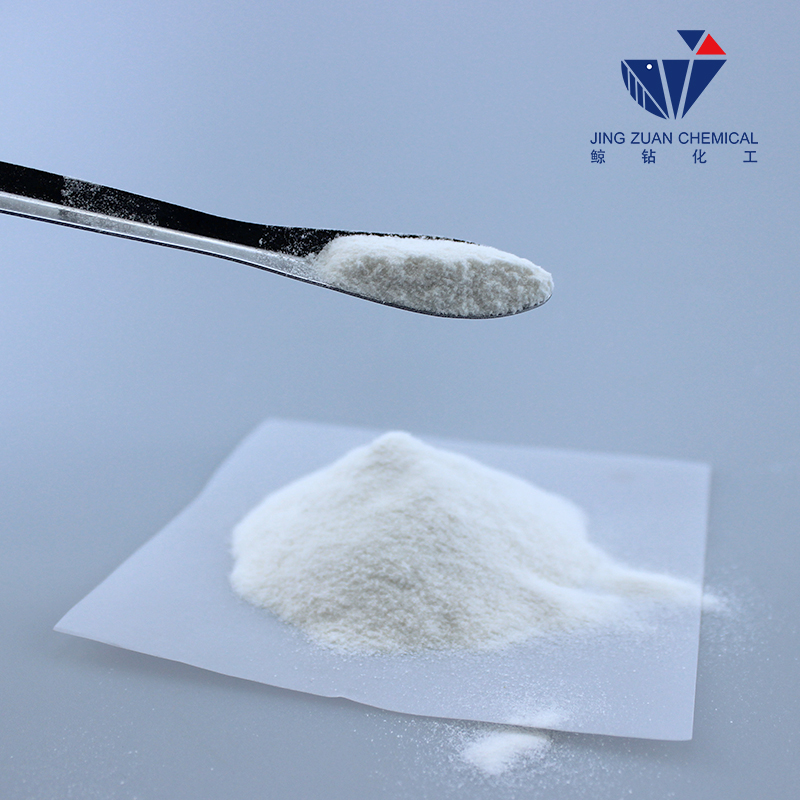
In essence, hydroxypropyl methylcellulose hpmc is a chemically modified cellulose polymer derived from plant fibers. It’s water-soluble and appears as a white powder, but what really sets it apart is its unique ability to thicken, stabilize, and bind mixtures. You might think of it as the “secret sauce” that ensures a plaster doesn’t crack, a pill dissolves at the right rate, or a cosmetic product stays smooth without separating.
This connection to cellulose—a natural and renewable resource—also situates HPMC as a greener choice compared to fully synthetic alternatives. Thus, it links modern industry demands with broader humanitarian and environmental needs. Functional, sustainable, adaptable: that’s HPMC in a nutshell.
Key Characteristics of Hydroxypropyl Methylcellulose (HPMC)
- Water retention: Keeps materials moist longer, crucial for construction adhesives and cement plaster.
- Viscosity control: Adjusts thickness in pharmaceuticals and paints without adding unwanted chemicals.
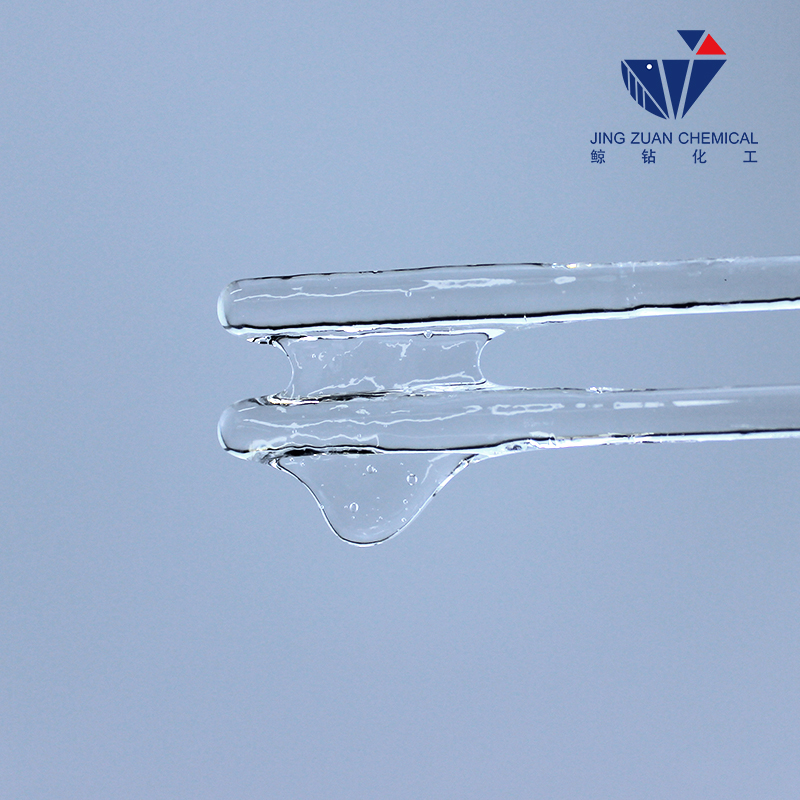
- Thermal gelation: Forms gels when heated, helpful in controlled-release medicines and food applications.
- Film-forming ability: Creates thin, flexible coatings in tablet production and packaging.
- Non-toxicity and stability: Safe for use in food and pharmaceuticals, complying with regulatory standards.
Mini takeaway: HPMC’s multi-dimensional properties make it a linchpin ingredient, enhancing products while meeting strict safety and environmental criteria.
Applications Around the World: How Industries Rely on HPMC
From Asia’s booming construction sector to European pharma labs, the versatility of hydroxypropyl methylcellulose hpmc shines through several major global applications:
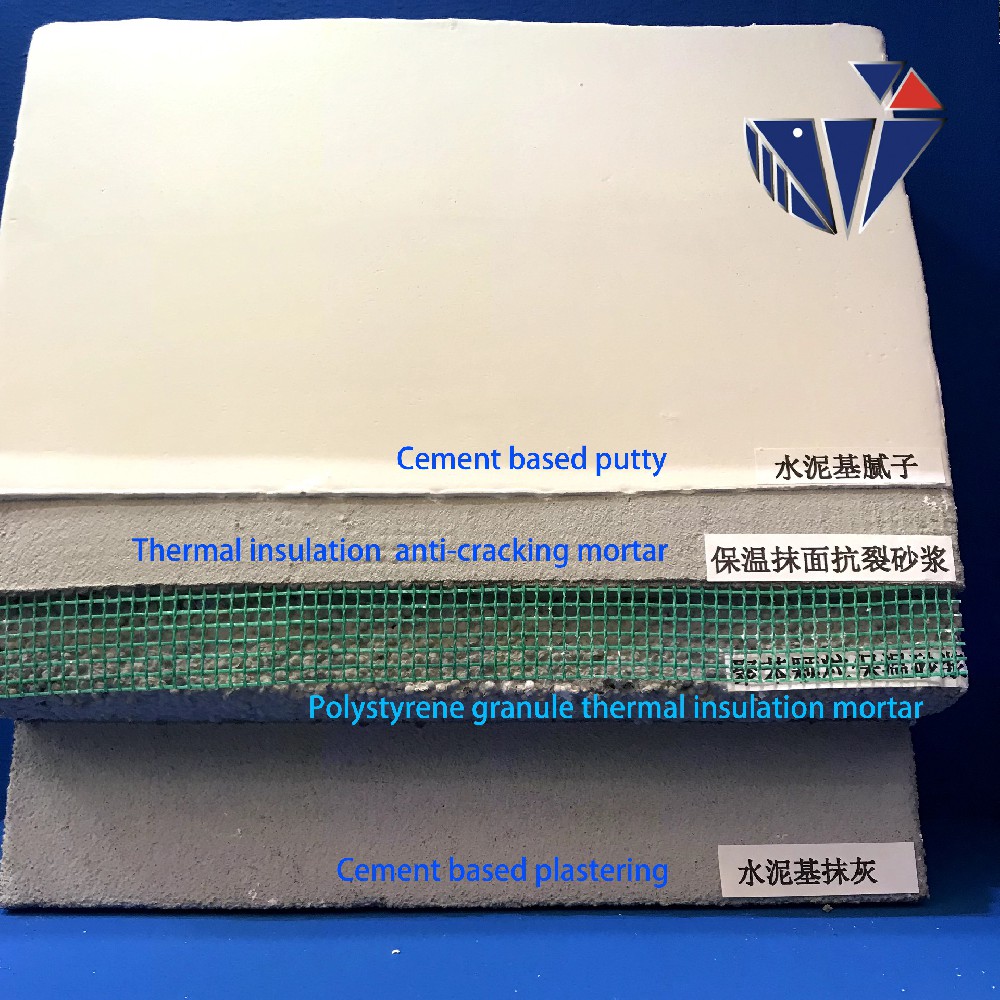
- Construction: Acts as a thickener and water retention agent in tile adhesives, cement plasters, and mortars. For instance, in earthquake-prone areas like Japan, HPMC-enhanced cement outperforms plain mixes by increasing flexibility and durability.
- Pharmaceuticals: Used as a binder, coating agent, and controlled-release matrix in tablets and eye drops. Companies in North America and Europe leverage HPMC to extend drug shelf lives and improve patient outcomes.
- Food Industry: Employed to stabilize emulsions, thicken sauces, and act as a meat analog binder, helping manufacturers meet rising global demand for plant-based foods.
- Cosmetics: Adds smooth texture and water retention in lotions and shampoos without harsh chemicals.
And let’s not forget emerging uses: in remote industrial zones, HPMC helps improve working conditions by reducing dust and improving material handling. In humanitarian relief, quick-setting mortars with HPMC enable rapid rebuilding after natural disasters. It’s a quiet game changer.
Product Specification Table for Typical Hydroxypropyl Methylcellulose (HPMC)
| Property | Typical Value | Unit | Notes |
|---|---|---|---|
| Methoxy Content | 19-24 | % by weight | Influences solubility and viscosity |
| Hydroxypropyl Content | 4-12 | % by weight | Affects gel formation temperature |
| Viscosity (2% Solution, 20°C) | 100-4000 | mPa·s | Varies by grade, tailored for applications |
| pH (1% Solution) | 5.0-8.0 | - | Slightly acidic to neutral |
| Appearance | White powder | - | Highly pure, odorless |
Why Choose Hydroxypropyl Methylcellulose HPMC? Advantages That Matter
It’s not just about ticking boxes on physical properties; it’s the long-term value that entrepreneurs and engineers often talk about:
- Cost-effective versatility: One ingredient, many uses — it replaces multiple additives, saving on supply chain complexity.
- Sustainability: Being cellulose-based, it leans on renewable plant sources and biodegrades better than fully synthetic polymers.
- Reliability: Products with HPMC behave predictably across temperature and humidity fluctuations.
- Safety & Social Impact: Used in medical and food sectors, aligning with increasing consumer demand for clean-label products.
- Innovation driver: New formulations constantly evolve, adapting to cutting-edge needs from 3D-printed foods to advanced drug delivery.
In short, this compound pairs cutting-edge material science with practical, on-the-ground needs—a rare feat.
Looking Forward: Emerging Trends in HPMC Development
Innovation rarely stands still, and hydroxypropyl methylcellulose hpmc is no exception. Researchers are exploring bio-based synthesis routes to make production even greener. Nanotechnology is being integrated to enhance film strength and control release rates in pharmaceuticals. Plus, policy shifts towards stricter environmental regulations are pushing suppliers to perfect lower-VOC and zero-waste grades.
Digital transformation in supply chain management also means hydroxypropyl methylcellulose hpmc manufacturers can better track raw material sourcing and quality — which boosts transparency, something end customers appreciate more every year.
Common Challenges and How They’re Overcome
Of course, nothing’s perfect. Some users find HPMC’s viscosity sensitive to certain salts or pH extremes, limiting formulations. Others wrestle with cost fluctuations due to raw cellulose availability.
But innovating formulations with hybrid polymers, advanced purification techniques, and regionalized production facilities is helping alleviate those issues. Many engineers say it feels like the product is evolving alongside the industry’s growth—never static, always adapting.
Frequently Asked Questions About Hydroxypropyl Methylcellulose (HPMC)
- Q: What type of HPMC grades are best for cement additives?
A: Generally, medium viscosity grades (e.g., 1000–2000 mPa·s) perform well in cement and mortar applications, balancing workability with water retention. - Q: Is hydroxypropyl methylcellulose safe for food and pharmaceutical use?
A: Yes, HPMC meets strict regulatory standards such as FDA and EFSA approvals and is widely used as a food additive and pharmaceutical excipient. - Q: Can HPMC improve the shelf life of medicines?
A: Absolutely. Its film-forming and controlled-release capabilities help protect active ingredients from moisture and control dissolution rates. - Q: How does environmental humidity affect HPMC-based products?
A: HPMC absorbs moisture, which sometimes requires balancing formulations to maintain consistent viscosity and mechanical properties in humid climates. - Q: Where can I source high-quality hydroxypropyl methylcellulose for industrial use?
A: Trusted chemical suppliers with transparent quality control and ISO certification are recommended—many offer custom grades and global shipping.
Comparing Leading HPMC Suppliers
| Supplier | Grades Offered | Global Reach | Sustainability Practices | Special Notes |
|---|---|---|---|---|
| CNJZ Chemical | Wide Range (100–4000 mPa·s) | Asia, Europe, Americas | ISO 14001 Certified | Custom formulation services |
| Supplier B | Focus on Pharma Grade | Primarily Europe | Sustainable sourcing protocols | Strong R&D in controlled release |
| Supplier C | Construction Focused Grades | Global | Partial carbon-neutral targets | Large-scale production capacity |
Wrapping Up: Why Hydroxypropyl Methylcellulose HPMC Remains Crucial
In a world scrambling for smarter, safer, and greener materials, hydroxypropyl methylcellulose hpmc stands out as a beautiful paradox: a high-tech ingredient with a natural backbone, delivering performance without compromise. Whether you’re developing the next generation of sustainable buildings, pharmaceuticals with precise dosing, or plant-based foods that delight the palate, grasping what HPMC brings to the table opens a lot of doors.
Next time you visit our website, take a moment to see how tailored HPMC grades could transform your project, from raw concept to market-ready marvel. It’s a small ingredient with a huge impact — and frankly, I think it’s worth paying attention to.
References
-
Understanding Hydroxypropyl Methyl Cellulose MSDS Safety and Compliance
NewsApr.16,2026
-
Understanding the Hydroxypropyl Methyl Cellulose HS Code for Global Trade
NewsApr.09,2026
-
Comprehensive Guide to Hydroxypropyl Methyl Cellulose CAS Number and Applications
NewsApr.07,2026
-
Comprehensive Guide to Hydroxypropyl Methyl Cellulose cas no and its Diverse Applications
NewsApr.04,2026
-
Comprehensive Guide to Hydroxypropyl Methyl Cellulose Manufacturers and Applications
NewsMar.31,2026
-
Understanding Hydroxypropyl Methyl Cellulose Properties And Diverse Applications
NewsMar.28,2026