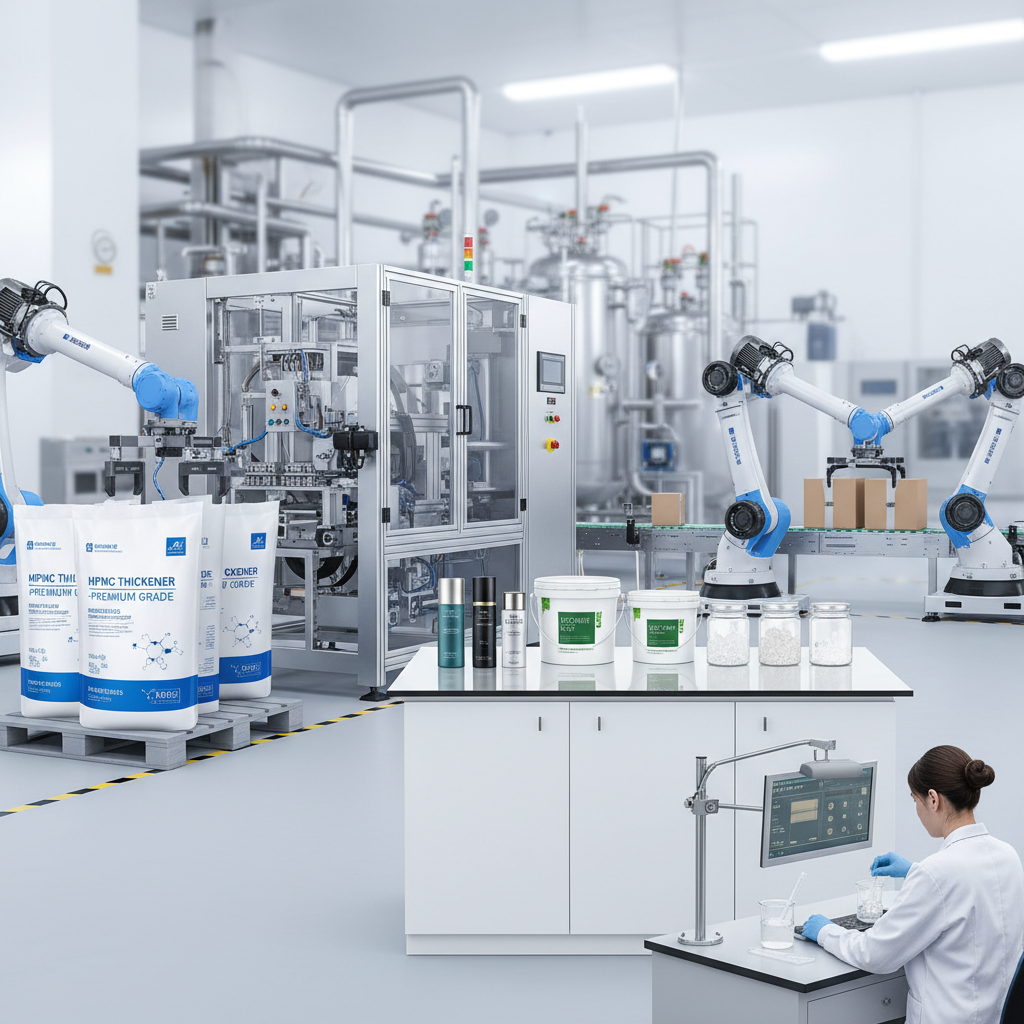
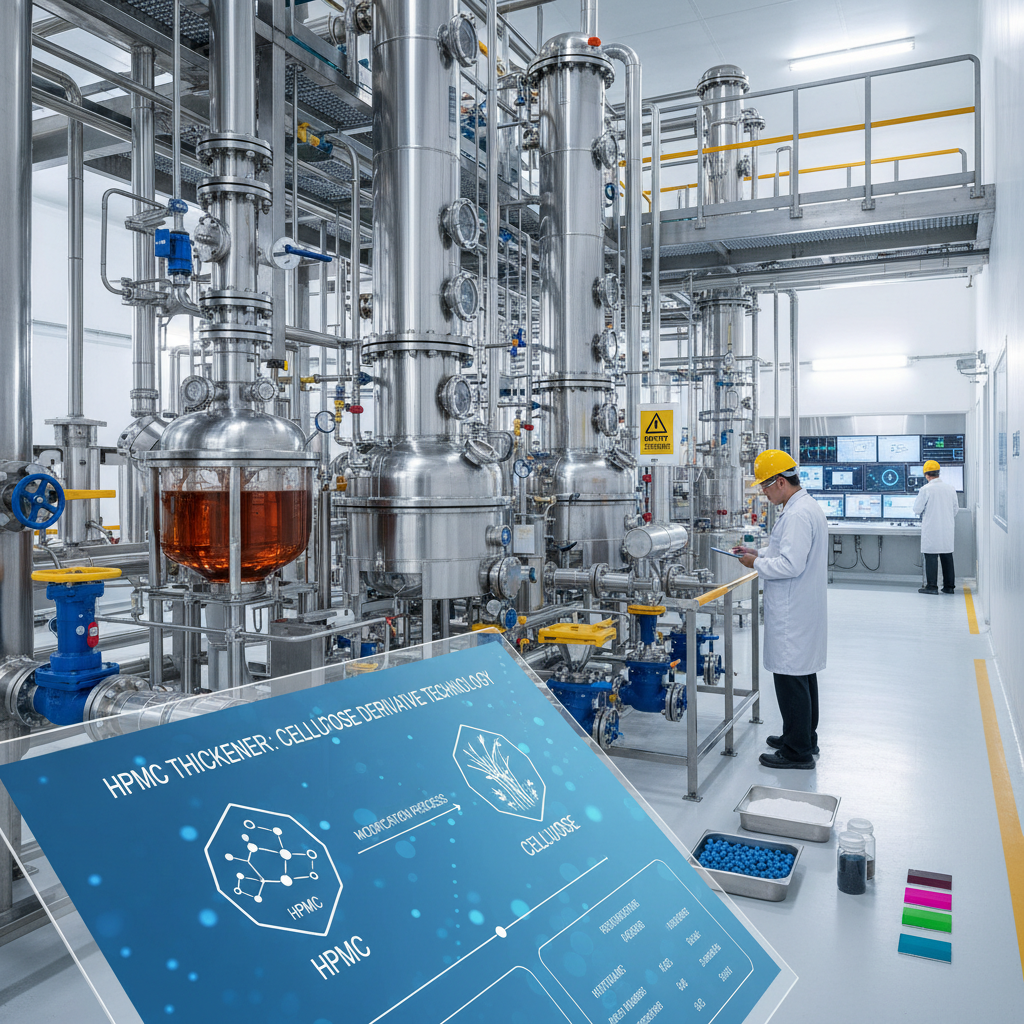
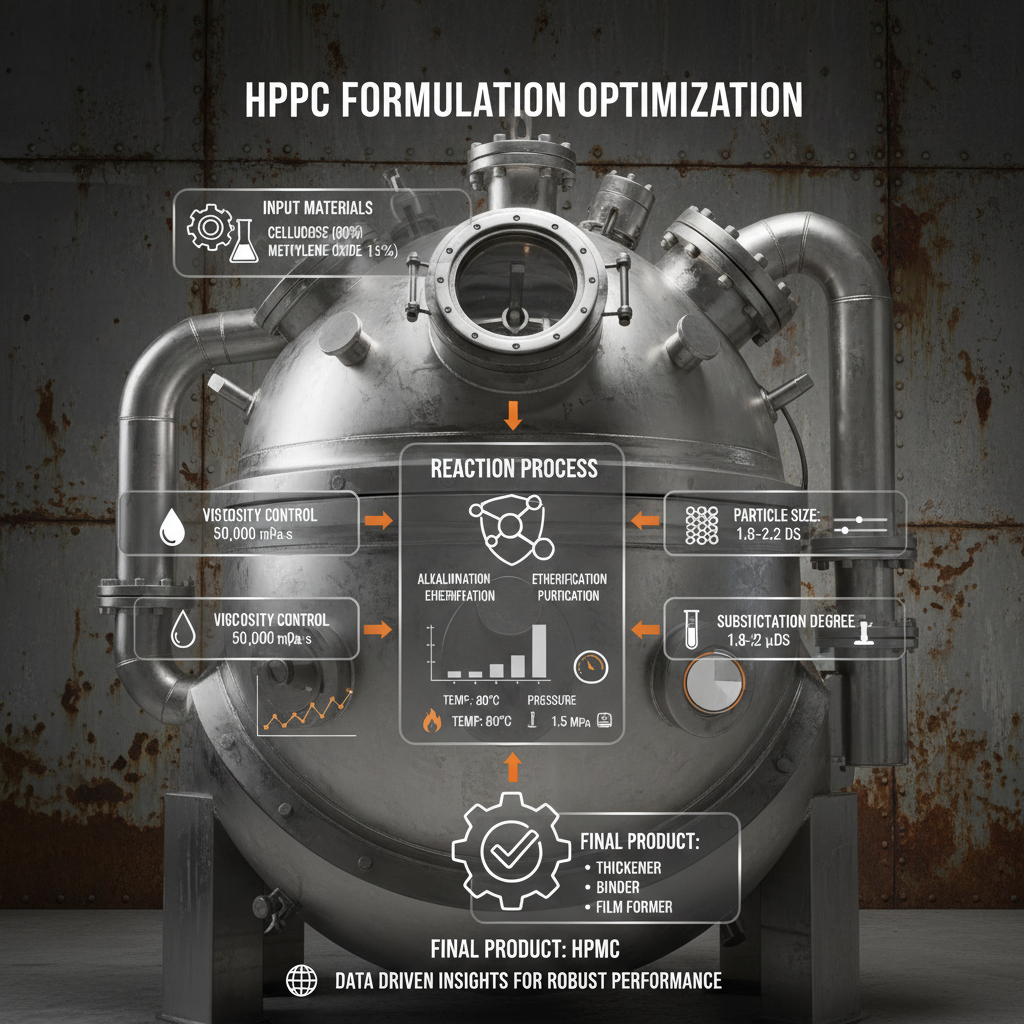
In the complex landscape of modern industrial chemistry, the role of a high-performance hpmc thickener has become indispensable for ensuring product stability and application efficiency. As manufacturers strive for higher precision in viscosity control and water retention, understanding the chemical nuances of Hydroxypropyl Methylcellulose is no longer optional—it is a competitive necessity.
Globally, the demand for versatile rheology modifiers has surged, particularly in the construction and pharmaceutical sectors, where the ability to maintain a consistent texture under varying temperatures is critical. By integrating a premium hpmc thickener, companies can significantly reduce material waste and enhance the end-user experience through improved workability.
Whether you are formulating a high-strength tile adhesive or a sophisticated personal care product, the choice of thickener dictates the structural integrity of the final result. This guide delves into the technical mechanics, global applications, and future innovations surrounding the hpmc thickener to provide a comprehensive roadmap for industrial optimization.
Global Industry Context of HPMC Thickener
The global chemical market has seen a paradigm shift toward sustainable and bio-based additives, placing the hpmc thickener at the forefront of this evolution. According to recent industrial data and ISO standards for cellulose ethers, the adoption of non-ionic thickeners has grown by nearly 6% annually, driven by the need for chemical stability across diverse pH levels.
One of the primary challenges facing the industry is the volatility of raw material quality, which often leads to inconsistent viscosity in final blends. By standardizing the production of hpmc thickener, manufacturers can mitigate the risks of product separation and sagging in construction materials, ensuring that infrastructures meet strict international safety and durability codes.
Definition and Chemical Meaning of HPMC Thickener
In simple technical terms, an hpmc thickener is a cellulose ether produced by the chemical modification of natural polymer cellulose. Through the process of etherification, hydroxypropyl and methyl groups are introduced, transforming a rigid fiber into a water-soluble polymer that can effectively "trap" water molecules and increase the viscosity of a liquid.
Beyond its basic chemistry, this additive serves as a vital bridge between humanitarian needs and industrial efficiency. For instance, in the creation of low-cost housing materials for developing regions, the water-retention properties of this thickener allow mortars to cure properly in arid climates, preventing premature drying and structural cracking.
Essentially, the hpmc thickener acts as a rheology modifier. This means it doesn't just make a substance "thick," but it controls how that substance flows under stress, which is critical for everything from the smooth application of paint to the controlled release of medication in pharmaceutical capsules.
Core Technical Factors for Performance
The effectiveness of an hpmc thickener is primarily governed by its degree of substitution (DS). This chemical metric determines how the polymer interacts with water; a higher substitution generally leads to better solubility and a more stable viscosity profile across different temperature ranges.
Water retention is another critical pillar. A high-quality hpmc thickener prevents the rapid loss of moisture to the substrate, which is essential for the hydration of cement and the prevention of air pockets in industrial coatings, thereby enhancing the overall durability of the application.
Finally, thermal gelation is a unique property that distinguishes this thickener from others. The ability of the hpmc thickener to form a gel at higher temperatures allows for precise control in manufacturing processes, ensuring that liquids maintain their shape during heat-treating or high-temperature application phases.
Global Applications and Real-World Use Cases
The versatility of the hpmc thickener allows it to transcend industries. In the construction sector of Southeast Asia and the Middle East, it is used extensively in tile adhesives and wall putties to combat high evaporation rates. By keeping the mixture moist, it ensures a stronger bond between the tile and the wall, reducing the likelihood of detachment over time.
In the realm of personal care and pharmaceuticals, these thickeners are utilized to create emulsions that feel luxurious on the skin without being greasy. From the formulation of eye drops to the creation of high-end skincare serums, the hpmc thickener provides the necessary stability to keep active ingredients suspended evenly throughout the product.
Performance Comparison of HPMC Thickener Variations
Long-Term Value and Sustainable Advantages
Investing in a premium hpmc thickener yields tangible economic benefits by reducing the total volume of additives required to reach a desired viscosity. Because of its high efficiency, a small amount of HPMC can replace larger quantities of inferior thickeners, lowering shipping costs and reducing the carbon footprint associated with chemical transport.
Beyond costs, there is a significant social and environmental impact. Since it is derived from cellulose—a renewable resource—the hpmc thickener aligns with global green chemistry initiatives. This shift toward biodegradable additives ensures that industrial runoff is less toxic, fostering trust between chemical manufacturers and environmental regulatory bodies.
Future Trends and Material Innovations
The future of the hpmc thickener is being shaped by the digital transformation of chemical engineering. Machine learning algorithms are now being used to predict the exact molecular structure required for specific industrial applications, allowing for the creation of "designer" thickeners that respond to specific stimuli like pH changes or ultrasonic waves.
Another emerging trend is the integration of HPMC into 3D concrete printing. In this high-tech application, the hpmc thickener provides the necessary thixotropy, allowing the printed layers to hold their shape immediately after extrusion without collapsing under the weight of subsequent layers.
Furthermore, the industry is moving toward "Zero-Waste" production cycles. New catalysts are being developed to make the synthesis of the hpmc thickener more energy-efficient, reducing the reliance on harsh solvents and moving toward a fully circular chemical economy.
Common Challenges and Expert Solutions
One of the most common challenges users face is the "clumping" effect during the mixing process. When an hpmc thickener is added too quickly to water, it can form "fish-eyes"—dry cores surrounded by a hydrated gel layer. Expert solution: The use of high-shear mixers or the pre-dispersion of the powder in a small amount of solvent prevents this phenomenon.
Another recurring issue is the loss of viscosity in the presence of high salt concentrations. Certain industrial environments can neutralize the thickening effect of the hpmc thickener. To overcome this, chemists recommend selecting a grade with a specific molar substitution that is tailored for high-salinity environments.
Finally, storage degradation can affect performance. Exposure to extreme humidity can cause the powder to cake. We suggest using vacuum-sealed, moisture-proof packaging and climate-controlled warehousing to ensure that the hpmc thickener maintains its activity from the factory to the production line.
Technical Analysis of HPMC Thickener Grade Performance
| Grade Type |
Viscosity Level |
Water Retention |
Application Fit |
| Standard Industrial |
Medium (40k-60k) |
Moderate |
General Wall Putty |
| High-Performance |
High (100k+) |
Excellent |
Tile Adhesives |
| Rapid-Hydrate |
Low (10k-30k) |
Fast |
Liquid Detergents |
| Thermal-Stable |
Medium (50k) |
High |
Heat-Set Coatings |
| Pharma-Grade |
Precision Variable |
Ultra-High |
Tablet Coating |
| Eco-Pure |
Medium (45k) |
Moderate |
Organic Cosmetics |
FAQS
While both are cellulose ethers, HPMC (Hydroxypropyl Methylcellulose) generally offers superior thermal gelation properties and better water retention in cementitious materials compared to HEC (Hydroxyethyl Cellulose). HPMC is often preferred in construction for its ability to prevent sagging, whereas HEC is frequently used in paints due to its excellent compatibility with various pigments.
To avoid the formation of lumps or "fish-eyes," it is recommended to use a high-shear mixer or to sprinkle the powder slowly into the water while stirring constantly. Alternatively, pre-mixing the HPMC with other dry ingredients or a small amount of non-solvent can ensure a more uniform dispersion and faster hydration.
Yes, higher viscosity grades generally increase water retention, which can slow down the drying time of the material. This is often beneficial in construction as it allows for better hydration of the cement, but in fast-paced industrial coatings, a lower viscosity grade might be chosen to accelerate the curing process.
Yes, provided it is a purified, pharmaceutical-grade version. HPMC is widely recognized as safe (GRAS) and is used globally as a coating agent for tablets and a stabilizer in various food applications due to its non-toxicity, biocompatibility, and ability to control the release of active ingredients.
HPMC should be stored in a cool, dry, and well-ventilated warehouse. It is crucial to keep the bags tightly sealed to prevent moisture absorption, which can lead to caking and a reduction in solubility. Typically, when stored under optimal conditions, it has a shelf life of 24 months.
While standard HPMC is effective, very high salt concentrations can interfere with its hydration and reduce viscosity. For saltwater or brine-heavy applications, we recommend using a specialized grade of HPMC thickener with a higher degree of substitution, which maintains its structural integrity and thickening power even in saline conditions.
Conclusion
In summary, the hpmc thickener stands as a cornerstone of modern chemical formulation, offering an unmatched combination of water retention, viscosity control, and environmental sustainability. By understanding the technical relationship between molecular substitution and practical performance, manufacturers can optimize their products for greater durability, efficiency, and user satisfaction across the construction, pharmaceutical, and cosmetic industries.
Looking forward, the integration of sustainable sourcing and precision engineering will continue to elevate the standards of rheology modifiers. We encourage industry professionals to evaluate their current additive strategies and transition toward high-performance cellulose ethers to ensure their products remain competitive in an increasingly eco-conscious global market. For premium solutions and technical support, visit our website: www.cnjzchemical.com