
Dec . 03, 2025 16:44 Back to list
MHEC - Methyl Hydroxyethyl Cellulose Manufacturer Expert Overview
Understanding MHEC - Methyl Hydroxyethyl Cellulose Manufacturer Insights
Having spent quite a few years navigating the industrial equipment and chemical supply chain, I can honestly say MHEC - Methyl Hydroxyethyl Cellulose continues to intrigue me, especially when you look under the hood at its manufacturing nuances. It’s fascinating how a substance that sounds so…lab-technical, is actually a cornerstone in diverse industries, from construction to paints and even food. So, I wanted to share a bit of what I’ve learned about the manufacturers behind MHEC, their processes, and why this product is so crucial.
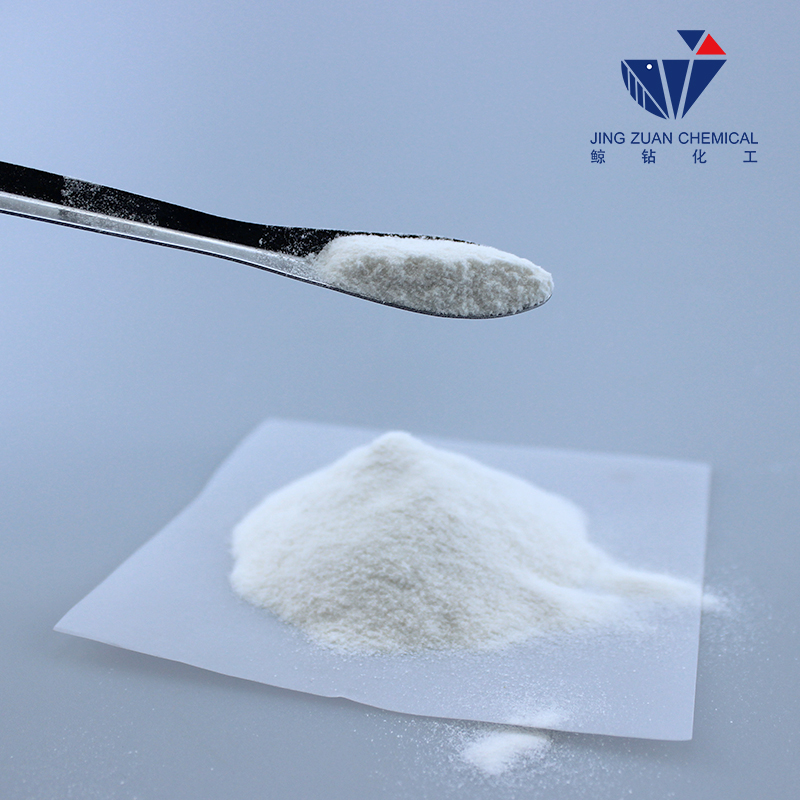
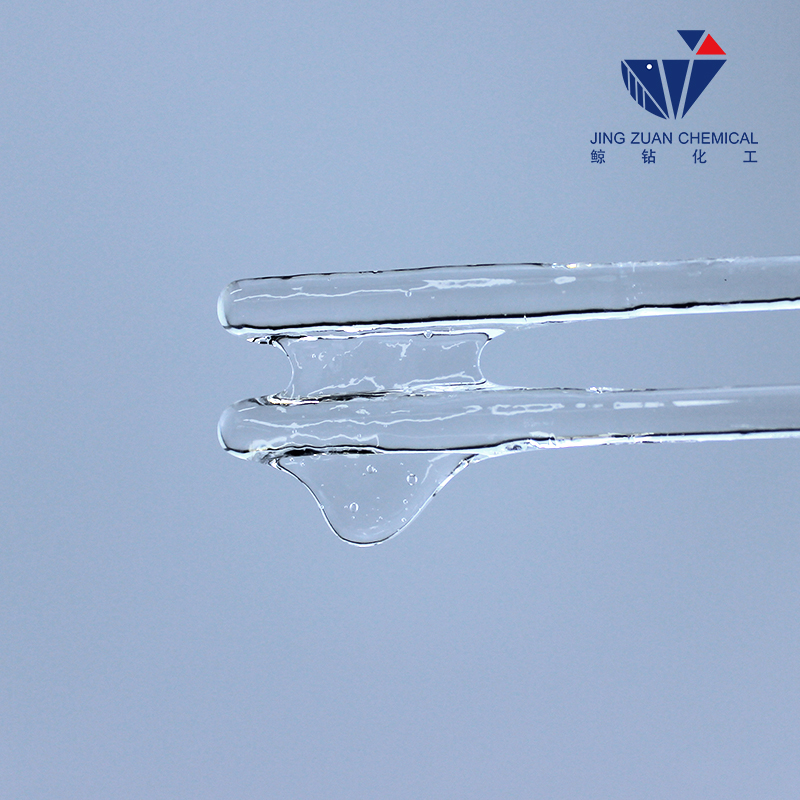
First off, Methyl Hydroxyethyl Cellulose (MHEC) is a chemically modified cellulose ether derived usually from wood pulp or cotton linters. This stuff has a knack for thickening, stabilizing, and binding—qualities that many industrial processes bank on. But what stands out about manufacturers is their ability to tailor the viscosity grades and substitution levels to precisely fit varied applications.
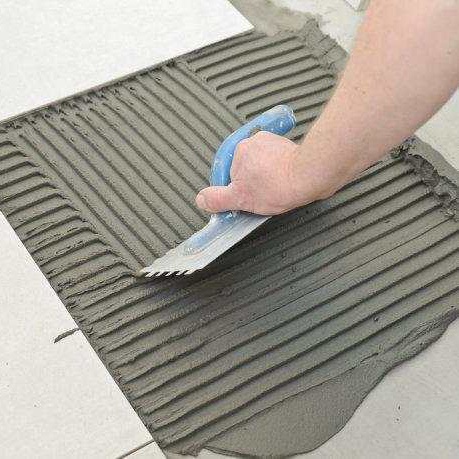
Oddly enough, it feels like the more you dig into the specs, the more you realize the subtle variations manufacturers offer can drastically impact product performance down the line. For instance, higher viscosity grades generally mean better water retention—a must in dry-mix mortars or tile adhesives. I remember chatting with a plant engineer who noted that a slight tweak in molecular weight distribution often leads to major consistency improvements on site, which frankly can save time and headaches.
Speaking of specs, here’s a rundown of typical MHEC product specifications from some leading manufacturers, which might help you see where the choices lie:
| Specification | Typical Range | Units |
|---|---|---|
| Viscosity (Brookfield LV #3, 2%) | 1000 - 12000 | mPa·s |
| pH value (1% w/w) | 6.0 - 8.0 | — |
| Substitution Degree (Methoxy) | 1.3 - 1.7 | — |
| Substitution Degree (Hydroxyethyl) | 0.2 - 0.35 | — |
| Moisture Content | < 5% | % |
Naturally, not every manufacturer hits these figures exactly the same way. Variations arise from raw material sourcing, proprietary process tweaks, and quality control measures. Which brings me to something many folks overlook: vendor reliability. In my experience, when selecting an MHEC - Methyl Hydroxyethyl Cellulose manufacturer, it’s not just about the specs, but how consistently the product arrives with those specs intact. Shipping delays or batch inconsistencies can screw up project timelines. You know how that goes.
To help clarify, here’s a quick vendor comparison based on factors I’ve judged over time:
| Vendor | Product Range | Quality Consistency | Lead Time | Technical Support |
|---|---|---|---|---|
| CNJZ Chemical | Wide (Multiple viscosities) | High | 2-3 weeks | Responsive & knowledgeable |
| Vendor B | Moderate | Medium | 3-4 weeks | Limited support |
| Vendor C | Narrow | Variable | >4 weeks | Sparse |
One particular project I recall vividly involved a fast-track renovation of a historic building where tile adhesive formulation was non-negotiable. The nuances in MHEC batches — provided by different suppliers — were the deciding factor in adhesion strength. The supplier from CNJZ Chemical delivered material that was spot-on and helped keep the job on schedule. It’s little moments like these where reliability meets product excellence that truly highlight why manufacturing quality matters.
In the end, whether you’re procuring MHEC for refining cement mortar properties or stabilizing paint viscosity, understanding a manufacturer’s product range, quality controls, and service support can make all the difference. I suppose that’s the big takeaway from working in industrial chemicals: it’s never just a product — it’s a relationship backed by expertise and consistency.
Reflecting back, I’ve found that the best manufacturers often combine high-grade raw materials with robust R&D efforts — and the folks at CNJZ Chemical seem to fit that mold pretty well.
References:
1. “Cellulose Ethers and Their Applications,” Industrial Polymer Society, 2021.
2. CNJZ Chemical – Official Product Data Sheets, 2023.
3. Personal interviews with industry engineers, 2022–2023.
-
Understanding Hydroxypropyl Methyl Cellulose MSDS Safety and Compliance
NewsApr.16,2026
-
Understanding the Hydroxypropyl Methyl Cellulose HS Code for Global Trade
NewsApr.09,2026
-
Comprehensive Guide to Hydroxypropyl Methyl Cellulose CAS Number and Applications
NewsApr.07,2026
-
Comprehensive Guide to Hydroxypropyl Methyl Cellulose cas no and its Diverse Applications
NewsApr.04,2026
-
Comprehensive Guide to Hydroxypropyl Methyl Cellulose Manufacturers and Applications
NewsMar.31,2026
-
Understanding Hydroxypropyl Methyl Cellulose Properties And Diverse Applications
NewsMar.28,2026