
Oct . 05, 2025 23:25 Back to list
Need a Mortar Bonding Agent for Stronger, Lasting Repairs?
EIFS Bonding Mortar Additive: field notes on choosing the right mortar bonding agent
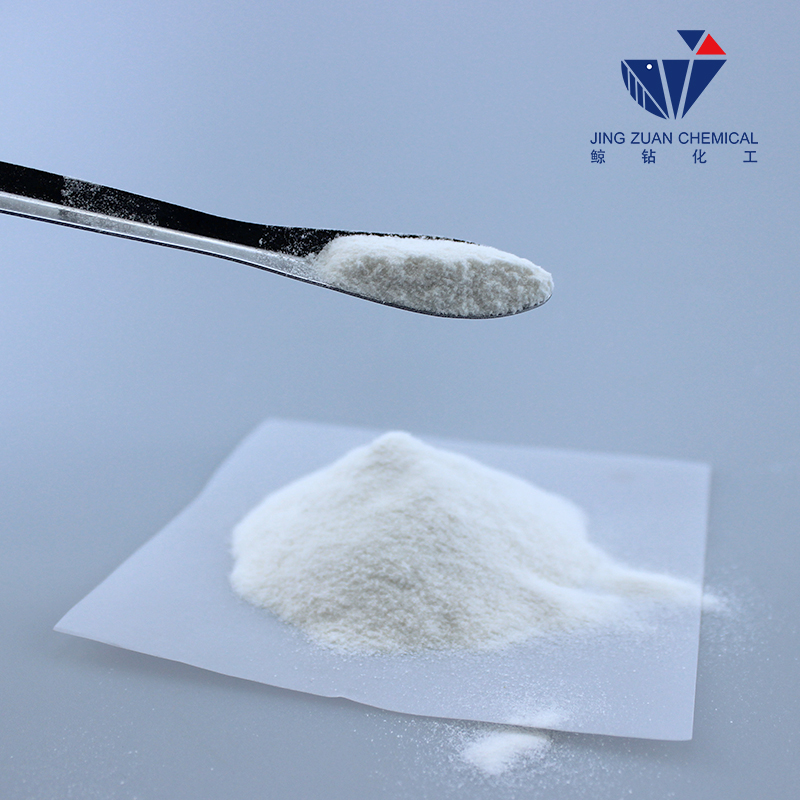
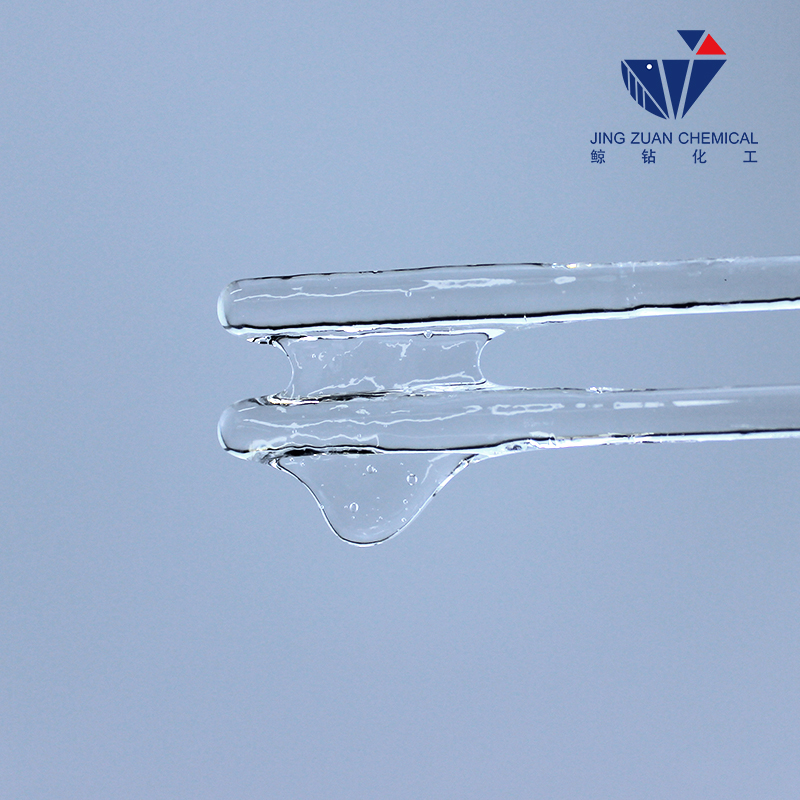
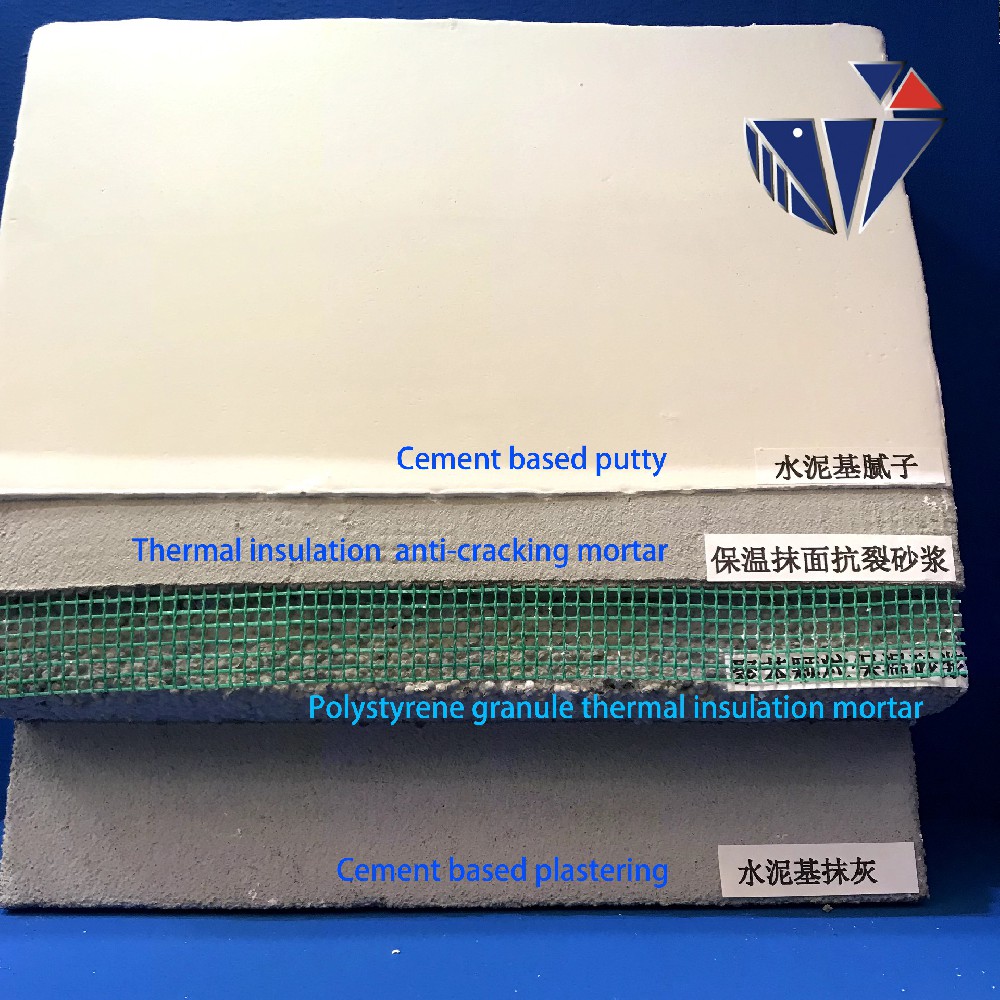
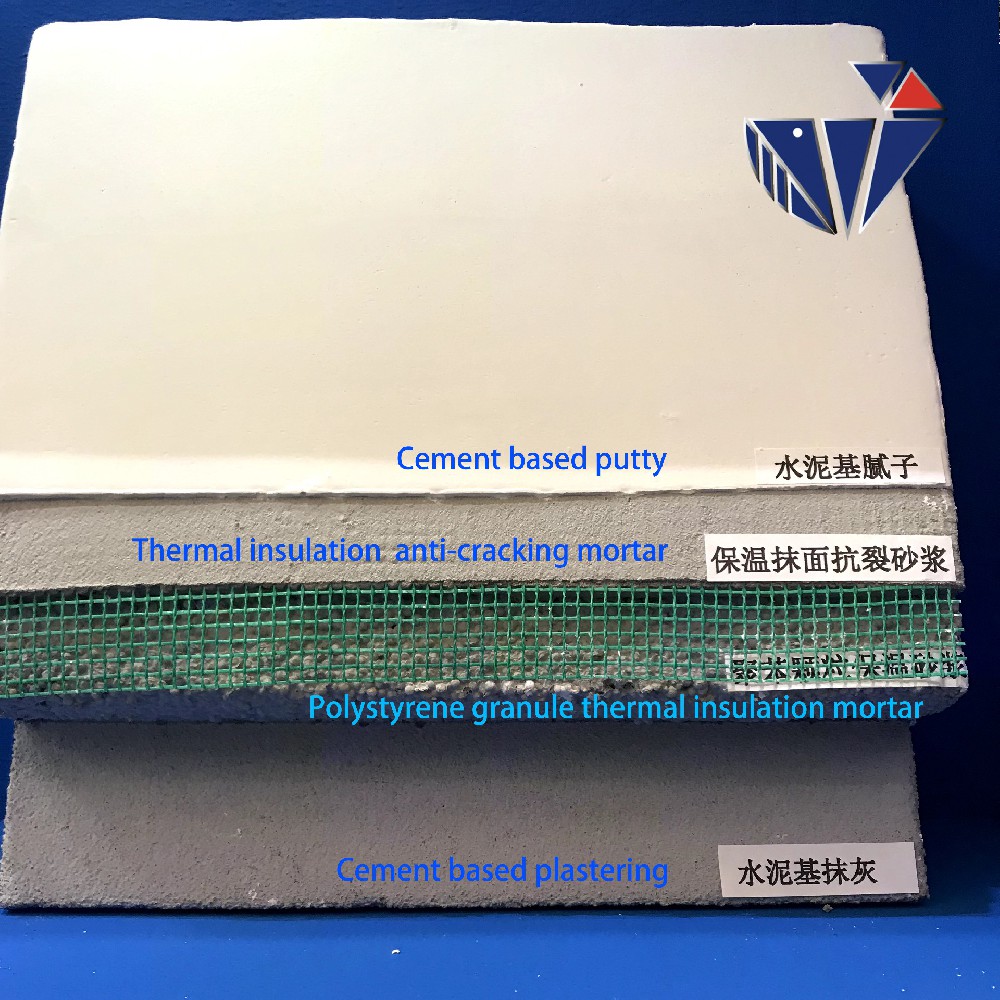
Over the last few years, I’ve seen a quiet shift on jobsites: energy retrofits are up, schedules are tighter, and installers want mixes that “just stick” without drama. That’s where EIFS BONDING MORTAR ADDITIVE—manufactured in NO.1 Building, Technology Center, High-Tech Zone, Shijiazhuang City, Hebei, China—has been getting attention. It’s billed as a “mixture for exclusive usage” (launched 2019-09-18), which, to be honest, sounds vague. But in practice, it performs like a tuned polymer package for adhesive and base-coat mortars in EIFS and façade repair. Many contractors tell me it saves them when substrates are a bit, well, less-than-ideal.
Industry trends and why it matters
EIFS is booming in retrofits thanks to energy codes, while labor scarcity nudges buyers toward forgiving formulations with longer open time and reliable pull-off values. The best mortar bonding agent blends focus on adhesion under moisture cycling, crack-bridging flexibility, and compatibility with cementitious mixes—without turning the mix into taffy on the trowel.
Technical snapshot (indicative)
| Parameter | Typical value ≈ | Notes (real-world use may vary) |
|---|---|---|
| Recommended dosage | 2–6% by cement mass | Tune for climate and substrate absorption |
| Open time | ≈ 25–40 min @ 23°C, 50% RH | Wind/sun reduce window |
| Pull-off strength | ≥ 1.0–1.5 MPa (EN 1542) | On sound, primed concrete/cement board |
| Flexibility | Enhanced vs. unmodified mortar | Improved crack accommodation |
| Service life | ≈ 15–25 years | Assumes proper design, drainage, and maintenance |
Where it’s used
- EIFS/ETICS adhesive and base coats
- Façade repair mortars over concrete or cement plaster
- Precast patching; mineral wool/foam board bonding (check compatibility)
Process flow and quality checks
- Substrate prep: remove laitance, dust; dampen to SSD. Prime if highly absorptive.
- Mixing: add powder to water, then the additive; mix 3–5 min to a creamy mortar.
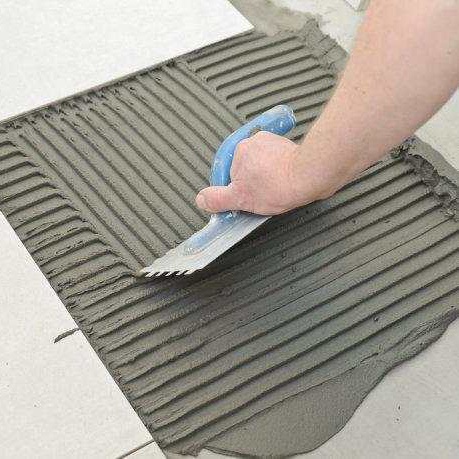
- Application: notch trowel for board adhesion or spread as base coat; embed mesh.
- Cure: protect from rain/frost; allow 24–48 h before next layers.
- Testing: pull-off per EN 1542/ASTM C1583; compressive per ASTM C109; verify wet density and pot life.
Advantages I’ve noticed
Better early grab without killing adjustability, resilient adhesion after freeze–thaw, and—surprisingly—cleaner tooling. The mortar bonding agent profile also helps when substrates vary from slab to slab (we’ve all been there).
Vendor comparison (field-oriented)
| Vendor / Product | Binder type ≈ | Pull-off (MPa) | Open time | Notes |
|---|---|---|---|---|
| EIFS BONDING MORTAR ADDITIVE | Polymer blend | 1.0–1.5 (EN 1542) | 25–40 min | Balanced tack and workability |
| Generic Acrylic Bonding Agent | Acrylic latex | 0.8–1.2 | 20–30 min | Good on dense concrete |
| PVA-based Bonding Aid | PVA | 0.5–0.9 | 15–25 min | Budget-friendly; watch moisture exposure |
Customization and compliance
Custom tweaks (viscosity, open time, anti-sag) are typically available to match climate bands. The plant runs ISO 9001-style QA, and the system is commonly tested against EN 1542 pull-off and ASTM C109 compressive benchmarks. For EIFS, designers often reference ETAG 004/ETICS guidance. The mortar bonding agent approach aligns with ASTM C1059 principles for latex bonding systems.
Mini case notes
- High-rise retrofit, Hebei: installers reported “stickier to wall, not to tools,” with fewer board slide-offs on windy days.
- Coastal repair, South China: pull-off values stayed within spec after salt-spray exposure; minor increase in consumption on porous patches.
If you’re speccing an EIFS package or refreshing a façade repair spec, shortlist a polymer-rich mortar bonding agent with verifiable pull-off data, decent open time, and supplier support that picks up the phone. Sounds simple, but it’s amazing how often that trio wins projects.
Authoritative citations
- ASTM C1059/C1059M – Latex Agents for Bonding Fresh To Hardened Concrete.
- EN 1542 – Products and systems for protection and repair of concrete structures — Pull-off test.
- ETAG 004 – Guideline for European Technical Approval of ETICS (EIFS).
- ASTM C1583 – Tensile Strength of Concrete Surfaces and Bond Strength by Pull-Off.
-
Understanding Hydroxypropyl Methyl Cellulose MSDS Safety and Compliance
NewsApr.16,2026
-
Understanding the Hydroxypropyl Methyl Cellulose HS Code for Global Trade
NewsApr.09,2026
-
Comprehensive Guide to Hydroxypropyl Methyl Cellulose CAS Number and Applications
NewsApr.07,2026
-
Comprehensive Guide to Hydroxypropyl Methyl Cellulose cas no and its Diverse Applications
NewsApr.04,2026
-
Comprehensive Guide to Hydroxypropyl Methyl Cellulose Manufacturers and Applications
NewsMar.31,2026
-
Understanding Hydroxypropyl Methyl Cellulose Properties And Diverse Applications
NewsMar.28,2026