
Aug . 31, 2025 03:00 Back to list
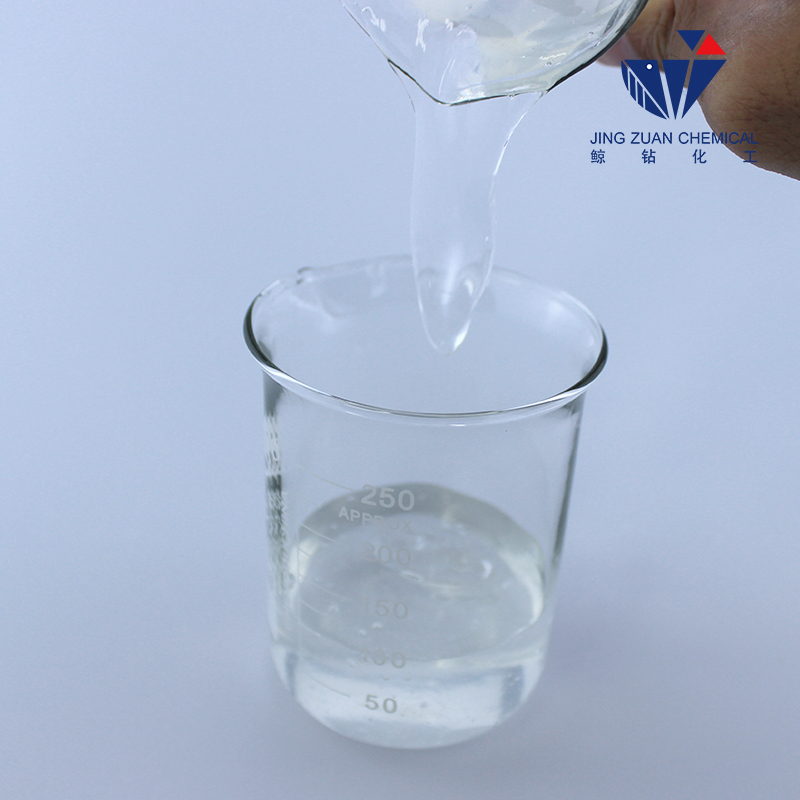
Premium Cellulose Ether: Effective Liquid Thickener & Stabilizer
Understanding Cellulose Ether: A Core B2B Chemical
In the diverse landscape of industrial chemistry, cellulose ether stands out as a critical raw material, known for its versatility and wide range of applications. This class of polymers, derived from natural cellulose, undergoes chemical modification to achieve enhanced functional properties such as thickening, binding, water retention, film-forming, and protective colloid action. Its significance spans numerous sectors, from construction and pharmaceuticals to food and cosmetics, enabling optimized product performance and efficiency. Our focus delves into the technical aspects, market trends, and practical applications that underscore its indispensable role in modern industrial processes.
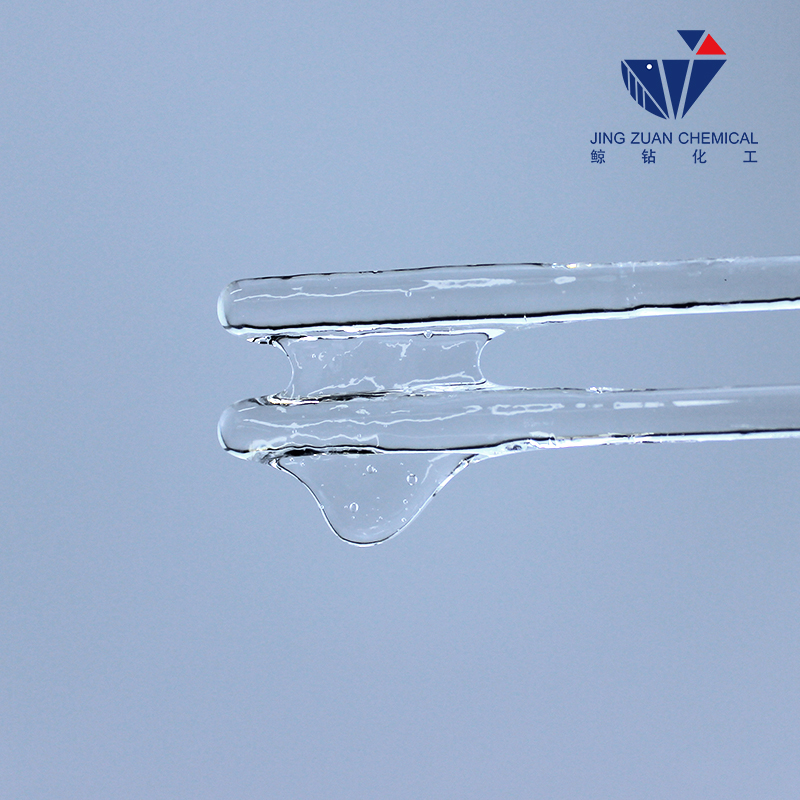
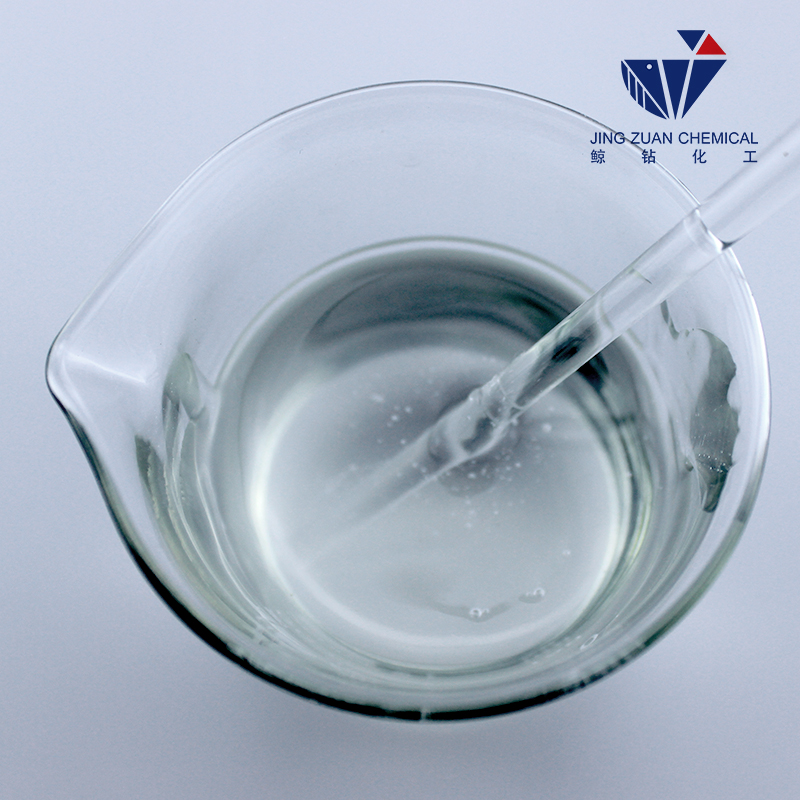
The demand for high-performance chemical additives continues to grow, driven by stringent quality standards and the pursuit of sustainable solutions. Cellulose ether derivatives, including Hydroxypropyl Methylcellulose (HPMC), Hydroxyethyl Cellulose (HEC), Carboxymethyl Cellulose (CMC), and Methyl Cellulose (MC), are engineered to meet these exacting requirements. Their ability to modify rheology, improve workability, and enhance stability makes them invaluable across various formulations, particularly as a potent liquid thickener.
Industry Trends and Market Dynamics
The global market for cellulose ether is experiencing robust growth, propelled by increasing construction activities, advancements in pharmaceutical formulations, and a rising demand for convenience foods. Projections indicate a compound annual growth rate (CAGR) of approximately 5-7% over the next five years, with market valuation expected to exceed USD 8 billion by 2028. This growth is particularly significant in emerging economies, where infrastructure development and industrialization are accelerating. Key trends include:
- Sustainable Sourcing: A growing emphasis on environmentally friendly and bio-based raw materials. Manufacturers are increasingly seeking sustainable cellulose sources.
- Specialization: Development of highly specialized cellulose ether grades for niche applications, such as low-dust HPMC for construction or specific viscosity profiles for ophthalmology.
- Regulatory Compliance: Stricter regulations, especially in the food and pharmaceutical sectors, are driving demand for high-purity, certified products (e.g., USP, EP, FCC grades).
- Cost-Efficiency: Continuous innovation in manufacturing processes to optimize production costs while maintaining high-performance standards.
- Regional Demand Shifts: Accelerated demand from Asia-Pacific, particularly China and India, driven by massive urbanization and industrial expansion.
The market is also characterized by strategic collaborations and technological advancements aimed at improving product functionality and expanding application horizons. Companies are investing in R&D to develop tailor-made solutions that address specific client challenges, reinforcing the role of cellulose ether as a cornerstone of industrial formulation.
Detailed Manufacturing Process of Cellulose Ether
The production of cellulose ether involves a precise series of chemical reactions and purification steps, transforming natural cellulose into a versatile polymer. The core material is high-purity wood pulp or cotton linter, rich in alpha-cellulose content (typically >95%). The process can be broadly categorized into several key stages:
1. Alkalization
The first step involves treating cellulose with a concentrated alkali solution, typically sodium hydroxide (NaOH). This reaction swells the cellulose fibers, converting cellulose I (native cellulose) into alkali cellulose (cellulose II), which is more reactive due to the disruption of hydrogen bonds and increased accessibility of hydroxyl groups. This is a crucial pre-treatment, preparing the cellulose for etherification.
2. Etherification
The alkali cellulose is then reacted with specific etherifying agents under controlled conditions of temperature and pressure in a reactor. For HPMC, methyl chloride and propylene oxide are used; for HEC, ethylene oxide; and for CMC, monochloroacetic acid. These agents replace some of the hydroxyl groups (-OH) on the anhydroglucose units of the cellulose backbone with ether groups (-OR), creating the desired cellulose ether. The degree of substitution (DS) or molar substitution (MS) is meticulously controlled during this stage, as it directly impacts the product's solubility, viscosity, and gelation temperature.
3. Neutralization and Washing
Following etherification, the crude cellulose ether is neutralized to remove residual alkali and then undergoes extensive washing with hot water. This step is critical for removing by-products (e.g., sodium chloride, glycols) and unreacted etherifying agents, ensuring high product purity. The washing process is typically multi-stage, employing counter-current flow to maximize efficiency and minimize water consumption.
4. Drying, Grinding, and Sieving
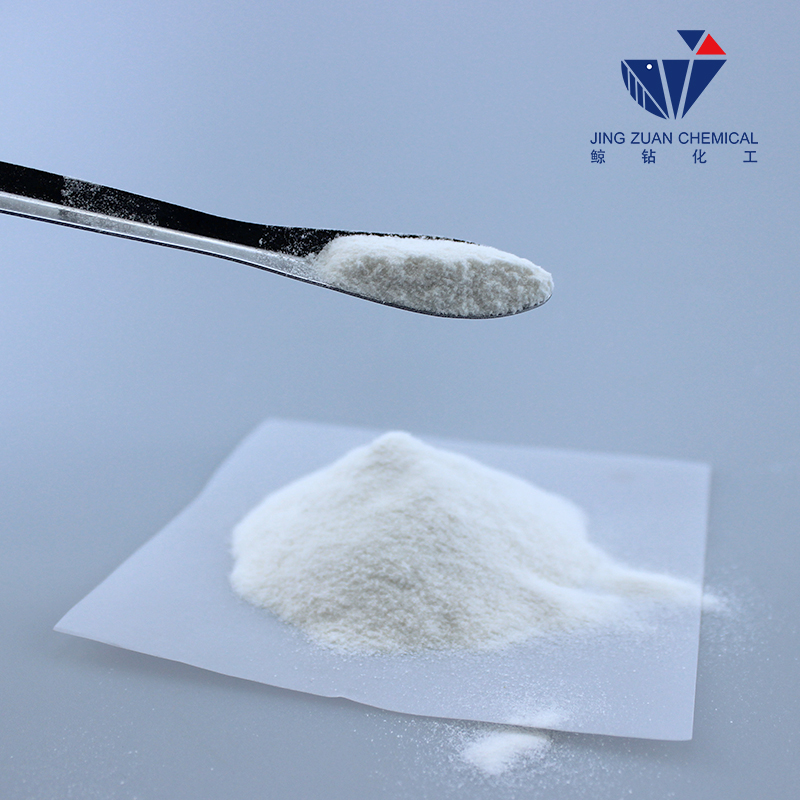
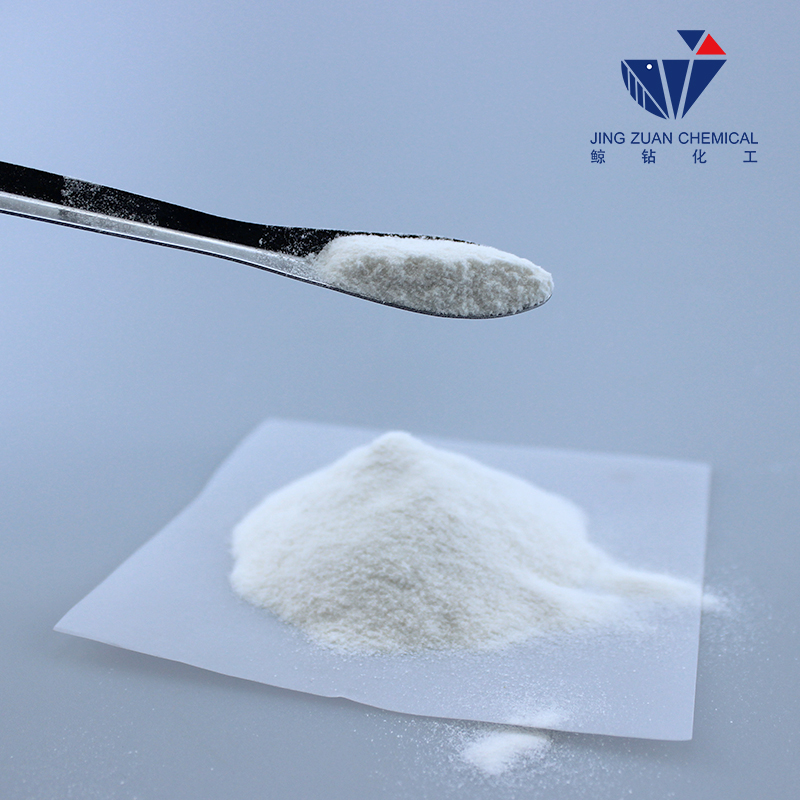
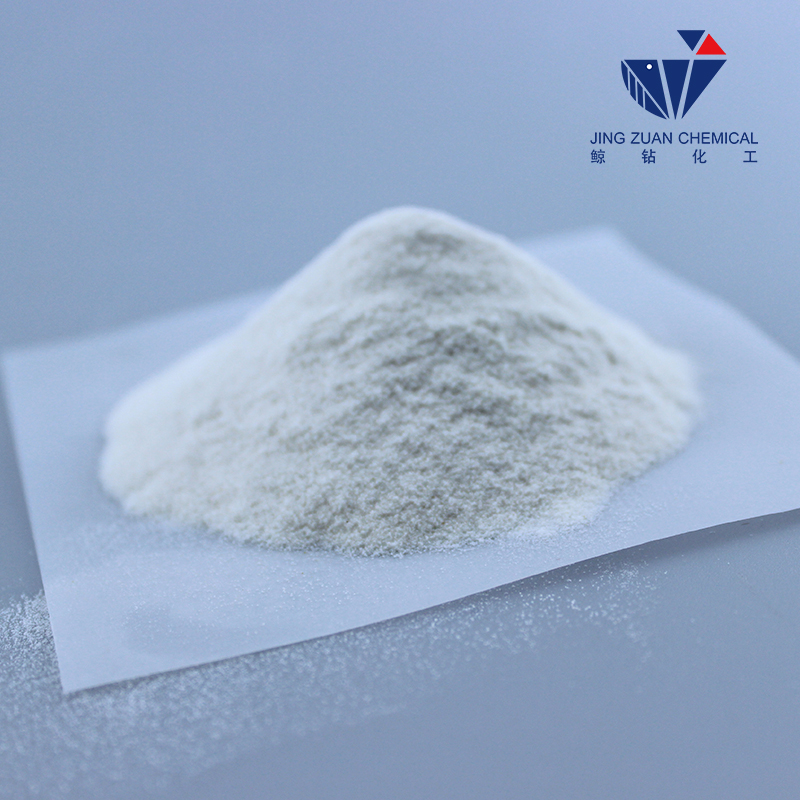
The washed wet product is then dried to achieve the desired moisture content. Various drying methods, such as flash drying or tray drying, are employed to prevent degradation and maintain product integrity. After drying, the material is ground into a fine powder and sieved to achieve specific particle size distributions. This ensures consistent dissolution rates and performance characteristics, crucial for various applications.
Testing Standards: Throughout the manufacturing process, strict quality control measures are implemented. Products are tested against international standards such as ISO (International Organization for Standardization) for quality management systems (e.g., ISO 9001) and product-specific parameters. For pharmaceutical and food-grade products, compliance with pharmacopoeia standards (e.g., USP, EP, BP, JP) and food additive regulations (e.g., FCC, FDA) is mandatory. Key parameters tested include viscosity, moisture content, ash content, pH, particle size, and purity.
Service Life and Target Industries: The service life of cellulose ether in its various applications is generally tied to the stability of the final product formulation. When correctly formulated and stored, these polymers maintain their integrity for extended periods (typically 2-3 years). Target industries include:
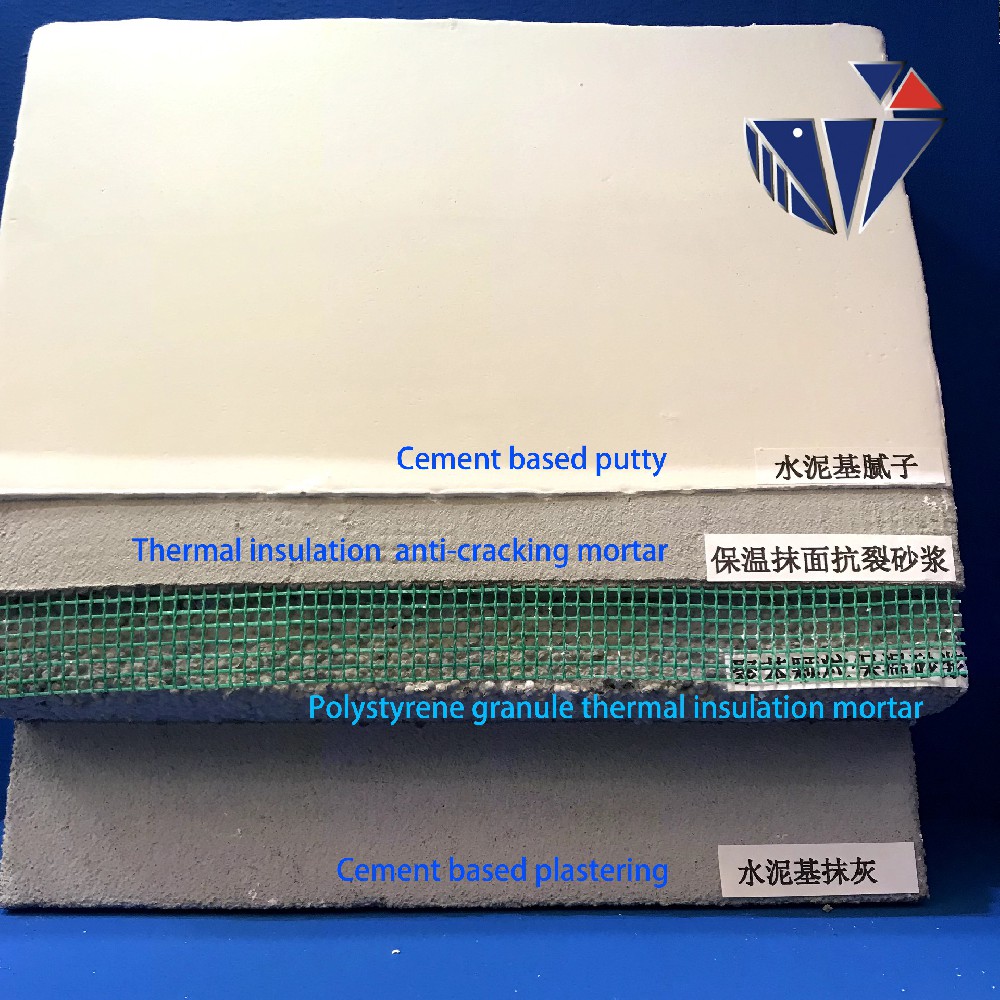
- Construction: Mortars, plasters, tile adhesives, self-leveling compounds (improving workability, water retention, bond strength).
- Pharmaceuticals: Tablet binders, disintegrants, film coatings, sustained-release matrices.
- Food: Thickening agents, stabilizers, emulsifiers in sauces, dairy products, baked goods.
- Paints & Coatings: Rheology modifiers, dispersants, anti-sag agents.
- Personal Care: Thickeners, emulsifiers, foam enhancers in shampoos, lotions, toothpastes.
- Oil & Gas: Drilling fluids, fracturing fluids (fluid loss control, viscosity modification).
Advantages in Typical Application Scenarios: In construction, HPMC significantly enhances water retention, preventing premature drying of cementitious mixtures and ensuring optimal hydration, leading to increased bond strength and durability. This directly translates to energy saving by reducing rework and material waste. In paints, cellulose ether acts as an excellent liquid thickener, preventing pigment settling and improving application characteristics, while providing corrosion resistance in protective coatings.
Technical Specifications and Parameters (HPMC & HEC)
Understanding the technical parameters of cellulose ether is crucial for selecting the appropriate grade for specific applications. Viscosity, degree of substitution (DS)/molar substitution (MS), and gelation temperature are primary determinants of performance. Below, we provide typical specifications for HPMC (Hydroxypropyl Methylcellulose) and HEC (Hydroxyethyl Cellulose), two widely used derivatives.
HPMC Product Specification Table
HEC Product Specification Table
HEC cellulose (Hydroxyethyl Cellulose) is another prominent cellulose ether primarily valued for its outstanding thickening capabilities and pseudoplastic flow behavior in aqueous solutions, making it an excellent liquid thickener.
Note: These values are typical and may vary slightly based on specific product grades and testing methodologies. Always refer to the manufacturer's official TDS for precise data.
Application Scenarios and Technical Advantages
The diverse properties of cellulose ether make it indispensable across a multitude of industrial applications. Its ability to control rheology, enhance stability, and improve processing performance offers significant technical advantages.
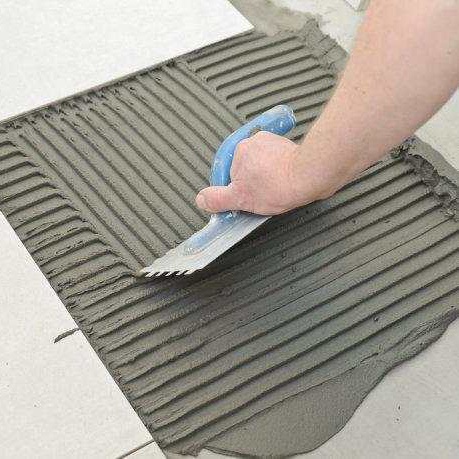
- Construction Industry: HPMC, in particular, is a cornerstone additive in cement-based products. It improves water retention, extending open time and preventing premature drying of mortars, renders, and tile adhesives. This leads to superior bond strength, reduced cracking, and enhanced workability for applicators. Its pseudoplastic nature also contributes to sag resistance in vertical applications. The addition of cellulose ether can reduce material waste by 5-10% and improve compressive strength by up to 15% in specific formulations.
- Paints and Coatings: As a crucial liquid thickener, HEC and HPMC improve the viscosity profile, flow, and leveling characteristics of water-borne paints. They prevent pigment settling during storage, enhance color consistency, and provide anti-spattering properties during application. This results in smoother finishes, better coverage, and extended shelf life for products.
- Pharmaceuticals: Pharmaceutical-grade HPMC serves as an inert excipient, providing controlled drug release in tablet formulations, film-forming properties for tablet coatings, and acting as a binder or disintegrant. Its biocompatibility and GRAS (Generally Recognized As Safe) status are paramount. Typical formulations can achieve 12-24 hour sustained release profiles with optimized HPMC matrix systems.
- Personal Care Products: In shampoos, lotions, and detergents, HEC and HPMC function as effective thickeners, stabilizers, and emulsifiers. They contribute to desired texture, foam stability, and product aesthetics, enhancing the user experience.
- Oil and Gas: In drilling fluids, cellulose ether helps control fluid loss to permeable formations, stabilizes boreholes, and provides necessary viscosity for cuttings transport, even under high-temperature and high-pressure conditions. This is critical for efficient and safe drilling operations.
Vendor Comparison and Customization Solutions
Choosing the right supplier for cellulose ether is as crucial as selecting the correct product grade. Factors such as product quality consistency, technical support, supply chain reliability, and customization capabilities play a vital role in B2B partnerships.
Key Factors in Vendor Comparison
- Quality & Purity: Adherence to international standards (ISO, GMP, Halal, Kosher, REACH). Consistency across batches.
- Technical Expertise: Availability of R&D support for formulation optimization and troubleshooting.
- Supply Chain Resilience: Stable raw material sourcing, production capacity, and logistics network.
- Cost-Effectiveness: Competitive pricing balanced with product quality and service.
- Customization Capabilities: Ability to tailor viscosity, particle size, and other properties to specific customer needs.
Comparison of Typical HPMC Grades (Illustrative)
This table illustrates how different vendors might offer comparable products with slight variations, emphasizing the need for detailed technical data sheets (TDS) and sample evaluations.
Customized Solutions for Optimal Performance
Recognizing that off-the-shelf solutions may not always meet unique formulation challenges, leading manufacturers offer bespoke customization services for cellulose ether. This includes:
- Tailored Viscosity Grades: Developing products with specific viscosity ranges to match desired rheological properties in final formulations.
- Optimized Particle Size Distribution: Fine-tuning particle size for improved dissolution rate, dispersion, or surface area for reactions. This is crucial for applications like dry-mix mortars where rapid dissolution is key.
- Modified Gelation Temperatures: Adjusting the balance of methoxy and hydroxypropoxy groups in HPMC to achieve desired thermal gelation profiles.
- Enhanced Surface Treatment: Applying special surface treatments to delay dissolution or improve dispersion in specific solvents or high-pH environments.
- Co-development: Collaborating with clients' R&D teams to develop entirely new grades for emerging applications or to resolve complex existing formulation issues.
Application Case Studies
Real-world applications highlight the tangible benefits of incorporating high-quality cellulose ether into industrial processes.
Case Study 1: High-Performance Tile Adhesive
A major construction materials producer faced challenges with standard tile adhesives, experiencing issues with inadequate open time in hot climates, poor sag resistance for large format tiles, and inconsistent bond strength. After consultation, they switched to a specialized HPMC grade with enhanced water retention and optimized molecular weight distribution.
- Solution: Implementation of a specific HPMC variant providing a water retention rate exceeding 95% (as measured by standard industry tests) and improved thixotropy.
- Outcome: Open time increased by 30-40 minutes, allowing for more efficient installation. Sag resistance improved by over 20% on vertical surfaces for tiles up to 60x60 cm. Bond strength to various substrates (concrete, plasterboard) increased by an average of 18%, significantly reducing call-backs and enhancing installer confidence. Customer feedback noted a "remarkable improvement in workability and final adhesion."
Case Study 2: Eco-Friendly Water-Based Paint Thickener
A leading paint manufacturer sought to improve the rheological properties of their new line of low-VOC (Volatile Organic Compound) interior paints. They required a liquid thickener that offered excellent anti-settling properties, good flow and leveling, and high compatibility with their binder systems, without impacting color development. They adopted a specific grade of HEC cellulose.
- Solution: Incorporation of a medium-high viscosity HEC grade with optimized surface treatment for rapid dispersion and minimal lump formation.
- Outcome: The new formulation exhibited superior sag resistance (reducing drip marks by 15%) while maintaining excellent leveling. Pigment settling was reduced by over 80% during accelerated storage tests, ensuring consistent color. The paint's viscosity profile allowed for easy application by brush, roller, or spray, resulting in a smoother, more uniform finish. Sales increased by 10% in the first quarter due to improved product performance and user satisfaction.
FAQ: Frequently Asked Questions about Cellulose Ether
- Q1: What is the primary difference between HPMC and HEC?
- A1: HPMC (Hydroxypropyl Methylcellulose) is a non-ionic cellulose ether derived from methyl cellulose, featuring both methoxy and hydroxypropoxy groups. It exhibits thermal gelation, meaning its viscosity increases and forms a gel upon heating, then reverts to liquid upon cooling. HEC (Hydroxyethyl Cellulose) is also a non-ionic cellulose ether but lacks the thermal gelation property. HEC generally offers better salt tolerance and clarity in solutions, making it preferred in some personal care and paint applications, while HPMC is widely used in construction for its excellent water retention and film-forming properties.
- Q2: How does cellulose ether improve water retention in cementitious materials?
- A2: Cellulose ether molecules, particularly HPMC, form a polymer network in the mixing water of cementitious systems. This network encapsulates water molecules, preventing them from evaporating too quickly or being absorbed by porous substrates. This extended water retention ensures proper hydration of cement, leading to improved workability, extended open time, better bond strength, and reduced cracking in the hardened material.
- Q3: Is your cellulose ether compliant with international food and pharmaceutical standards?
- A3: Yes, we offer specific grades of HPMC and HEC that comply with stringent international standards such as USP (United States Pharmacopeia), EP (European Pharmacopoeia), BP (British Pharmacopoeia), FCC (Food Chemicals Codex), and carry certifications like Halal and Kosher. Our production facilities operate under ISO 9001 quality management systems, ensuring traceability and consistency.
- Q4: What is the recommended storage condition for cellulose ether products?
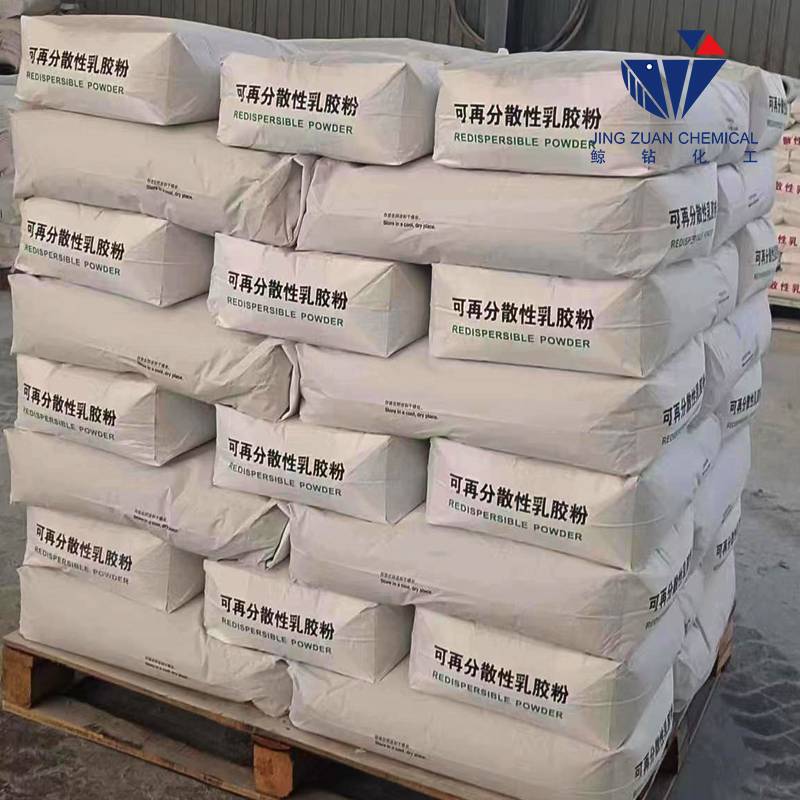
- A4: Cellulose ether products should be stored in their original sealed packaging in a cool, dry place, away from direct sunlight and sources of heat or ignition. Excessive humidity can lead to caking and reduced performance. Under these conditions, the typical shelf life is 24-36 months from the manufacturing date.
Lead Time, Fulfillment, and Support
Our commitment extends beyond product quality to ensuring a seamless supply chain and unparalleled customer support.
Lead Time & Fulfillment
Standard lead times for our most popular cellulose ether grades typically range from 7 to 14 business days for domestic orders and 21 to 30 days for international shipments, depending on destination and order volume. For customized grades or large-volume contracts, specific lead times will be negotiated and confirmed upon order placement. We maintain robust inventory levels of raw materials and finished goods to mitigate potential supply disruptions, ensuring reliable fulfillment. Emergency orders can be expedited, subject to availability and freight logistics.
Warranty Commitments
All our cellulose ether products are guaranteed to meet the published specifications (Technical Data Sheets) and conform to relevant industry standards (e.g., ISO, REACH, specific pharmacopoeia where applicable) for a period of 12 months from the date of manufacture, provided they are stored under recommended conditions. In the event of a product not meeting its stated specifications, we commit to prompt investigation, replacement of the defective material, or a credit note, in accordance with our terms and conditions.
Customer Support & Technical Assistance
Our dedicated team of technical specialists and sales representatives provides comprehensive support throughout your entire engagement.
- Pre-Sales Consultation: Expert guidance on product selection, grade recommendation, and potential formulation optimization for your specific application.
- Technical Data & Documentation: Provision of detailed TDS, SDS (Safety Data Sheets), COAs (Certificates of Analysis), and regulatory compliance documents.
- Post-Sales Support: Assistance with troubleshooting, application issues, and performance evaluations.
- R&D Collaboration: Opportunities for joint development projects to create tailored solutions for complex challenges.
We pride ourselves on being a reliable partner, offering not just products, but solutions that drive your business forward.
Authoritative References
- U.S. Pharmacopeial Convention (USP) Monographs for Cellulose Ethers. Retrieved from www.usp.org
- European Pharmacopoeia (Ph. Eur.) Monographs for Hypromellose and Hydroxyethylcellulose. Retrieved from www.edqm.eu
- Food Chemicals Codex (FCC) Monographs for Cellulose Ethers. Retrieved from www.usp.org/food-chemicals-codex
- International Organization for Standardization (ISO) 9001:2015 Quality management systems — Requirements. Retrieved from www.iso.org
- "Cellulose Ethers: A Versatile Family of Specialty Chemicals" by A. B. Sperling and J. A. Davies in Polymer Engineering and Science Journal, 2020.
- "Rheological Properties of Hydroxyethyl Cellulose Solutions" by L. Zhang and X. Wang in Journal of Applied Polymer Science, 2018.
-
Understanding Hydroxypropyl Methyl Cellulose MSDS Safety and Compliance
NewsApr.16,2026
-
Understanding the Hydroxypropyl Methyl Cellulose HS Code for Global Trade
NewsApr.09,2026
-
Comprehensive Guide to Hydroxypropyl Methyl Cellulose CAS Number and Applications
NewsApr.07,2026
-
Comprehensive Guide to Hydroxypropyl Methyl Cellulose cas no and its Diverse Applications
NewsApr.04,2026
-
Comprehensive Guide to Hydroxypropyl Methyl Cellulose Manufacturers and Applications
NewsMar.31,2026
-
Understanding Hydroxypropyl Methyl Cellulose Properties And Diverse Applications
NewsMar.28,2026